


How industry AI solutions differ
Aranv builds AI solutions by industry for US small and midsize businesses: assistants, agents and document tools shaped around the forms, software and rules of your field, from clinics and insurers to law firms, accounting practices and lenders, with a named person approving the decisions that matter.
The models behind most business AI are general purpose. What fits a project to an industry is everything around the model: the records it reads, the system it updates, the rules on that data and the person who signs off.
In health care the work is scheduling, intake and paperwork, never diagnosis. See our pages on AI for healthcare providers, medical practices, dental offices and home care agencies.
Choosing where AI fits in your industry
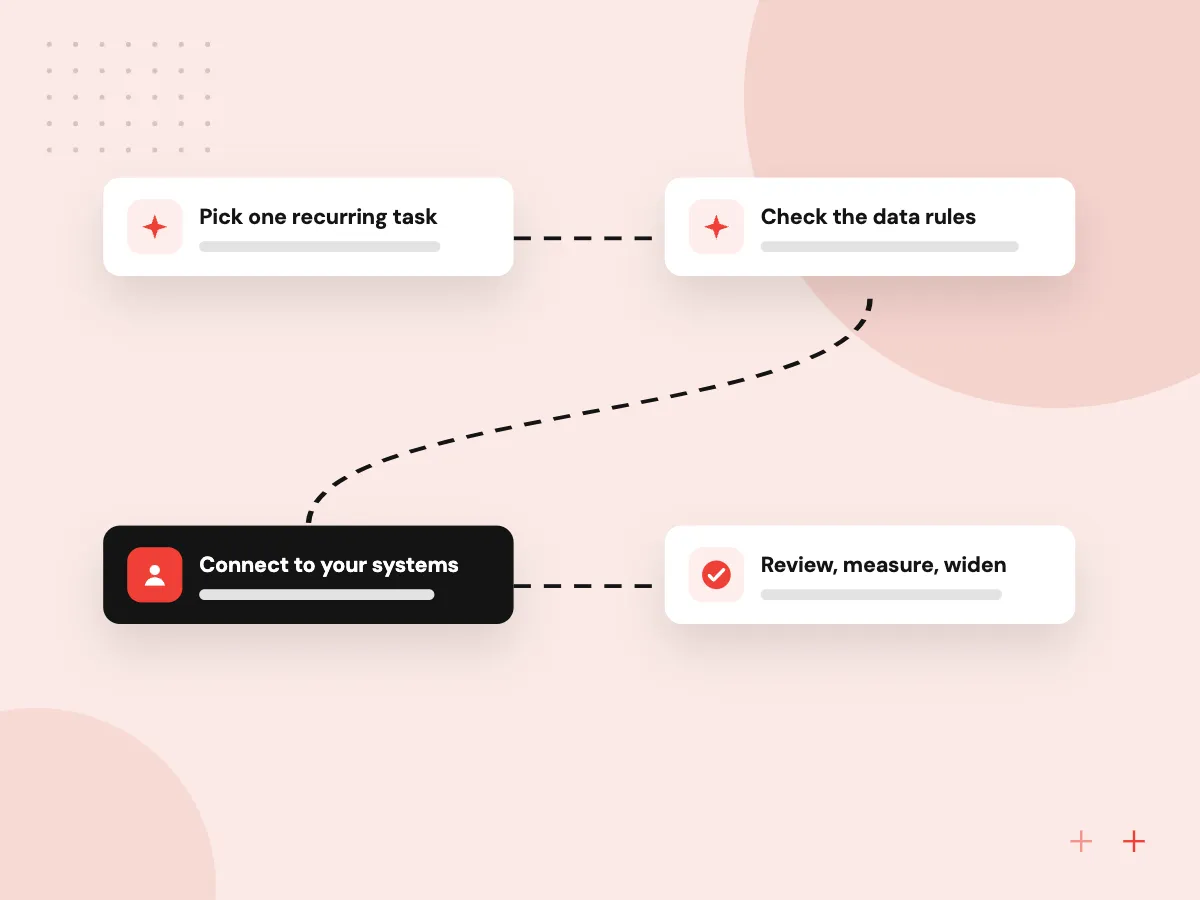
From an industry task to working AI
- 01 Pick one recurring task Choose work that repeats daily, follows written rules and already forms a queue.
- 02 Check the data rules List the records involved and the privacy or sector rules that cover them.
- 03 Connect to your systems The AI reads from and writes to the practice, policy, core or ERP system.
- 04 Review, measure, widen Staff approve outputs at first; scope grows once correction rates are known.
The same language model can serve a dental office and an insurer. What changes is the data, the rules and the review step.
Industry AI solutions we build
Whatever the sector, the first useful AI project tends to sit in one of four places: the front door, the paperwork, the knowledge staff look up, or the routine checks nobody has time for.
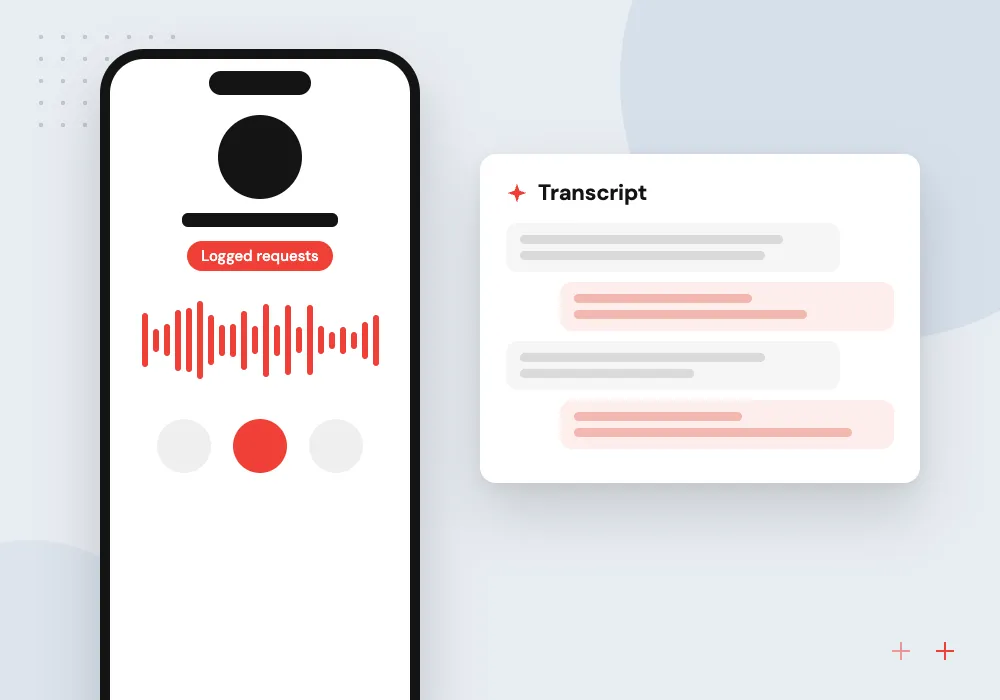
Front desk and phones
Assistants that book dental recalls, take a first notice of loss for an insurer or route a new legal inquiry to the right attorney, then log the request.
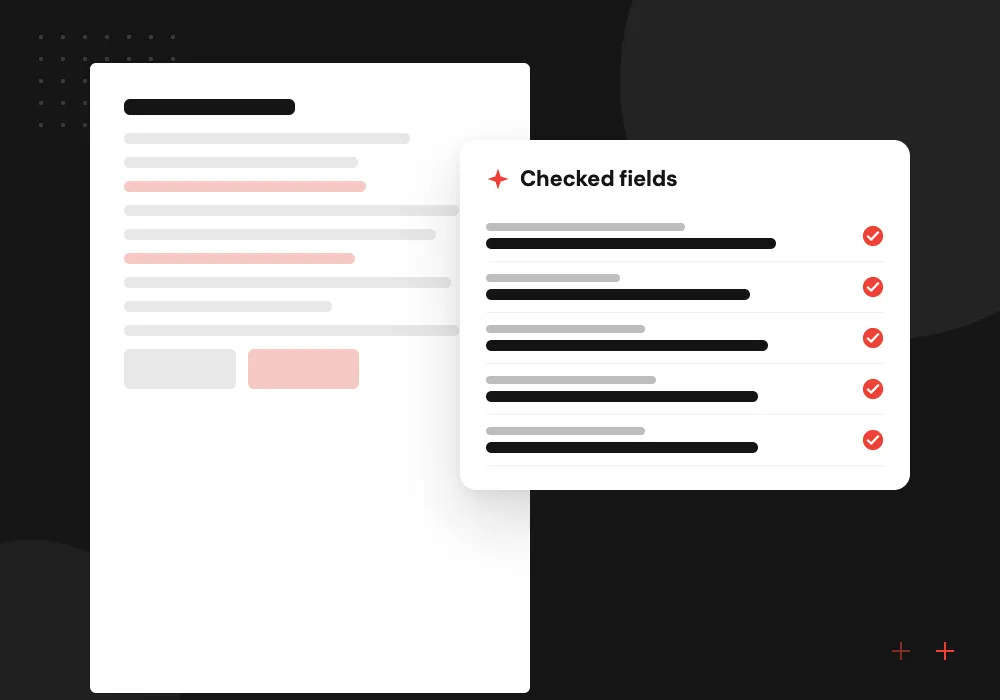
Document intake
Reading referral faxes, loan packets, claim forms and client tax slips, then filling the fields your core system expects for staff to confirm.
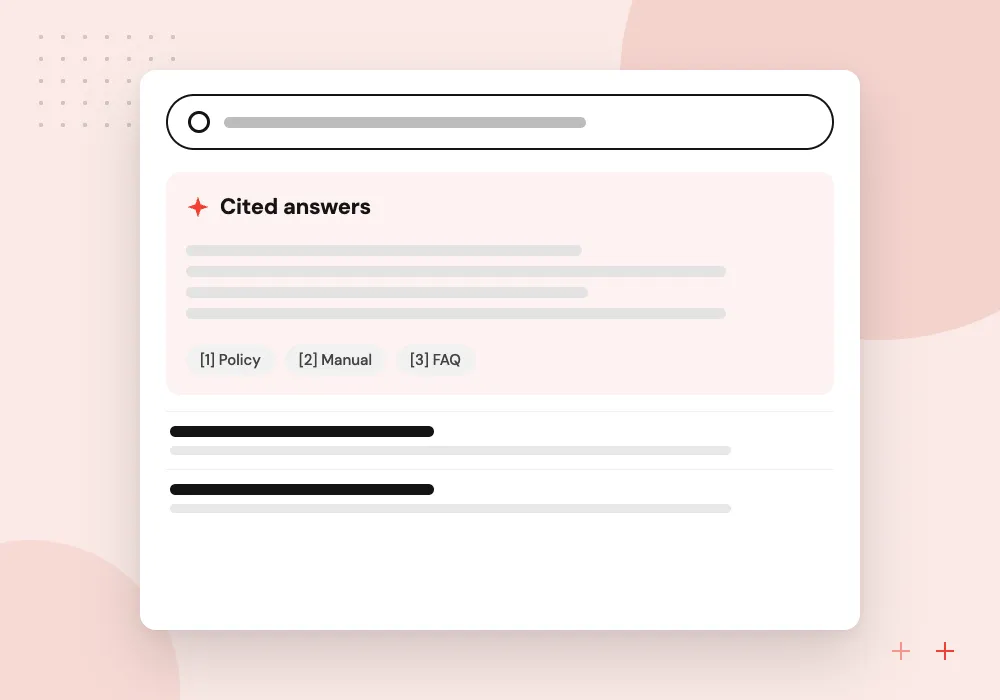
Answers from your records
Search that answers staff questions from SOPs, policy wordings or past matters, shows the source passage and respects what each user may open.
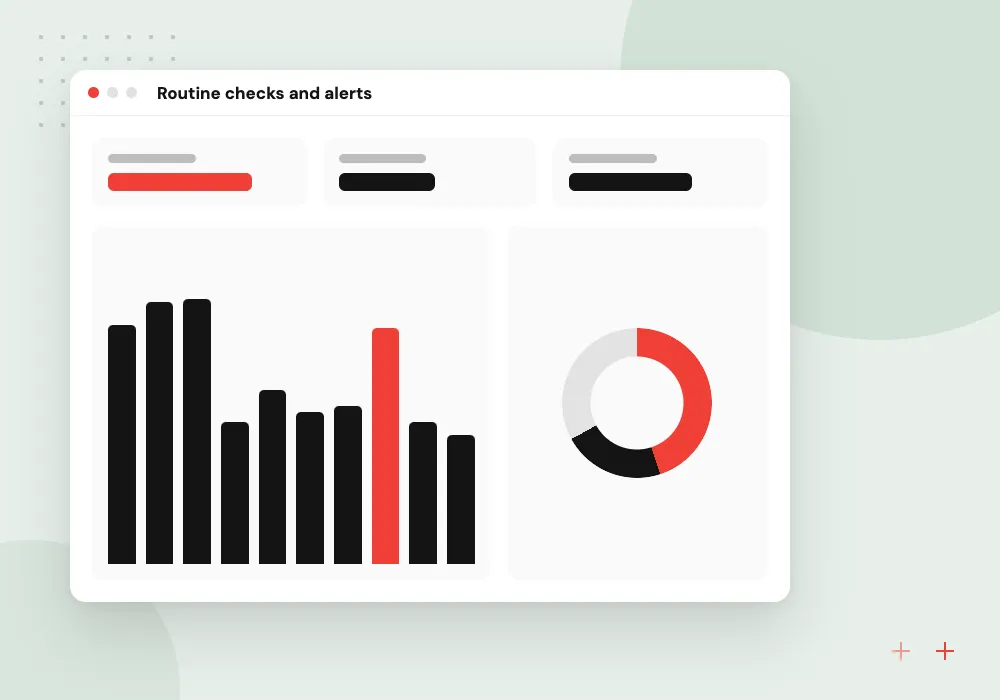
Routine checks and alerts
Agents that compare transactions, visit logs or filings against your rules and send each exception to a named person to resolve.
Regulated sectors: health, finance and legal
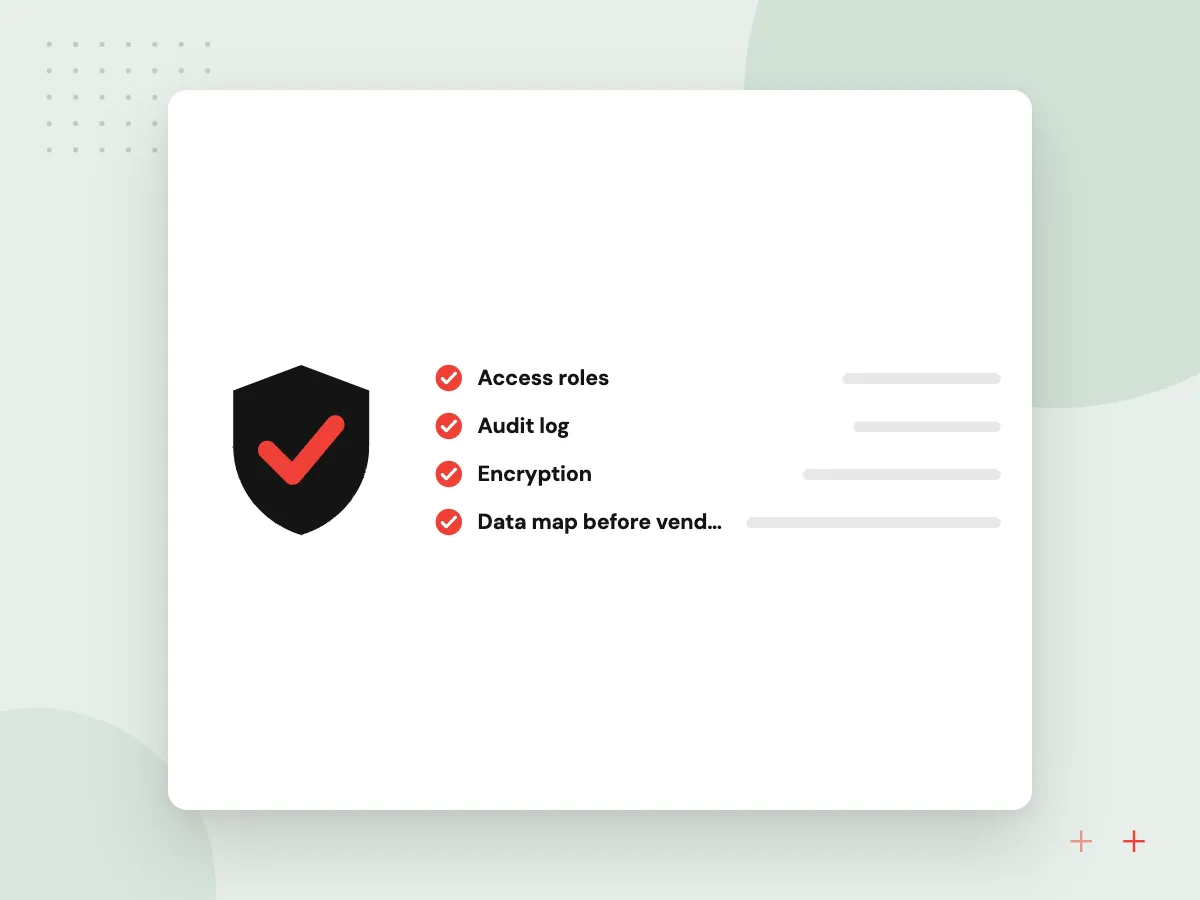
Where records are protected by law, design starts with data handling: which vendor may process the data, where it is stored, who can see each answer and how long logs are kept. The AI drafts and sorts; a licensed or accountable person approves.
What we do
- Data map before vendor choice
- Role-based access to every answer
- Audit log of prompts and outputs
- Reviewer queue for flagged cases
- Vendor terms checked for data use
Operations sectors: orders, schedules and field work
For manufacturers, distributors, property managers and service companies, AI mostly reads orders and messages and keeps schedules moving. The value comes from the link to the ERP, dispatch board or property system, so integration is most of the build.
What we do
- Order and email intake to ERP
- Schedule and dispatch suggestions
- Alerts for late or stuck jobs
- Supplier and tenant reply drafts
- Dashboards on queue volumes

How we approach a project
In finance and the professions the common thread is evidence: every output traced to a source and a reviewer. That applies to banks and credit unions, insurers and agencies, fintech companies, accounting firms and law firms alike.
Operations-heavy businesses use AI on orders, schedules and field data, as our pages for manufacturers and logistics companies show. If you would rather browse by job than by sector, the AI use cases library covers tasks such as invoice capture and ticket routing.
Unsure where to begin? Our AI consulting team can run a short assessment, and the AI project readiness checklist helps you gather data samples, owners and success measures before any build.
How we work
- Start with one repeatable task
- Sector rules shape the design
- People sign off on decisions
Our Process
-

List where work waits
Write down each queue: unanswered calls, unread forms, pending reviews. Note weekly volume and who clears it today.
-

Mark the regulated data
Flag queues that hold health, financial or privileged records, and name who must approve any new use of them.
-

Choose a task with a reviewer
Pick one task where a staff member can check every AI output during the first weeks without slowing the work.
-

Pilot on real cases, then decide
Run the pilot on live work, compare it with the old method and decide to widen, adjust or stop.
Why Aranv for industry AI
We read the rules first
Before design, we list the regulations, contracts and internal policies that touch the data, then agree with your compliance owner how the AI may use it.
Your systems stay the record
The AI reads from and writes to the practice, core, claims or ERP system you already run, so nobody keeps a second copy of the truth.
Review designed in, not added
Each industry page names where a person signs off. We build the reviewer screen alongside the AI, so approval is part of the first release.
Prompts and code you own
Prompts, test sets and integration code are handed over with documentation, so you can change model vendors or bring the work in-house later.
AI solutions by industry
AI for Healthcare Providers
AI solutions for healthcare providers: scheduling, intake, documentation drafts and denial management tools that work with your EHR, checked by your staff.
AI for Medical Practices
AI for medical practices: routine call handling, referral intake, prior authorization packets and portal message sorting, with your staff approving each step.
AI for Dental Practices
AI for dental practices: recall outreach, insurance verification paperwork and an AI dental receptionist for calls, connected to your practice software.
AI for Home Care and Senior Care Agencies
AI for home care agencies: caregiver scheduling, call-off coverage, spoken visit notes and family updates, connected to your agency software and EVV records.
AI for Pharma and Life Sciences
AI in life sciences document work: SOP drafting, regulatory writing support, literature screening and QA search for pharma and biotech, with staff sign-off.
AI for Insurance Agencies and Carriers
AI solutions for insurance agencies, MGAs and carriers: submission intake, claims triage and policy question tools, with licensed staff deciding coverage.
AI for Banks and Credit Unions
AI for banks and credit unions: member service assistants, loan document collection and compliance review support, with documentation for model risk reviews.
AI for Fintech Companies
AI for fintech companies: KYC and KYB document review, dispute and support intake, fraud signals and reconciliation matching, built for regulated data.
AI for Accounting Firms
AI for accounting firms: client document collection, bookkeeping classification and first-pass review notes, built to ease tax season and protect client data.
AI for Law Firms
AI for law firms: client intake and conflict pre-checks, document review support and drafting from your templates, with lawyer review and matter-level access.
AI for Real Estate
AI for real estate brokerages: lead replies at any hour, listing data checks and deal file reviews, tied to your CRM and MLS feed, with agents in charge.
AI for Property Management
AI for property management teams: replies to routine tenant questions, maintenance request triage and lease abstracts, linked to your property software.
AI for Construction Companies
AI in construction for general and specialty contractors: RFI drafts, submittal pre-checks, daily reports from voice notes and takeoff support for estimators.
AI for Manufacturers
AI in manufacturing for small and midsize plants: RFQ and drawing intake for quotes, quality records, maintenance answers and plain-English ERP questions.
AI for Logistics and Supply Chain
AI in logistics for brokers, 3PLs and fleets: freight document intake, track-and-trace replies, exception alerts and planning support tied to your TMS.
AI for Retailers
AI for retail stores and small chains: vendor product data cleanup, answers for store staff, customer service replies and demand forecasts by store and SKU.
AI for Wholesale Distributors
AI for distributors and wholesalers: emailed and PDF orders keyed into your ERP, quote drafts, cleaner product data and stock alerts, reviewed by your team.
AI for Car Dealerships
AI for car dealerships: replies to internet leads at any hour, service booking by phone and text, and deal jacket checks before contracts go to the lender.
AI for Home Service Businesses
AI for home service businesses in HVAC, plumbing and electrical: calls answered and booked day and night, clear dispatch notes and quick quote drafts.
AI for Energy and Utilities
AI in energy for utilities, co-ops and solar companies: field report capture, asset data cleanup, outage and billing answers, and permit packet checks.
AI for Schools and Education
AI solutions for education: admissions assistants, course material support and front-office automation for schools and colleges, designed around FERPA.
AI for Hotels and Hospitality
AI for hotels: guest messaging, review reply drafts and housekeeping coordination tied to your PMS, with staff approving anything that commits the property.
AI for Restaurants
AI for restaurants: phone ordering, reservations, inventory counts and supplier invoice processing, connected to your POS and checked by your managers.
AI for Travel Companies
AI for travel agencies: itinerary drafts, booking change handling and supplier content tools, connected to your booking systems and checked by advisors.
AI for Agriculture
AI in agriculture for farms, co-ops and agribusinesses: field records, equipment data, crop imagery review and compliance paperwork built around your work.
AI for Marketing Agencies
AI for marketing agencies: client report drafts, brief intake and content workflows with editorial review, built on the tools your team already uses.
AI for Nonprofits
AI for nonprofits: grant draft support, donor data cleanup and volunteer coordination, scoped to fit tight budgets and reviewed by your own staff.
AI for Staffing Agencies
AI for staffing agencies: candidate matching, screening support and timesheet processing, with recruiters making hiring decisions and bias tests built in.
AI for SaaS Companies
AI for SaaS companies: in-product AI features plus support and onboarding assistants, with tenant data isolation, evaluations and cost metering built in.
AI for Professional Services Firms
AI for professional services firms: proposal drafts, search across past projects and time and billing support for consulting and engineering firms.
Let’s talk about your next step.
Tell us about your workflow, current tools and goals.
AI by industry FAQs
-
Which industries get the most from AI?
Those with heavy volumes of documents, calls and rule-based checks: health care administration, insurance, banking, accounting and legal work. Census survey data shows information and finance businesses using AI well above the national rate, but your own queues matter more than your sector label.
-
Do we need AI built for our industry or a general tool?
A general chat assistant suits drafting and research. A built solution makes sense when the AI must read your records, write into your practice, policy or core system, and follow rules on who may see what. Many firms end up using both.
-
How do you handle health or financial records?
We map the data before choosing any vendor. For patient records, HIPAA requirements shape hosting, access and the agreements signed with each vendor; for financial data, privacy and safeguards rules apply. Your compliance lead agrees these points with us before the build begins.
-
What drives the cost of an industry AI project?
The number of systems the AI connects to, the variety of documents it reads, the review screens your rules require and the hosting your data demands. We estimate after a short discovery phase and split the work into phases you approve one at a time.
-
Will AI replace our staff?
The tools we build take the first pass on routine work, while staff keep approvals, exceptions and anything a customer, patient or client disputes. How you use the hours that frees up is a decision for your managers, not the software.

Let’s talk about your next step
Contact Aranv to discuss your workflow, current tools, and goals. Meet with our team or send an inquiry.
Book a meeting with our team
Choose an available date and time for a 30-minute conversation about your project.
Tell us about your project
Share a few details so we can discuss a useful next step.
Prefer email? sales@aranv.com