


What data engineering services include
Aranv offers data engineering services to small and midsize companies whose data is spread across systems: pipelines that pull records from your ERP, CRM, store and spreadsheets, clean and join them in a warehouse, and deliver tested tables to dashboards, forecasts and AI features.
We begin with the questions the business wants answered and trace each one to its source systems and owners. That yields a short list of tables to build first, not a warehouse of everything. Data pipeline development then follows one pattern: extract, load raw copies, transform with tested SQL, and publish.
Tools fit your size. Managed connectors handle common SaaS sources, Python covers older databases and odd APIs, dbt manages transformations with tests and docs, and Apache Airflow, Dagster or a cloud scheduler runs the jobs. Airflow 2 reached end of life in April 2026 according to the project’s version table, so older Airflow installs are a frequent upgrade job.
How data moves from systems to decisions
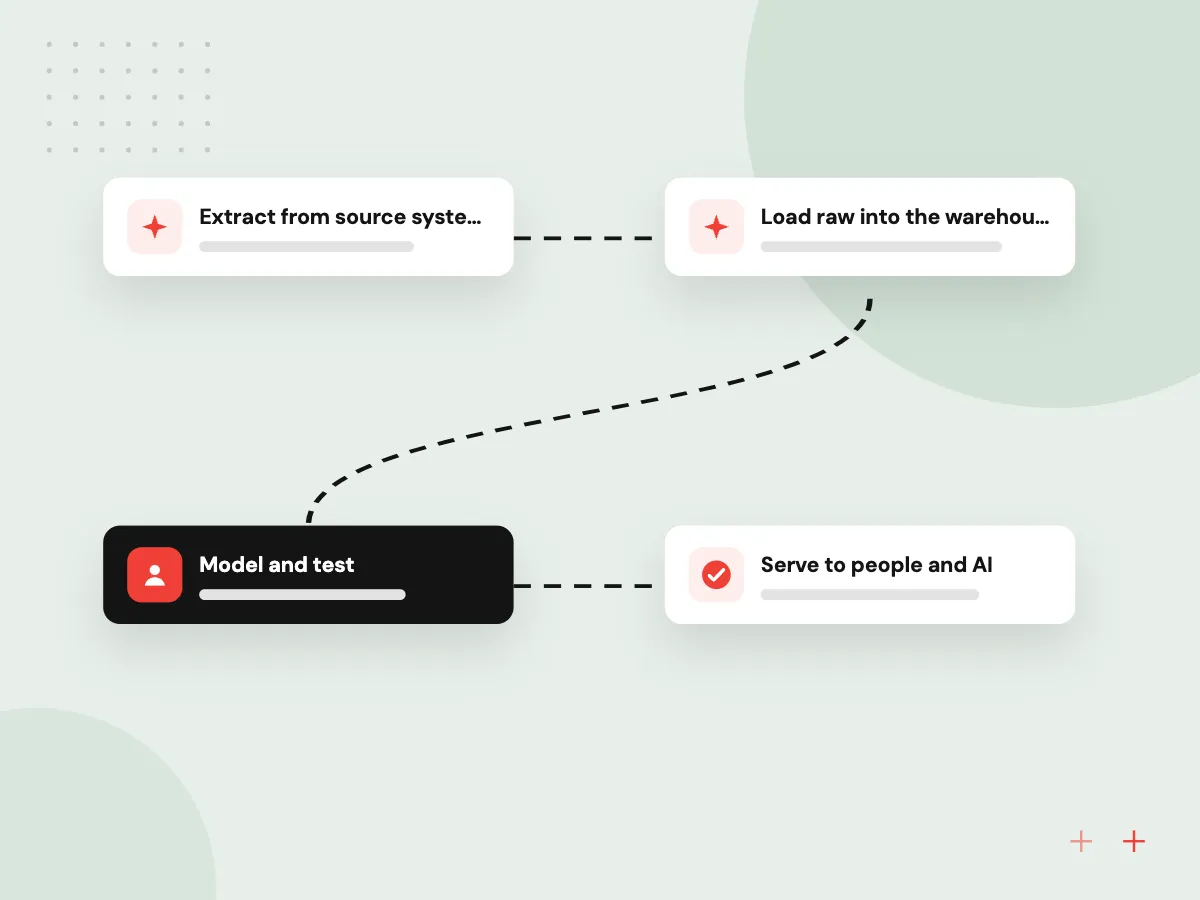
Extract, model, test, serve
- 01 Extract from source systems Connectors and APIs copy records from ERP, CRM, store and files.
- 02 Load raw into the warehouse Untouched copies land first, so any later step can be replayed.
- 03 Model and test SQL models join and clean the data, with checks on freshness and accuracy.
- 04 Serve to people and AI Dashboards, exports and AI features all read the same tested tables.
Each pipeline has an owner, a schedule and an alert when it fails.
Data pipeline development we do
Most data projects start because two reports disagree, or because someone spends every Monday stitching exports together.
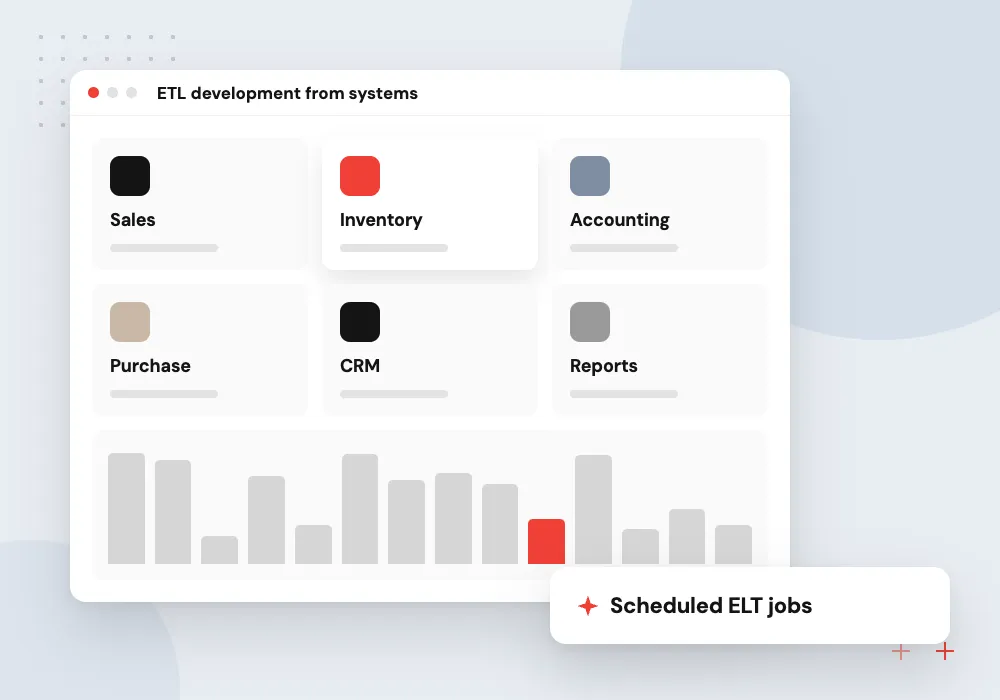
ETL development from systems
Scheduled extracts from QuickBooks, Odoo, Salesforce, Shopify or an older SQL database, loaded into one warehouse with history kept for each change.
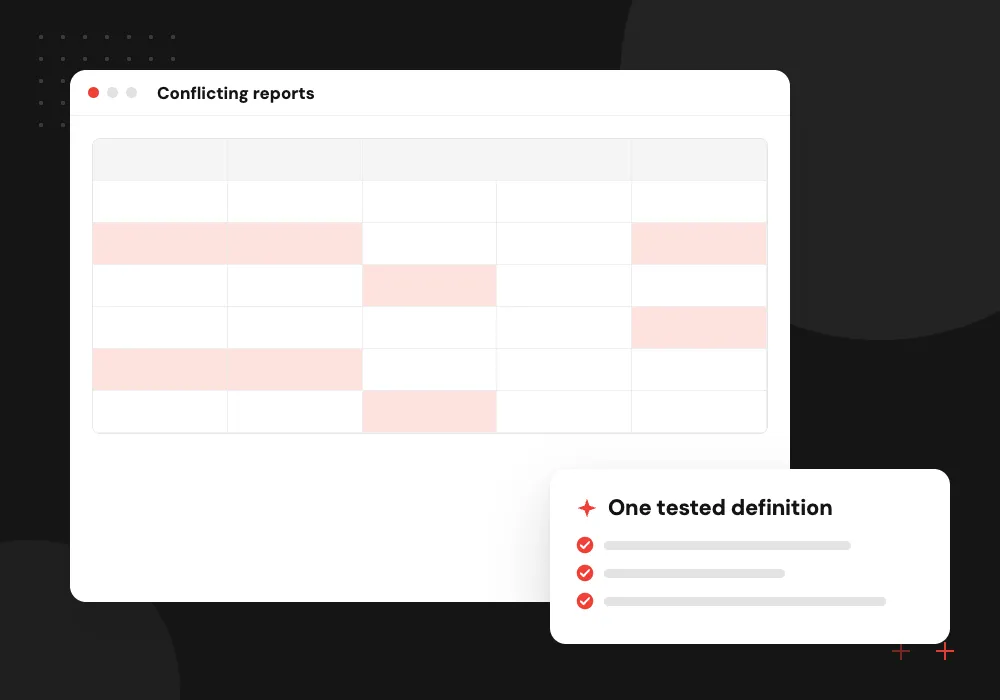
Warehouse and data models
Fact and dimension tables in Snowflake, BigQuery, Postgres or Microsoft Fabric, built with dbt so every metric has a single tested definition.
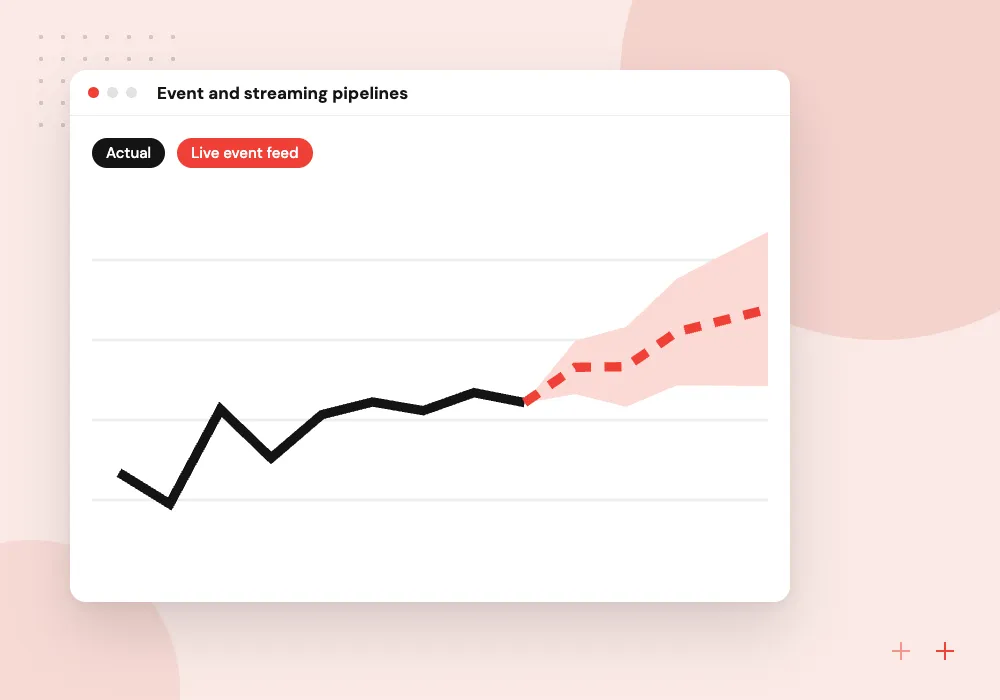
Event and streaming pipelines
Website events, sensor readings or order updates captured as they happen through queues or change data capture, feeding alerts and near real-time dashboards.
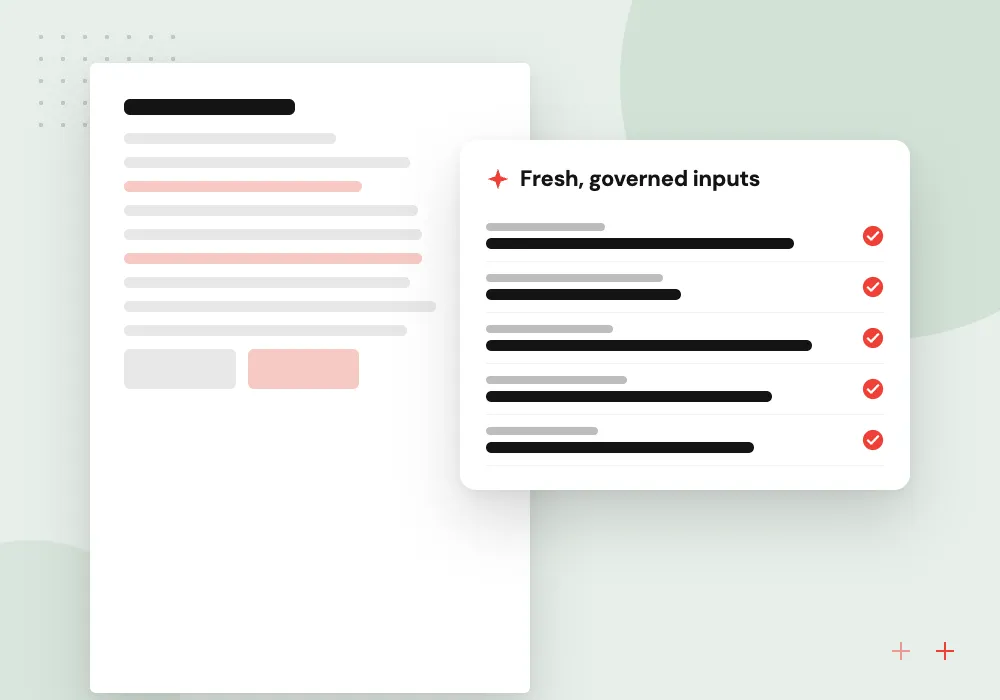
Pipelines that feed AI
Documents, tickets and product records cleaned, chunked and embedded on a schedule, so AI assistants and models work from current data each user is allowed to see.
ETL development with tests built in
Each pipeline ships with checks that run on every load: row counts against the source, no duplicate keys, no blanks where a value is required, totals that match the ERP, and freshness limits. When a check fails, the pipeline stops before bad numbers reach a dashboard and the owner gets an alert with the failing rows.
What we do
- Source-to-warehouse row count checks
- Uniqueness and not-null tests
- Financial totals reconciled with ERP
- Freshness alerts per table
- Failure alerts with sample rows
Data pipelines that feed AI features
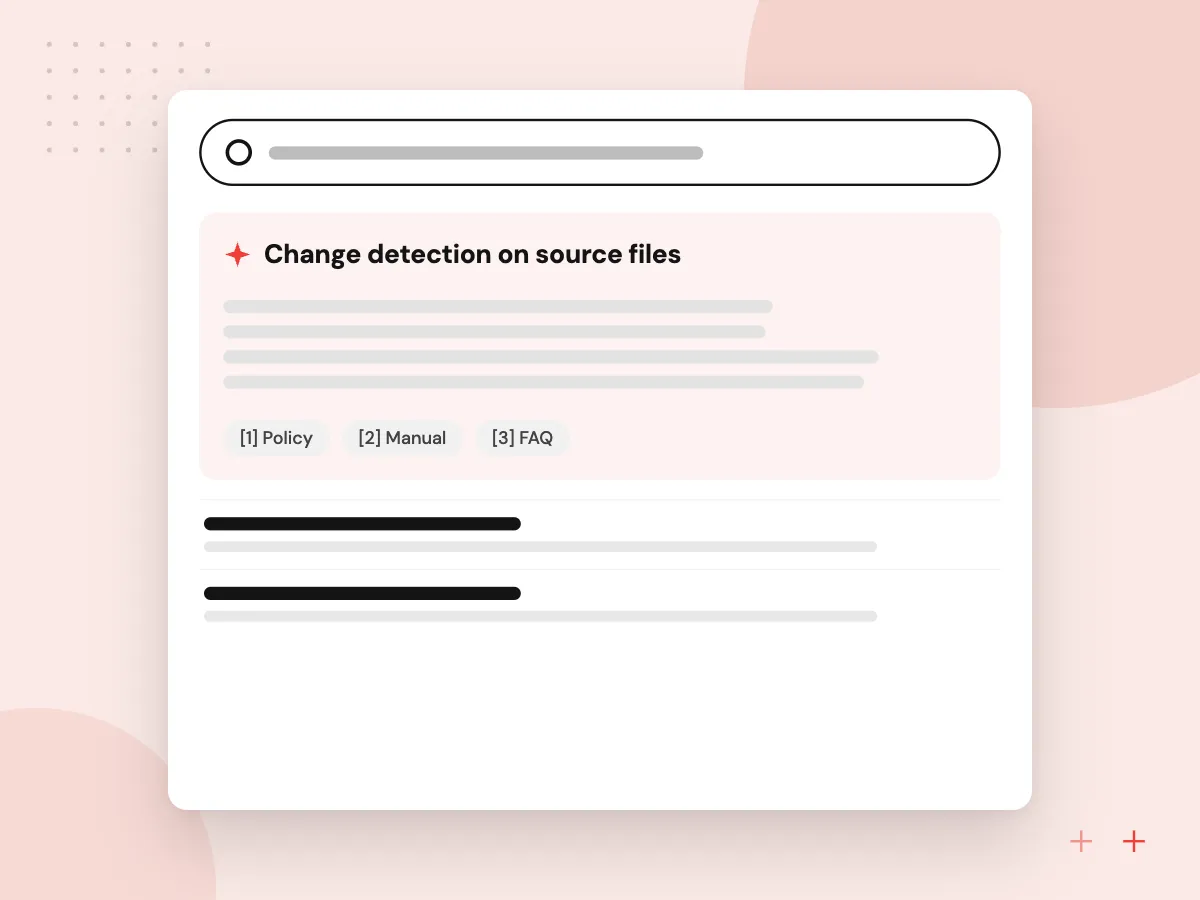
An AI assistant is only as current as the data behind it. We build pipelines that pick up new and changed documents, strip formatting, split text into chunks, attach access labels and refresh embeddings, logging what changed. Structured data for models gets the same tests as reporting data.
What we do
- Change detection on source files
- Text extraction and chunking
- Access labels carried with each chunk
- Embedding refresh on change
- Lineage from answer back to source

How we approach a project
Clean tables then feed reporting through business intelligence and Power BI consulting, or forecasts from our predictive analytics services. When the job is mainly a one-time move between systems, data migration services is the better fit.
For AI, pipelines prepare the inputs: text pulled from documents, duplicates merged, personal data masked and embeddings refreshed when sources change. AI data preparation covers that in depth. Warehouse options, including Snowflake consulting, sit with the rest of our technologies.
How we work
- One definition for each business number
- Tests on data, not only code
- Raw copies kept for replay
Our Process
-

Agree questions and sources
We list the reports or AI features needed, the source systems behind them and who owns each source.
-

Build one pipeline end to end
One source flows all the way to one trusted table and dashboard, proving the pattern early.
-

Add sources and tests
Further sources follow the same pattern, each with tests, documentation and an alert route.
-

Hand over and support
Your team gets runbooks and access; we can stay on to watch for failures and add sources.
Why Aranv for data engineering
Business definitions agreed first
We write down what counts as revenue, an active customer or an on-time order with your managers before modeling, so the numbers settle arguments instead of starting them.
Pipelines your team can read
Transformations are SQL in a repository with tests and generated documentation, not logic hidden in a tool only one person understands.
Sized for a smaller business
We pick tools and warehouse tiers that match your data volume and budget, and avoid platforms that need a full-time team to run.
Sensitive data handled deliberately
Payroll, health and card fields are tagged when they first arrive, masked or limited by role, and the landing area that holds untouched copies has its own short access list.
Planning Data Engineering Services?
Book a 30-minute conversation with the team that would build it.
Data engineering FAQs
-
How much do data engineering services cost?
Cost follows the number of source systems, how messy their data is, how fresh it must be and which warehouse you choose. A first pipeline from two or three systems is a modest project; real-time feeds and many sources cost more. We estimate per source after discovery.
-
What is the difference between ETL and ELT?
ETL transforms data before loading it into the warehouse. ELT loads raw data first and transforms it inside the warehouse with SQL. ELT is now the common pattern, because modern warehouses handle transformations well and raw copies let you rebuild any model later.
-
Do we need a data warehouse, or is our database enough?
If reports read from one application database and run quickly, you may not need one yet. A warehouse helps when data comes from several systems, when reports slow down the live app, or when you need history the source does not keep.
-
Which tools do you use for ETL development?
We match tools to your size: managed connectors for common SaaS sources, Python for custom extracts, dbt for SQL transformations and tests, and Airflow, Dagster or a cloud scheduler for orchestration. Warehouses include Snowflake, BigQuery, Postgres and Microsoft Fabric.
-
How do data pipelines help with AI projects?
AI features are only as good as their inputs. Pipelines keep documents and records current, clean and labeled with access rights, so an assistant answers from today’s data and shows each user only what they may see.
-
Who owns the pipelines and the warehouse?
You do. Warehouse and tool accounts sit under your business, code lives in your repository, and documentation covers each source, model and schedule.

Let’s talk about your next step
Contact Aranv to discuss your workflow, current tools, and goals. Meet with our team or send an inquiry.
Book a meeting with our team
Choose an available date and time for a 30-minute conversation about your project.
Tell us about your project
Share a few details so we can discuss a useful next step.
Prefer email? sales@aranv.com