


What retail software development includes
Aranv provides retail software development for independent retailers, online brands and wholesalers: eCommerce stores, inventory and order sync between channels, B2B ordering portals and AI that helps staff and shoppers, so stock, orders and customer data stay consistent wherever you sell.
Most retail projects start with the platform question. Shopify suits brands that want hosted checkout and a large app ecosystem, WooCommerce suits teams already on WordPress, and a headless build suits stores with heavy content or custom product builders. Our eCommerce development team weighs these options against your catalog and growth plans, and Shopify development has its own page.
Behind the storefront sits the operational side: stock across locations, purchasing, returns and accounting. Connecting the store to Odoo lets one system hold stock levels and invoices. For wholesalers, a B2B eCommerce platform adds customer-specific pricing, credit terms and buyer approvals.
How a retail system fits together
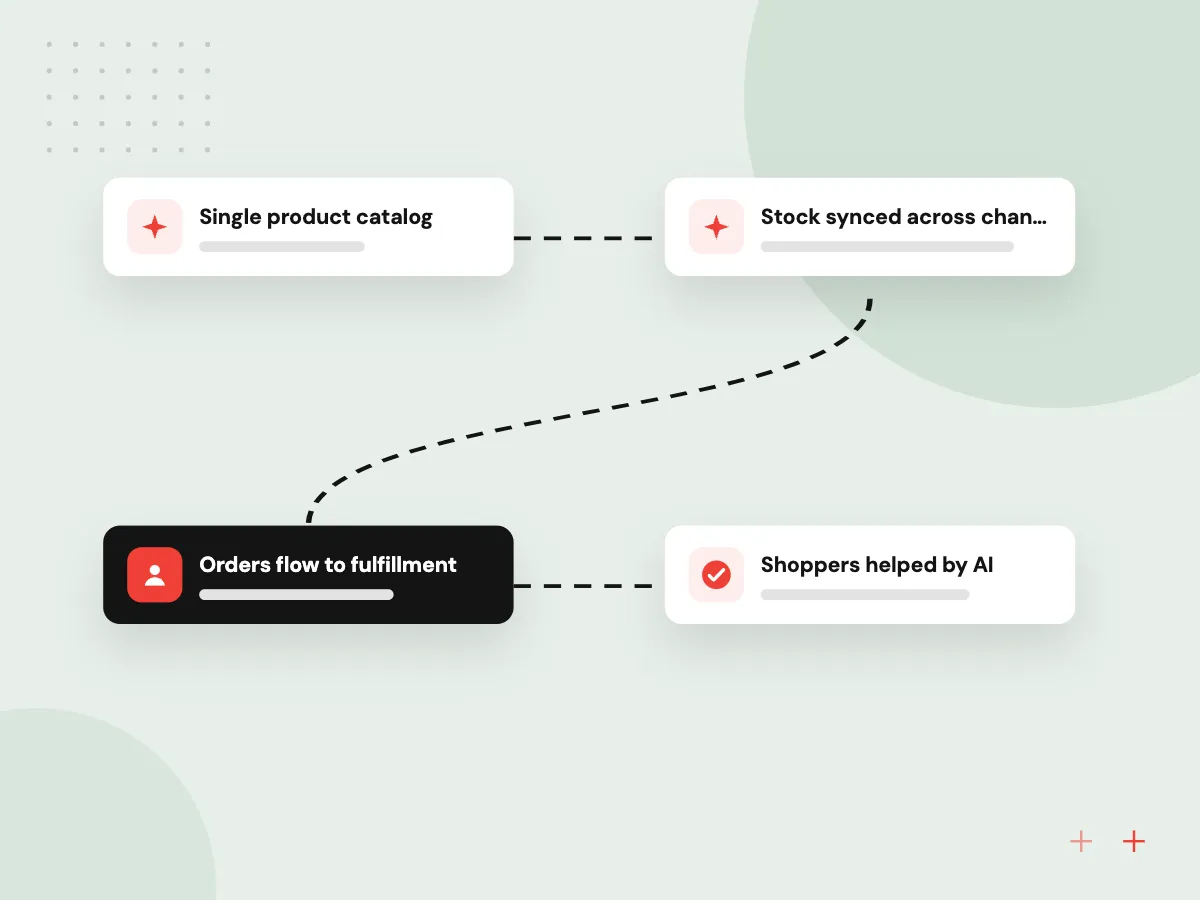
One catalog, every channel
- 01 Single product catalog Products, variants, prices and images live in one source that feeds every channel.
- 02 Stock synced across channels Store, warehouse and marketplace counts update together, so you stop overselling.
- 03 Orders flow to fulfillment Paid orders reach picking, shipping labels and accounting without copying them by hand.
- 04 Shoppers helped by AI An assistant answers sizing, stock and order status questions from live data.
We pick the platform after we know your catalog size, channels and how much custom logic you need.
eCommerce software solutions we build
Retail software has to keep up with promotions, returns and seasonal peaks. These four projects are common starting points.
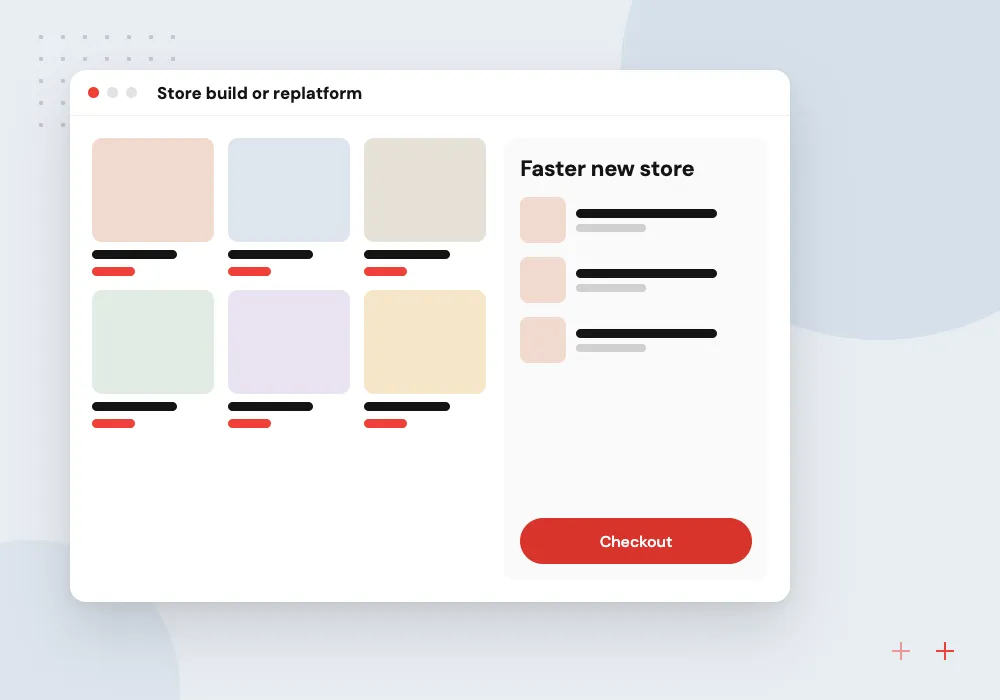
Store build or replatform
A new Shopify, WooCommerce or headless store, with products, customers and order history moved across.
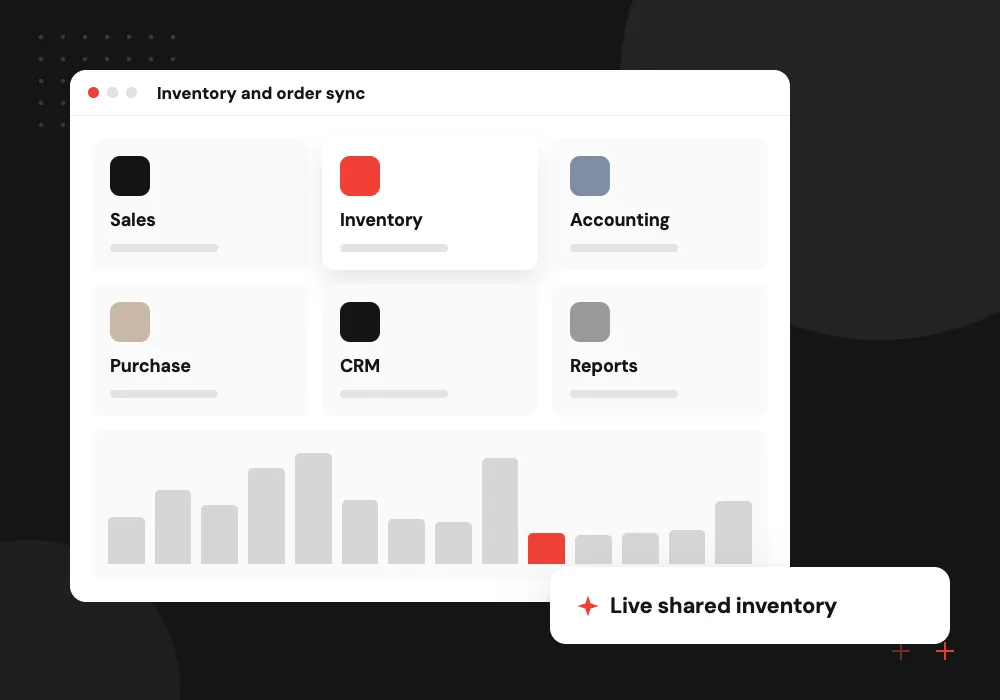
Inventory and order sync
Point of sale, warehouse, marketplaces and the online store share one stock count through an ERP such as Odoo.
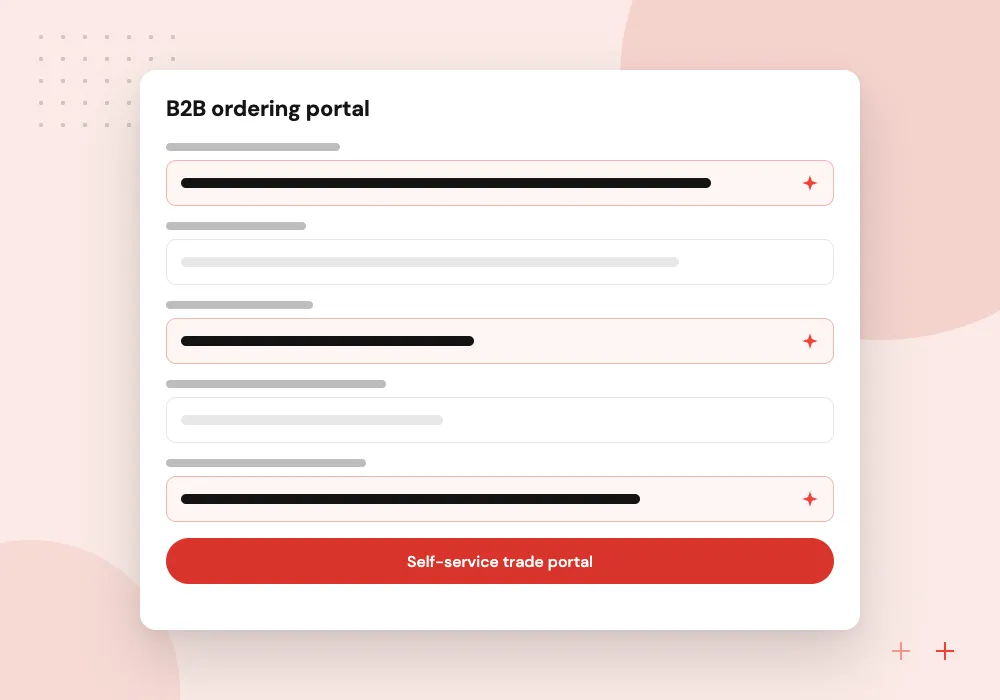
B2B ordering portal
Wholesale buyers get their own price lists, approval steps, purchase order references and reorder lists.
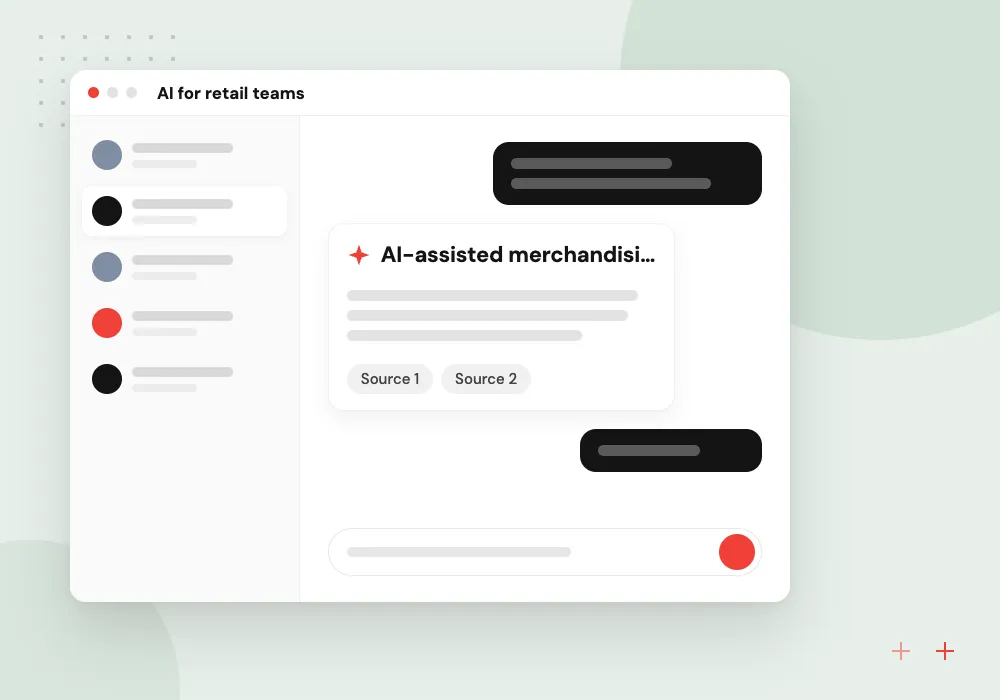
AI for retail teams
Product copy drafts, catalog cleanup, demand signals and a shopper assistant that knows your stock and return policy.
Returns and exchanges workflow
A return touches the store, the warehouse and accounting at once. We build a returns flow where shoppers pick a reason and get a label, the warehouse records the condition of each item, and the refund or store credit posts to the ERP once the item is checked.
What we do
- Customer returns page with reasons
- Return labels from your carrier
- Condition check at the warehouse
- Restock or write-off rules
- Refund or credit posted to accounts
AI catalog cleanup and product copy
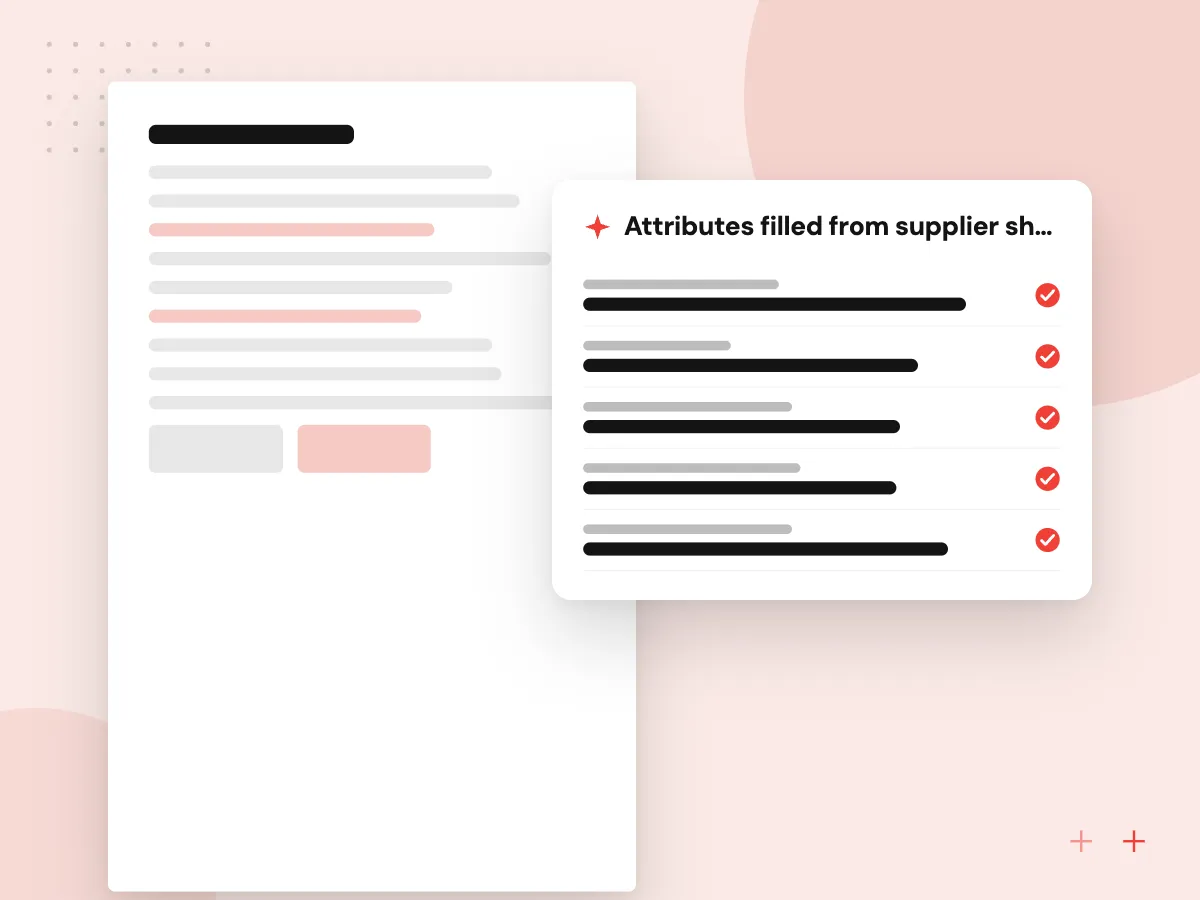
Supplier sheets often come with missing sizes, inconsistent color names and thin descriptions. We set up AI that fills attributes from the sheet, drafts copy to your style guide and flags items it cannot match, while a merchandiser approves each batch before it goes live.
What we do
- Attributes filled from supplier sheets
- Copy drafts to your style guide
- Items with no match sent for review
- Batch approval by a merchandiser
- Change history per product

How we approach a project
Two projects by our wider team show the range; both appear on our case studies page. Project 06 moved a New Zealand custom packaging store from Magento 1 to a headless setup with a Next.js storefront, product personalization and content kept in dedicated content systems. Project 03 redesigned a US medical distributor’s Odoo 17 storefront with shared shopping lists, multi-user approvals and live carrier rates at checkout.
AI for retail works best on narrow, measurable tasks: drafting product descriptions from supplier sheets, tagging and cleaning catalog attributes, answering order status questions and flagging slow-moving stock. See AI for eCommerce for assistants that talk to shoppers and headless commerce for storefronts built separately from the back end.
How we work
- One source for product data
- Sync stock before adding channels
- Judge features by conversion
Our Process
-

Channel and catalog audit
We review where you sell, how products and stock are stored, and where orders get stuck.
-

Platform and data plan
We recommend a platform, map product and customer data, and plan redirects so search rankings survive the move.
-

Build ahead of peak season
Development and test orders run in a staging store, timed to avoid your busiest weeks.
-

Launch and tune
After go-live we watch checkout errors, page speed and stock sync, then fix issues in priority order.
Why retailers work with Aranv
One stock count first
We fix how products are identified across your channels before adding new ones, so a sale in the shop and a sale online draw from the same number.
Platform advice without a bias
We build on Shopify, WooCommerce, Odoo and headless stacks, so the recommendation follows your catalog and channels rather than a favorite tool.
Checkout watched after launch
We track checkout errors, payment failures and sync gaps closely after go-live and fix them in order of their effect on sales.
Store data stays yours
Product data, customer records and custom code sit in accounts you own, so you can change partners or bring the work in-house later.
Planning Retail Software Development?
Book a 30-minute conversation with the team that would build it.
Retail and eCommerce FAQs
-
Should a small retailer use Shopify or custom eCommerce software?
Start with Shopify or WooCommerce if your products and checkout are standard; they cost less to run and update. Custom or headless builds make sense when you need product configurators, complex B2B pricing or content-heavy pages that themes handle poorly.
-
Can you connect our point of sale, online store and warehouse stock?
Yes. We connect them through each platform’s API or through an ERP such as Odoo, so a sale in one channel updates stock everywhere. We first check how each system identifies products, because mismatched SKUs are a common source of sync errors.
-
Will we lose search traffic if we change eCommerce platforms?
Not if the move is planned. We map every old product, category and content URL to its new address, set permanent redirects, carry over titles and structured data, and watch Search Console after launch for crawl errors.
-
What does AI for retail actually do day to day?
Practical uses include first drafts of product copy, filling missing attributes, answering where-is-my-order questions, summarizing reviews and spotting items that sell faster than forecast. Staff review the output before it reaches customers.
-
What affects the cost of a retail software project?
The main drivers are the number of products and variants, how many channels and systems must stay in sync, custom features such as configurators or trade pricing, and how much product and customer data has to be migrated and cleaned.
-
Which accounts and files should a retailer have ready at kickoff?
Admin access to your current store, a product export, your list of sales channels and apps, and one person who can decide catalog and checkout questions. The first step is a 30-minute conversation arranged through our Contact page.

Let’s talk about your next step
Contact Aranv to discuss your workflow, current tools, and goals. Meet with our team or send an inquiry.
Book a meeting with our team
Choose an available date and time for a 30-minute conversation about your project.
Tell us about your project
Share a few details so we can discuss a useful next step.
Prefer email? sales@aranv.com