


What AI in healthcare operations covers
Aranv builds AI solutions for healthcare provider groups: scheduling and intake assistants, documentation drafts, denial management and policy search that connect to your EHR and billing systems. Clinicians, coders and front desk staff review every output, and diagnosis and treatment decisions stay with clinicians.
Most provider AI projects touch an EHR and a practice management or revenue cycle system. Many certified EHRs offer HL7 FHIR APIs, although connecting usually requires the EHR vendor to approve your app, and billing data moves in X12 files such as the 835 remittance. Our healthcare software development page covers the patient apps and portals that sit beside these tools.
The front door is where most groups begin. An AI voice agent can take scheduling calls after hours, and AI patient intake turns forms and insurance cards into structured data for registration staff to confirm. For faxed referrals and records requests, AI document processing extracts the fields and files the pages.
Administrative AI around the patient visit
Where AI helps before and after the visit
- 01 Before the visit Scheduling, eligibility checks and intake forms prepared for front desk staff to confirm.
- 02 During the visit Clinician dictation turned into an unsigned draft note the clinician edits.
- 03 After the visit Coding suggestions and claim edits queued for certified coders and billers.
- 04 When payments come back Remittance files grouped by denial reason, with draft appeals for billers.
Diagnosis and treatment choices are out of scope. These tools sit on the administrative side of care.
Healthcare AI development for provider operations
Provider groups lose staff hours to phone queues, faxed referrals, charting backlogs and denied claims. These are the four areas we are asked to build for most.
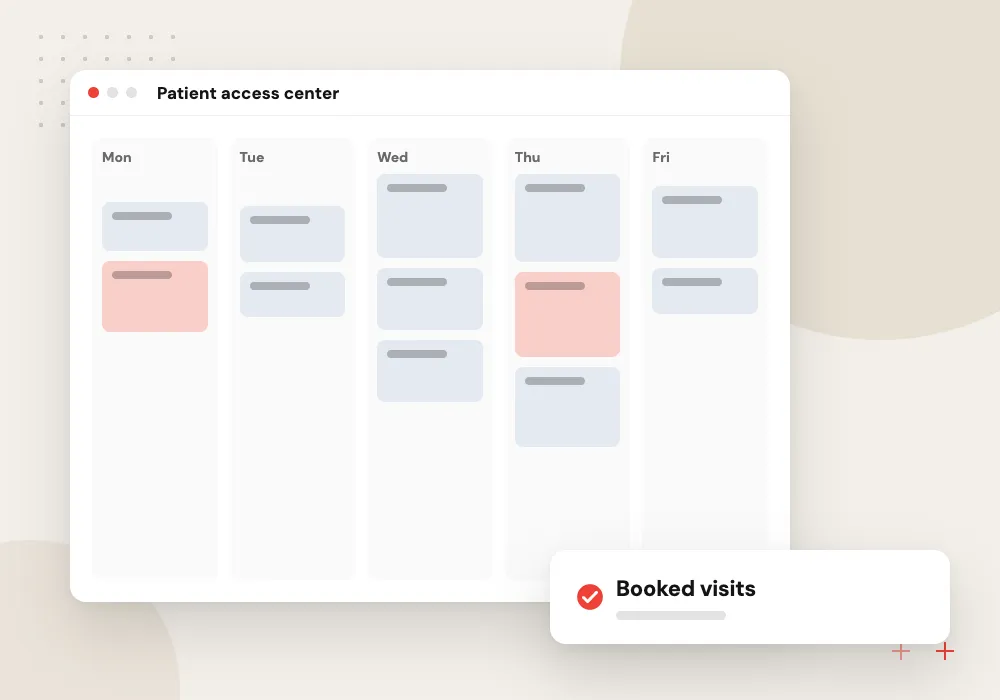
Patient access center
A voice and text assistant that books, moves and cancels visits across locations, checks the right provider type and passes complex calls to a scheduler.
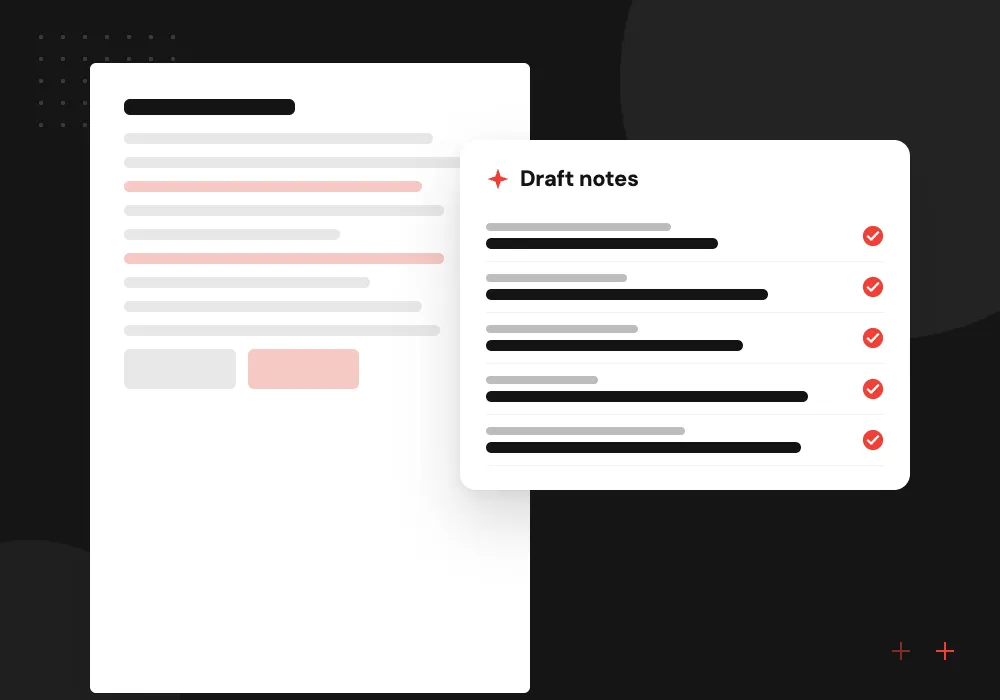
Documentation drafts
Visit notes, referral letters and discharge instructions drafted from clinician dictation and placed in the EHR unsigned, for the clinician to edit.
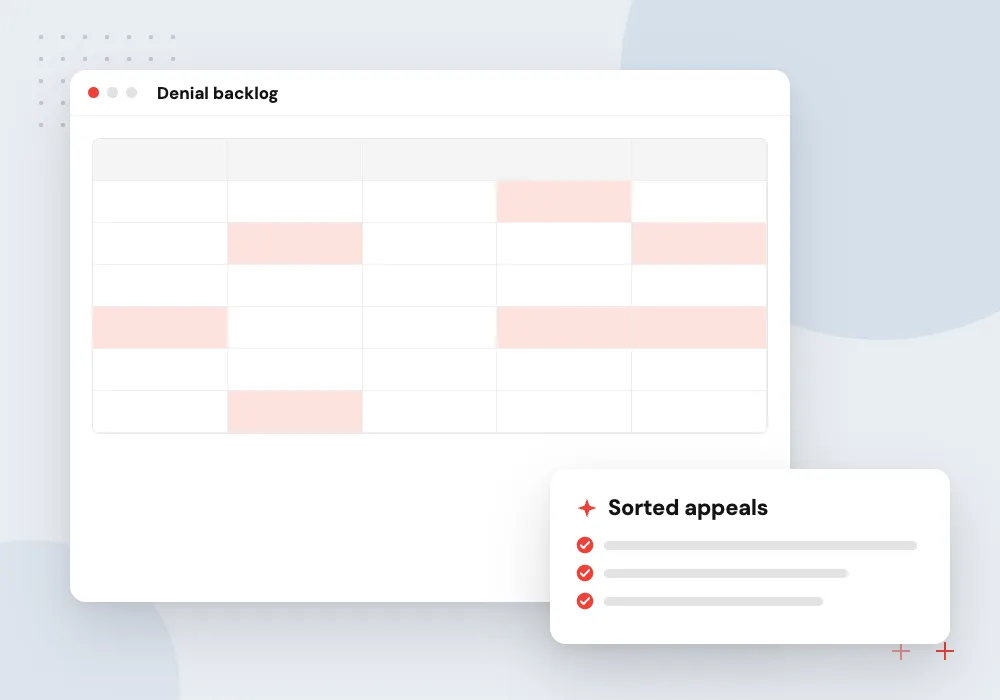
Denial management
Remittance files read, denials grouped by reason code and payer, and appeal letters drafted with the chart excerpts a biller needs to approve them.
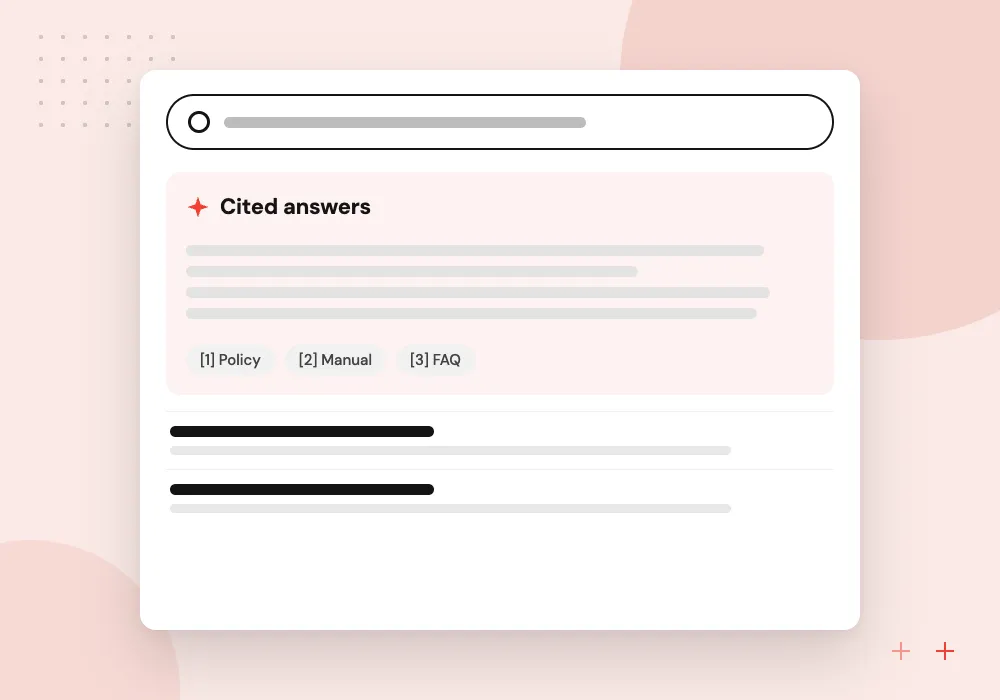
Policy and payer rule search
Staff ask about payer rules, internal policies or front desk scripts and get an answer with the source document linked beside it.
Revenue cycle support for billing teams
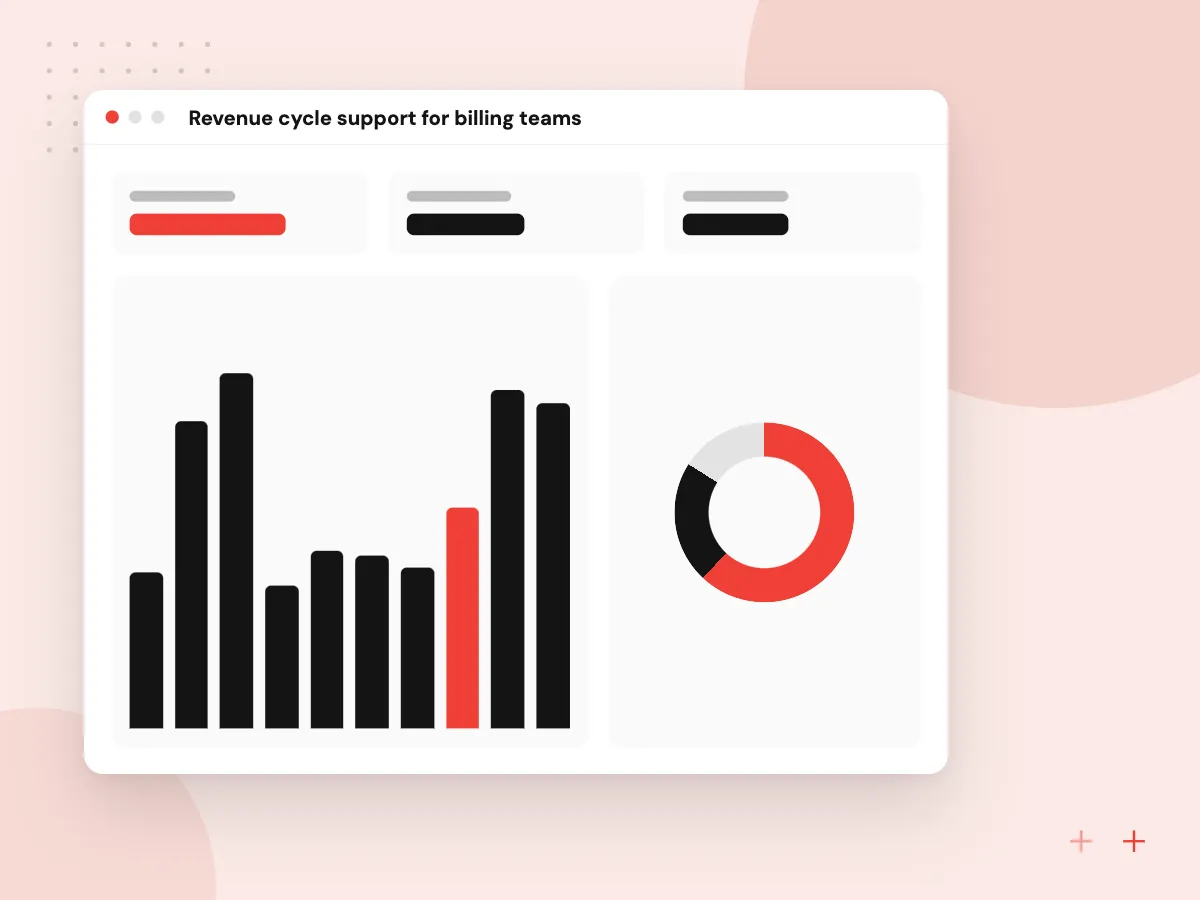
Billing teams work from clearinghouse reports, remittance advice and payer portals. We build tools that read those files, sort denials by cause, check claims against payer edits before submission and prepare appeal packets. Coders and billers make every coding and submission decision.
What we do
- Eligibility and benefit summaries
- Pre-submission claim edit review
- Denials grouped by reason code
- Appeal drafts with chart excerpts
- Weekly denial trend dashboard
Data handling and clinical review
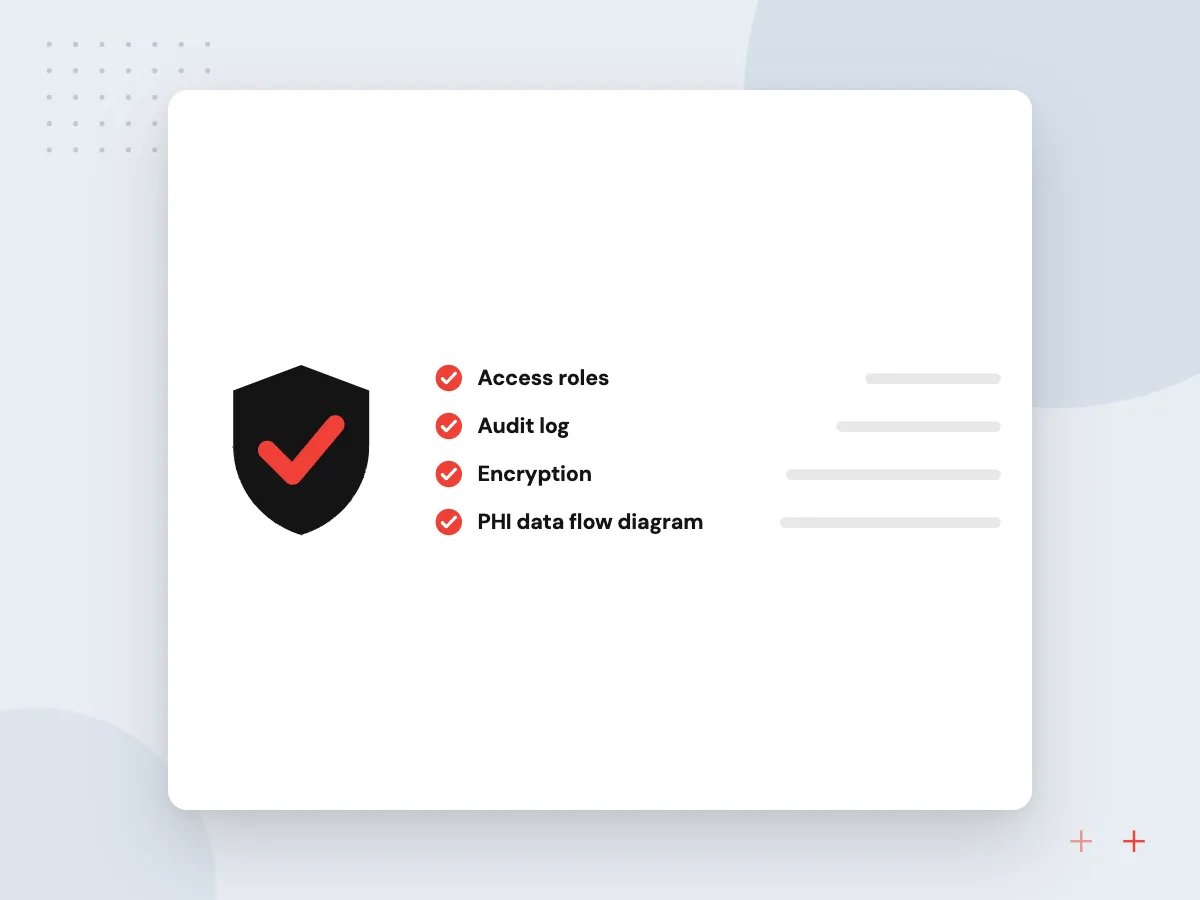
Before any build, we trace where protected health information would flow: which model vendor processes it, where logs live, who can open a draft. HIPAA requirements then set hosting, access and business associate agreements, agreed with your compliance lead first. Clinical content always goes to a licensed person for sign-off.
What we do
- PHI data flow diagram
- Vendor and BAA checklist
- Minimum necessary access by role
- Draft-only writes to the EHR
- Audit log of every AI output

How we approach a project
The federal HTI-1 rule added transparency requirements for AI and predictive algorithms inside certified health IT. We document tools built outside the EHR in the same spirit: what data they use, what they are for and where they fall short.
Our wider team has built for community health: Project 05 on our case studies page is a UK social prescribing platform. Smaller offices should see AI for medical practices, and our HIPAA and AI guide explains the planning questions in more depth.
How we work
- Administrative work only, never diagnosis
- The EHR remains the record
- A clinician signs every note
Our Process
-

Pick the queue and its owner
We choose one operational queue, such as referral faxes or denials, and name the manager accountable for its results.
-

Trace the PHI path
With your compliance lead, we document every system, vendor and log the data would touch and agree the safeguards.
-

Build drafts, not final writes
The first version only proposes: draft notes, suggested slots, sorted denials. Staff accept or correct each one.
-

Widen on review data
Correction rates and staff feedback decide whether the tool takes on more volume, more sites or a second queue.
Why Aranv for healthcare AI
Administrative scope, in writing
The statement of work lists what the AI may do and what it must never do, such as suggest a diagnosis, so scope cannot drift during the build.
Compliance lead in the room
Your privacy or compliance owner approves the data flow, vendors and logging plan before development and receives the same documentation at handover.
Drafts land where staff work
Suggestions appear inside the EHR inbox, billing work queue or scheduling screen, so staff do not switch to a separate AI tool.
Measured on corrections
We track how often staff change or reject AI drafts, by queue and by site, and use that record to decide what to fix next.
Planning AI Solutions for Healthcare?
Book a 30-minute conversation with the team that would build it.
Healthcare AI FAQs
-
Can AI be used for diagnosis in your projects?
No. We build administrative and operational tools: scheduling, intake, documentation drafts, billing support and staff search. Diagnosis and treatment stay with licensed clinicians, and software meant to inform clinical decisions can fall under FDA oversight, which is outside our scope.
-
Will the AI work with our EHR?
Usually, through the EHR’s published APIs or an integration engine. Write access is often limited and needs vendor approval. Where no API is available, we use scheduled exports, secure file drops or the work queues your staff already open each day.
-
Is healthcare AI HIPAA compliant?
Compliance depends on how the whole system is configured and run, not on one tool. When a project handles PHI, HIPAA requirements decide hosting, access controls and which vendors sign business associate agreements, and we settle those with your compliance lead before building.
-
How do clinicians review AI-drafted notes?
Drafts arrive in the EHR or a review screen marked unsigned. The clinician edits, accepts or discards each one, and nothing is final until they sign. We record which drafts were changed so the team can see where the model needs work.
-
What does a healthcare AI project cost?
Cost follows the number of systems involved, EHR access terms, document volume, hosting needs for PHI and the review screens required. After discovery we provide a phased written estimate that starts with a single queue.

Let’s talk about your next step
Contact Aranv to discuss your workflow, current tools, and goals. Meet with our team or send an inquiry.
Book a meeting with our team
Choose an available date and time for a 30-minute conversation about your project.
Tell us about your project
Share a few details so we can discuss a useful next step.
Prefer email? sales@aranv.com