


What Java development services include
Aranv provides Java development services for small and midsize US businesses: new Spring Boot APIs and back-office systems, upgrades of older Java and Spring applications to supported releases, and AI features added to the Java software your team already depends on.
Java suits applications that must run for many years, serve many users at once, or sit beside other Java systems such as an ERP or a message broker. For a small internal tool, a lighter stack is often cheaper, and we will tell you so.
Spring Boot development. Most new Java back ends we build use Spring Boot with Spring Data, Spring Security and a PostgreSQL or SQL Server database. We add Flyway migrations, integration tests on Testcontainers and container images. Systems split across teams are covered under microservices development.
How we take on a Java system
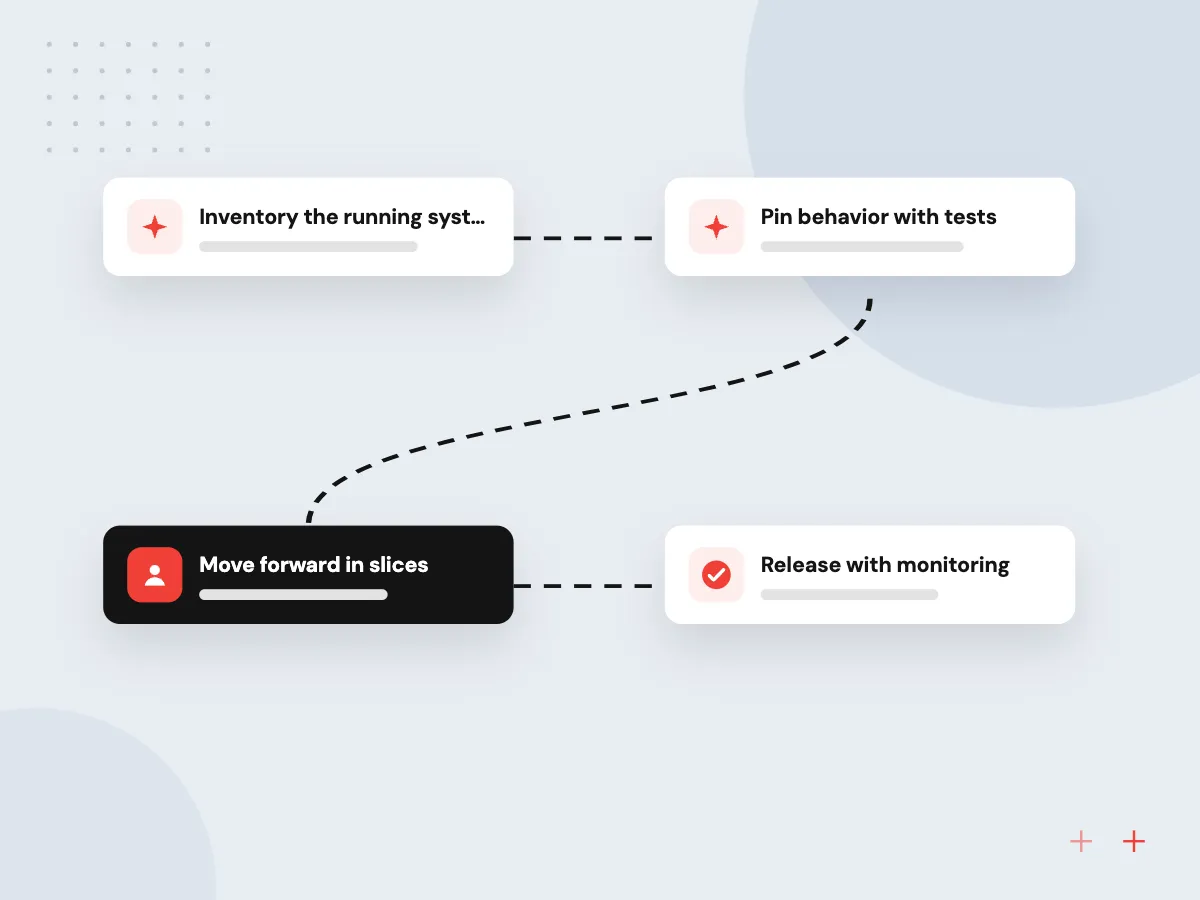
From aging code to a supported release
- 01 Inventory the running system We record Java and Spring versions, build tools, servers and every library in use.
- 02 Pin behavior with tests Integration tests capture what the app does today before anything changes.
- 03 Move forward in slices One module, one Java release or one new API advances at a time.
- 04 Release with monitoring Metrics, logs and health checks go live with each release, not afterward.
New builds skip the first two steps and begin from a written API and data design.
What we build with Java
Java runs many of the order, billing and scheduling systems inside midsize companies. Most of our Java work extends one of those systems or replaces part of it.
Spring Boot APIs
REST endpoints for mobile apps, partner portals and internal tools, with OpenAPI docs and role checks from Spring Security.
Java version upgrades
Applications on Java 8, 11 or 17 moved to Java 25, with removed APIs replaced and the build brought up to date.
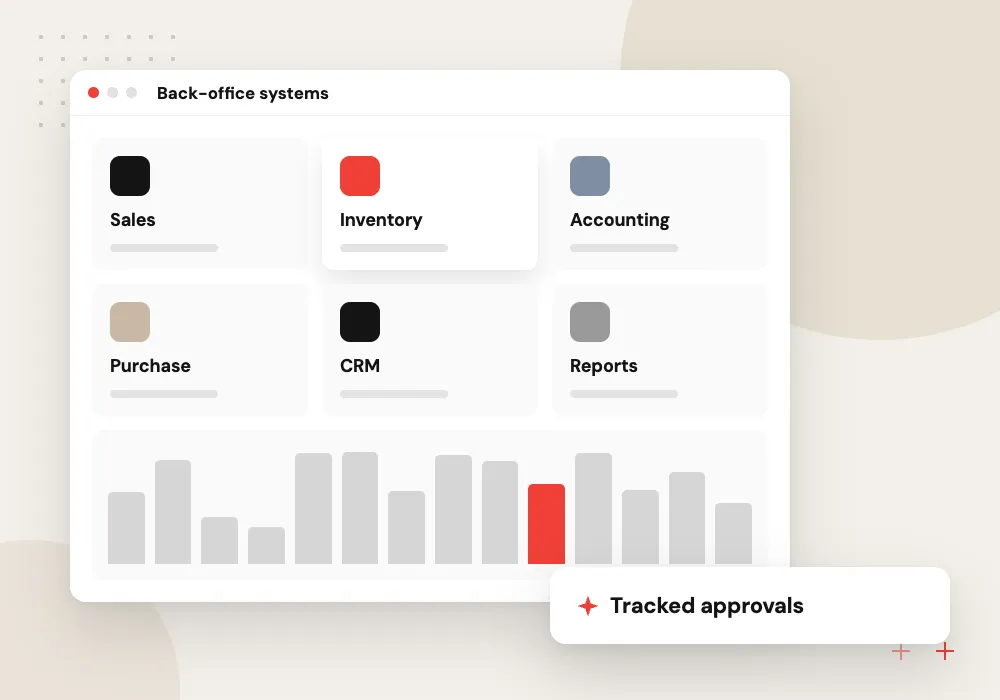
Back-office systems
Order handling, billing runs and approval queues on Spring Boot and PostgreSQL, with an audit trail on each record.
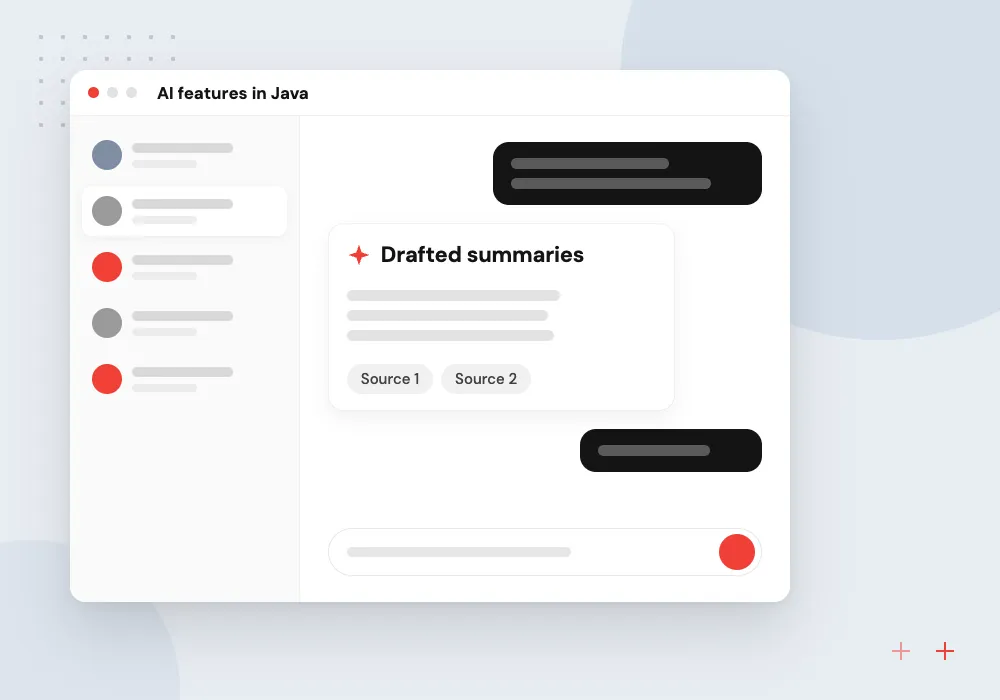
AI features in Java
Spring AI or LangChain4j calls a language model to summarize tickets, sort incoming documents or answer staff questions under your existing access rules.
Upgrading Java 8 and 11 applications
Older Java systems usually still work, which is why they get left alone. The cost shows up elsewhere: libraries that dropped the old runtime, servers nobody wants to touch and hires who never learned the old APIs. We move the application forward in steps while it stays in production.
What we do
- Dependency and runtime audit report
- Maven or Gradle build modernized
- javax to jakarta namespace change
- Spring Boot 2 to 4 path
- Container image and CI pipeline
- Regression suite run at each step
Adding language model features to Java
Java teams do not need a separate Python stack to use AI. Spring AI and LangChain4j give Java code clients for the main model providers, plus building blocks for retrieval and structured output. We put the model call behind your service layer, so permissions and logging apply as usual.
What we do
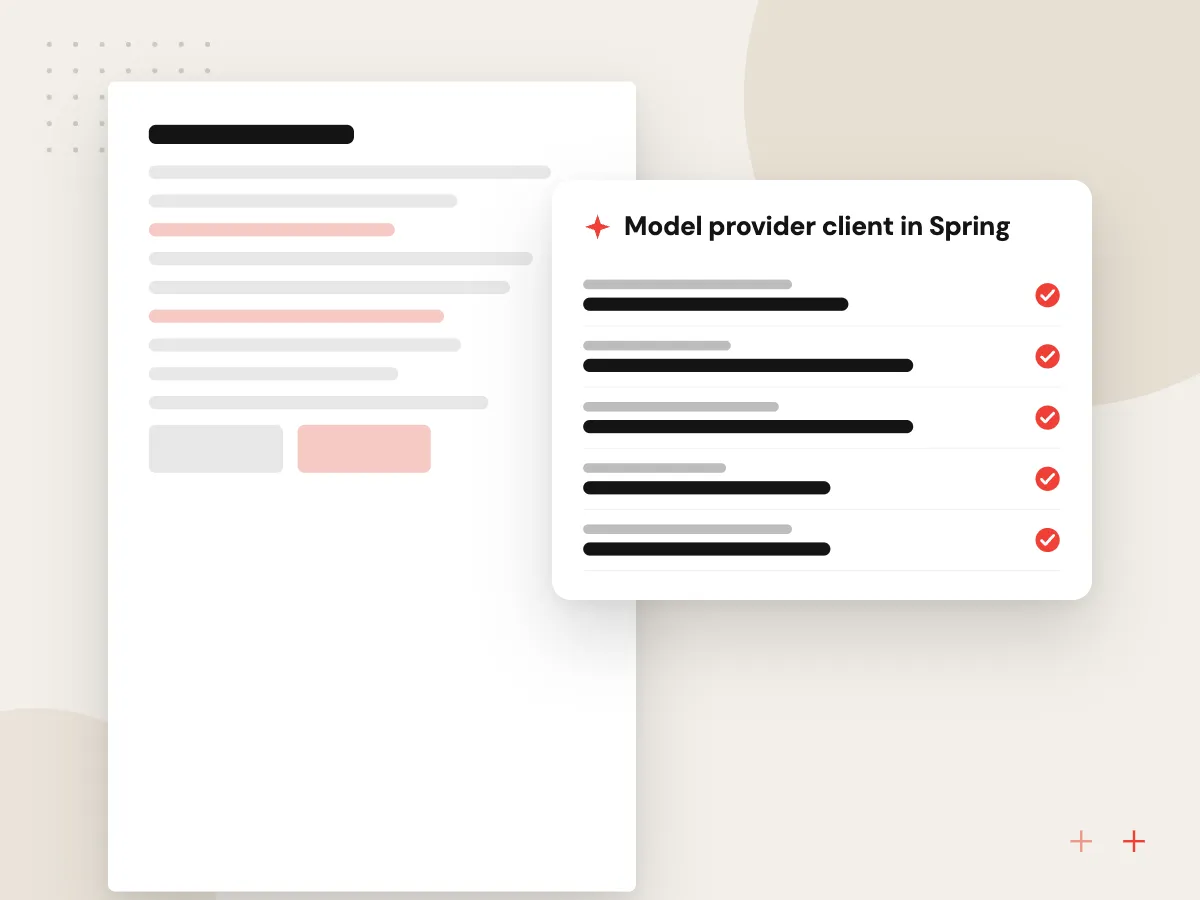
- Model provider client in Spring
- Retrieval over your own documents
- Structured JSON responses
- Prompt and response logging
- Test set scored before release

How we approach a project
Java modernization. Plenty of business software still runs on Java 8 or 11, on WebLogic or an old Tomcat, or on Spring Boot 2. Oracle’s Java SE support roadmap lists the dates for each release. We upgrade in order: build tool, then runtime, then frameworks, with OpenRewrite recipes handling bulk changes such as javax to jakarta imports. Bigger rebuilds follow our legacy application modernization approach.
Java services rarely stand alone. Our API integration work links them to CRMs and payment providers, and LLM integration covers the model side of AI features. The stacks we pair with Java are listed under all technologies.
How we work
- Supported LTS runtimes only
- Tests in place before upgrades
- Mainstream Spring libraries over niche ones
Our Process
-

Code and runtime audit
We read the build files, list Java, Spring and library versions, and scan dependencies for known flaws.
-

Choose target versions
We agree the Java LTS release, Spring Boot line and hosting, and note what each change involves.
-

Upgrade or build in sprints
Each sprint ships a tested slice to staging and ends with a short demo for your team.
-

Cut over and watch
We release with a rollback plan and compare error rates and response times against the old system.
Why Aranv for Java work
Upgrades without stopping work
Old and new versions run side by side in staging until tests and your key users agree they behave the same. Only then does production move.
Plans written as steps
You get a list of version moves, each with its own estimate and risk notes, so you can fund and schedule one step at a time.
Familiar code for the next developer
We choose widely used Spring libraries over niche ones, so whoever maintains the system next, our team or yours, recognizes the patterns.
AI behind your access rules
Model calls pass through the same security layer as the rest of the app, and logs show which user asked what and which records were sent.
Planning Java Development Services?
Book a 30-minute conversation with the team that would build it.
Java development FAQs
-
Should we build a new business system in Java?
Yes, if the system will live for years, needs many concurrent users or must connect to other Java software. Java has long-term support releases, a large hiring pool and mature monitoring tools. For a short-lived small app, Python or Node.js may cost less.
-
Which Java version should our applications run on?
A current long-term support release. Oracle lists Java 25 as its latest LTS and plans Java 29 as the next. Older runtimes still get patches from some vendors, but frameworks keep raising their minimum version, so each year an old runtime stays in place, the eventual upgrade gets bigger.
-
How long does a Java upgrade take?
That depends on the distance between versions, the number of outdated libraries and the tests already in place. Going from Java 17 to 25 is usually smaller than leaving Java 8, which often brings a Spring Boot and Jakarta change too. The audit ends with a phased plan and an estimate per phase.
-
Can you add AI features to our existing Java application?
Yes. We add a service, often built with Spring AI, that calls a language model through your chosen provider, sends only data the signed-in user may see and logs each request. Good first features are ticket summaries, document sorting and search across internal manuals.
-
Spring Boot or Jakarta EE: which should we use?
For most new projects we suggest Spring Boot for its wide library support and simple packaging. Jakarta EE fits when you already run an application server such as WildFly or Open Liberty and your team knows it well. Both run on current Java LTS releases.

Let’s talk about your next step
Contact Aranv to discuss your workflow, current tools, and goals. Meet with our team or send an inquiry.
Book a meeting with our team
Choose an available date and time for a 30-minute conversation about your project.
Tell us about your project
Share a few details so we can discuss a useful next step.
Prefer email? sales@aranv.com