


What AI for fintech includes
Aranv builds AI for fintech companies: KYC and KYB document review, support and dispute intake, fraud signal models and reconciliation matching. We work with your ledger, processors and sponsor bank reporting, keep card and account numbers out of model prompts where possible, and leave final decisions with your operations and compliance teams.
Fintech stacks usually combine an identity verification vendor, a ledger, one or more payment processors, sponsor bank reporting feeds, a helpdesk and a data warehouse. We connect AI to those systems through their APIs and event streams, and our fintech software development team builds the surrounding product when needed.
Onboarding is a common starting point, and our AI KYC verification page covers identity and business document review in depth. Customer-facing work follows the patterns on our customer service automation page, with extra rules for disputes and account access.
One payment dispute, handled with AI
From customer complaint to resolved dispute
- 01 Complaint arrives A chat, email or call is recognized as a possible error notice and timestamped.
- 02 Evidence gathered Transaction, device and merchant data are pulled into one case view.
- 03 Draft outcome prepared The AI summarizes the evidence and drafts the customer letter for an analyst.
- 04 Analyst decides The analyst approves, edits or escalates while deadlines are tracked throughout.
Regulatory clocks start when a notice arrives, so intake timestamps matter as much as the model.
Fintech AI development across operations
Fintech teams add customers faster than they add operations staff. These four areas are where AI keeps compliance and support queues under control.
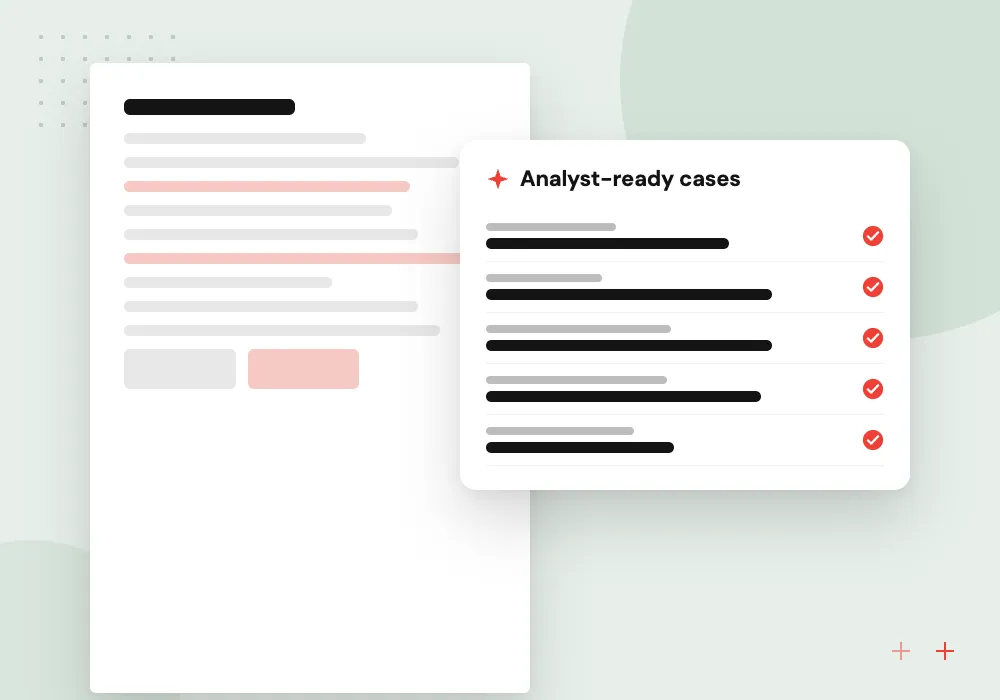
KYC and KYB review
Reads IDs, formation documents, EIN letters and ownership details, compares them with the application and sends mismatches to an analyst with the evidence attached.
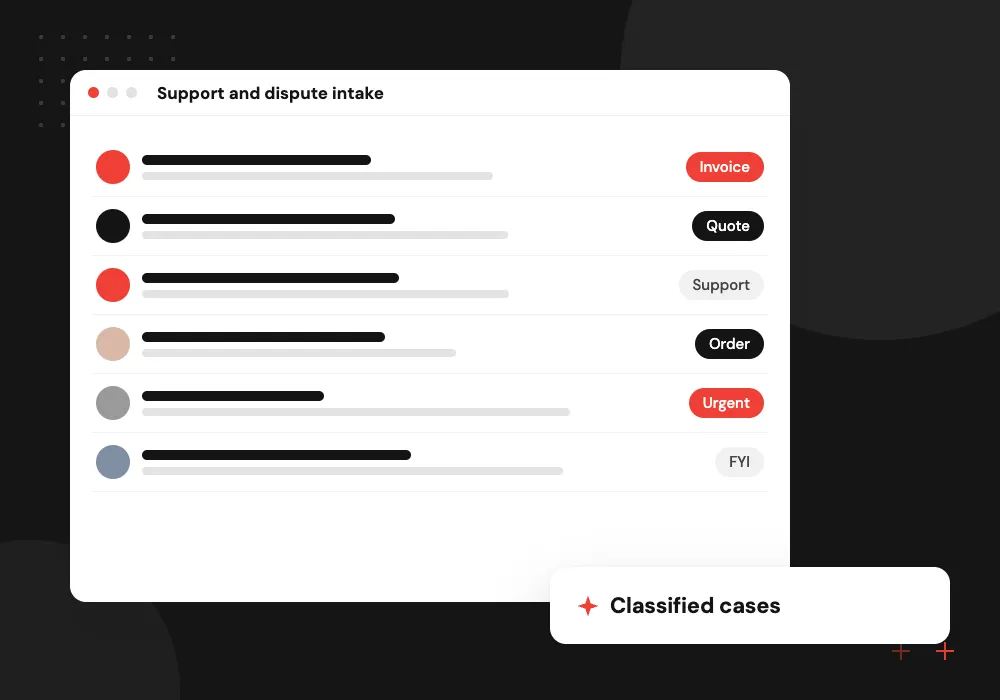
Support and dispute intake
Classifies messages into disputes, account access, payment status and general questions, starts the right timers and drafts replies from your help center.
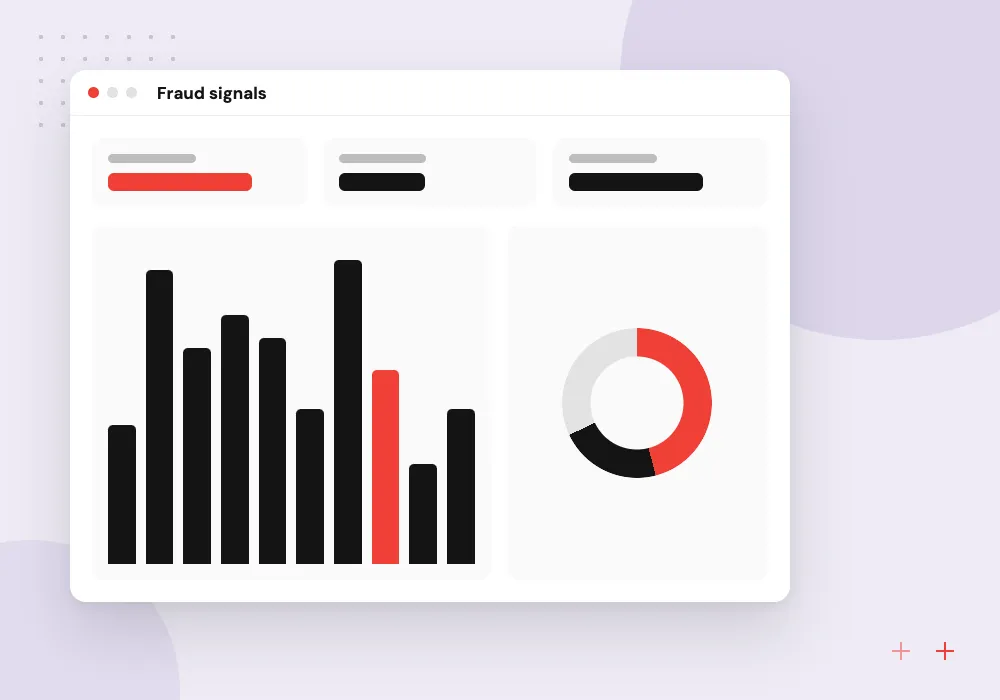
Fraud signals
Machine learning scores on transactions and new accounts, with plain-language case summaries so analysts see why an alert fired before they act.
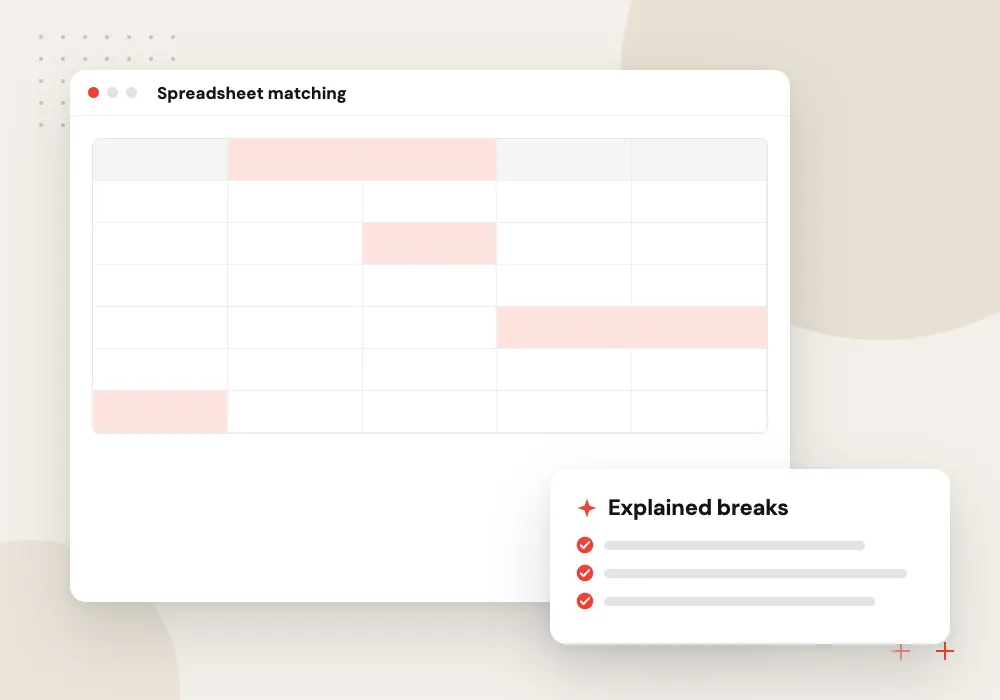
Reconciliation matching
Matches processor settlement files, bank statements and ledger entries, proposes matches for breaks and explains each difference for finance to approve.
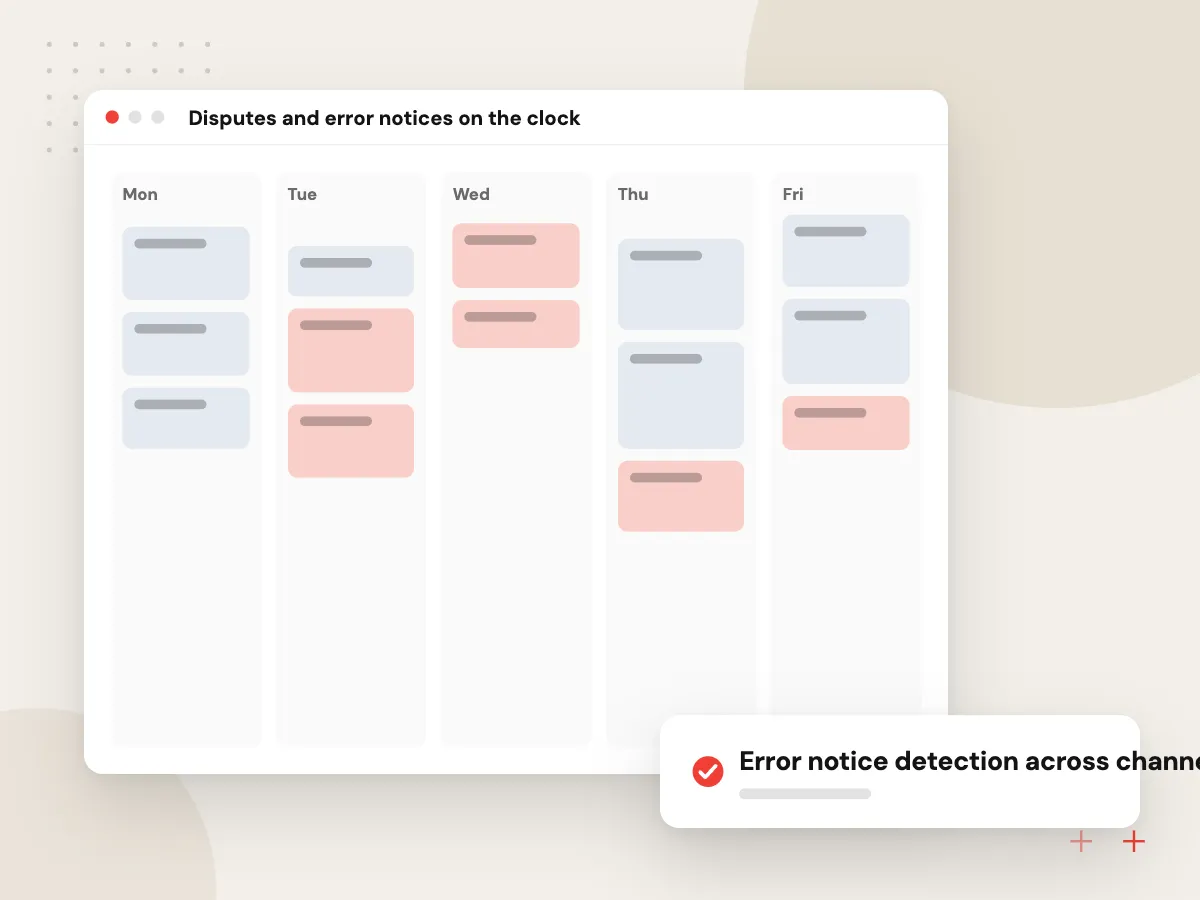
Disputes and error notices on the clock
For accounts covered by Regulation E, a consumer’s error notice starts investigation and notice deadlines. We build intake that recognizes error notices in any channel, records when they arrived, gathers the transaction evidence and drafts provisional credit and results letters, so analysts spend their time on the decision.
What we do
- Error notice detection across channels
- Deadline timers per case
- Evidence pack per transaction
- Draft provisional credit letters
- Weekly aging report for compliance
Regulated data, handled deliberately
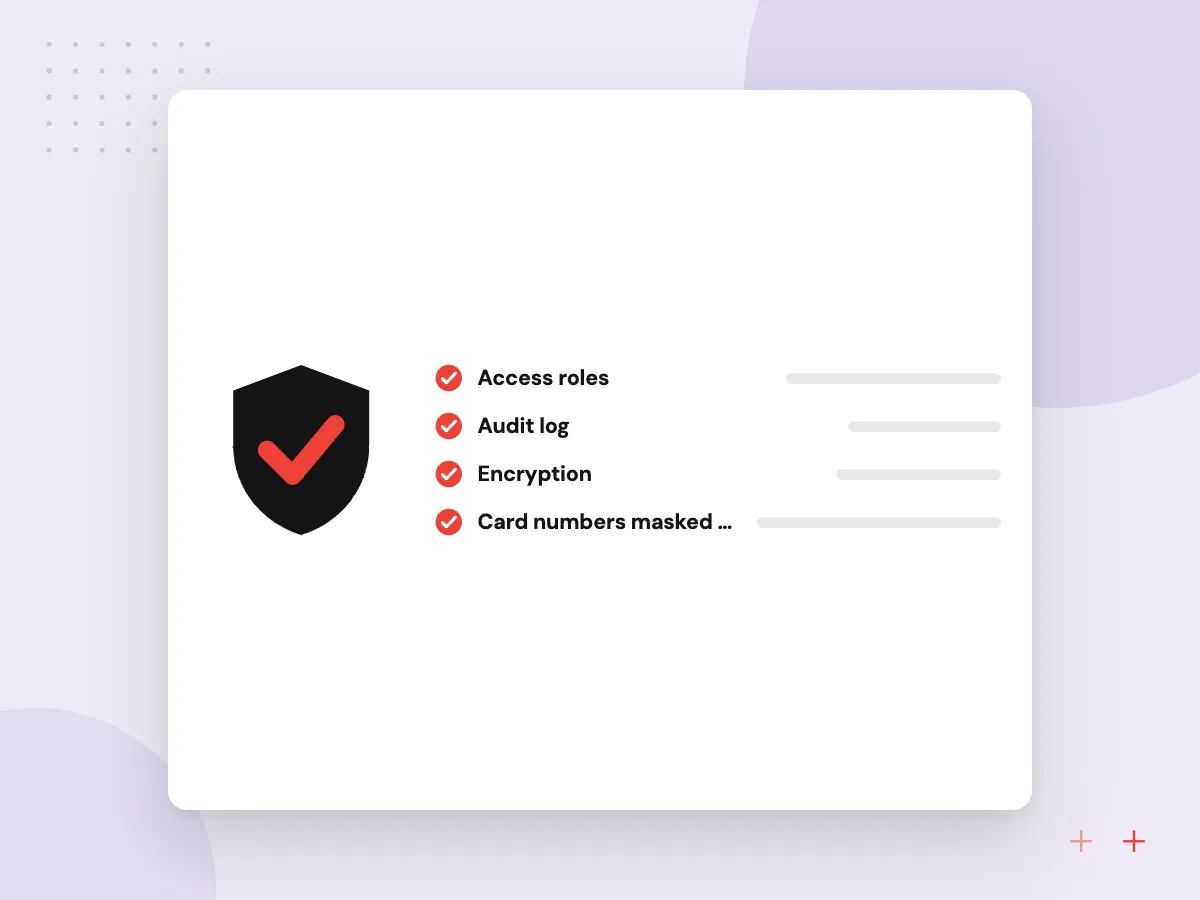
Fintech data sits under several regimes at once: GLBA privacy rules, PCI DSS for card data, sponsor bank contracts and state licensing conditions. We mask account and card numbers before model calls, keep logs in your cloud, and document data flows for your compliance team and partner bank.
What we do
- Card numbers masked before model calls
- Data flow diagrams for bank partners
- Separate access per environment
- Prompt and output logging
- Vendor terms barring training on data

How we approach a project
Fraud and risk scoring is mostly classical machine learning rather than generative AI: models trained on your labeled outcomes, monitored for drift and explained to analysts. Ledger and settlement checks are covered under AI anomaly detection.
The error resolution timelines a dispute tool has to track come from Regulation E, section 1005.11. If you work through a sponsor bank, our page on AI for banks and credit unions shows the documentation banks tend to ask for.
How we work
- Regulatory clocks tracked automatically
- Card data kept out of prompts
- Analysts own every final decision
Our Process
-

Map the regulated flows
We trace where customer, card and account data move, and which rules and partner contracts apply to each.
-

Choose one queue with a clock
We start where deadlines or volume hurt most, such as disputes or KYB reviews, and set targets with operations.
-

Run in shadow mode first
The AI works beside analysts on live cases without acting, so we can compare its output with their decisions.
-

Go live with thresholds
Confidence thresholds decide what is drafted automatically, what is queued for review and what is left alone.
Why Aranv for fintech AI
Deadlines built into the design
Timers for disputes, reviews and partner reports are part of the first release, so nothing waits silently in a queue.
Alerts that explain themselves
Every fraud or risk score arrives with the factors behind it, so analysts can defend a decision to a customer or bank partner.
Shadow testing before action
Models prove themselves against analyst decisions on live cases before they draft or route anything on their own.
Your cloud, your logs
Prompts, outputs and model versions are logged in your environment, ready for audits by your bank partner or regulators.
Planning AI for Fintech?
Book a 30-minute conversation with the team that would build it.
Fintech AI FAQs
-
Can AI approve or decline customers?
We design tools that recommend and explain, while your analysts approve or decline, especially for onboarding, credit and dispute outcomes. That keeps adverse decisions reviewable and easier to explain to a sponsor bank or an examiner.
-
How do you keep card and account data safe?
Card and account numbers are tokenized or masked before any model call where possible, logs stay in your cloud and access follows your roles. We document the data flows so your PCI and compliance owners can review them.
-
Do we need generative AI or machine learning?
Often both. Machine learning models score fraud and risk from your historical outcomes; language models read documents, classify messages and draft letters. We recommend the simplest method that meets the need of each queue.
-
Will this meet our sponsor bank’s requirements?
We build to the oversight terms in your program agreement and supply records of purpose, data, testing and human review. Final acceptance sits with your bank partner, so we bring them in early.
-
What does fintech AI development cost?
Cost depends on the queue chosen, data access across vendors, model type, hosting and the evidence your compliance team and bank partner require. We start with one queue and estimate in phases after discovery.

Let’s talk about your next step
Contact Aranv to discuss your workflow, current tools, and goals. Meet with our team or send an inquiry.
Book a meeting with our team
Choose an available date and time for a 30-minute conversation about your project.
Tell us about your project
Share a few details so we can discuss a useful next step.
Prefer email? sales@aranv.com