


What AI in agriculture includes
Aranv builds software that puts AI in agriculture to practical use for farms, cooperatives, crop consultants and agribusinesses: field records captured by voice or photo, equipment service alerts, crop imagery screening and compliance paperwork prepared from data you already collect, with growers and agronomists making the calls.
Most operations already use a farm management platform, equipment telematics, an accounting package and spreadsheets for the rest. We connect to what you have and add AI where data is unstructured: voice notes, photos, scanned forms and machine logs. Farm management and traceability software is covered on our agriculture software development page.
Crop imagery work uses computer vision development, trained and tested on images from your own fields and crops. Where signal is weak, models can run on the phone or a field device through edge AI development and sync results later.
How a field observation becomes a record
From the field edge to a filed record
- 01 Scout speaks and snaps A scout records a voice note and photos at the field edge, even offline.
- 02 Record structured AI turns the note into field, crop stage, pest, severity and next-step fields.
- 03 Agronomist reviews The agronomist confirms the identification and approves or edits the recommendation.
- 04 Record filed and shared The entry joins the field history and feeds application and compliance records.
Photos and notes sync when the phone regains signal, so nothing is lost in a dead zone.
Farm AI for records, equipment and crops
Farm data is scattered across equipment displays, notebooks, phone photos and paper forms. These projects pull it into one place and add AI where the data is messiest.
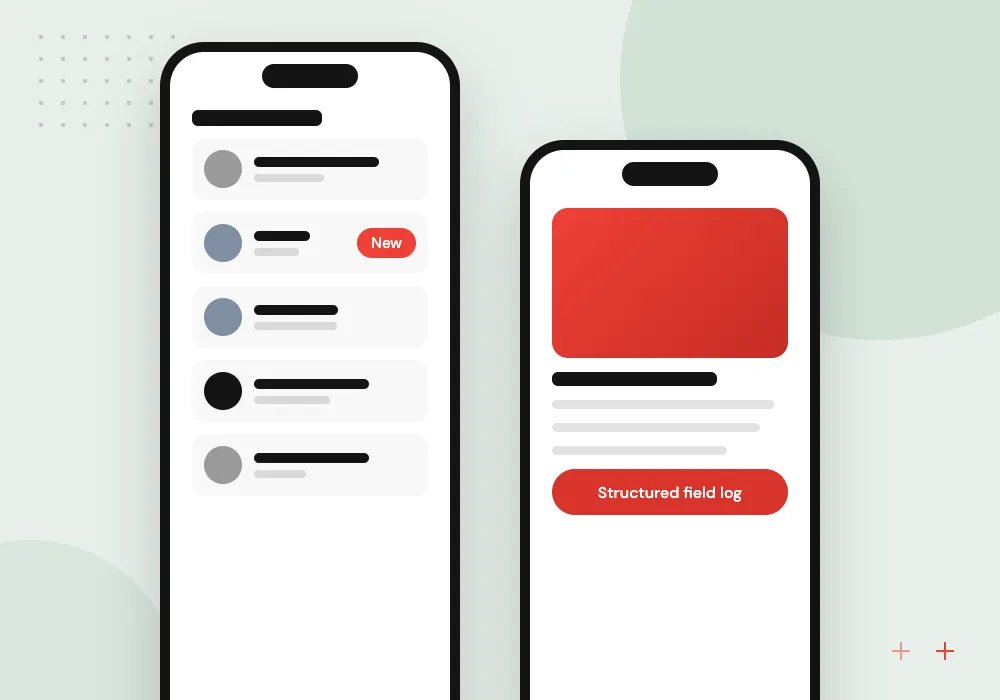
Voice and photo field records
Scouts and operators describe what they see, and the app files structured notes against the right field, crop and date for later reports.
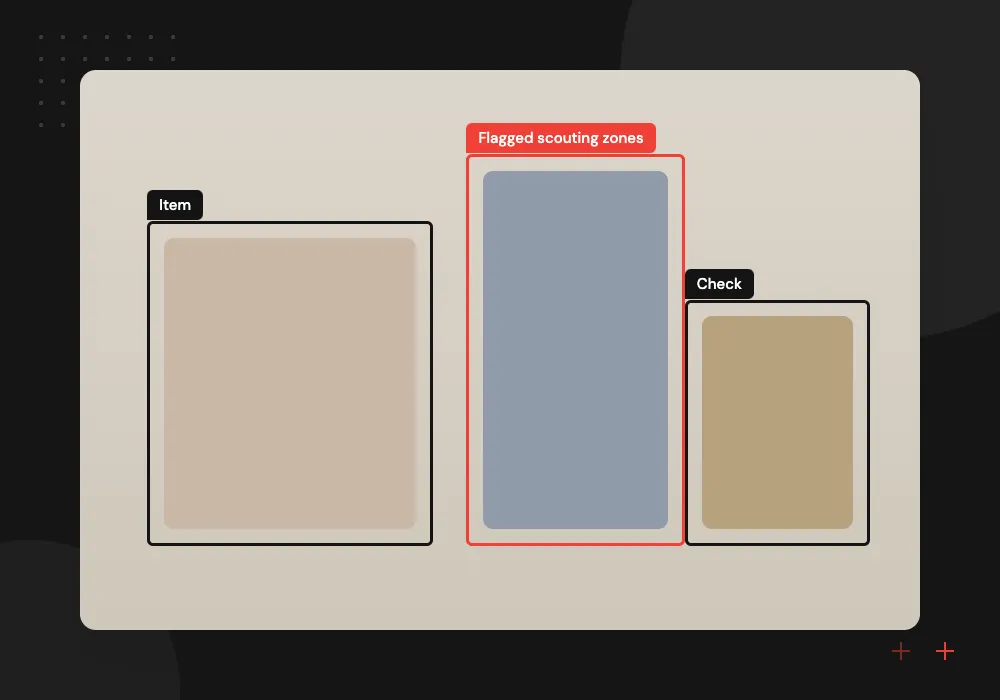
Crop imagery screening
Drone, satellite or phone images are screened for stand gaps, weed pressure or disease signs, and suspect areas are flagged for a scout to visit.
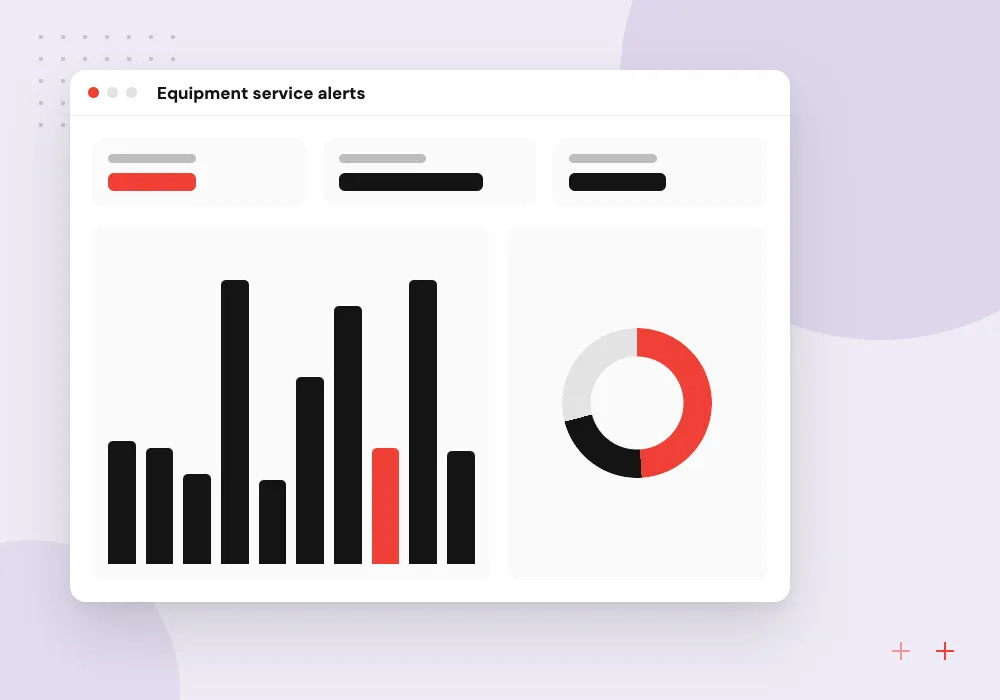
Equipment service alerts
Engine hours, fault codes and repair records from tractors, combines and irrigation pumps are combined to suggest service before the busy season.
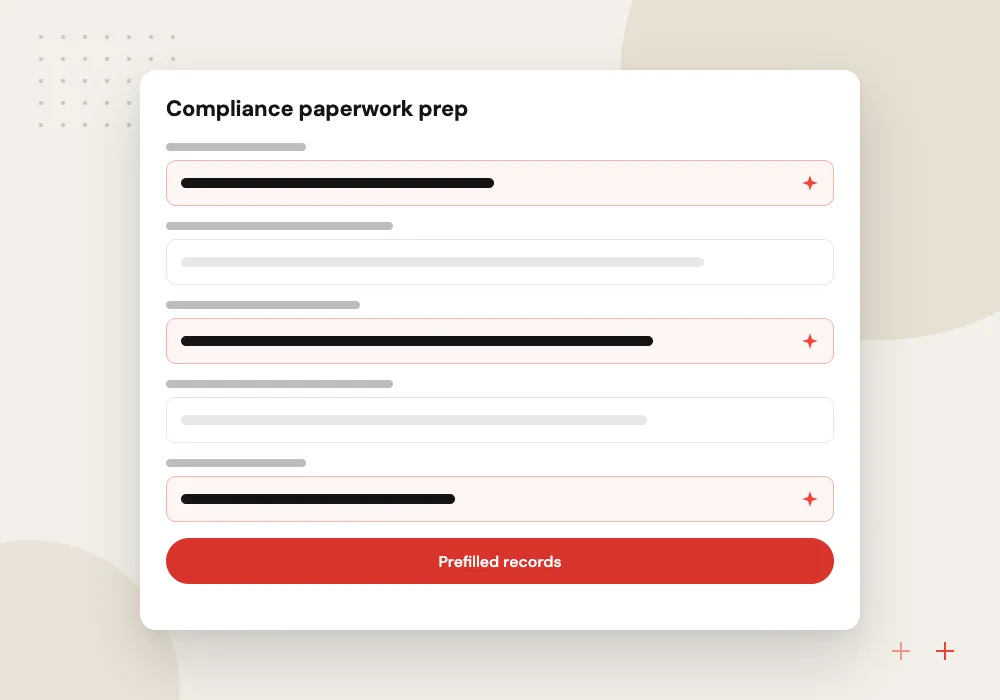
Compliance paperwork prep
Application records, worker training logs and program forms are drafted from the field log, so the office checks figures instead of retyping them.
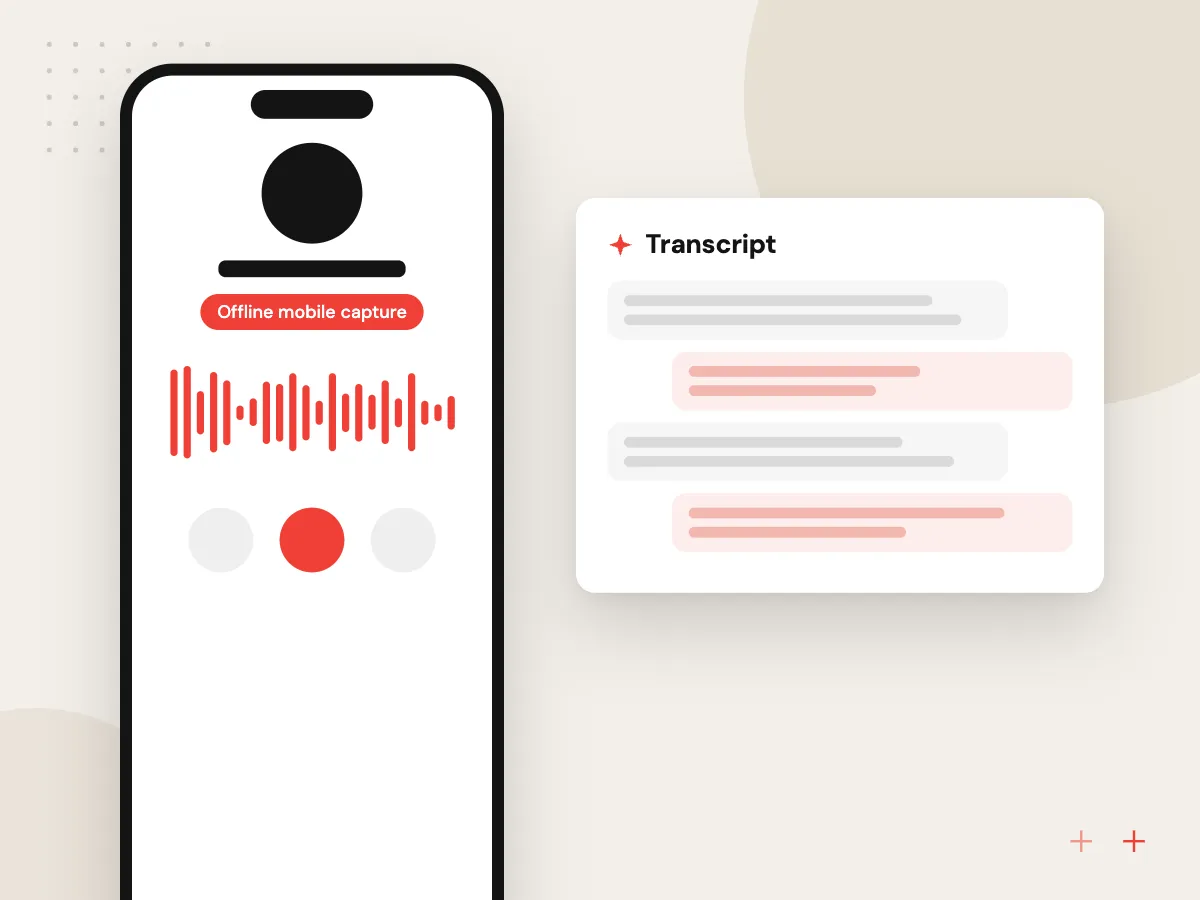
Field records by voice and photo
Scouts, crop consultants and operators record observations the way they already talk. The app turns a voice note and photos into a structured record with field, crop stage, issue, severity and next step, and it works offline at the field edge. Agronomists review entries before they feed reports or recommendations.
What we do
- Offline mobile capture
- Voice note to structured fields
- Photo tagging by field and date
- Agronomist review queue
- Exports to your farm platform
Imagery checks, data rights and review
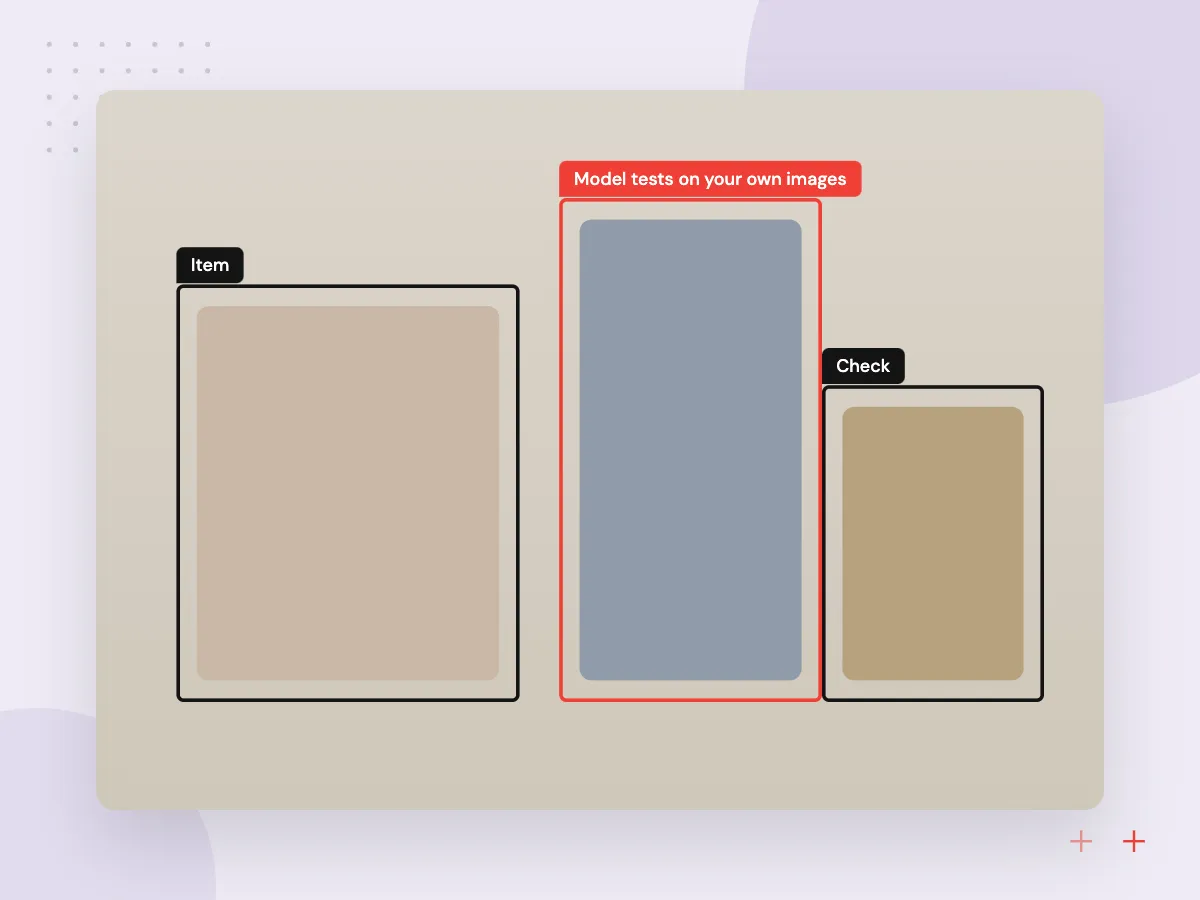
Image models learn from your crops and conditions, so we test them on held-back photos from your own fields before anyone relies on them. Every flag is a suggestion for a scout to check. We also document who owns each data stream, from telematics to yield maps, before connecting it.
What we do
- Model tests on your own images
- Flags routed to scouts first
- Data ownership map by vendor
- Access by farm, field and role
- Season-end accuracy review
How we approach a project
Equipment alerts follow the pattern of AI predictive maintenance: engine hours, fault codes and repair history point to likely problems before planting or harvest. Application records, seed tags and program forms are sorted by AI document classification and read with AI document processing, with office staff checking every figure.
Contracts state that field, yield and equipment data belong to you, and we read each equipment or platform vendor’s data terms before connecting. Growers can schedule a 30-minute call, ideally in the off-season, using our online contact form.
How we work
- Agronomists confirm every recommendation
- Built for weak field signal
- Your farm data stays yours
Our Process
-

Plan around the season
Discovery and testing happen in slower months, away from planting and harvest.
-

Gather images and records
Past scouting photos, field logs and equipment history become the test set for each model.
-

Trial on a few fields
The tool runs on a handful of fields or machines while agronomists mark wrong calls.
-

Scale to the operation
After a season of feedback, we extend to more fields, crops or locations.
Why growers work with Aranv
Built for the field
Apps save notes and photos offline, use large buttons for gloved hands and sync once the truck is back in signal range.
Agronomists stay in charge
AI flags problems and drafts records, while identifications, recommendations and spray decisions are confirmed by the person who holds the license or the knowledge.
Seasonal planning
Discovery, testing and launches are scheduled around planting and harvest, so nobody learns new software during the busiest weeks.
Connects what you already run
We work with your current farm platform, telematics and accounting tools instead of moving the whole operation to a new system.
Planning AI in Agriculture?
Book a 30-minute conversation with the team that would build it.
Agriculture AI FAQs
-
How is AI used in agriculture today?
Mostly for record and monitoring work: turning voice notes and photos into field records, screening drone or satellite images for problem areas, flagging equipment issues from engine data and preparing paperwork from logs. Spraying, planting and harvest decisions stay with growers and agronomists.
-
Does farm AI work without cell coverage?
It can. We build the field app to save notes, photos and forms offline and sync when signal returns. Simple image models can run on the phone itself, while heavier analysis runs in the cloud after upload.
-
Can AI identify crop diseases from photos?
It can flag likely problems such as leaf spots, weed patches or uneven stands, but accuracy depends on training images from similar crops, regions and growth stages. We treat each flag as a prompt for a scout or agronomist to check, not a diagnosis or a spray recommendation.
-
Who owns the data from our fields and equipment?
You do, under our contract. We also review the terms of your equipment, telematics and farm platform vendors, since some limit how data can be exported or shared, and we raise unclear terms before building a connection.
-
Is AI worth it for a family farm?
It depends on where the hours go. Most U.S. farms are family operations, so useful projects tend to be narrow: voice-to-record field logs, invoice and seed tag reading or service reminders. A short discovery shows whether time saved covers build and running costs before you commit.
-
What should a farm prepare before a first project?
One person who knows the operation, access to your farm management and equipment platforms, a sample of field records, photos and forms, and time for a few test sessions outside the busiest weeks.

Let’s talk about your next step
Contact Aranv to discuss your workflow, current tools, and goals. Meet with our team or send an inquiry.
Book a meeting with our team
Choose an available date and time for a 30-minute conversation about your project.
Tell us about your project
Share a few details so we can discuss a useful next step.
Prefer email? sales@aranv.com