


What agriculture software development covers
Aranv provides agriculture software development for US farms, grower cooperatives, packers, ag retailers and agtech startups: farm management software, offline field apps for scouting and spray records, links to equipment and sensor data, and AI that reads farm paperwork and crop photos, so field, office and buyer records agree.
Farm software must work in a cab, a packing shed or a field with one bar of signal. Our mobile app development team builds field apps that store records on the device and sync later, plus office tools that turn them into costs per field and crop. When inventory, sales and accounting belong in one place, custom ERP development or Odoo can be the base.
Most newer tractors, combines and sprayers send data to their maker’s cloud platform, and several makers, John Deere among them, run developer programs for those platforms. ISOBUS, defined in ISO 11783, is the shared standard for tractor and implement communication. We combine these feeds with soil probes and weather stations through IoT development so readings line up with the right boundary and crop year.
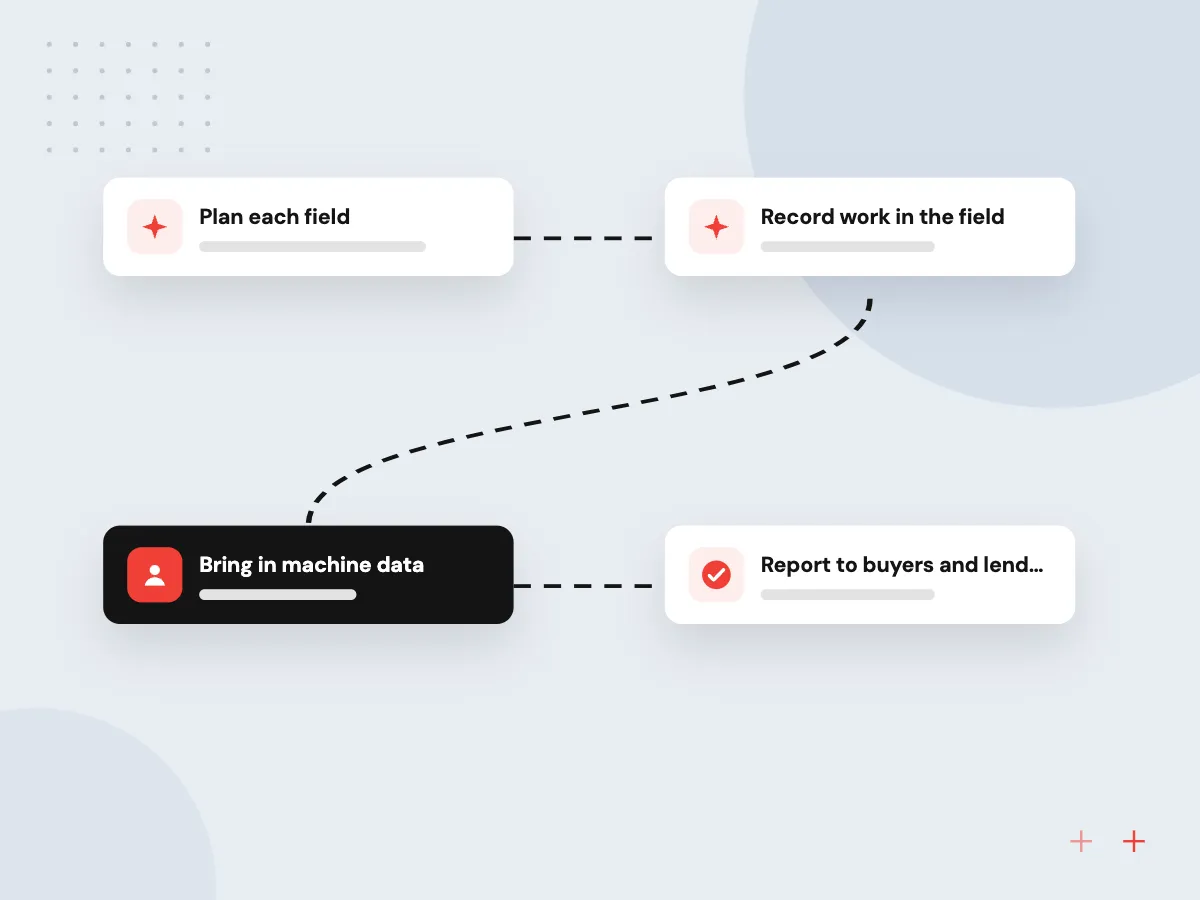
How a field record travels from the cab to the buyer
One field, one connected record
- 01 Plan each field Crop, variety, inputs and target yield are set against the field boundary.
- 02 Record work in the field Crews log scouting, spraying and irrigation on phones, even without signal.
- 03 Bring in machine data Yield and as-applied maps arrive from equipment platforms and match the field.
- 04 Report to buyers and lenders Costs, lot history and harvest totals come from the same records.
We connect the systems you already use before suggesting anything new.
Farm management software and agtech development
Plenty of operations still run on pocket notebooks, equipment portals, a grain buyer’s website and an accounting package. These builds tie them together.
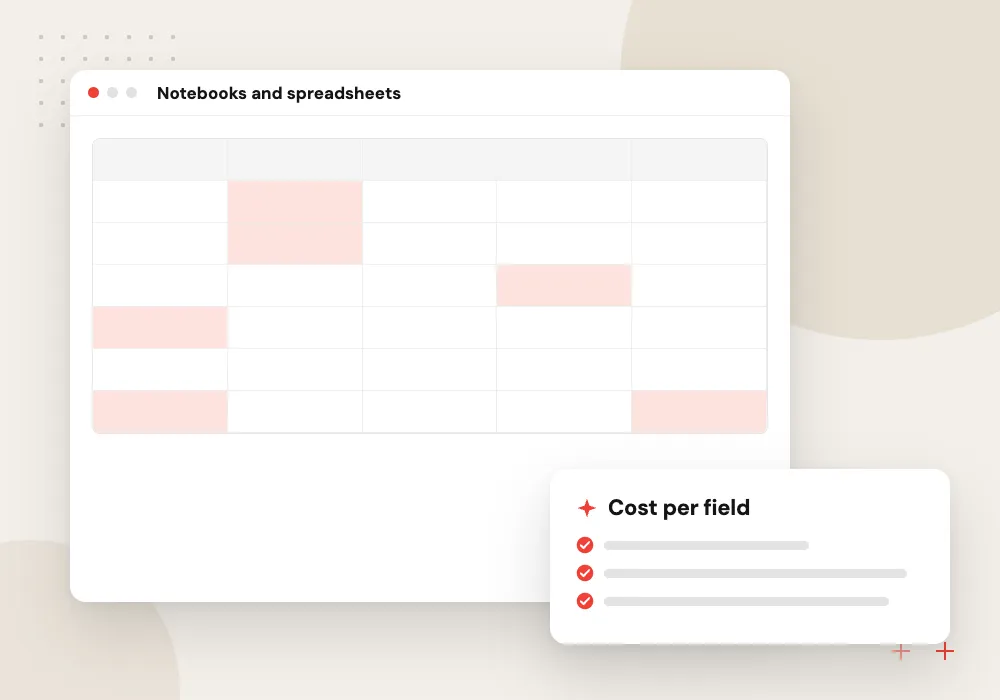
Farm management software
Fields, crops, inputs, labor hours and harvest records in one system, showing cost per field instead of a single total in the ledger.
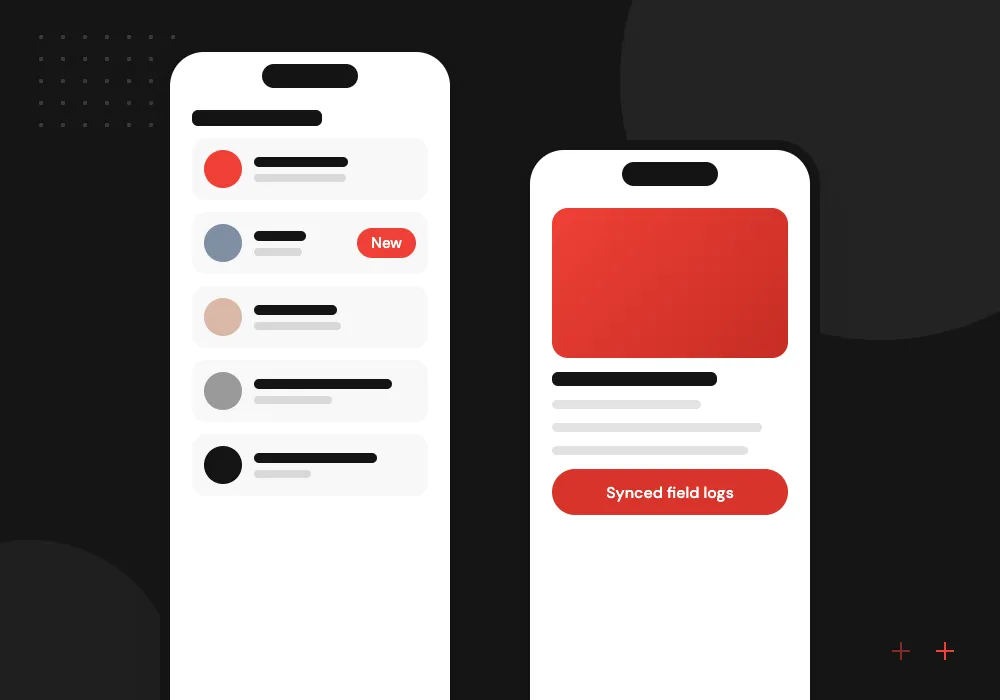
Offline field apps
Scouting notes, spray and irrigation logs and photos captured on a phone with no signal, then synced once the truck is back in range.
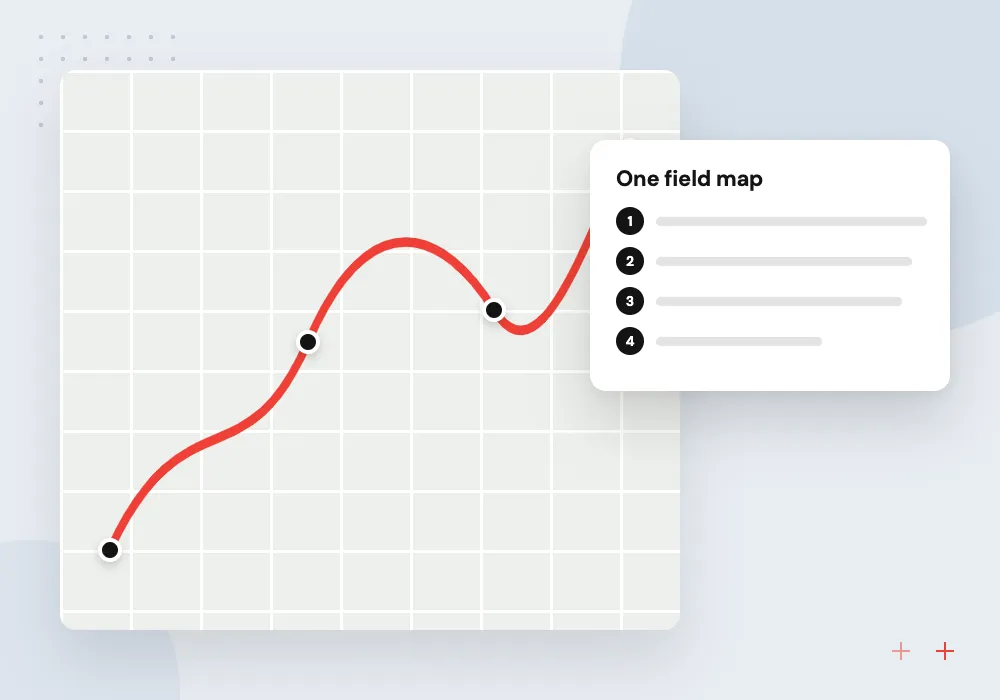
Equipment and sensor links
Yield maps, as-applied files, soil probes and weather stations brought in from machine platforms and gateways, matched to the right field.
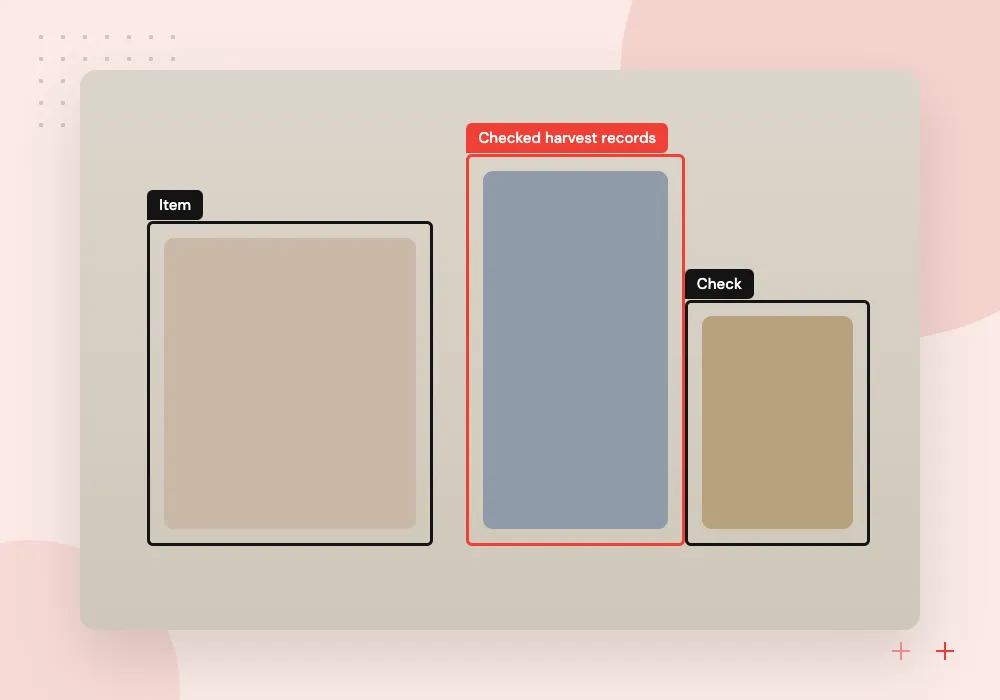
AI for crop records
Pest and disease photos sorted for an agronomist, scale tickets and seed invoices read automatically, and harvest estimates from field history.
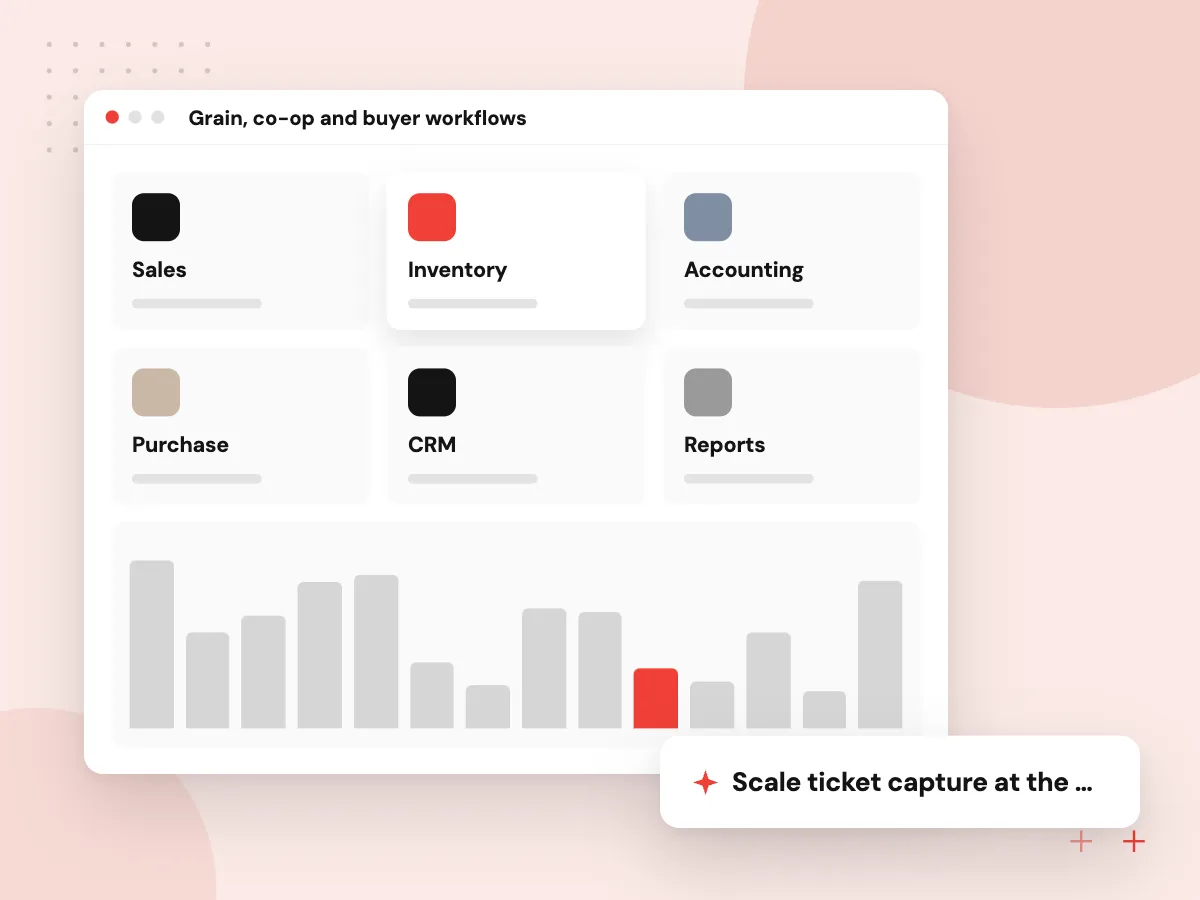
Grain, co-op and buyer workflows
Elevators, co-ops and packers handle the same delivery several times: at the scale, in the contract file, on the settlement and in accounting. We build one flow from scale ticket to grower payment, with a portal where growers check deliveries and balances.
What we do
- Scale ticket capture at the pit
- Contract and delivery tracking
- Settlement statements for growers
- Grower portal with balances
- Exports to your accounting system
Lot traceability from field to buyer
When a buyer or auditor asks where a lot came from, the answer should take one search. We link harvest lots to fields, inputs and spray history, then follow them through cooling, packing and shipment.
What we do
- Lot codes from harvest onward
- Spray and input history per lot
- Tracking events with key data
- Recall lookups by field and date
- Audit reports from entered records
How we approach a project
AI is useful on a farm when a clear record sits behind it. Computer vision sorts photos of leaves, traps or fruit for an agronomist to confirm, document AI reads scale tickets and soil lab reports, and forecasting estimates harvest volumes from yield history and weather. Our page on AI in agriculture covers these uses in more depth.
Buyers, auditors and lenders all ask for records. FDA’s Food Traceability Rule requires covered businesses that manufacture, process, pack or hold foods on its Food Traceability List to keep key data elements for set tracking events. We build those records into daily work, so reports come from data crews already entered.
We work with farms and agribusinesses across the US by video. Choosing the crop to start with takes one 30-minute conversation; the booking form sits on our contact page.
How we work
- Records saved offline first
- Every reading tied to a field
- Releases planned around the season
Our Process
-

Trace one crop cycle
We follow one field from planting plan to sale, listing every notebook, portal and spreadsheet that touches it.
-

Gather real sample records
Scale tickets, spray logs, equipment exports and invoices are collected so screens match the formats crews use.
-

Pilot before the busy season
A small crew tries the field app during a quieter stretch, so fixes land before planting or harvest.
-

Add fields, crews and feeds
More fields and machine connections come on next, then reports for buyers, lenders and auditors.
Why growers work with Aranv
Offline is the default
Field apps save every record on the device first and sync later, because signal at the far end of a farm is never certain.
Your season sets the schedule
Releases are planned around planting and harvest, so crews are not learning new screens in the busiest weeks.
Data matched to fields
Machine, sensor and lab data are tied to field boundaries and crop years, so reports compare like with like.
Agronomists make the calls
AI flags photos and drafts estimates, while decisions on spraying, harvest timing and pricing stay with your agronomist or manager.
Planning Agriculture Software Development?
Book a 30-minute conversation with the team that would build it.
Agriculture software FAQs
-
What does custom farm management software cost?
Cost follows scope: how many crops or enterprises you track, whether field apps must work offline, which equipment and sensor platforms to connect, the number of users and how many years of records to bring in. We estimate in stages after a short discovery.
-
Should we buy farm management software or build our own?
A packaged product is the better choice if it covers your crops and reports and connects to your equipment. Build when you grow specialty crops, run packing or co-op workflows, sell under contracts the product cannot model, or need several tools to share data. Many operations combine the two.
-
Can you pull data from John Deere Operations Center or other equipment platforms?
Often, yes. Several machinery makers offer developer access to their cloud platforms, which needs the farm’s permission and sometimes the maker’s approval. Where no API fits, we import standard files such as shapefiles or ISOXML task data.
-
Will a field app work without cell service?
Yes, if it is designed that way from the start. Our field apps save every entry and photo on the device, sync when a connection returns and flag any record two people changed at once, so nothing typed in a dead zone is lost.
-
Who owns the farm data in the software you build?
You do, under the contract we agree before work starts. Equipment platforms and input suppliers have their own data terms, so we review them before connecting and tell you what each platform keeps.

Let’s talk about your next step
Contact Aranv to discuss your workflow, current tools, and goals. Meet with our team or send an inquiry.
Book a meeting with our team
Choose an available date and time for a 30-minute conversation about your project.
Tell us about your project
Share a few details so we can discuss a useful next step.
Prefer email? sales@aranv.com