


What IoT development services include
Aranv offers IoT development services for US manufacturers, equipment makers and operations teams: device connectivity, cloud data pipelines, dashboards and mobile apps that turn sensor and machine readings into alerts, maintenance tasks and reports people act on.
An IoT system has four layers: the device, the connection, the cloud platform and the apps people use. We usually work with your hardware team or device maker on the first layer and build the rest as custom software, starting with how devices identify themselves, send data and receive commands. MQTT is a common messaging choice, and OASIS publishes the MQTT 5.0 specification.
On the cloud side we build on managed services such as AWS IoT Core or Azure IoT Hub, or on a lighter broker and time-series database when the fleet is small. Our cloud computing team handles hosting, scaling and cost controls.
From sensor reading to action
How connected device data flows
- 01 Device sends a reading Sensors or controllers publish readings over MQTT, HTTPS or through a gateway.
- 02 Cloud receives and stores The platform authenticates each device and stores readings as time series.
- 03 Rules and models check Thresholds and AI models flag readings that need a person’s attention.
- 04 People act on it Alerts, work orders and dashboards reach the right person on web or phone.
Each device has its own identity and credentials, so a lost or compromised unit can be cut off without touching the rest.
Connected device software we build
IoT projects tend to start with a question someone answers today by walking over and looking.
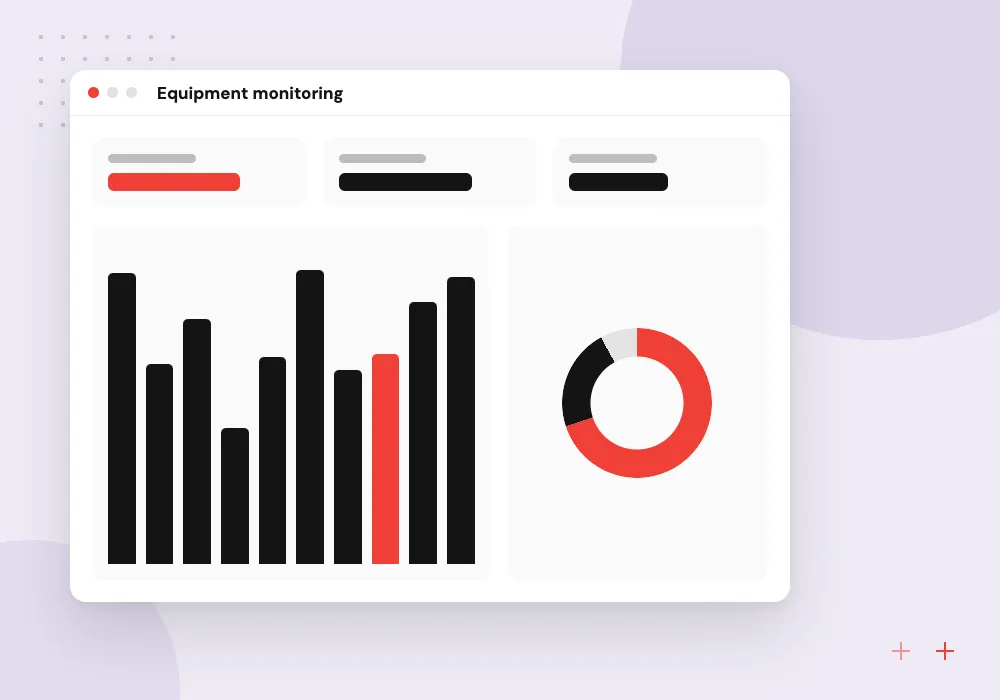
Equipment monitoring
Temperature, vibration, pressure or run-time data from machines, freezers or pumps, with alerts to the person on shift when readings drift.
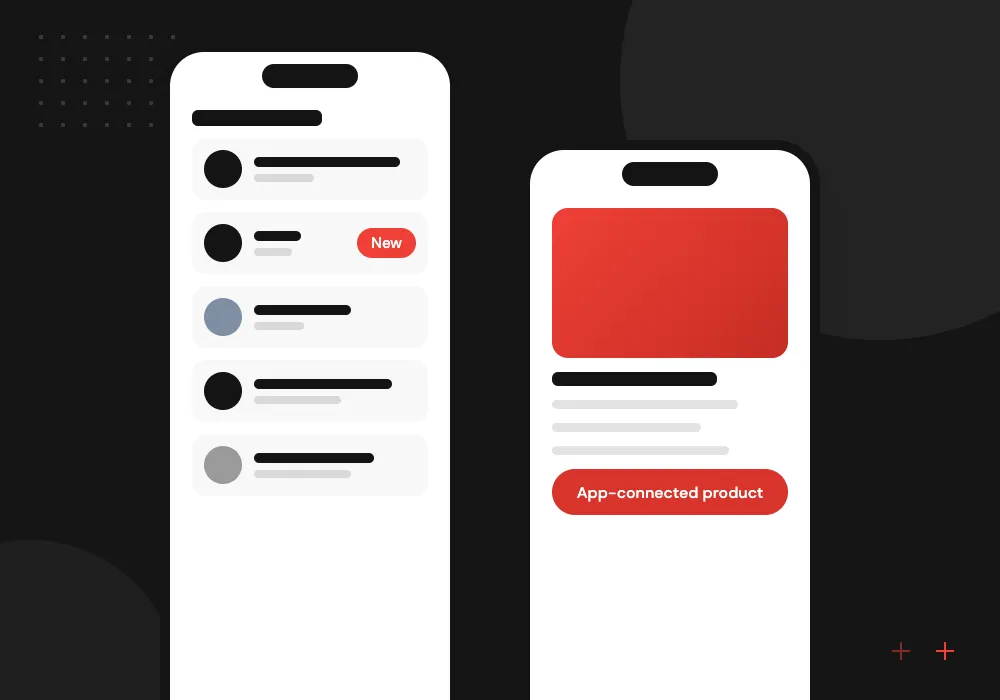
Connected product apps
An IoT app for the devices you sell: pairing over Bluetooth or Wi-Fi, remote control, firmware update prompts and usage history for your customers.
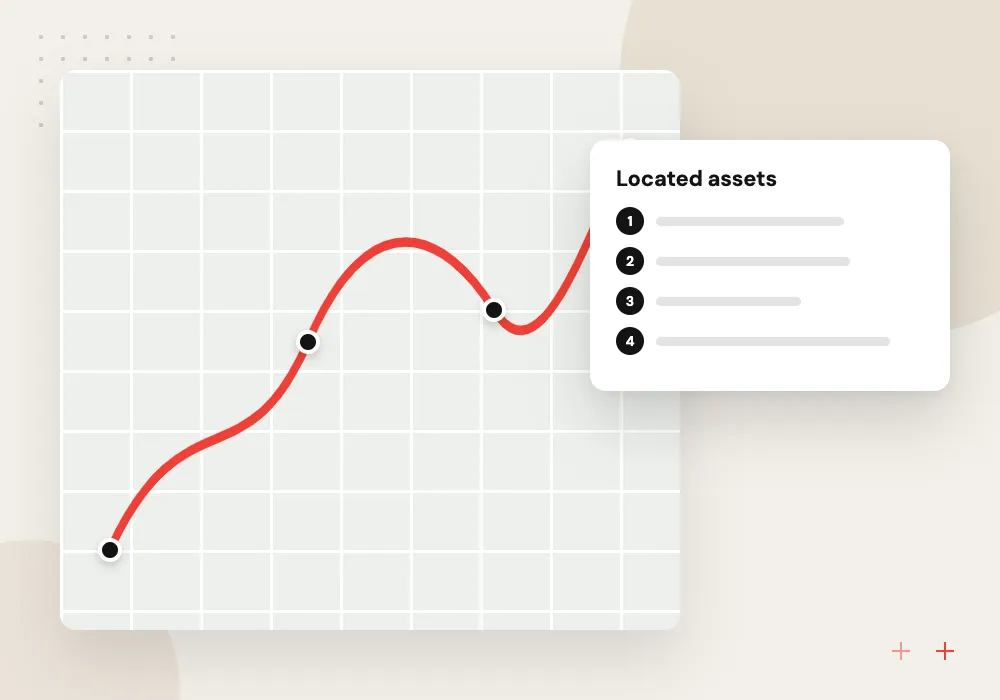
Asset and location tracking
Trackers on trailers, tools, carts or containers report location and condition, so staff stop searching yards and warehouses for missing equipment.
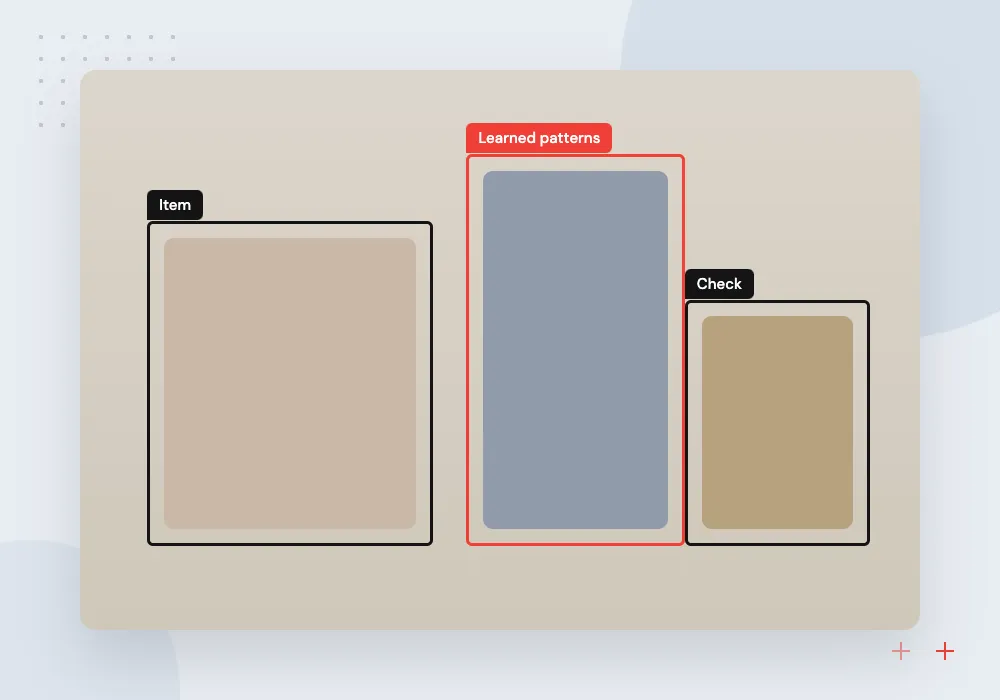
Edge and cloud AI
Models on a gateway or in the cloud spot unusual vibration, estimate filter or part wear, and read camera images for defects or counts.
Device platform and data pipeline
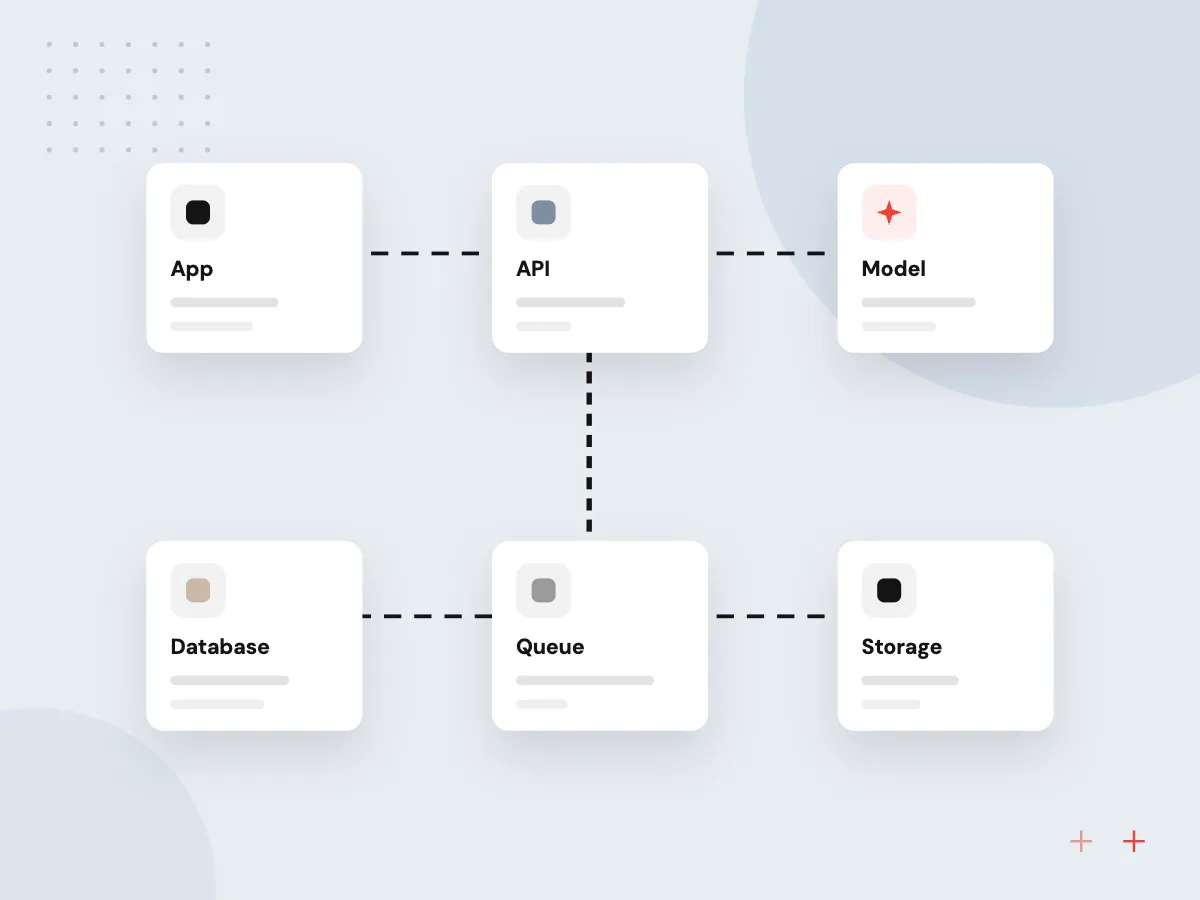
Behind every dashboard sits the plumbing: device registration, certificates, message routing, storage for time-series readings and a way to push configuration and updates. We set this up on a managed cloud IoT service or a lean broker, with monitoring that shows which devices are silent, slow or sending bad data.
What we do
- Device provisioning and certificates
- MQTT or HTTPS message routing
- Time-series storage and retention
- Over-the-air update management
- Silent device and data quality alerts
AI models on sensor and camera data
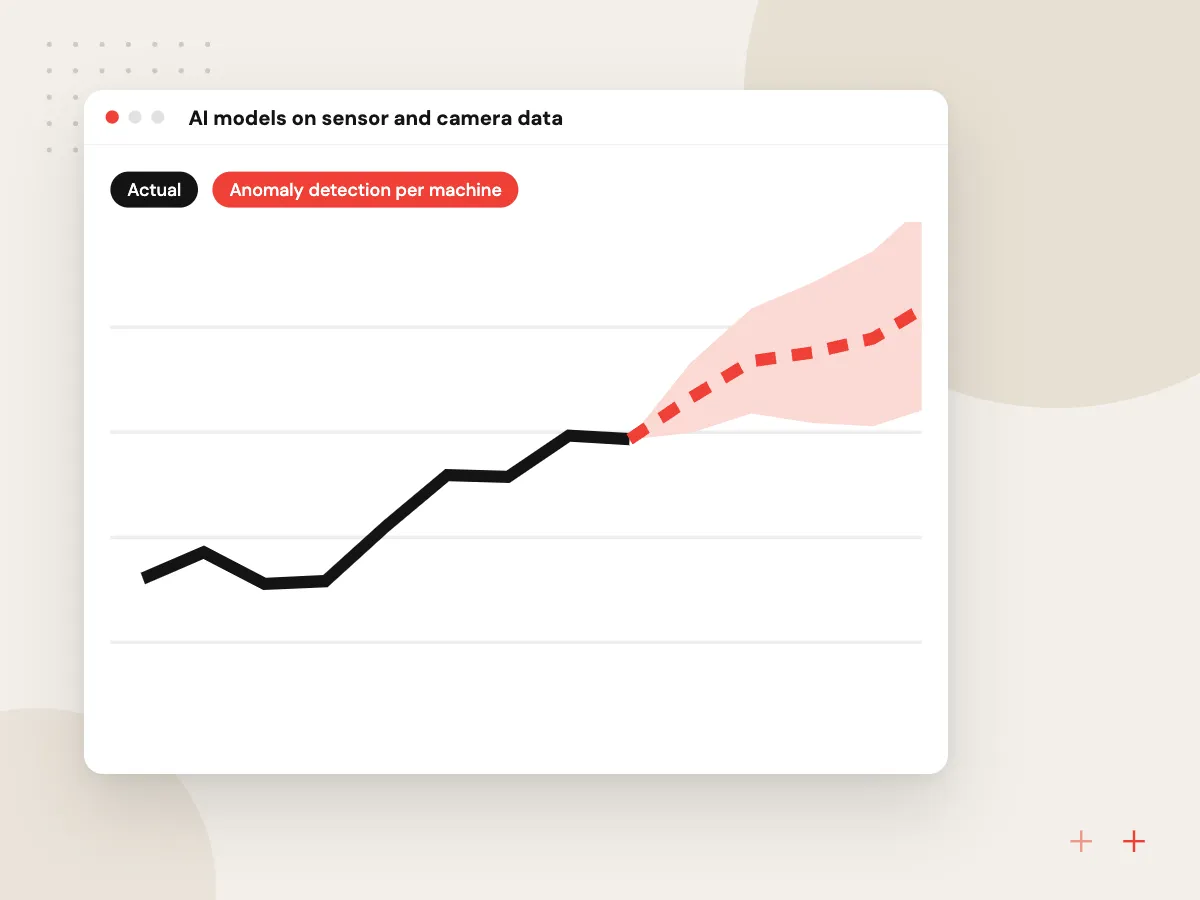
Fixed thresholds miss slow drift and raise false alarms on normal spikes. Models trained on your own history learn what normal looks like for each machine, can flag unusual patterns sooner and estimate when parts will need service. Camera feeds can count, measure or spot defects. A person confirms each alert before work is scheduled.
What we do
- Anomaly detection per machine
- Remaining-life estimates for parts
- Camera counts and defect checks
- Models on gateways or in cloud
- Alert review before work orders

How we approach a project
People see the data through dashboards and apps. Our mobile app development team builds companion apps for connected products and alert apps for technicians, while a web dashboard gives managers the fleet-wide view. For plants and warehouses, our manufacturing software development page covers linking this data to production and ERP systems.
AI runs where it makes sense. Some models belong on the gateway, close to the machine, as our edge AI development page explains; others run in the cloud on months of history, such as AI predictive maintenance models.
How we work
- Device identity from the first unit
- Plan for weak or lost connections
- Data people act on, not just store
Our Process
-

Pick one site and signal
We start with a single machine type or location and the reading that matters most to the people there.
-

Prove the data path
A few devices send real readings to a test platform, so connectivity, battery and data quality issues show up early.
-

Build alerts and apps
Rules, dashboards and mobile alerts are built on the live pilot data and tuned with the staff who respond.
-

Automate, then scale
Provisioning, updates and monitoring are automated before rollout, so adding devices later is routine work rather than a project.
Why Aranv for IoT projects
Security planned per device
Unique credentials, encrypted traffic and a way to revoke a lost unit are designed at the pilot stage, not added after devices are in the field.
Pilots on real data
We prove the data path with a few devices at your actual site before a fleet-wide build, so surprises surface while they are cheap to fix.
Software that reaches people
Readings become alerts, work orders and app screens for the staff who respond, instead of sitting unread in a cloud database.
Support for the long haul
Devices stay in service for years. We maintain the platform, apps and integrations as cloud services, phones and firmware versions change.
Planning IoT Development?
Book a 30-minute conversation with the team that would build it.
IoT project questions
-
What drives the cost of an IoT project?
The number and type of devices, any hardware or firmware work, connectivity such as Wi-Fi, cellular or LoRaWAN, data volume, the apps and dashboards required, and security needs. We usually suggest a small pilot first, then estimate the rollout from what the pilot shows.
-
Do you build IoT hardware?
We focus on software: connectivity, cloud platforms, dashboards, mobile apps and AI. For devices, we work with off-the-shelf sensors and gateways or with your hardware team or manufacturer, and agree the data format and update process with them early.
-
How do you keep connected devices secure?
Each device gets its own credentials or certificate, traffic is encrypted, updates are signed where the hardware supports it, and commands are limited by role. We also plan how to revoke a lost device and patch the fleet, since devices often stay in service for years.
-
What happens when a device loses its connection?
Devices or gateways store readings locally and send them when the link returns, and the platform marks gaps so dashboards do not show a flat line as normal. An alert can also fire when a device stops reporting.
-
Can IoT data feed our ERP or maintenance system?
Yes. Alerts can open work orders in your maintenance system, and counts or run times can post to your ERP through its API. We agree which system owns each record so staff never see conflicting numbers.
-
Should AI run on the device or in the cloud?
On the device or gateway when you need answers within seconds, connectivity is poor or you want to send less data. In the cloud when the model needs long history across many devices. Many systems do a quick check at the edge and deeper analysis in the cloud.

Let’s talk about your next step
Contact Aranv to discuss your workflow, current tools, and goals. Meet with our team or send an inquiry.
Book a meeting with our team
Choose an available date and time for a 30-minute conversation about your project.
Tell us about your project
Share a few details so we can discuss a useful next step.
Prefer email? sales@aranv.com