


What AI for home health and senior care covers
Aranv builds AI for home care agencies and senior care providers: caregiver scheduling and call-off coverage, spoken visit notes turned into your documentation format, family updates and EVV exception checks. The tools connect to your agency software, and schedulers and care managers approve every change.
Agencies usually run home care software for scheduling, care plans, EVV and billing, plus a payroll system and a caregiver phone app. We connect to the agency platform through its API or exports, and build a small companion app with our mobile app development team when caregivers need a simpler way to record notes.
Scheduling is the heaviest job. Our AI appointment scheduling work adapts here to caregiver matching, and an AI voice agent can take call-offs and family calls overnight, logging each one for the morning scheduler.
One shift, covered and documented
How AI supports a home care visit
- 01 Match the caregiver Suggests caregivers by skills, language, client preference, travel time and hours worked.
- 02 Cover the call-off Texts qualified caregivers in ranked order and shows the scheduler who accepted.
- 03 Capture the visit The caregiver speaks a short note; AI fills the task checklist and narrative.
- 04 Update the family A weekly summary is drafted for the care manager to approve before sending.
Changes in condition mentioned in a note go to a care manager or nurse. The AI flags them but does not assess them.
Caregiver scheduling AI and more
Home care runs on thin margins and short notice. Most office time goes to filling shifts, chasing notes and answering families, which is where AI helps first.
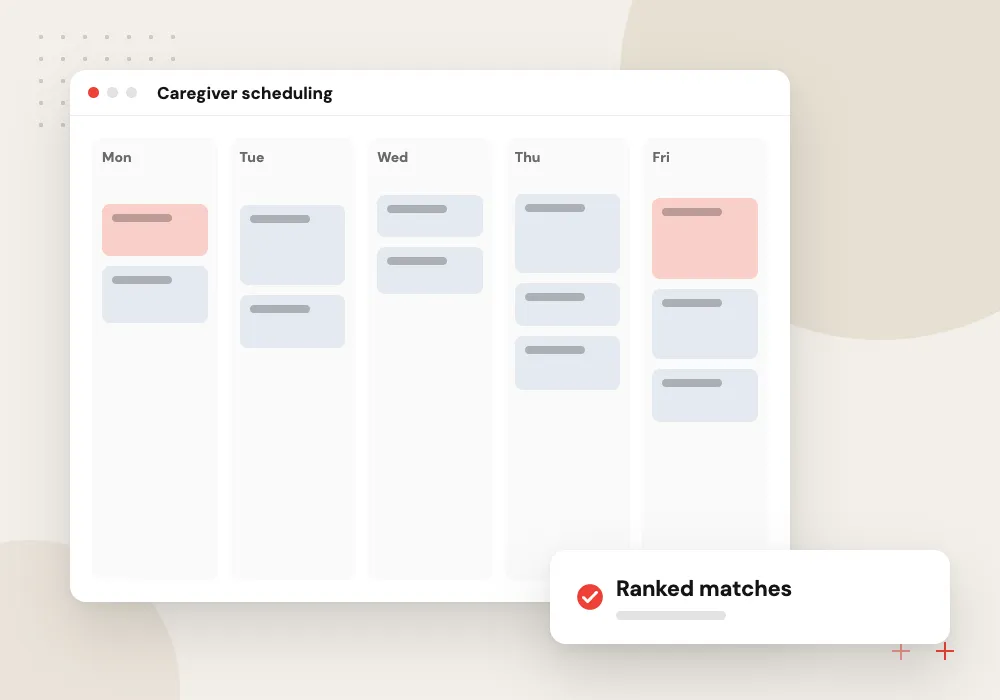
Caregiver scheduling
Ranks available caregivers for each open shift by certifications, client preferences, language, drive time and overtime limits, for the scheduler to confirm.
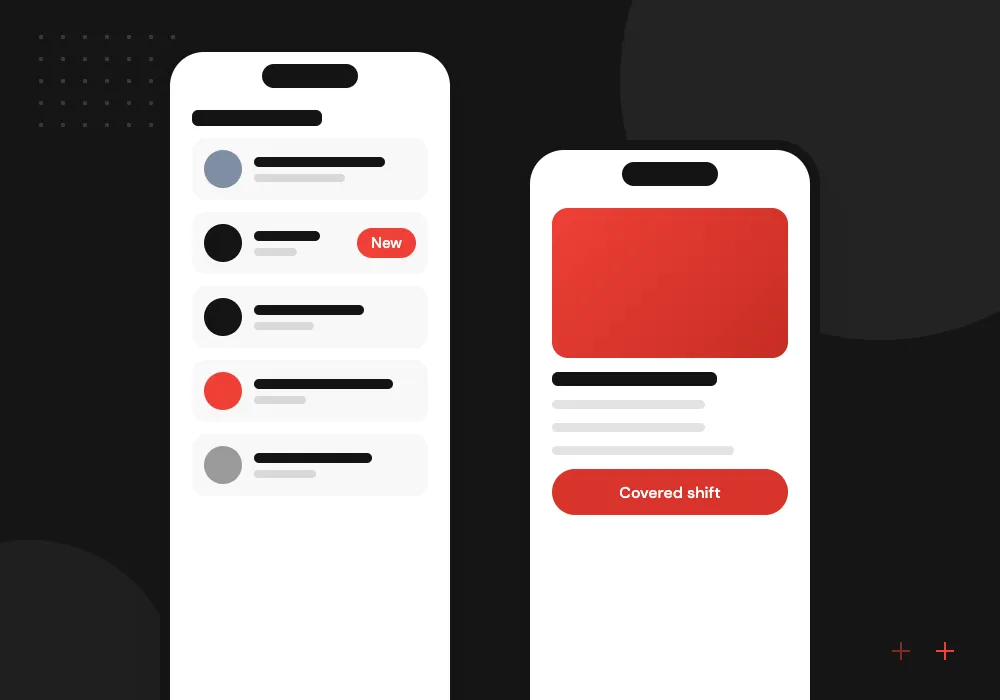
Call-off coverage
When a caregiver calls off before dawn, the assistant logs it, texts qualified replacements in order and alerts the on-call scheduler with the replies.
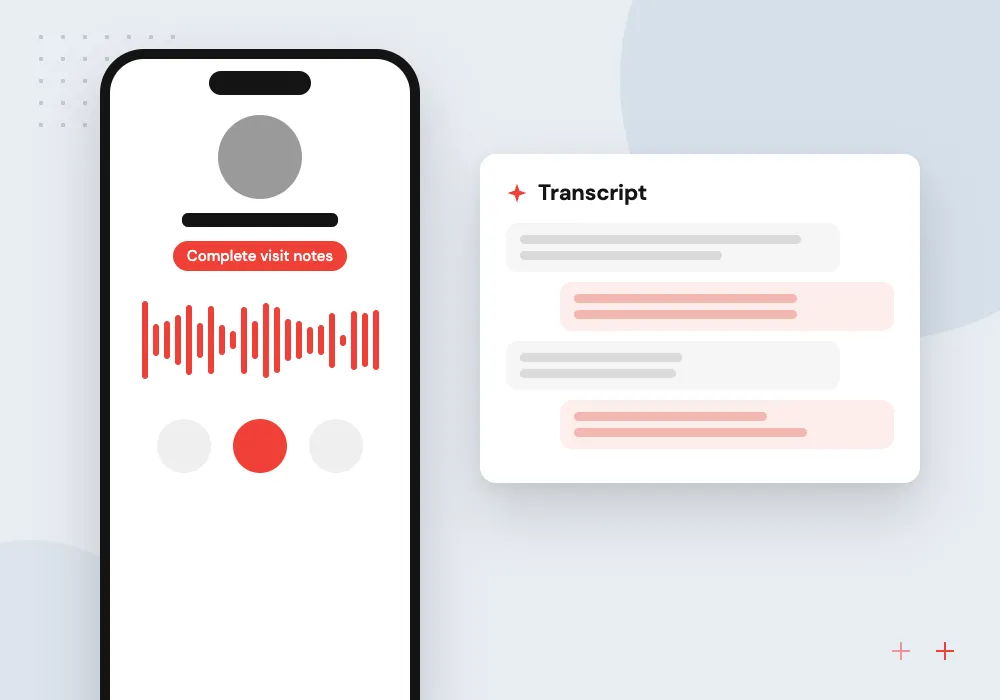
Spoken visit notes
Caregivers describe the visit by voice in their own language; the AI fills the activities of daily living checklist and a short narrative for review.
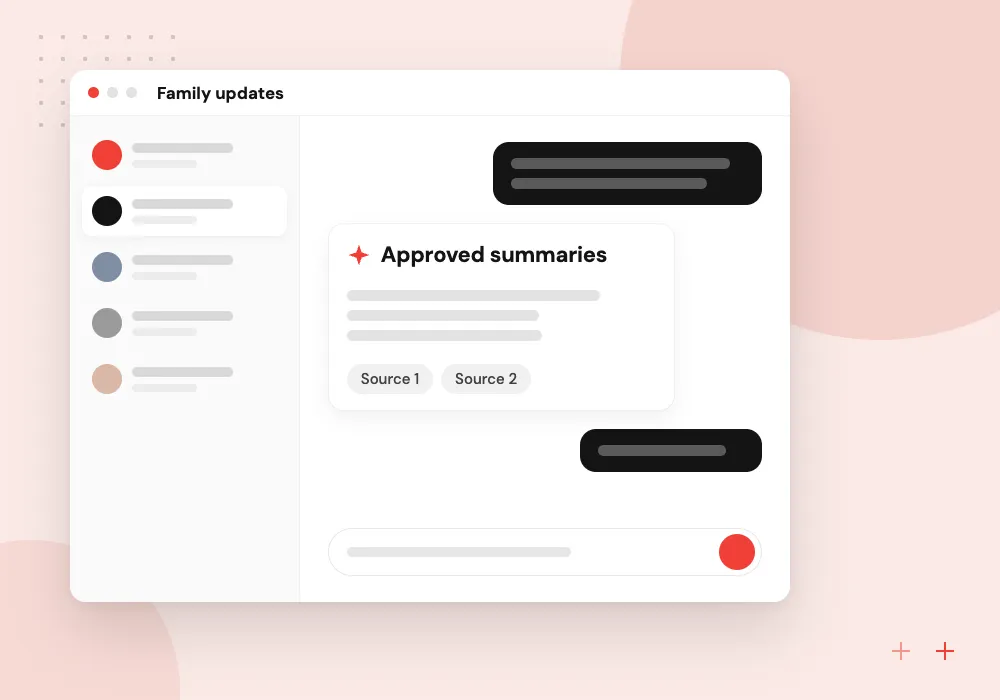
Family updates
Weekly summaries drawn from approved visit notes and schedule changes, sent only to contacts the client has authorized, once a care manager approves them.
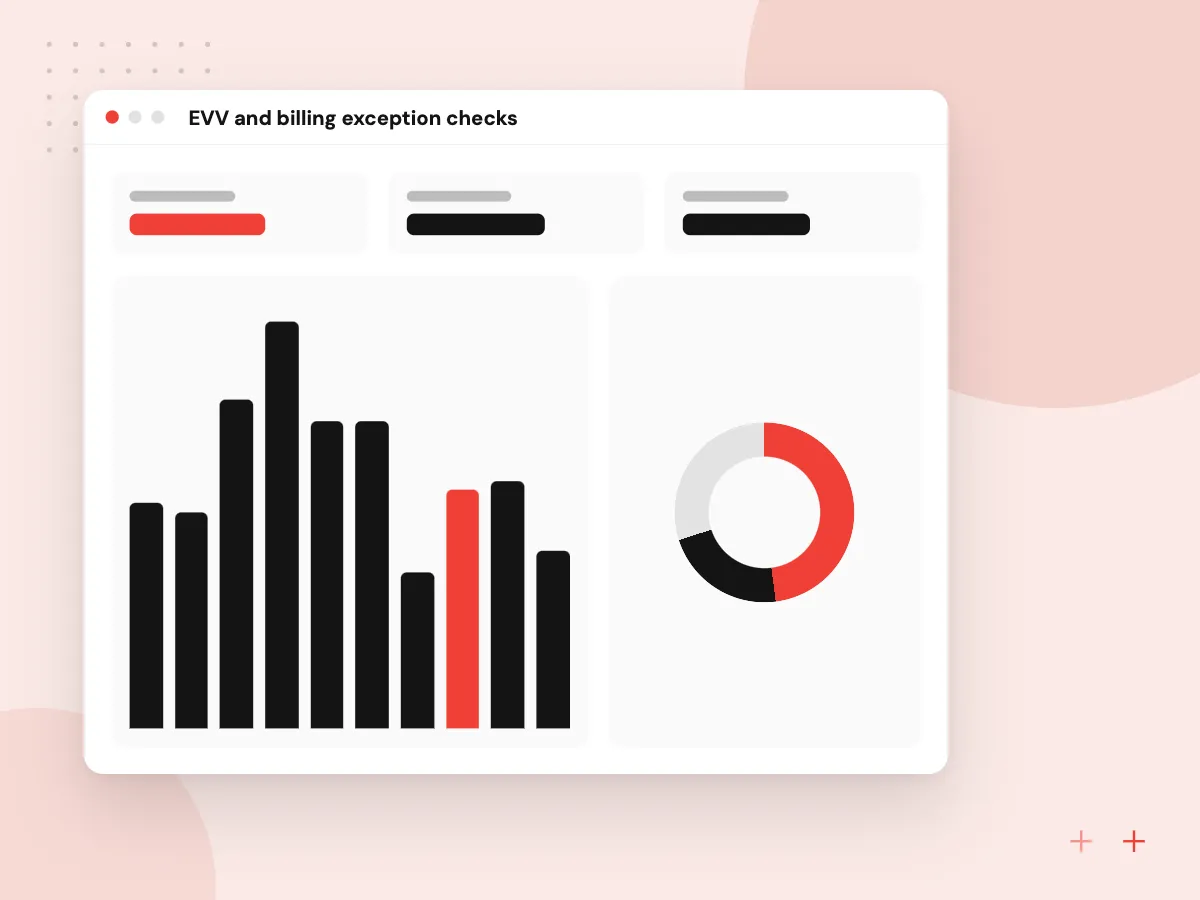
EVV and billing exception checks
Medicaid-funded personal care and home health visits must be verified electronically, recording the service, client, caregiver, date, location and start and end times. We build checks that catch missing clock-outs, location mismatches and visits without notes before claims go out, so billing staff fix them while details are fresh.
What we do
- Daily EVV exception list
- Visits matched to authorized units
- Notes missing before billing
- Payer-specific rule checks
- Correction log for audits
Client privacy and caregiver review
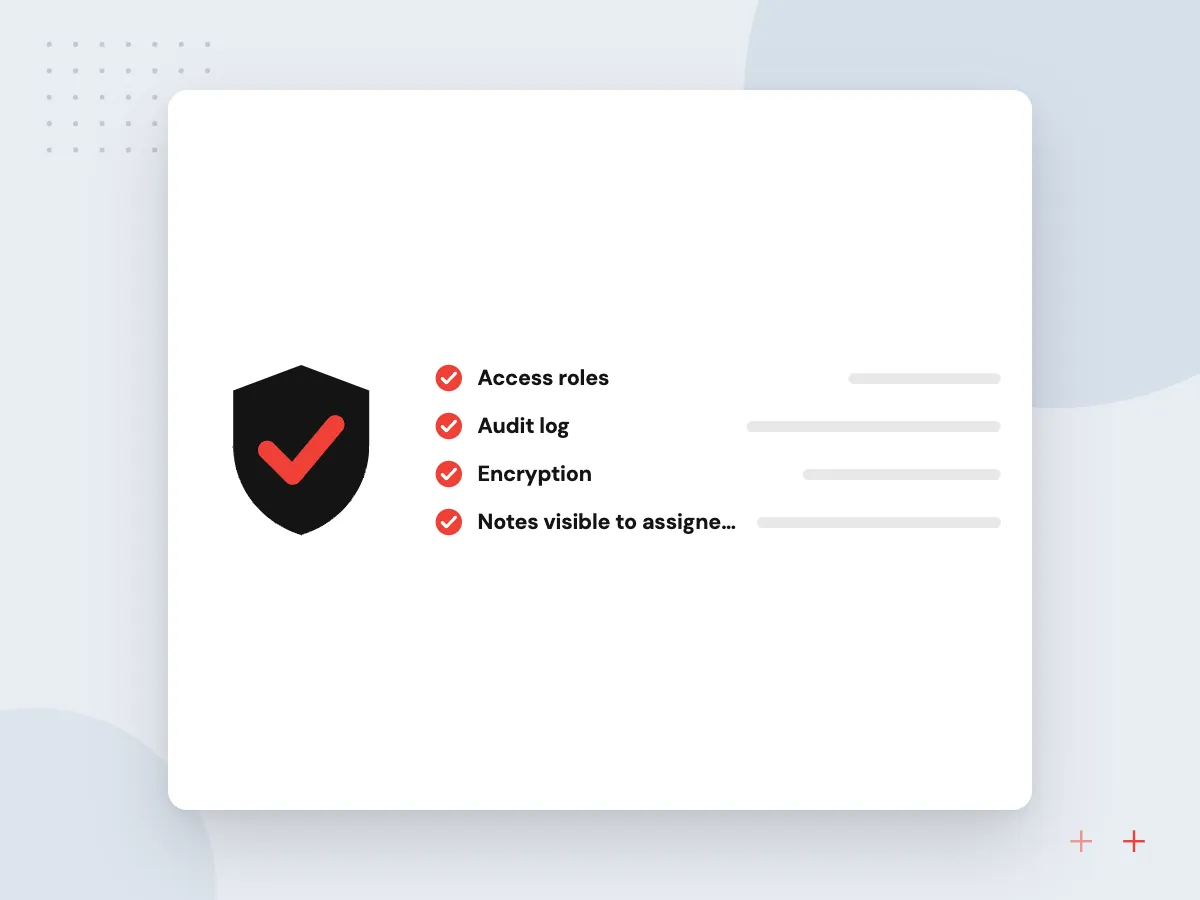
When visit notes and care plans count as protected health information, HIPAA requirements shape hosting, note access and the business associate agreements each vendor signs. Your compliance lead agrees those points with us before the build, and caregivers can read and correct anything the AI wrote from their spoken notes.
What we do
- Notes visible to assigned staff only
- Caregiver review of AI-written notes
- Authorized family contact list
- Vendor agreement checklist
- Audit trail on every edit

How we approach a project
Intake from hospital discharge planners and families fits too: an AI receptionist collects the care need, location, payer and preferred start date, then books an assessment with an intake coordinator. Assessments and care plans stay with your nurses and care managers.
For Medicaid-funded services, the federal electronic visit verification requirement sets what each visit record must capture, and your state’s EVV system sets the details. Family portals and other client-facing software belong to our healthcare software development work.
How we work
- Schedulers confirm every assignment
- Care managers review condition changes
- Families see only approved updates
Our Process
-

Shadow the scheduling desk
We watch a week of shift changes and call-offs, noting the rules schedulers apply from memory.
-

Turn habits into criteria
Skills, client preferences, travel limits and overtime policy become written matching criteria your managers approve.
-

Pilot with one branch
One office or service line uses the tools first, with schedulers and care managers checking each suggestion.
-

Expand by service line
After the pilot, we add other branches and private pay or Medicaid programs one at a time.
Why Aranv for home care agencies
Rules from your best scheduler
We write down the judgment calls your experienced schedulers make, so the matching logic reflects your clients rather than a generic score.
Built for caregivers’ phones
Note capture works on the phones caregivers already carry, with short screens, voice input and offline saving for homes with weak signal.
Care managers see changes first
Any note that mentions a fall, a missed meal or a new symptom reaches a care manager before it can appear in a family update.
EVV checked before billing
Exceptions surface daily rather than at month end, so office staff correct visits while caregivers still remember them.
Planning AI for Home Care Agencies?
Book a 30-minute conversation with the team that would build it.
Home care AI FAQs
-
Can AI schedule caregivers automatically?
It can rank caregivers for each open shift and contact them, but we design it so a scheduler confirms the final assignment. Client preferences, family dynamics and safety concerns often call for a human judgment the data does not capture.
-
Does it work with our home care software?
Most agency platforms offer an API, data exports or both. We check what yours allows for schedules, client records and visit notes, then decide whether the AI writes back directly or prepares changes for staff to enter.
-
How do caregivers use voice notes?
After a visit, the caregiver opens the app and describes what happened, in English or another language your agency supports. The AI fills the checklist and narrative, the caregiver reviews it, and any mention of a fall, missed meals or confusion goes to a care manager.
-
What about HIPAA and client privacy?
Where client records are protected health information, HIPAA requirements decide hosting, access and vendor agreements. We agree those with your compliance lead before the build, limit each user to the clients they serve and log every view and edit.
-
How much does home care AI cost?
It depends on your agency platform’s integration options, the number of branches and payers, and which jobs you start with. Scheduling support alone is a smaller first phase than scheduling, notes and EVV checks together. We estimate in phases after discovery.

Let’s talk about your next step
Contact Aranv to discuss your workflow, current tools, and goals. Meet with our team or send an inquiry.
Book a meeting with our team
Choose an available date and time for a 30-minute conversation about your project.
Tell us about your project
Share a few details so we can discuss a useful next step.
Prefer email? sales@aranv.com