


What energy and utility AI covers
Aranv builds AI in energy for electric co-ops, municipal utilities and solar companies: tools that turn crew voice notes and photos into inspection reports, clean up asset records, answer outage and billing questions from live system data, and check permit and interconnection packets, while operators and engineers keep every operational decision.
Utilities run a customer information system, an outage management system, GIS, meter data and work management, while solar companies add design, CRM and monitoring platforms. AI connects with read access first and writes only to tickets, reports and drafts. For the platforms themselves, see solar software development.
Customer contact follows our customer service automation approach, with outage and billing data as the source of every answer. Storm days show why: outage calls arrive all at once, and EIA data on interruption hours shows how long customers can be left waiting for news.
A storm day, with AI in support
From outage call to field update
- 01 Calls and texts spike Customers report outages and ask when power will be back.
- 02 Answers from the OMS The assistant shares known outages and estimated restoration times from your outage system.
- 03 New reports are logged Unknown outages, wires down and medical needs reach dispatch at once.
- 04 Crews report back Voice notes and photos from the field become damage reports for the next update.
AI reads operational data but never switches, controls or restores equipment.
Energy and utility AI solutions we build
Utilities and solar companies share one pressure: more assets, more customer contact and more paperwork per project, with teams that stay the same size.
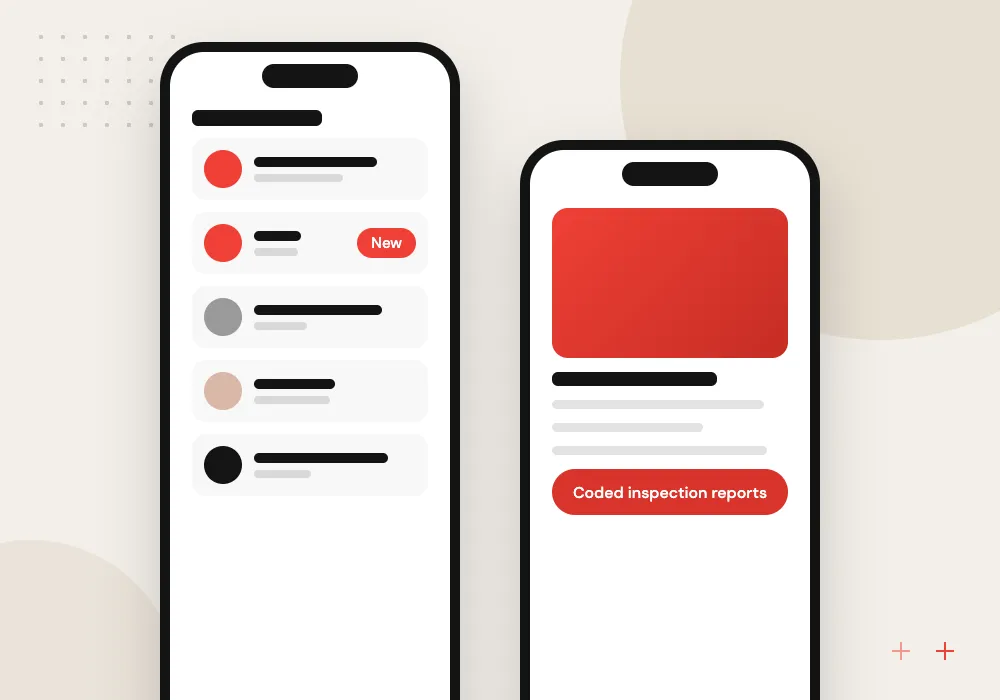
Field report capture
Line crews and O&M technicians speak and photograph findings, and the tool fills inspection forms with asset IDs, defect codes and locations.
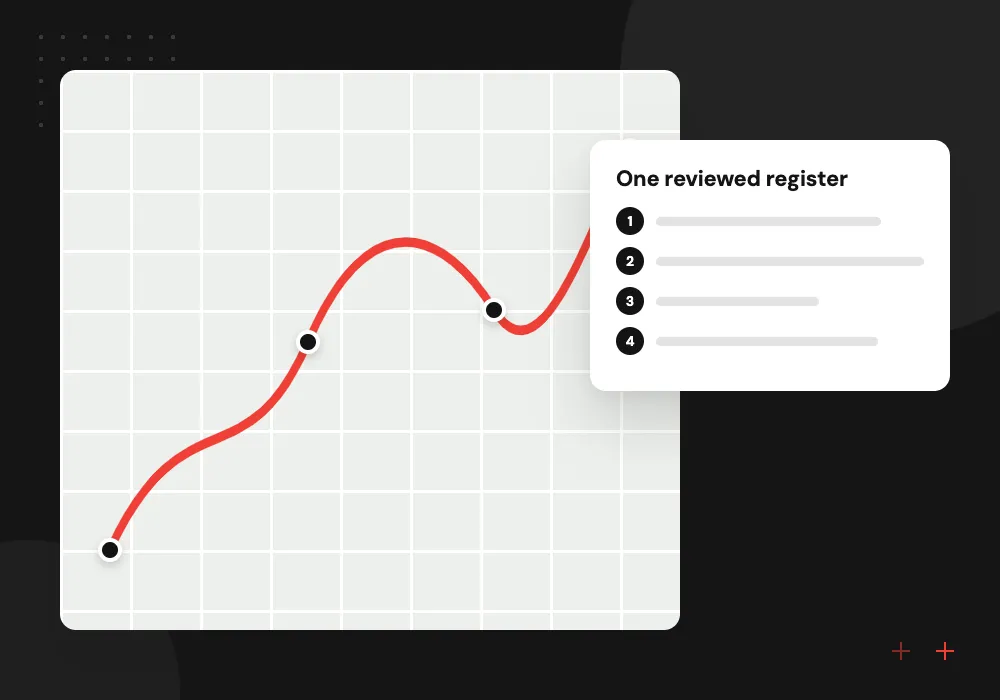
Asset data cleanup
Compares GIS, work management and inspection records, finds poles, transformers or inverters that disagree and proposes corrections for review.
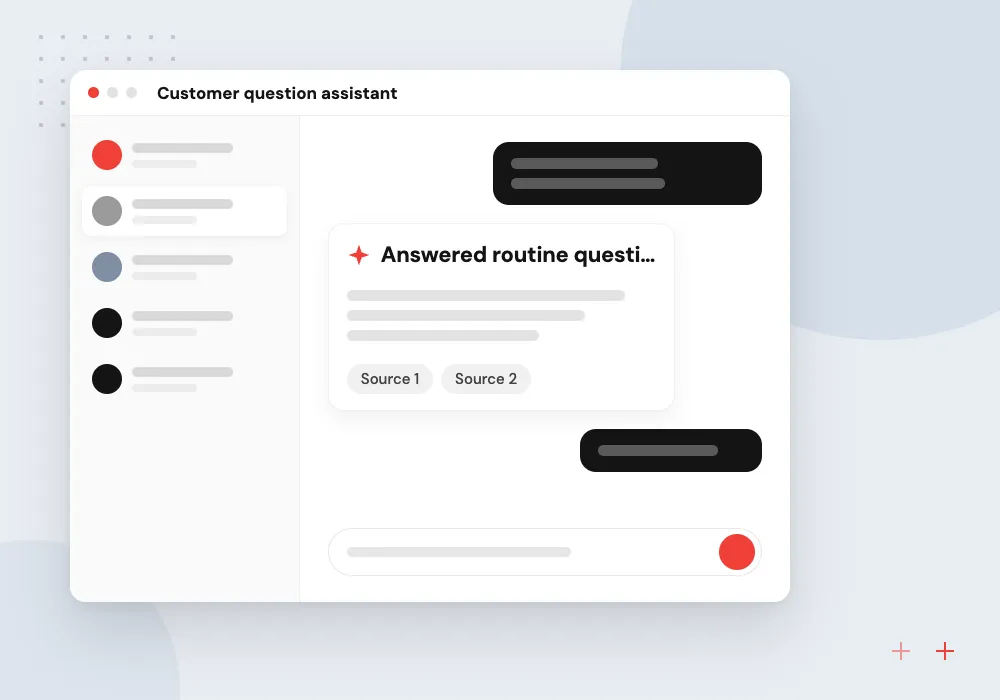
Customer question assistant
Answers outage, billing, rate and solar status questions from your outage system, billing records and tariff, and hands disputes to staff.
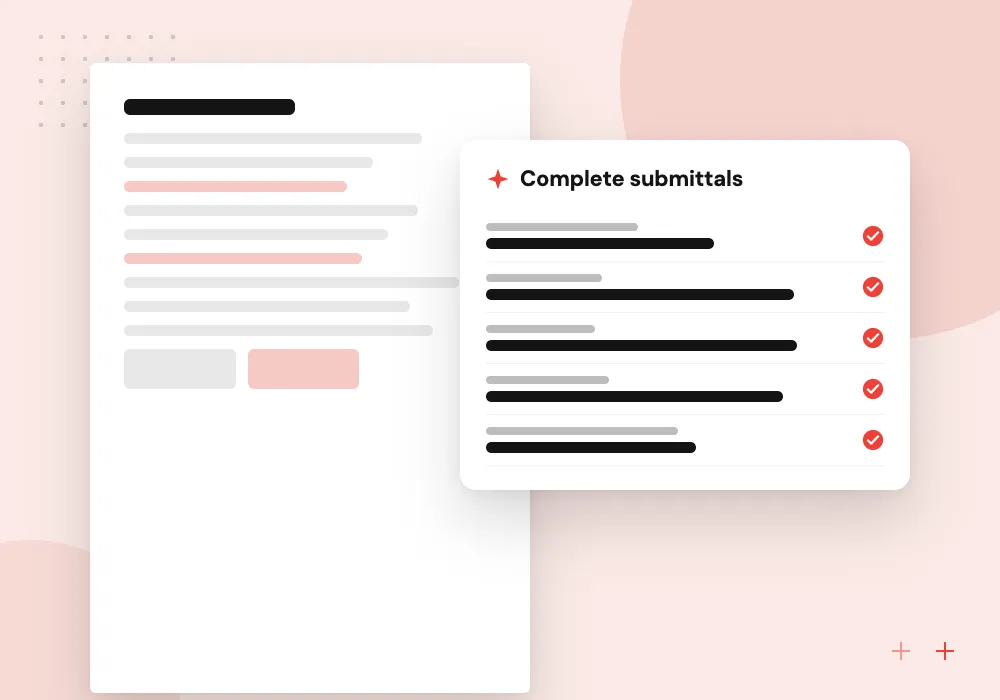
Permit and interconnection packets
Checks solar permit and interconnection packets against each jurisdiction’s and utility’s checklist, and flags missing drawings, spec sheets or signatures.
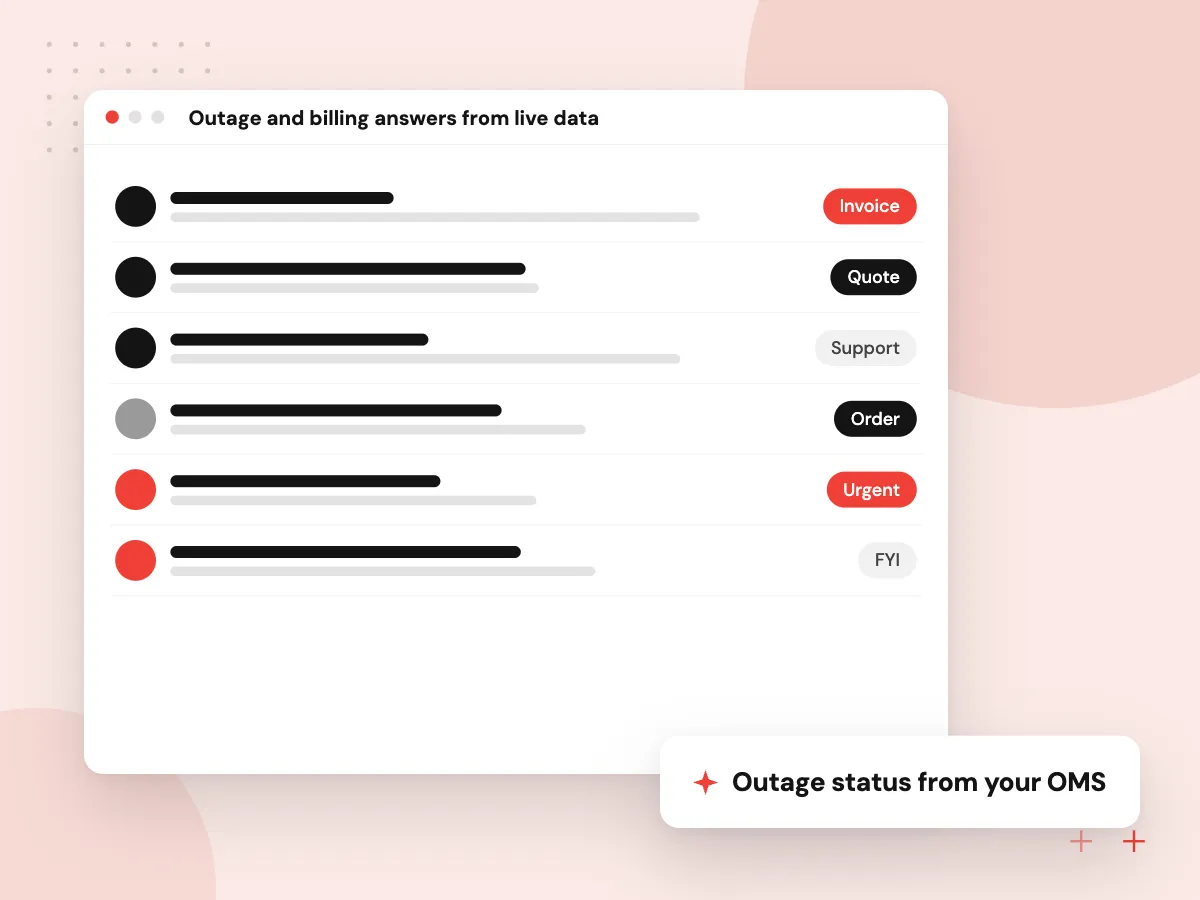
Outage and billing answers from live data
During a storm every caller wants a restoration time, and on a normal day many ask about a high bill or a rate change. The assistant reads your outage management and billing records, answers from the published tariff, and passes wires down, medical needs, payment arrangements and disconnection questions straight to staff.
What we do
- Outage status from your OMS
- Bill explanations from tariff rules
- Solar PTO and net metering status
- Wires-down and medical escalations
- Text, web chat and phone channels
Solar asset monitoring and O&M
Solar fleets produce inverter data, alarms, site photos and drone thermal images. We build models that flag underperforming strings or inverters against expected output, read thermal images for hot spots, and open work orders with the evidence attached, so technicians visit the right site with the right parts.
What we do
- Expected versus actual output checks
- Inverter alarm grouping
- Thermal image hot spot detection
- Work orders with evidence attached
- Site history summaries

How we approach a project
Asset work uses AI predictive maintenance for transformers, inverters and trackers where history exists, and AI anomaly detection on meter and production data. Drone and site photos go through computer vision models tested on your own images.
Grid data needs care. Some grid details count as critical infrastructure information, and utilities that own bulk electric system assets fall under NERC CIP standards, so hosting, access and logging are agreed with your security lead before data moves. AI never sends control commands, and engineering documents still get an engineer’s review.
How we work
- Read-only access to operational systems
- Downed wires always reach people
- Engineers review what gets filed
Our Process
-

Choose one workflow and owner
We pick a contained starting point, such as crew inspection reports or outage calls, with the people who own it.
-

Agree data access and limits
Your operations and security leads approve read access, hosting, logging and what the AI may write.
-

Test on past events
We replay past storms, inspections or permit packets to measure answers and extractions before going live.
-

Go live and widen
The first workflow launches with daily review, then the same base serves the next team or territory.
Why energy teams choose Aranv
Read-only by default
Operational systems are read, not changed. The AI writes only to tickets, reports and drafts, which keeps control with your operators.
Escalations that protect people
Wires down, medical needs, disconnection questions and anything unclear go straight to staff, with the caller’s details already captured.
Tested on your past events
We measure answers against past storms, inspections and permit packets before launch, so you see accuracy on your own work first.
Security agreed up front
Hosting, access, logging and data retention are written down with your security lead before any grid or customer data moves.
Planning AI for Energy and Utilities?
Book a 30-minute conversation with the team that would build it.
Energy and utility AI questions
-
Can AI answer outage calls for an electric co-op or small utility?
Yes, for status questions. It reads known outages and estimated restoration times from your outage management system and answers by phone, text or chat. New outage reports are logged, and wires down, medical needs and anything unclear go to a dispatcher right away.
-
Will AI have access to SCADA or grid controls?
No. We design for read-only access to the data a use case needs, often through exports or a separate copy, and the AI never sends switching or control commands. Your operations and security leads approve every connection before setup.
-
How does AI help solar companies with permits and interconnection?
It checks each packet against the checklist for that jurisdiction and utility, flags missing site plans, single-line diagrams, spec sheets or signatures, and tracks status after submission. Your designers and engineers still prepare and stamp the documents.
-
What data do we need for predictive maintenance on solar or grid assets?
Asset records with consistent IDs, maintenance and failure history, and, where available, sensor, inverter or meter readings over time. If history is thin, we start with inspection reports and anomaly checks, which build the record a predictive model needs later.
-
How much does AI in energy cost for a utility or solar company?
Cost depends on the systems involved, security and hosting requirements, data quality and the number of channels or teams. Discovery ends with a written estimate for one workflow, plus an access and security plan for your leads to approve.

Let’s talk about your next step
Contact Aranv to discuss your workflow, current tools, and goals. Meet with our team or send an inquiry.
Book a meeting with our team
Choose an available date and time for a 30-minute conversation about your project.
Tell us about your project
Share a few details so we can discuss a useful next step.
Prefer email? sales@aranv.com