


What AI for staffing agencies includes
Aranv builds AI for staffing agencies and recruitment firms: candidate matching against open job orders, screening support that summarizes resumes and call notes, and timesheet processing for payroll and billing, with recruiters making every hiring decision and bias testing built in before and after launch.
Agencies run on an ATS or staffing CRM, vendor management systems (VMS) for some clients, payroll and billing software and a great deal of email. We build AI into that chain, so matches, summaries and timesheet checks write back to records recruiters already use. Custom portals and ATS work are covered on our HR and recruitment software page.
Matching and screening support are built as AI agents with narrow permissions: search, summarize and suggest, but never reject or contact a candidate alone. Timesheets go through AI data entry automation, with exceptions routed to payroll, and credential expiry tracking follows our AI compliance monitoring pattern.
How a candidate shortlist is prepared
From job order to recruiter shortlist
- 01 Job order structured Skills, shifts, location, pay rate and required certifications are pulled from the client request.
- 02 Database searched The ATS is searched for available candidates, including people placed before.
- 03 Matches explained Each suggested candidate comes with reasons, such as skills, distance and availability.
- 04 Recruiter decides The recruiter reviews, calls and submits candidates; the AI never rejects anyone.
Protected characteristics, and fields that stand in for them, are kept out of matching.
Recruitment AI solutions for agency desks
Agency recruiters juggle job orders, candidate calls, compliance documents and timesheets in one day. These projects cut the admin around placements and leave the decisions with people.
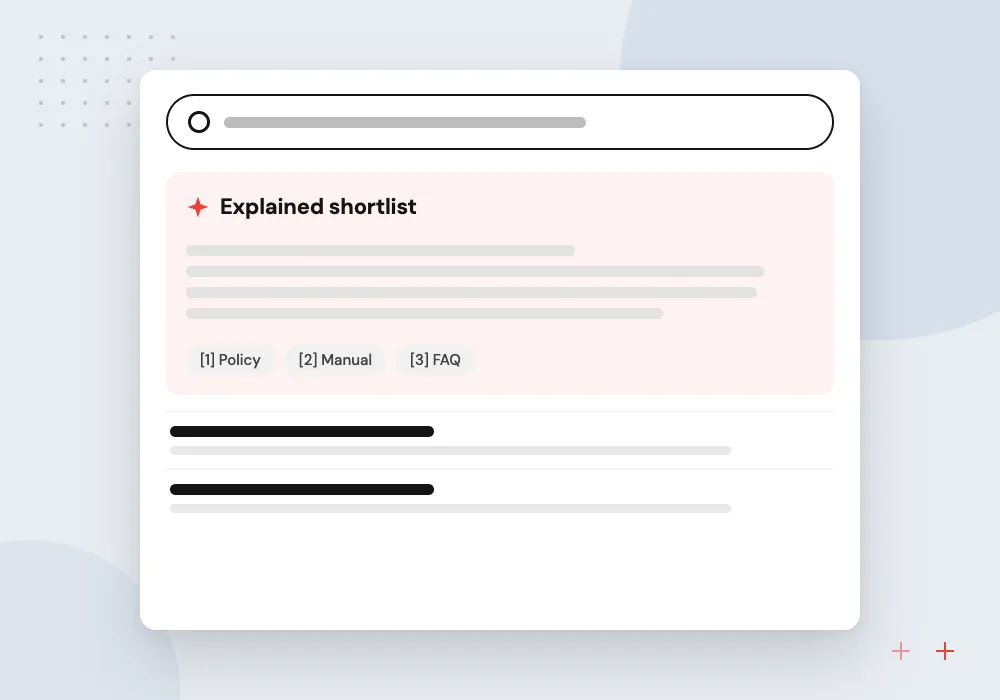
Candidate matching
Compares new job orders with your ATS database, including past placements and strong runners-up, and ranks candidates with clear reasons for the recruiter.
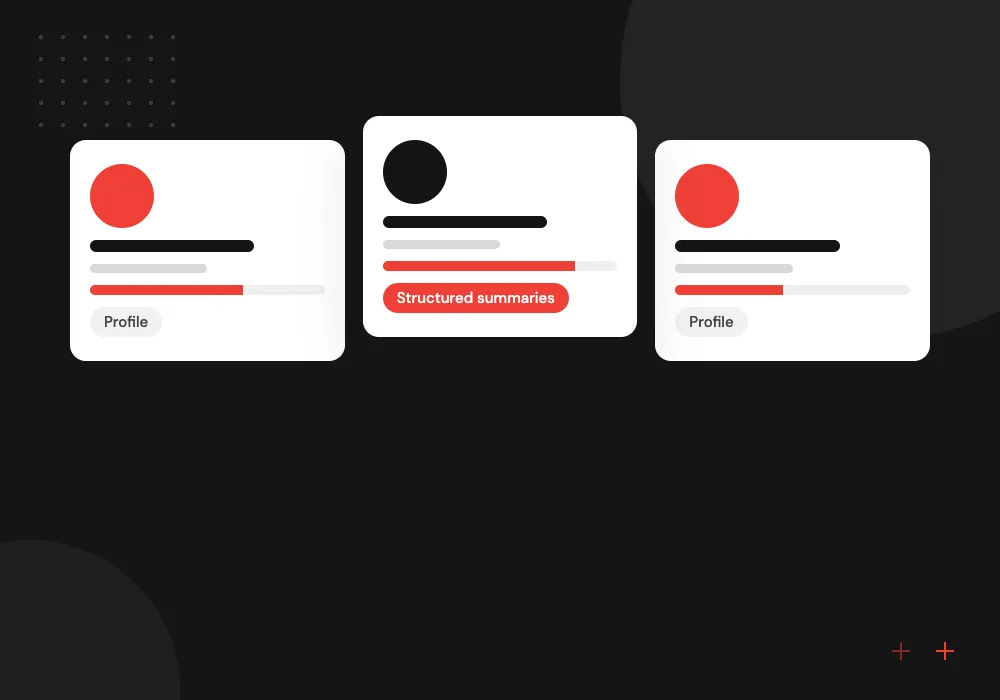
Screening support for recruiters
Summarizes resumes and screening call notes against the job’s stated requirements and drafts questions for the next call, while recruiters judge the fit.
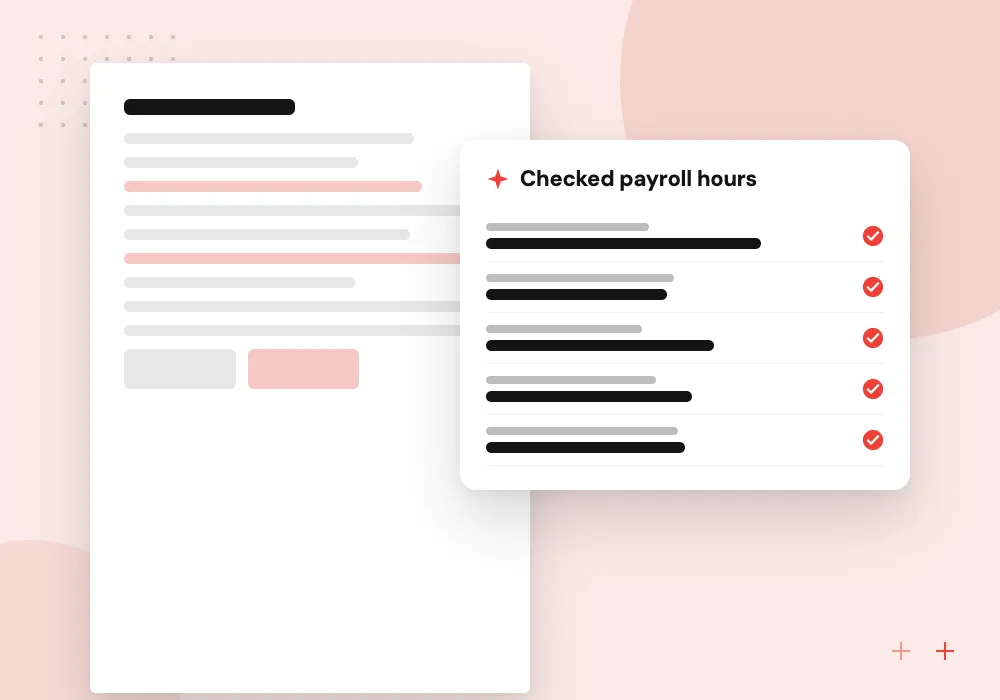
Timesheet processing
Reads timesheets from client portals, emailed photos and PDFs, checks hours against the assignment and flags overtime or missing approvals before payroll.
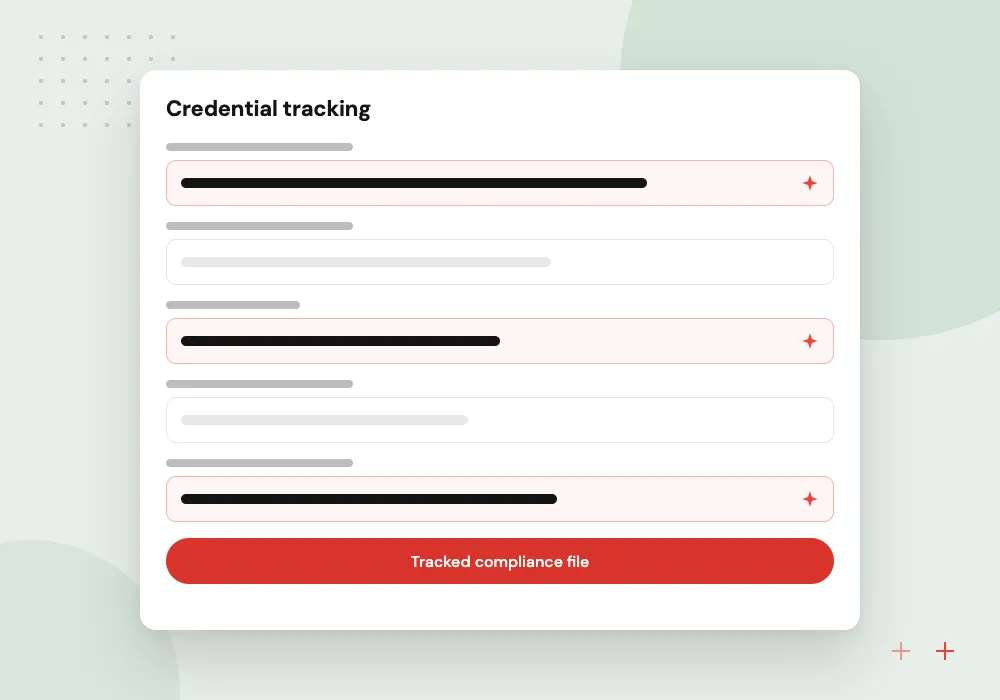
Credential tracking
Reads license, certification and onboarding documents, records expiry dates and reminds candidates and recruiters before an assignment starts.
Candidate matching recruiters can explain
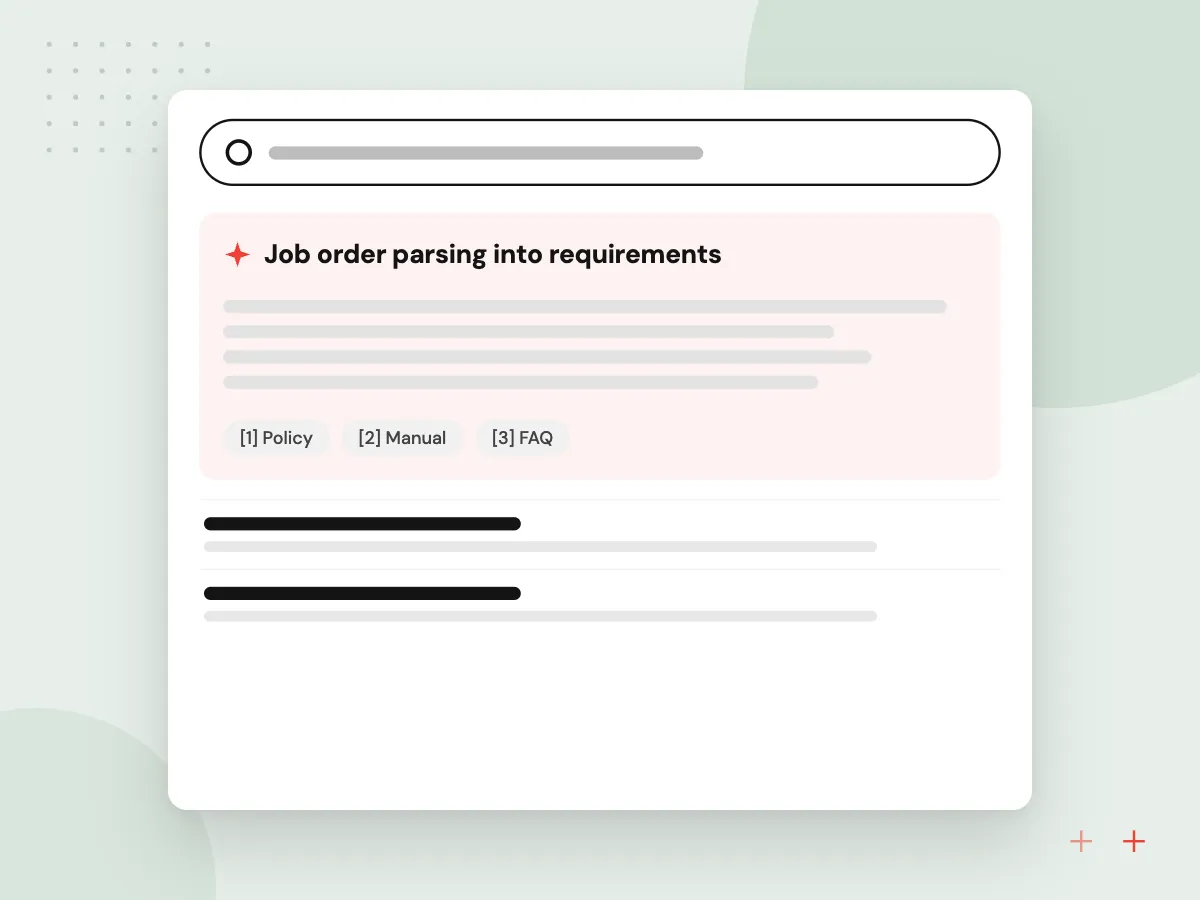
When a job order arrives, the system reads its requirements and searches your whole database, including past placements and people who nearly got the last role. Each suggestion comes with reasons a recruiter can check: skills, certifications, distance, shift preferences and availability. Recruiters reorder, discard or submit, and protected traits are excluded from matching inputs.
What we do
- Job order parsing into requirements
- Search across ATS and past placements
- Reasons shown for every match
- Availability and distance filters
- Recruiter feedback on each list
Bias testing and hiring oversight
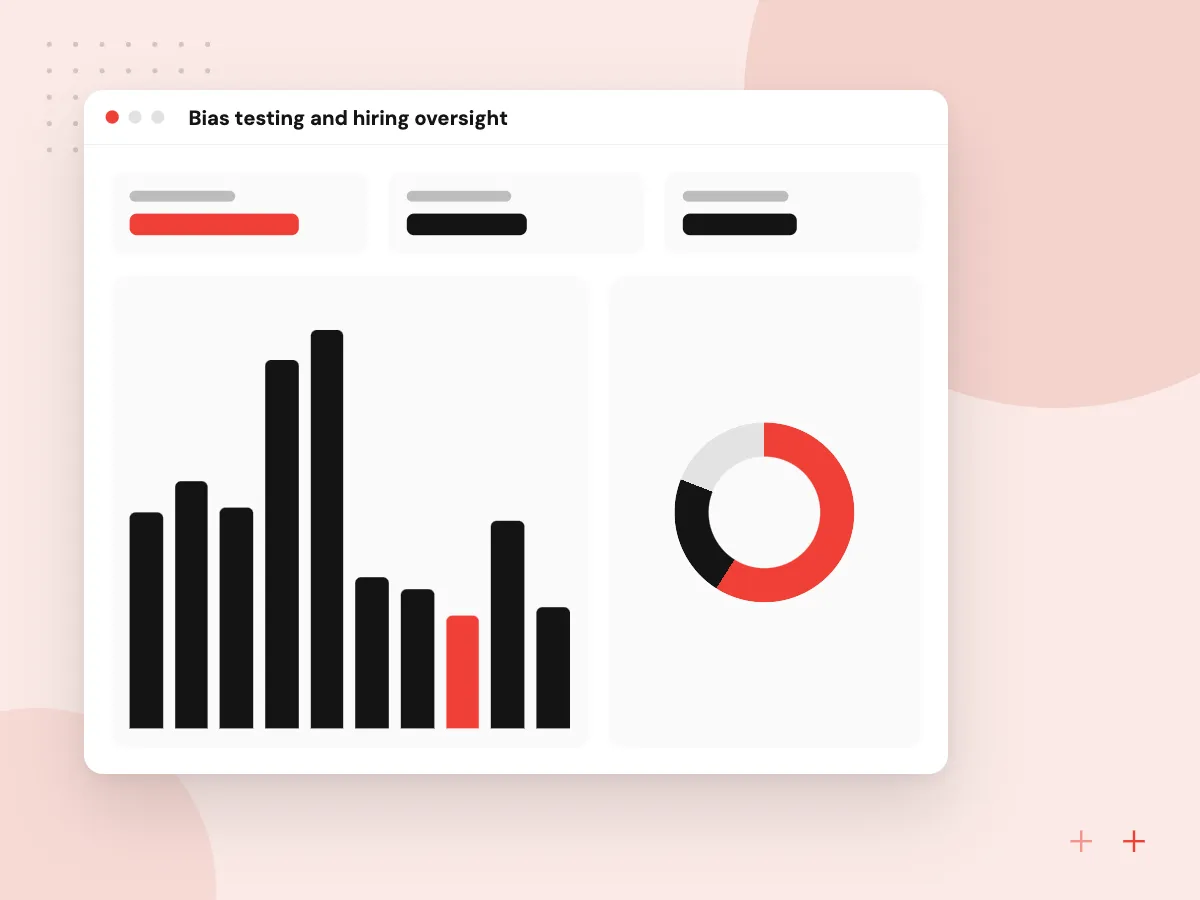
Fairness work starts before the first line of code. We agree which groups to compare, run selection-rate tests on historical and synthetic candidates and look for proxies such as zip codes or graduation years. Results go to your compliance lead, recruiters keep every decision and tests repeat after launch.
What we do
- Adverse impact tests by group
- Proxy feature review
- Decision log for every placement
- Candidate notice templates
- Scheduled re-testing after launch

How we approach a project
Hiring tools carry legal duties. New York City’s Local Law 144 requires a bias audit within one year before an automated employment decision tool is used, and several states have passed or proposed their own rules, as our Colorado AI Act guide shows. We run adverse impact tests before launch and on a schedule through LLM evaluation and testing. This is general information, not legal advice.
Our wider team built a multi-agent AI platform for a US HR technology company that handles case intake and escalation; see Project 02 among the anonymous case studies. Agency owners can book a 30-minute introduction with us from the contact page.
How we work
- Recruiters make every hiring decision
- Bias tests before and after launch
- Every match shows its reasons
Our Process
-

Audit past placements
We study closed job orders and placements to learn what a good match looked like on each desk.
-

Set the fairness tests
Before building, we agree which groups and selection rates to test and who reviews the results.
-

Shadow live job orders
Matching runs beside recruiters for a period, and we compare its lists with who they actually submitted.
-

Launch with audits
After launch, adverse impact tests and recruiter feedback reviews run on a fixed schedule.
Why staffing firms choose Aranv
People make placement decisions
The software searches, summarizes and suggests. Recruiters decide who is submitted, interviewed or turned down, and the system records who made each call.
Fairness tested on schedule
Selection-rate and proxy tests run before launch and at agreed intervals afterwards, with results your compliance lead and auditors can read.
Back office included
Timesheet and credential checks reuse the connections built for matching, so payroll and compliance teams gain as well as recruiting desks.
Works inside your ATS
Results are written back into your ATS, CRM or VMS records, so recruiters do not learn a second system or copy data between screens.
Planning AI for Staffing Agencies?
Book a 30-minute conversation with the team that would build it.
Staffing AI FAQs
-
Can AI screen candidates for our staffing agency?
It can support screening by summarizing resumes and call notes against the job’s stated requirements and suggesting follow-up questions. We do not build tools that reject candidates automatically. A recruiter reviews every candidate and makes the call, which keeps decisions accountable and easier to explain.
-
How do you test AI hiring tools for bias?
We compare selection rates across demographic groups using historical and test data, look for features that act as proxies for protected traits, such as graduation year or zip code, and review results with your compliance lead. Tests repeat after launch, since candidate pools and job orders change.
-
Do we need a bias audit to use AI in recruiting?
It depends on where you recruit. New York City requires a bias audit before employers or employment agencies use an automated employment decision tool there, and other places have their own rules. We design tools so an auditor can get the data they need. Confirm your obligations with employment counsel.
-
Can AI process timesheets from different clients?
Yes. It reads timesheets from client portals, PDFs, spreadsheets and phone photos, matches them to the assignment, checks hours and rates and flags overtime, missing approvals or mismatches. Clean timesheets flow to payroll and billing, and exceptions go to your payroll team.
-
Will candidates know AI is involved?
We recommend telling them, and some laws require notice. We add plain-language notices to application and screening steps, explain what the tool does and offer a way to request human review where rules call for it.

Let’s talk about your next step
Contact Aranv to discuss your workflow, current tools, and goals. Meet with our team or send an inquiry.
Book a meeting with our team
Choose an available date and time for a 30-minute conversation about your project.
Tell us about your project
Share a few details so we can discuss a useful next step.
Prefer email? sales@aranv.com