


What AI for restaurants includes
Aranv builds AI for restaurants and small restaurant groups: AI phone ordering and reservation handling tied to your POS, supplier invoice reading, and prep and inventory suggestions, while managers keep control of the menu, prices, refunds and every allergy question.
Restaurant data sits in the POS, the reservation platform, delivery and online ordering apps, the accounting package and distributor portals. AI only helps when it reads the live menu and writes back to those systems. If the POS no longer fits, our POS software development work and the restaurant software development page explain the options.
Phone ordering and reservations run on an AI voice agent with a structured menu flow and a transfer to the host stand. Calls about hours, parking or private dining can be handled by the same setup working as an AI receptionist.
How an AI phone order reaches the kitchen
From a ringing phone to a kitchen ticket
- 01 Call answered at peak The voice agent picks up when staff are busy or the line rings out.
- 02 Order built from menu Items, modifiers and sides are matched to the live POS menu and read back.
- 03 Total and pickup confirmed The caller hears the total and pickup time; payment happens at pickup or online.
- 04 Ticket sent to kitchen The order lands in the POS like any other, with the caller’s number attached.
Allergy and dietary questions go to a staff member. The agent does not guess about ingredients.
Restaurant AI solutions for front and back of house
Thin margins leave little room for staff time spent on the phone or on paperwork. These four jobs are where software can give some of that time back.
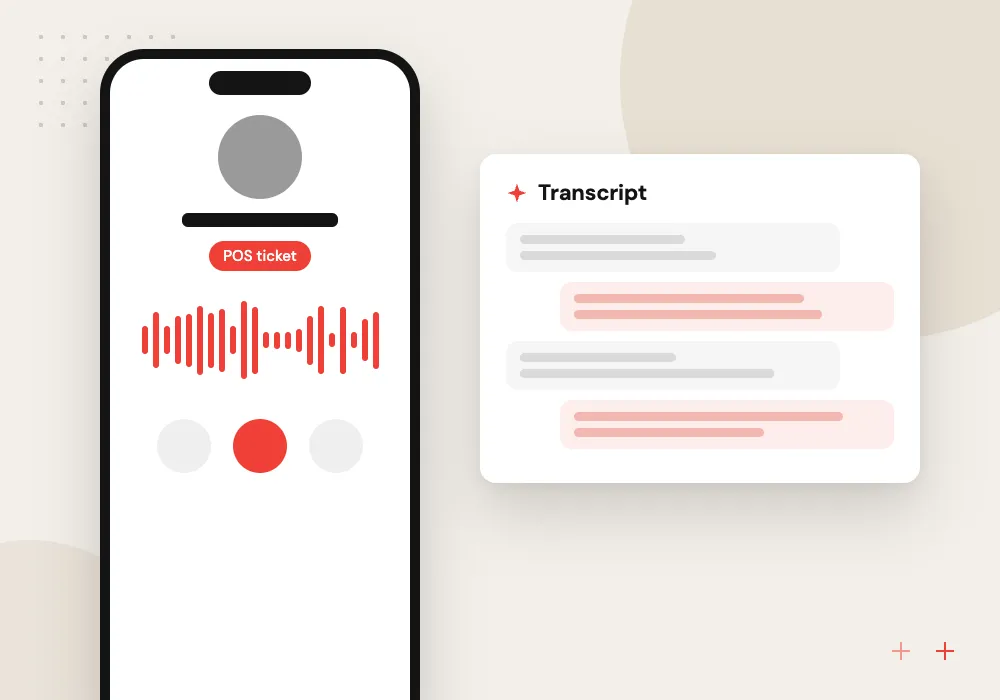
AI phone ordering
Takes takeout orders by phone during rushes, reads each order back, quotes the total and pickup time and sends the ticket straight to the POS.
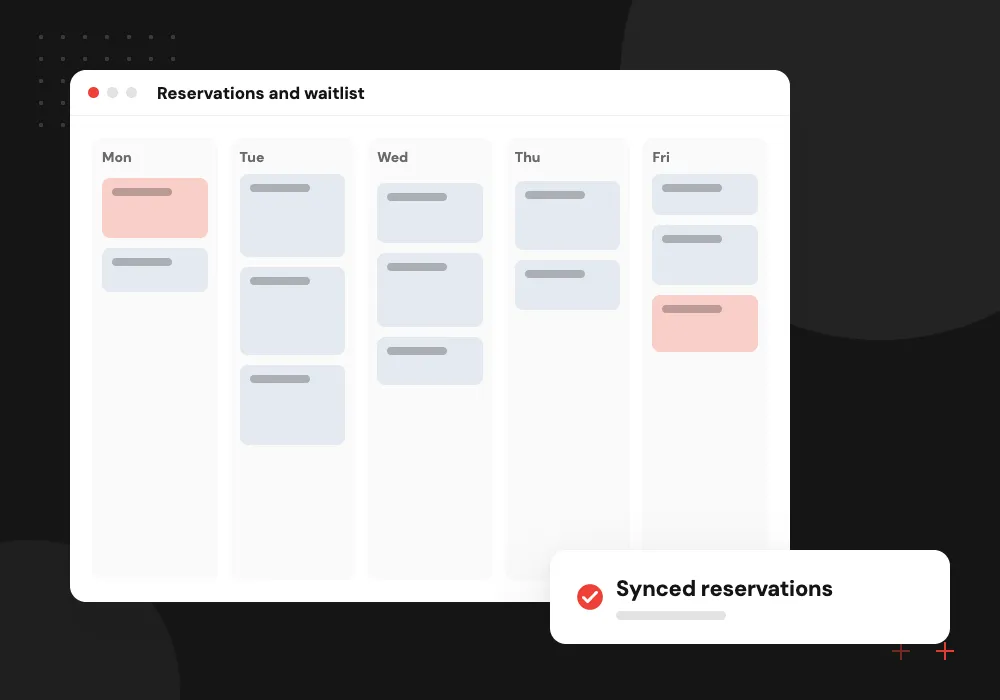
Reservations and waitlist
Books, moves and cancels tables by phone, text or web chat, follows your party-size and deposit rules and updates the reservation system.
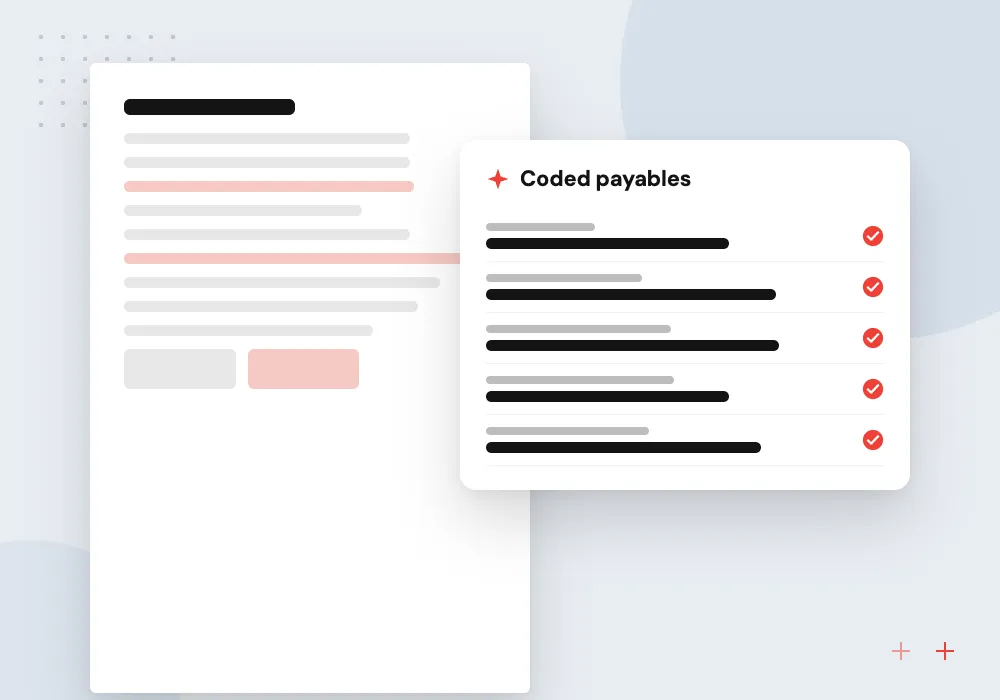
Supplier invoice reading
Reads invoices from produce, meat and broadline distributors, matches lines to orders and flags price jumps or short deliveries for the manager.
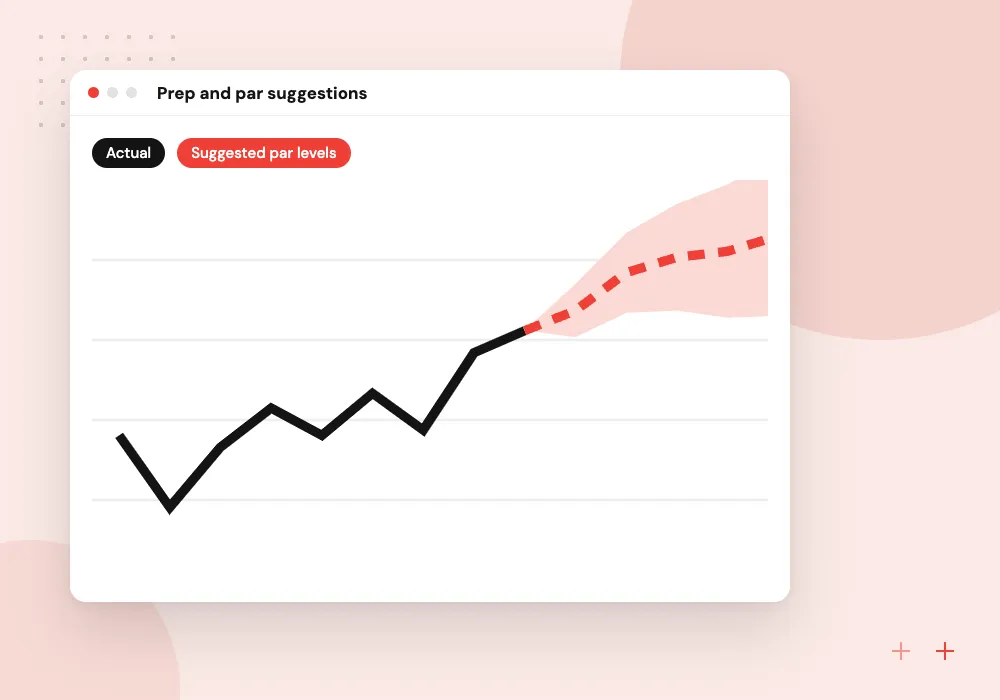
Prep and par suggestions
Uses sales history, reservations and the weather forecast to suggest par levels and prep quantities for the next service, which the chef adjusts.
AI phone ordering and reservations
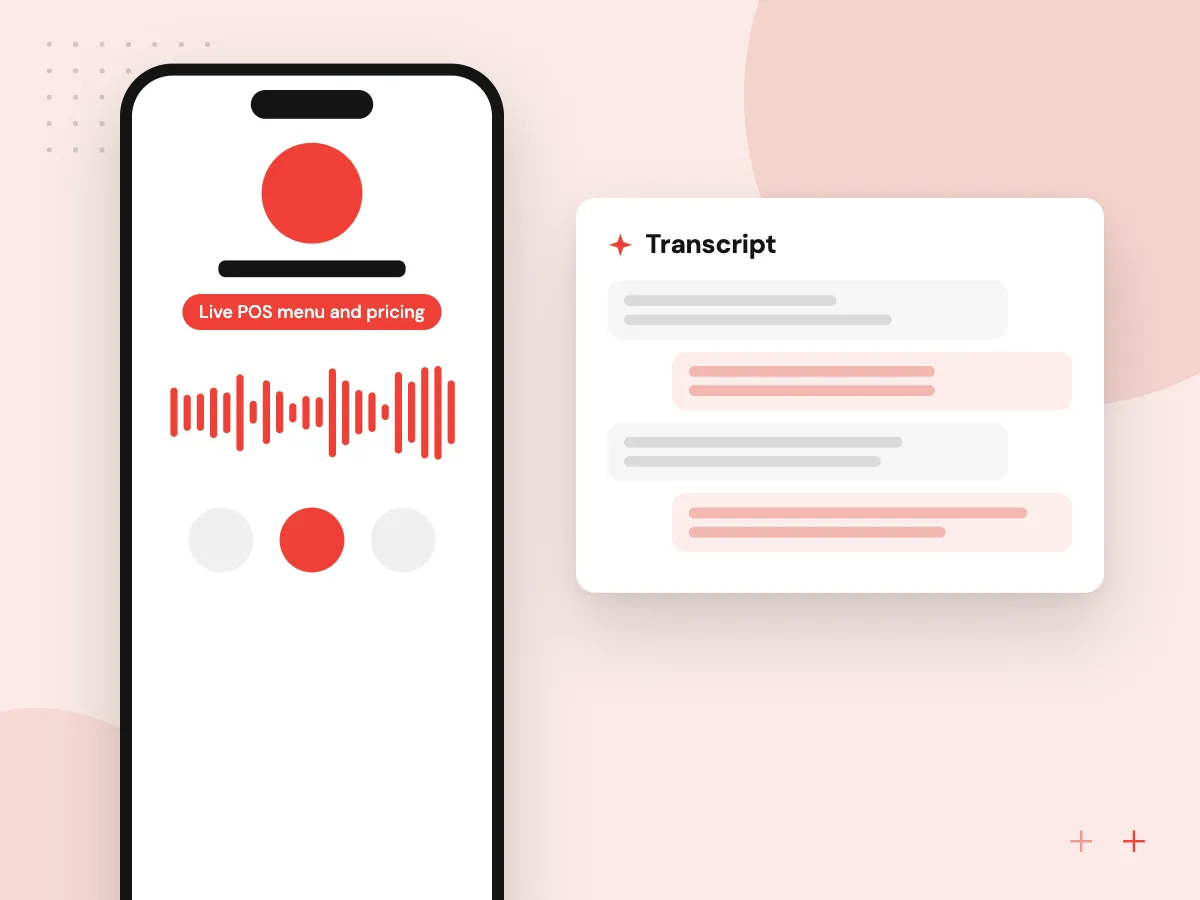
A voice agent takes takeout orders and table bookings when the line is busy or the dining room is closed. It follows your menu structure, asks for required choices like size or doneness, quotes totals from the POS and transfers to the host stand whenever a caller asks or an order gets complicated.
What we do
- Live POS menu and pricing
- Add-on prompts you approve
- Reservation book updates
- Transfer to staff on request
- Call recordings for review
- After-hours ordering rules
Menu data and allergen safeguards
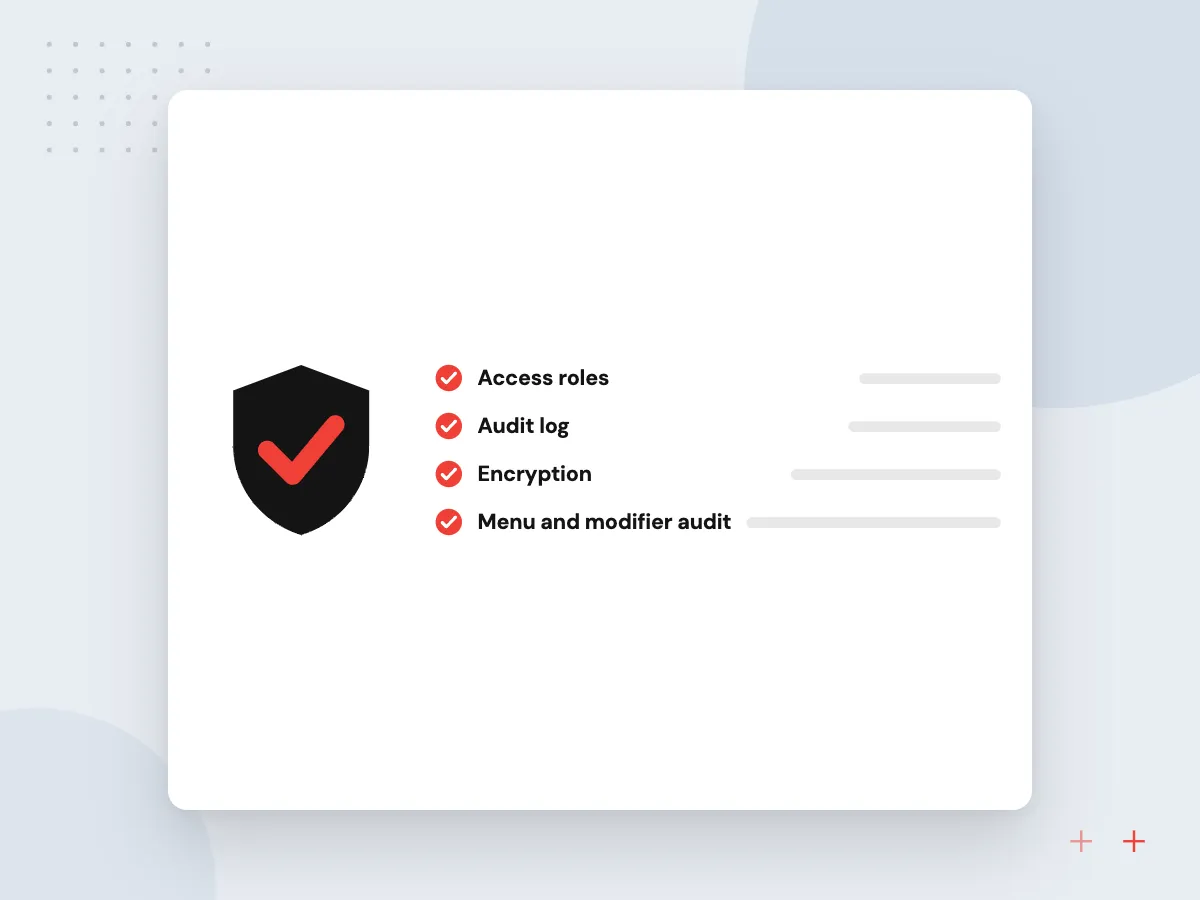
The agent is only as accurate as the menu behind it. Before launch we audit items, modifiers, prices and the allergen flags your kitchen keeps for each dish. On a call, the agent states what the menu lists, logs every allergy question and hands anything beyond that to staff.
What we do
- Menu and modifier audit
- Allergen flags for each dish
- Staff handoff for allergy calls
- Sold-out item sync from the POS
- Log of allergy conversations

How we approach a project
In the back office, AI invoice processing reads supplier invoices and credit memos and prepares entries for your accounting system. AI inventory management compares counts with theoretical usage to point at waste or missing deliveries.
Allergens are where we draw a hard line. Under the FASTER Act, sesame became the ninth major allergen, and we ask for menu data that flags all nine. The agent repeats only what the menu lists and transfers cross-contact or substitution questions to staff. Owners can set up a 30-minute introductory call on our contact page.
How we work
- Menu and prices come from POS
- Allergy questions go to people
- Managers approve invoice exceptions
Our Process
-

Clean up the menu data
We check every item, modifier, price and allergen flag in the POS before any AI reads it.
-

Study real calls
With callers told they are recorded, sample calls show how guests order and where they get stuck.
-

Start in quiet hours
The agent takes calls during slow afternoons first while a manager listens and corrects it.
-

Add back-office jobs
Once phone orders run smoothly, invoice reading or prep suggestions reuse the same data connections.
Why restaurants work with Aranv
Your POS stays the source
Menu items, prices and sold-out flags come from the POS you already run, so a manager’s change reaches the phone agent on the next sync.
Safety rules before features
Allergy handling, payment security and transfer rules are agreed and tested before the agent takes a single live order.
Tested in real service noise
We test with kitchen noise, rushed callers and mid-shift menu changes, not only with clean scripts recorded in a quiet office.
Plain monthly reviews
Each month we go through failed calls, transfers and invoice exceptions with the manager and agree what to change next.
Planning AI for Restaurants?
Book a 30-minute conversation with the team that would build it.
Restaurant AI FAQs
-
How does AI phone ordering work for a restaurant?
A voice agent answers, takes the order item by item from your live POS menu, asks for required choices, reads the order back and gives a total and pickup time. The ticket then goes into the POS, and a caller who wants staff is put through to the host stand.
-
Can the AI handle food allergy questions?
Only in a limited way, by design. It can say which allergens your menu data lists for a dish, but questions about cross-contact, substitutions or a severe allergy go to a staff member. Guessing about ingredients is a safety risk we do not let the agent take.
-
Which POS systems can restaurant AI connect to?
Many cloud POS platforms offer APIs or partner programs for menus and orders, but access rules differ and some require approval before outside software can send orders. We confirm what your POS allows during discovery and use an online ordering integration where direct order entry is not permitted.
-
Can AI help with food costs?
It can show where costs move. Reading every supplier invoice exposes price increases line by line, and comparing purchases with sales shows where usage runs above recipe amounts. The chef or owner still decides on menu prices, portions and suppliers.
-
What should a restaurant prepare before starting?
A clean menu export with modifiers and allergen flags, POS and reservation system access, sample supplier invoices and a manager who can listen to test calls. Groups with several locations should list the items, prices and hours that differ by site.

Let’s talk about your next step
Contact Aranv to discuss your workflow, current tools, and goals. Meet with our team or send an inquiry.
Book a meeting with our team
Choose an available date and time for a 30-minute conversation about your project.
Tell us about your project
Share a few details so we can discuss a useful next step.
Prefer email? sales@aranv.com