


What AI for nonprofits includes
Aranv builds AI for nonprofits with small teams and tight budgets: first drafts of grant applications and funder reports from your own program data, cleaner donor records and acknowledgment letters, and volunteer scheduling help, with staff reviewing every submission and donor message before it goes out.
Nonprofits often run on a donor CRM, an accounting package, a volunteer tool and many spreadsheets. We work with those systems rather than adding another subscription. For custom donor, program or case management software, see our nonprofit software development page.
Grant work follows the same pattern as AI proposal writing: answers built from approved content, with sources noted. Program staff can search policies, past reports and board minutes through an AI knowledge base, and paper donor and volunteer forms can be read into the CRM with AI data entry automation.
How a grant application draft comes together
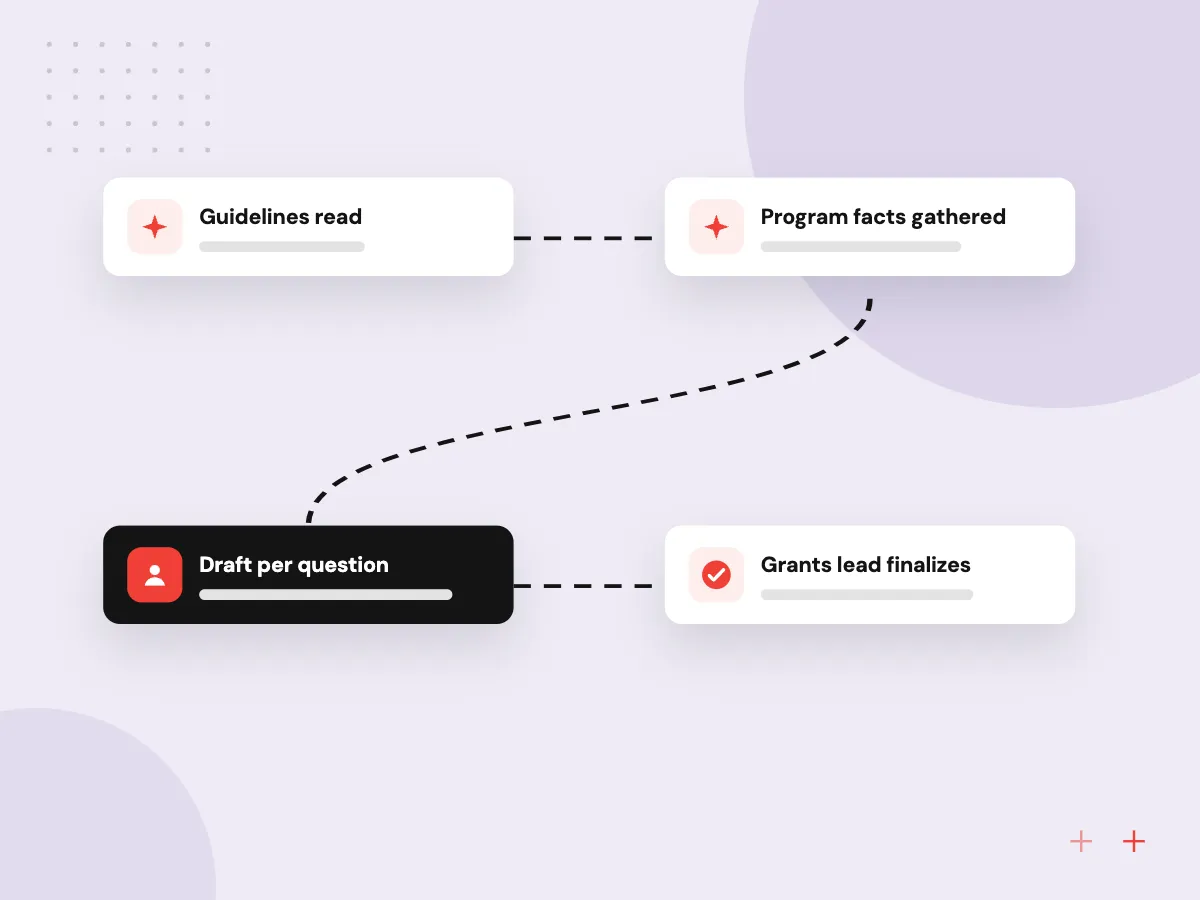
From funder guidelines to a reviewed draft
- 01 Guidelines read The funder’s questions, word limits and required attachments become a checklist.
- 02 Program facts gathered Outcomes, budgets and stories come from your reports and past applications, not the model.
- 03 Draft per question Each answer is drafted within its limit, with the source of every figure noted.
- 04 Grants lead finalizes Your grants lead edits the voice, checks each number and submits.
Some funders ask whether AI was used. A source log makes that question easy to answer.
Nonprofit AI solutions for small teams
Most nonprofits have fewer staff than the work needs. These projects target hours lost to repeated writing, data cleanup and scheduling.
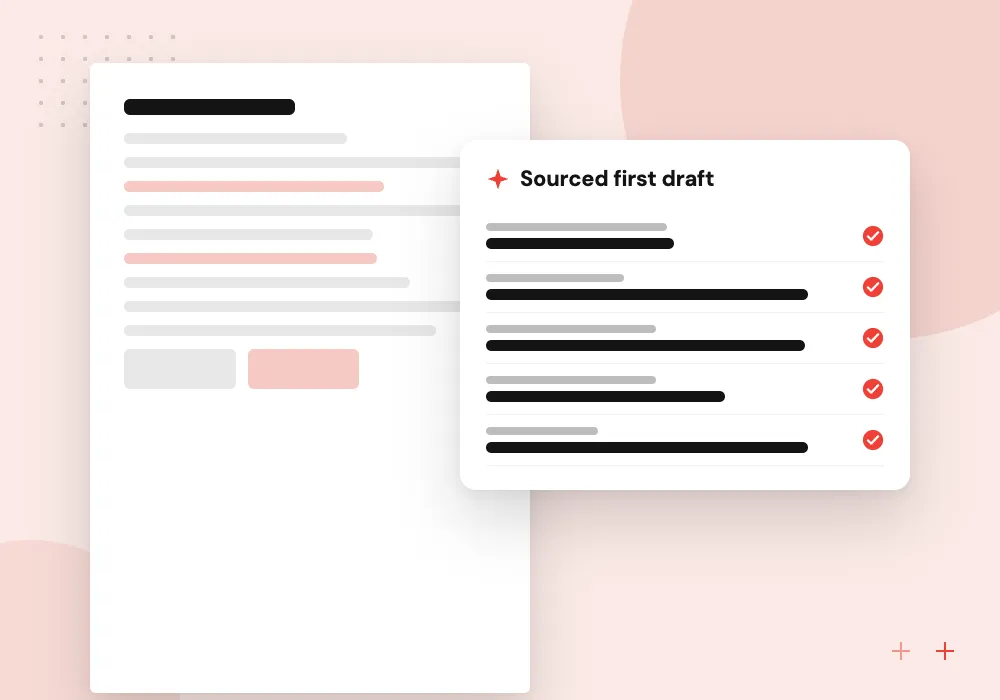
Grant drafting support
Turns funder guidelines into a checklist and drafts answers from your program reports and past proposals, with each figure traced to its source.
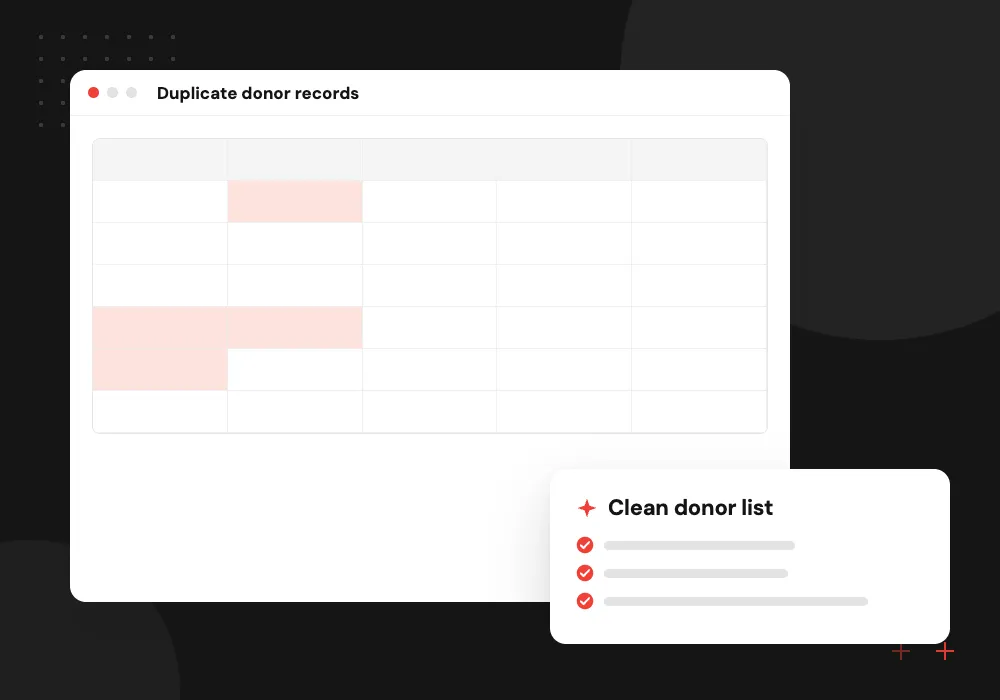
Donor data cleanup
Finds duplicate donor records, fixes names and addresses and suggests merges in your CRM for a development staff member to approve.
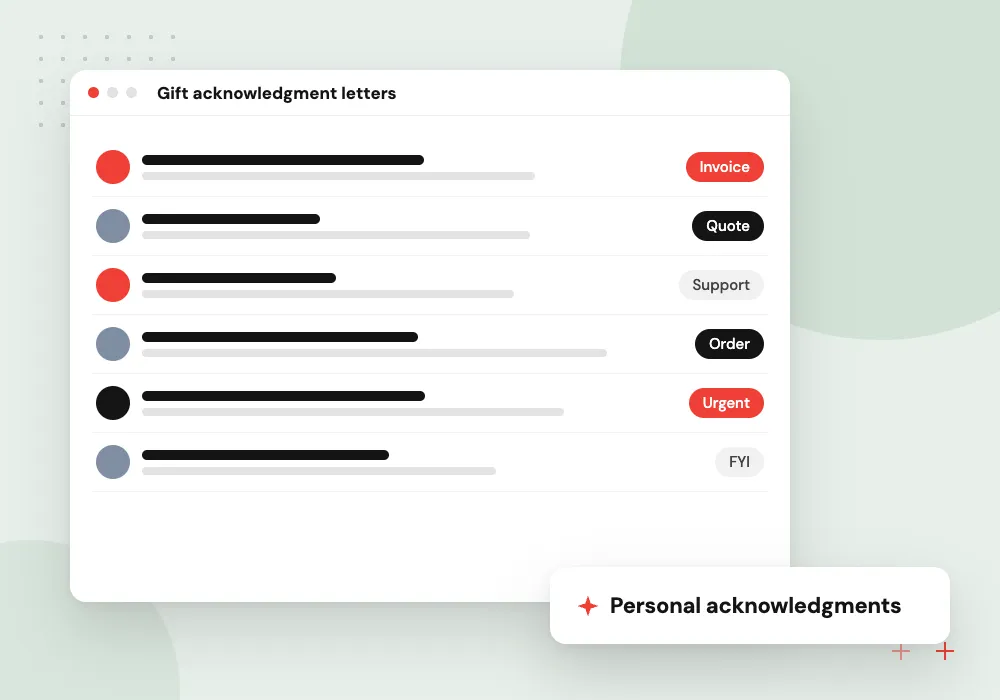
Gift acknowledgment letters
Drafts personal thank-you letters with the gift details and the tax wording your organization uses, ready for staff to check and sign.
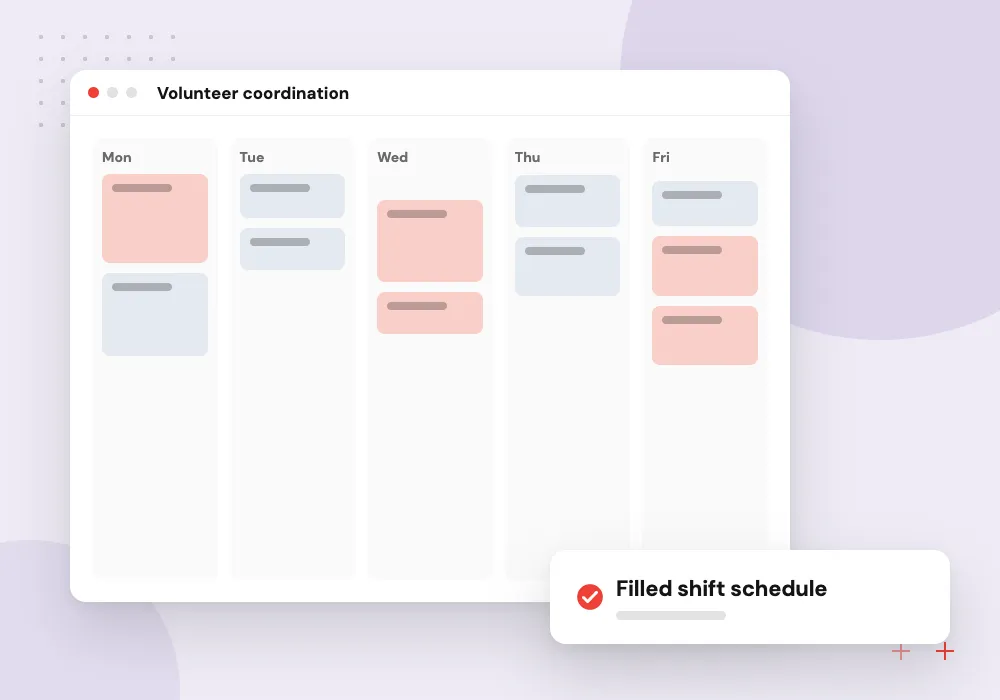
Volunteer coordination
Matches volunteer availability and skills to shifts, sends reminders and fills gaps from a standby list, with the coordinator approving changes.
Grant and report drafting with sources
Staff upload the funder’s guidelines and the tool builds a checklist of questions, limits and attachments. It drafts each answer from your program reports, budgets and past applications, notes where every figure came from and marks gaps that need a staff answer. Final reports to funders follow the same pattern using your outcome data.
What we do
- Funder guideline checklist
- Answers drafted within word limits
- Source note for every figure
- Gap list for staff input
- Library of approved content
Donor data care and staff review
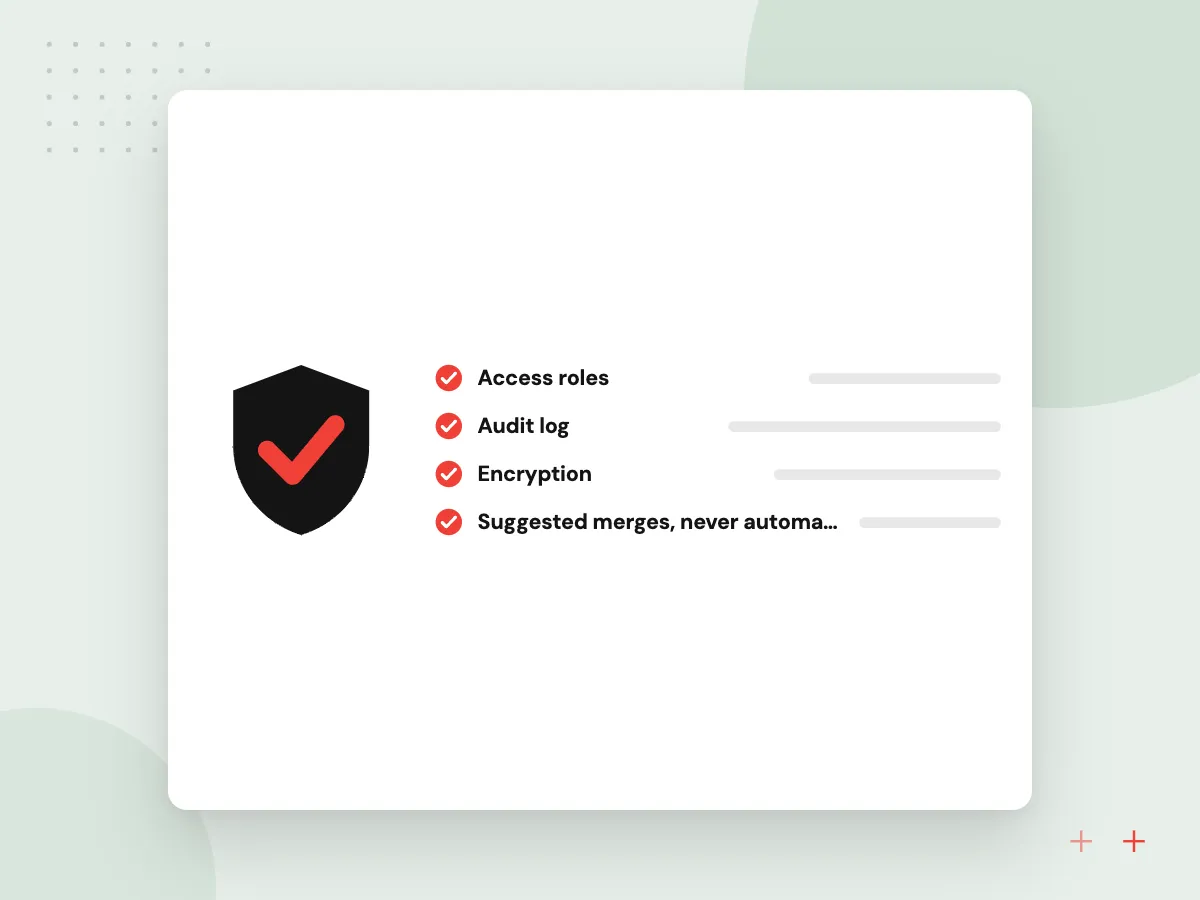
Donor trust is hard to win back. We keep the model’s view of donor records narrow, run merges and edits as suggestions for a development staff member and log each change. Letters, appeals and funder submissions always pass a named reviewer, and contact preferences recorded in your CRM are respected.
What we do
- Suggested merges, never automatic
- Field-level access limits
- Change log on donor records
- Named reviewer for each letter
- Do-not-contact flags respected

How we approach a project
Budgets shape the design. We favor usage-based model pricing, nonprofit licenses you may already hold and small first releases, and we can begin with an AI proof of concept that tests one idea on real documents before a larger commitment.
Donor and client records get the same care as any customer data: the model sees only what a task needs, data stays out of model training and your gift acceptance and privacy policies apply. Executive directors can ask for a 30-minute call with our team via the contact page.
How we work
- Staff approve every funder submission
- Donor records handled with care
- Small first projects, low running costs
Our Process
-

Count the hours
We ask staff where writing, data cleanup and scheduling take the most time each month.
-

Choose one affordable task
We pick a task that can run on tools you already pay for, with modest usage costs.
-

Test on last year’s grants
The tool drafts answers for applications you already submitted, so staff can compare quality.
-

Hand over and train
Staff get a short guide, a review checklist and a named contact for questions after launch.
Why nonprofits work with Aranv
Scoped to your budget
We start with one task that fits the tools and licenses you already have, and we say plainly when a spreadsheet or template is enough.
Your voice stays yours
Drafts come from your reports and past applications, and staff edit every submission, so funders hear the organization rather than a generic model.
Training for small teams
Staff get a short written guide and a review checklist, so the tool keeps working when volunteers or employees change.
Running costs shown upfront
We design for usage-based model pricing and simple hosting, and we estimate monthly running costs before you approve the build.
Planning AI for Nonprofits?
Book a 30-minute conversation with the team that would build it.
Nonprofit AI FAQs
-
Can AI write grant applications for us?
It can write first drafts from your own material: program reports, budgets, outcome data and past proposals. A grants lead still edits, checks every number against its source and submits. Funders back relationships and results, so the voice and the facts must stay yours.
-
Is AI affordable for a small nonprofit?
Often, when the scope is narrow. Model usage for drafting and data cleanup is billed per use, and many projects run on tools you already license. We start with one task, measure staff time before and after, and expand only if it makes sense for your budget.
-
How can AI help with fundraising?
In supporting roles: cleaning donor data, segmenting lists by giving history, drafting appeal variations for staff to edit and writing thank-you letters with the right gift details. Relationships with major donors and board members stay with people.
-
Do AI-drafted acknowledgment letters meet IRS rules?
They can, if the template holds the required details. For a gift of $250 or more, the IRS lists what the written acknowledgment must contain, including the organization’s name and the cash amount. We build those into the template and staff check each letter. Confirm wording with your accountant.
-
How do you protect donor privacy?
Models see only the fields a task needs, providers may not train on your data, access is limited by role and logged, and your published privacy policy applies. Projects touching client services, such as case notes, get extra review with your leadership.

Let’s talk about your next step
Contact Aranv to discuss your workflow, current tools, and goals. Meet with our team or send an inquiry.
Book a meeting with our team
Choose an available date and time for a 30-minute conversation about your project.
Tell us about your project
Share a few details so we can discuss a useful next step.
Prefer email? sales@aranv.com