


What logistics AI work covers
Aranv builds AI in logistics for freight brokers, 3PLs, small fleets and shippers: tools that read bills of lading, PODs and carrier invoices, answer track-and-trace emails from live TMS data, flag late or at-risk loads and support lane and route planning, while dispatchers and billing staff decide what happens next.
Most logistics teams run a TMS, often a WMS, telematics or ELD data, EDI links with shippers and carriers, and an accounting package. AI sits on top of those systems and writes back to them. For the platform side, see logistics software development and fleet management software.
Document work runs on AI document processing, tuned for phone photos of folded BOLs as well as clean PDFs. Status mail suits AI email triage, which separates tracking requests from rate quotes and claims.
One load’s paperwork, handled
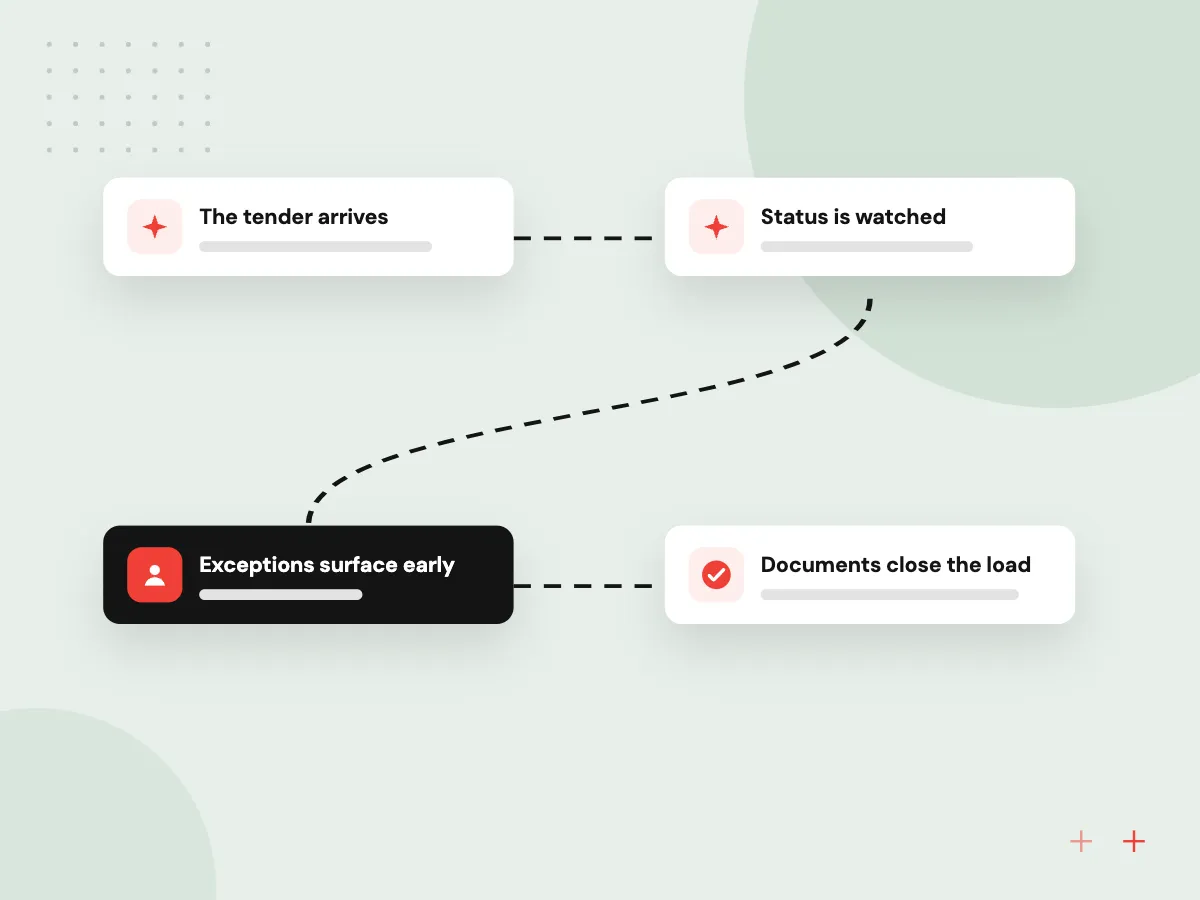
From tender to paid invoice
- 01 The tender arrives An EDI 204, email or portal order becomes a load in the TMS.
- 02 Status is watched Carrier updates, ELD pings and EDI 214 messages are checked against appointments.
- 03 Exceptions surface early A late pickup or missed check call raises an alert with a drafted customer note.
- 04 Documents close the load The POD and carrier invoice are matched to the rate confirmation, then sent to billing.
Carrier choice, rates, claims and anything a driver is asked to do stay with your team.
Logistics AI solutions we build
Freight runs on documents and status checks, and both pile up whenever volume rises.
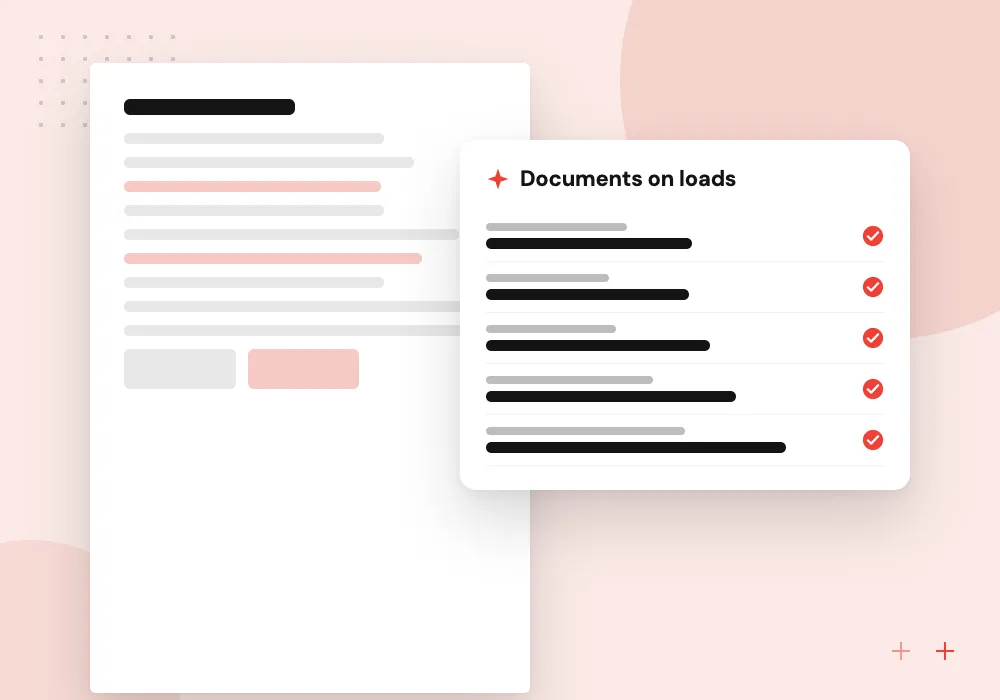
Freight document intake
Reads bills of lading, PODs, rate confirmations and lumper receipts from email and driver apps, and attaches each one to the right load.
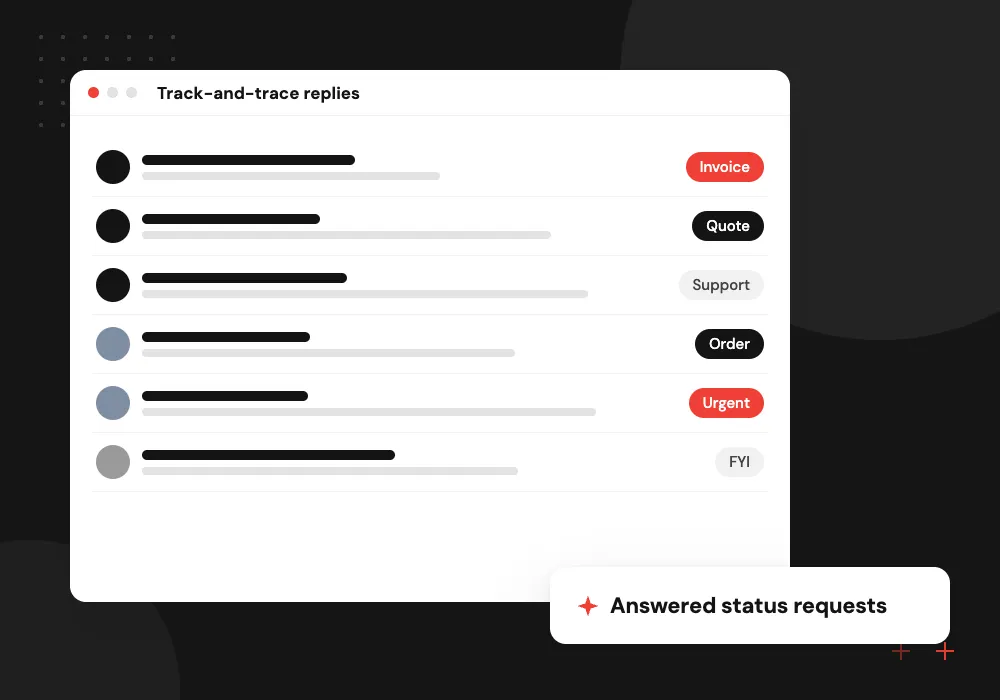
Track-and-trace replies
Answers where-is-my-load emails from TMS and carrier status data, and hands late or disputed loads to the account rep.

Exception alerts
Watches pickups, check calls, dwell time and reefer temperatures, and raises an alert with a suggested next step before the customer calls.
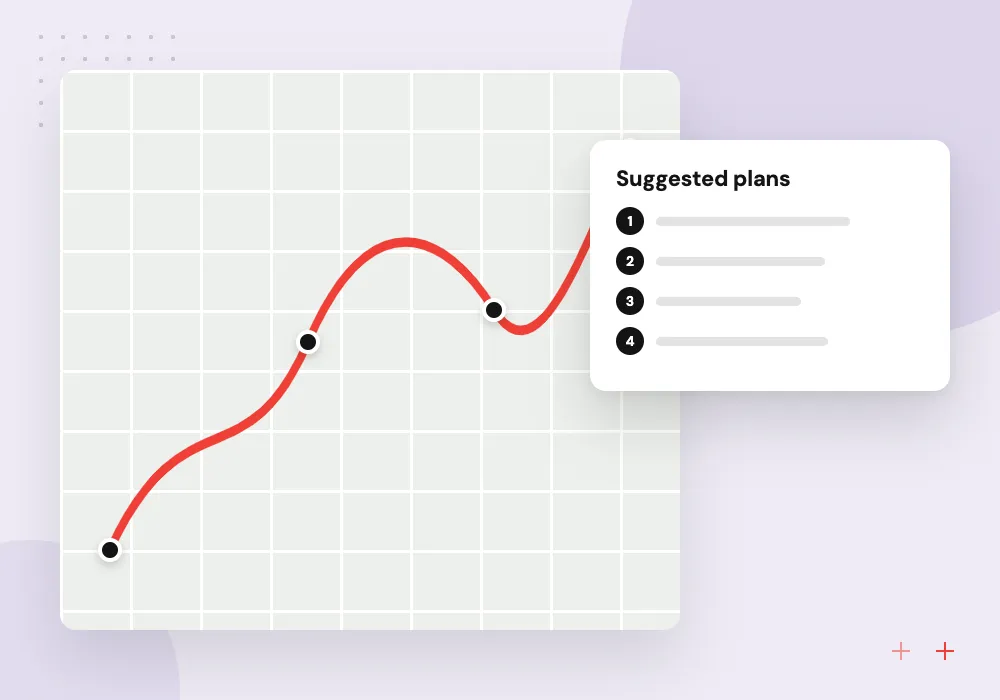
Lane and route planning
Uses shipment history to suggest consolidations, expected lane volumes and stop sequences that dispatchers can accept or change.
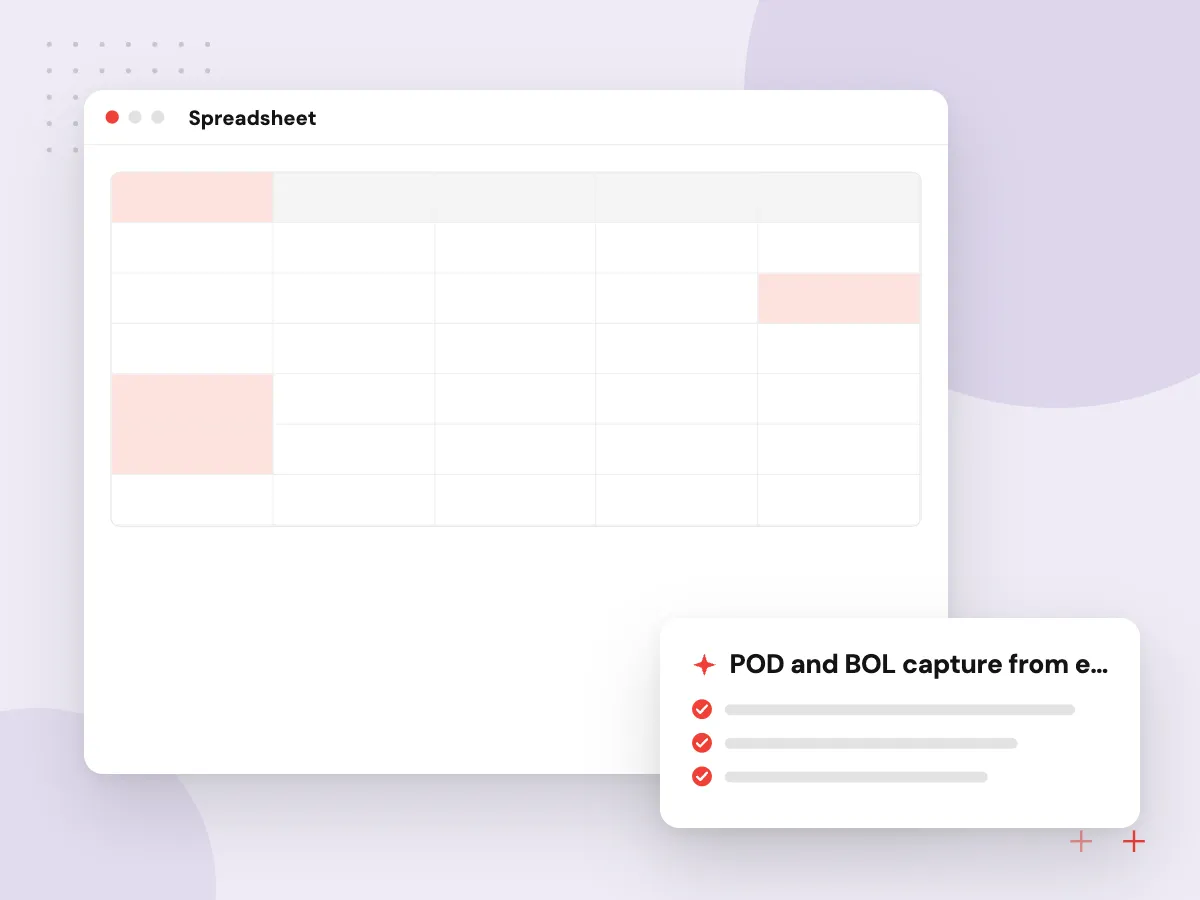
Carrier invoice and POD matching
Billing clerks spend hours comparing carrier invoices with rate confirmations and PODs. The tool reads each document, ties it to the load, checks linehaul, fuel and accessorials against what was agreed, and passes clean matches to accounting while holding detention, layover or lumper charges that lack support.
What we do
- POD and BOL capture from email
- Rate confirmation matching
- Accessorial charge checks
- OS&D notes flagged for claims
- Export to your accounting system
Exception handling with people in charge
A missed pickup or a reefer running warm needs a quick and correct response. The assistant gathers facts from the TMS, ELD and carrier messages, drafts the customer update and lists recovery options, such as a backup carrier or a new appointment. A dispatcher picks the option and sends it.
What we do
- Rules per customer and lane
- Drafted customer updates
- Backup carrier shortlists
- Appointment rebooking drafts
- Exception history by carrier

How we approach a project
Planning uses history you already have. AI route optimization sequences stops within delivery windows and hours-of-service limits, and AI demand forecasting projects lane volume so capacity is lined up early.
When the work takes several steps, such as checking status, drafting an update and opening a task, we build an AI agent with narrow permissions. It reads loads and drafts messages, while tendering, rate changes and payments wait for a person.
How we work
- Dispatchers decide, AI drafts and alerts
- Every answer from live load data
- Paperwork matched before money moves
Our Process
-

Pull a week of real traffic
We collect a week of status emails, documents and exceptions to see what repeats and where staff lose time.
-

Map systems and permissions
TMS, ELD, EDI and accounting access are confirmed, and your operations lead sets what the AI may read, draft or change.
-

Shadow, then assist
The tool first runs beside your team without sending anything, then drafts replies and matches that staff approve.
-

Hand over routine work
Clean document matches and plain status replies move to the tool, while people keep exceptions, claims and rates.
Why logistics teams choose Aranv
Answers from live load data
Replies and alerts come from your TMS, carrier updates and ELD data at the moment they are sent, never from a stale copy or a model’s guess.
Money moves after matching
Carrier invoices reach accounting only when they match the rate confirmation and POD, and unsupported charges wait for a billing clerk.
Narrow permissions by design
The AI reads loads and drafts messages. Tendering, rate changes, payments and claims need a person, and every action is logged.
Ready for messy paperwork
We test on your real scans, including folded BOLs and handwritten notes, and route unclear fields to staff instead of guessing.
Planning AI for Logistics and Supply Chain?
Book a 30-minute conversation with the team that would build it.
Logistics AI questions
-
Can AI answer track-and-trace emails for our customers?
Yes, for routine status requests. It reads the load in your TMS along with carrier and ELD updates, then replies with the current location, appointment time and any known delay. Loads that are late, disputed or missing an update go to a rep with a drafted note.
-
Does AI work with our TMS and EDI connections?
If your TMS has an API, database access or dependable exports, we can connect to it, and EDI 204, 210 and 214 messages can be read as they flow. Discovery confirms what each system allows before we estimate the work.
-
How accurate is AI at reading bills of lading and PODs?
It depends on image quality and layout. Clean PDFs read well, while blurry phone photos and handwritten notes are harder. We measure accuracy on a sample of your own documents before launch, send low-confidence fields to a person and track error rates after go-live.
-
Will AI make decisions about carriers or rates?
Not by default. It can rank carriers by past performance or suggest a rate range from earlier loads, but tendering, rate changes and claims stay with your team. Any automatic action is agreed in writing and limited to cases you define.
-
What drives the cost of AI for a logistics company?
The number of document types, the systems and EDI partners we connect, message volume and how much exception logic each customer needs. Discovery ends with a phased written estimate that starts with the workflow saving the most staff time.

Let’s talk about your next step
Contact Aranv to discuss your workflow, current tools, and goals. Meet with our team or send an inquiry.
Book a meeting with our team
Choose an available date and time for a 30-minute conversation about your project.
Tell us about your project
Share a few details so we can discuss a useful next step.
Prefer email? sales@aranv.com