


What AI solutions for education include
Aranv builds AI solutions for education that answer admissions and enrollment questions, help instructors prepare course materials and take routine paperwork off school and college staff, with student records handled under FERPA rules and a staff member approving anything sent to families.
Most institutions already run a student information system (SIS), a learning management system (LMS) and an admissions CRM. We add AI around them. When the platform itself is the gap, our LMS development team builds or extends it, and the education software development page covers wider systems work.
Admissions and help desk assistants are usually built with retrieval-augmented generation, so replies come from the catalog and handbook you maintain rather than from the model’s memory. Email from applicants can be sorted with AI email triage, and routine questions answered from an AI knowledge base that staff edit themselves.
How an admissions question gets answered
From inquiry to a checked reply
- 01 Inquiry arrives A prospective student asks about deadlines, transfer credit or aid by chat or email.
- 02 Answer drawn from policy The assistant searches the catalog, admissions pages and aid policies, citing each source.
- 03 Edge cases go to staff Anything about one specific application or record is routed to an admissions counselor.
- 04 Counselor sees the thread The whole conversation lands in the CRM, so nobody asks the student twice.
Public questions use public documents. Record questions need a signed-in, authorized user.
AI for schools and higher education offices
Schools run on calendars, handbooks and forms. Good first projects take repeated questions and paperwork off people who also teach, advise and enroll.
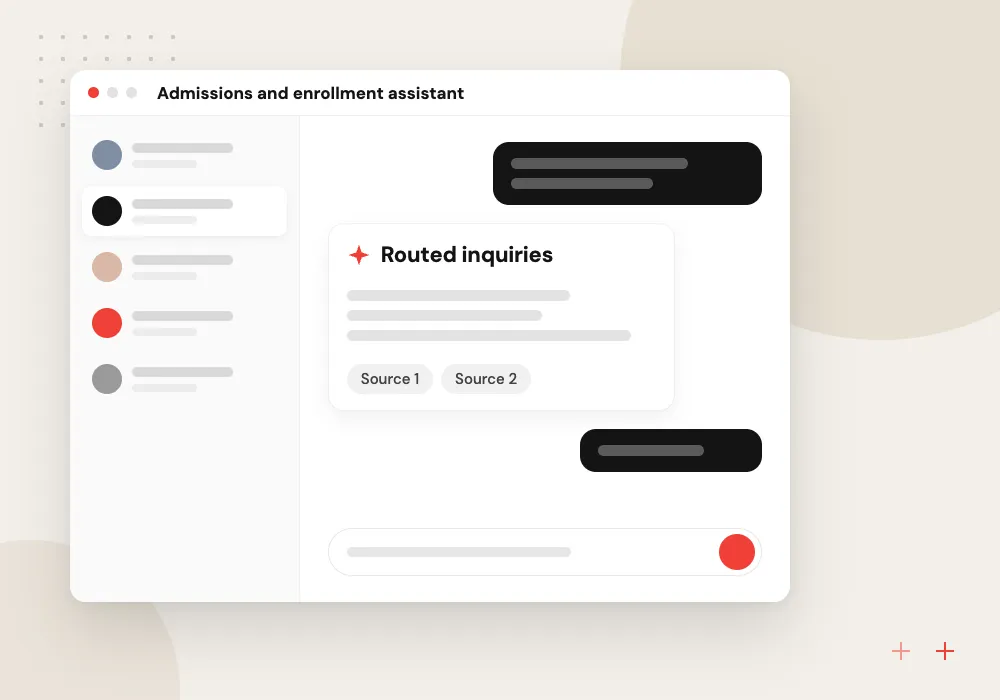
Admissions and enrollment assistant
Answers questions on deadlines, programs, tuition and required documents from your published pages, then books a campus visit or hands off to a counselor.
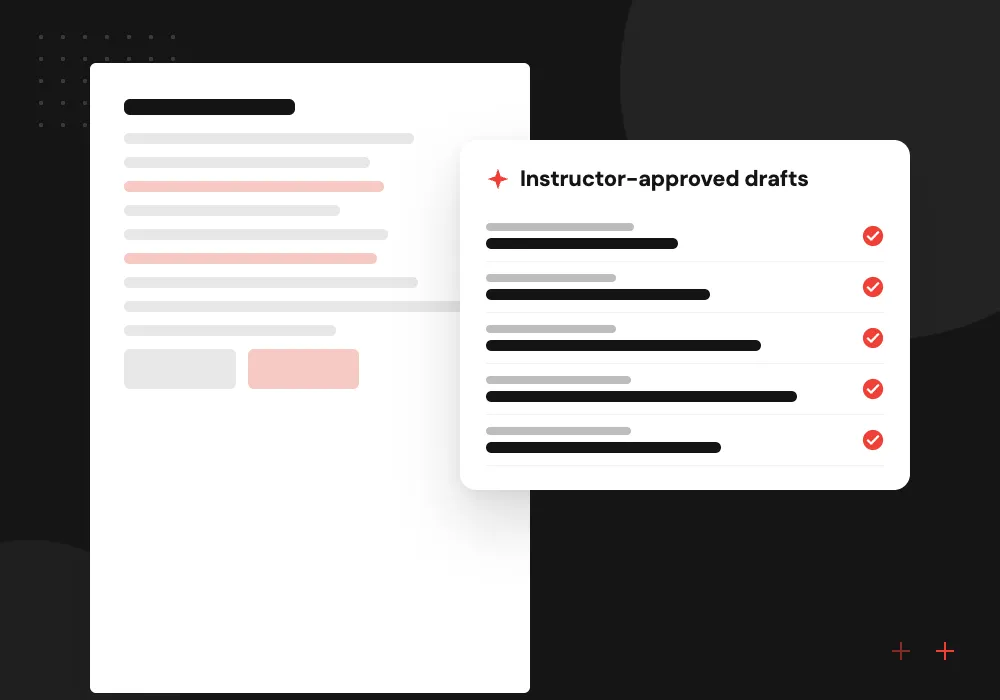
Course material support
Drafts quiz questions, reading guides and rubric wording from a syllabus the instructor supplies. The instructor edits and approves every item before students see it.
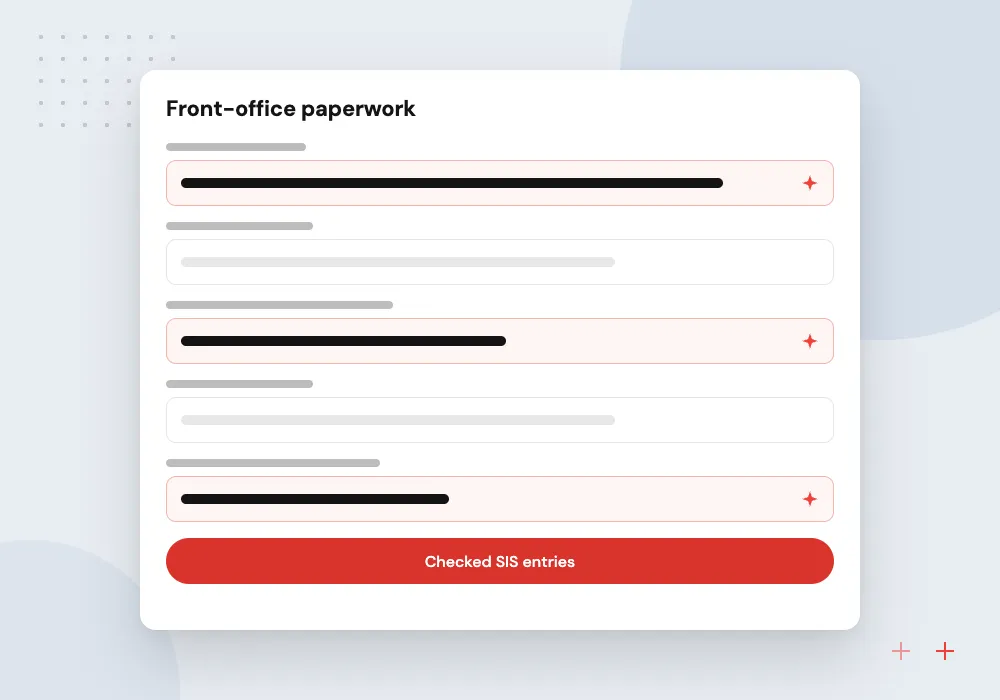
Front-office paperwork
Reads enrollment packets, immunization forms and transcript requests, fills the matching student information system fields and flags missing pages for the registrar.
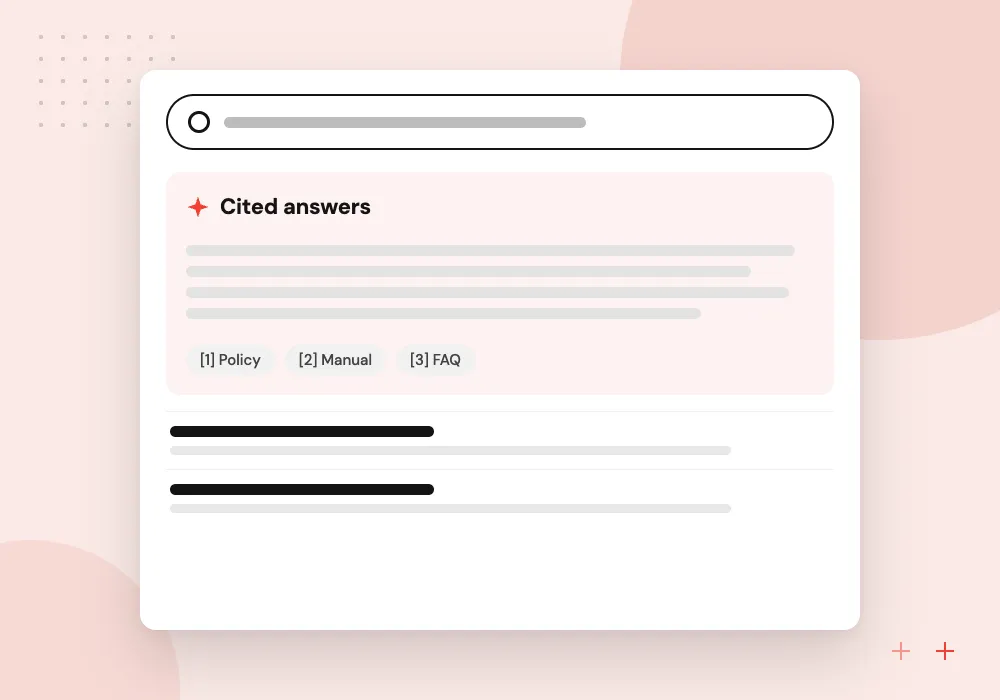
Policy and handbook search
Staff ask how the attendance policy, a grade appeal or the leave process works and get the answer with a link to the exact handbook section.
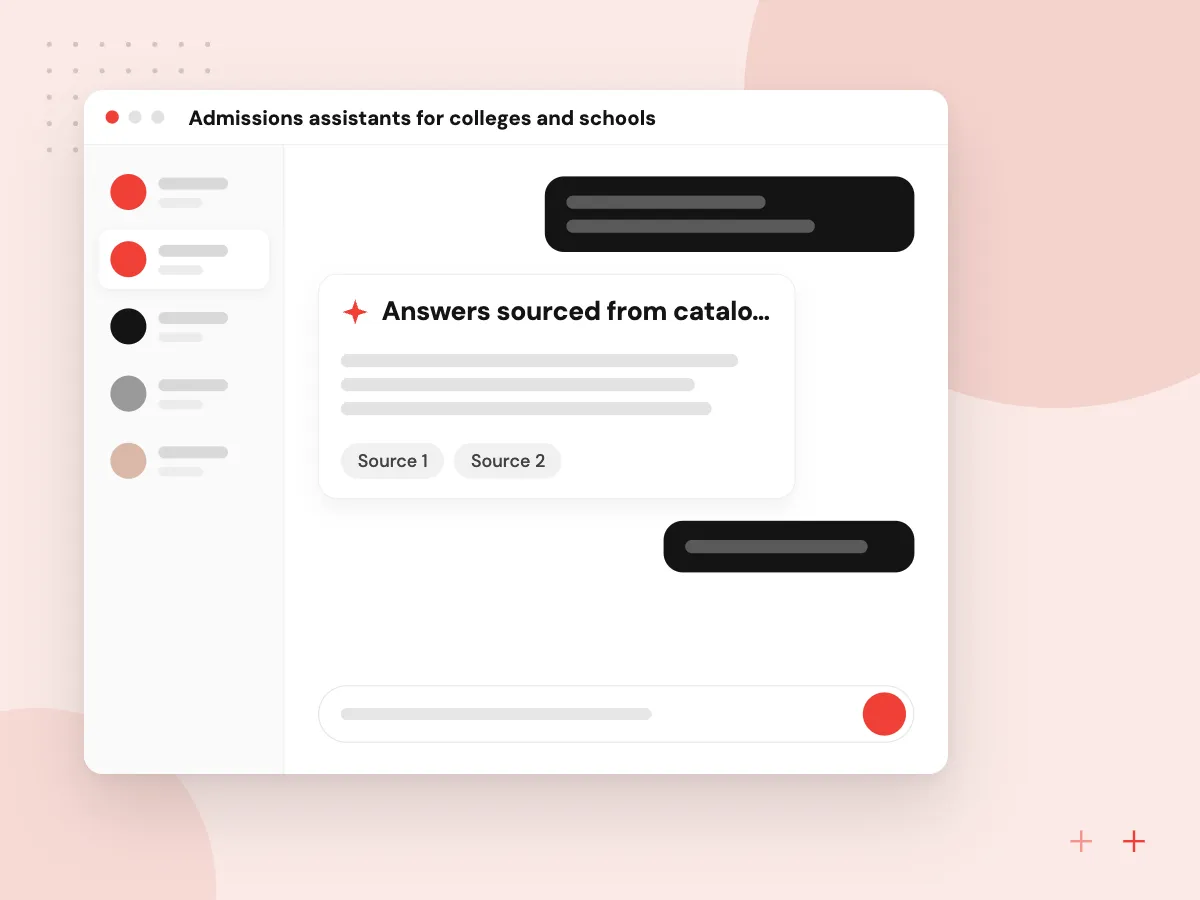
Admissions assistants for colleges and schools
An assistant on your website and inquiry inbox answers program, deadline and tuition questions from the catalog, logs each inquiry in the CRM and books campus visits. It replies in the languages your families use, shows the page behind each answer and passes anything about an individual application to a counselor.
What we do
- Answers sourced from catalog and FAQs
- Campus visit booking
- CRM record for every inquiry
- Replies in Spanish and other languages
- Counselor handoff rules
Student data and review controls
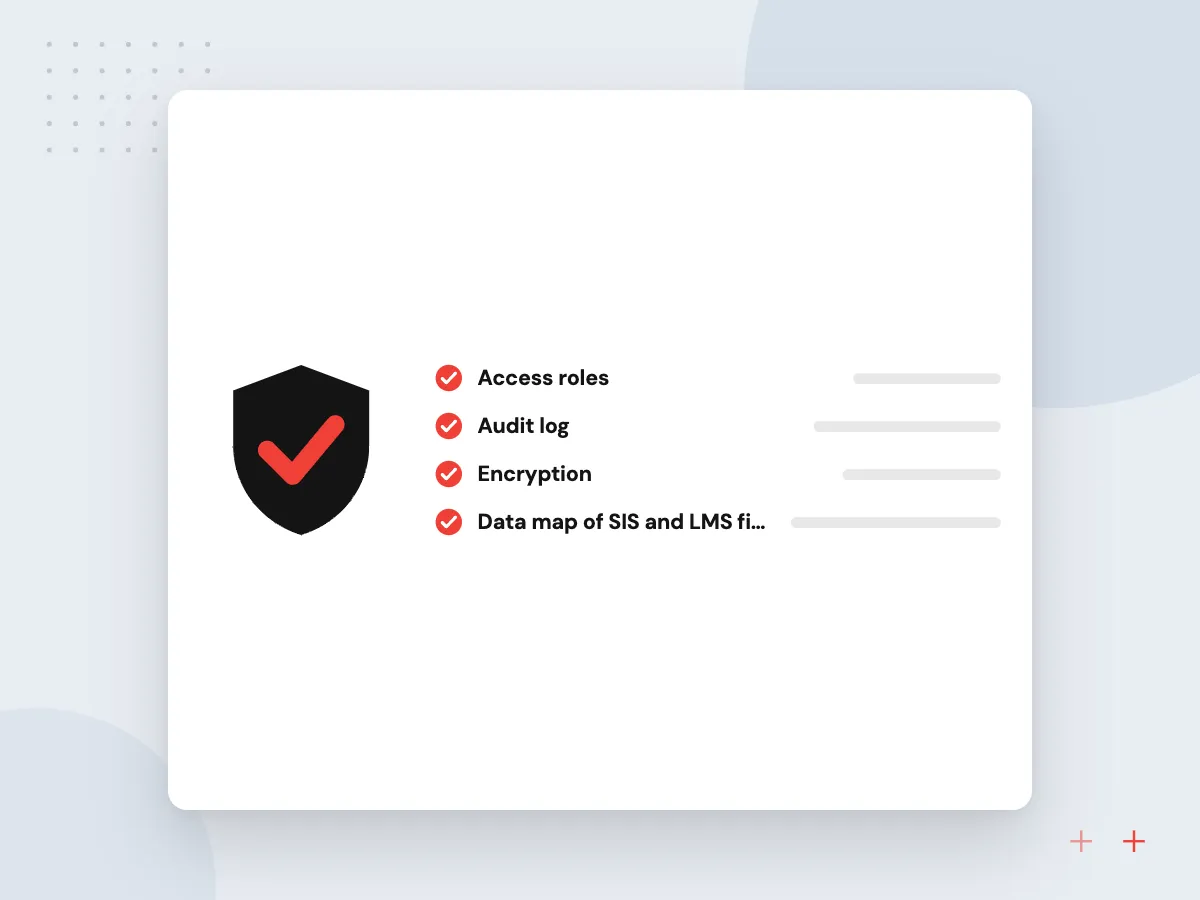
Before any build, we agree with your registrar which systems the AI may read, which fields it never sees and who reviews outputs before they reach a family. Permissions follow SIS roles, every request is logged and vendor terms are checked first.
What we do
- Data map of SIS and LMS fields
- Role-based access from the SIS
- No model training on student data
- Access log for audits
- Staff approval for family messages

How we approach a project
Student data rules shape the design. Under FERPA, disclosure of education records is controlled, so the assistant reads a record only for a signed-in user whose role allows it, and the model provider’s terms must rule out training on that data. For K-12 tools we also review state student privacy laws and the vendor agreement your district uses.
Instructors and administrators also need clear rules on where drafting tools belong; our AI acceptable use policy guide is a practical place to begin. A first project usually starts with a 30-minute call, which you can request on our contact page.
How we work
- Student records stay behind sign-in
- Staff approve messages to families
- Answers cite the catalog or handbook
Our Process
-

Map the academic calendar
We note when inquiry, enrollment and grading peaks fall and plan testing and launch around them.
-

Sort public and protected data
Catalogs and FAQ pages go to the assistant first; student records follow only after a FERPA review with your registrar.
-

Pilot with one office
Admissions or the registrar uses the tool for a term while we read its answers each week.
-

Extend by department
After the pilot review, we add instructor tools or another office, each with its own source documents.
Why schools work with Aranv
Records rules agreed first
We write down which student data each tool may touch and get sign-off from your registrar or privacy officer before development starts.
Built around your SIS and LMS
The assistant works through systems your staff already use, so there is no second store of student information to secure.
Staff keep the final word
Instructors approve course materials and counselors own individual cases. The software drafts and sorts; people decide and send.
The institution owns the work
Prompts, source documents, test sets and code belong to the school under the contract, so you can switch vendors or bring the work in-house.
Planning AI Solutions for Education?
Book a 30-minute conversation with the team that would build it.
Education AI FAQs
-
Is it safe to use AI with student records?
It can be, when the design limits who sees what. We keep records out of public-facing assistants, check each request against the user’s SIS role, choose model providers that do not train on customer data and log every access. Your registrar or privacy officer signs off before launch.
-
Can an AI chatbot answer admissions questions for our college?
Yes, for questions your published materials already answer: deadlines, program requirements, tuition, housing and required documents. It cites the page it used and hands anything about a specific application, an exception or a financial aid decision to a counselor.
-
How does AI in higher education differ from AI for K-12 schools?
Mostly in who holds the rights and which rules apply. College students hold their own FERPA rights. K-12 projects involve parents, younger users, state student privacy laws and district vendor agreements, so student-facing features stay narrower and the district reviews them.
-
How do you stop students from getting wrong answers?
We test the assistant against real past questions before launch, require a cited source for each answer and have it say it does not know when no source fits. After launch, staff review a sample of conversations weekly and fix the documents behind weak answers.
-
What does a school need to provide for a first project?
A staff owner in the pilot office, the documents the assistant should rely on (catalog, handbook, FAQ pages), read access or exports from the systems involved and about an hour a week from someone who can judge answer quality. For records work, your privacy officer joins as well.

Let’s talk about your next step
Contact Aranv to discuss your workflow, current tools, and goals. Meet with our team or send an inquiry.
Book a meeting with our team
Choose an available date and time for a 30-minute conversation about your project.
Tell us about your project
Share a few details so we can discuss a useful next step.
Prefer email? sales@aranv.com