


What a telemedicine build includes
Aranv offers telemedicine app development for US clinics, therapy practices and digital health companies: video visits, online scheduling, intake forms, secure messaging and provider dashboards, with hosting, access and vendor agreements planned around the HIPAA requirements your compliance lead sets.
Telemedicine software touches protected health information from the first screen. When it does, HIPAA requirements shape where the app is hosted, who can open which records, how activity is logged and which business associate agreements are signed with the video, messaging and hosting vendors. Each of those choices is approved by your compliance lead before coding starts, and no vendor is assumed suitable until its agreement has been read.
We build on established video APIs that offer business associate agreements instead of writing video software ourselves, and wrap them in your scheduling, intake and waiting room. Relaxed federal enforcement for everyday video apps ended in 2023, so the vendor choice matters. Patients usually join by phone, so our mobile app development team keeps each step large and short.
From waiting room to virtual visit
A virtual visit, step by step
- 01 Patient books and consents The patient picks a time, completes intake and accepts telehealth consent online.
- 02 Provider reviews the chart Intake answers and the visit reason appear for the provider before the call.
- 03 Video visit runs The patient joins from a phone or browser through a virtual waiting room.
- 04 Notes and follow-up Visit notes go to the EHR, and the patient receives next steps.
Which data the app stores, and where, is decided with your compliance lead before the first sprint.
Telehealth platforms and virtual care apps we build
Most virtual care products combine a few of these parts, depending on the specialty and how visits are billed.
-
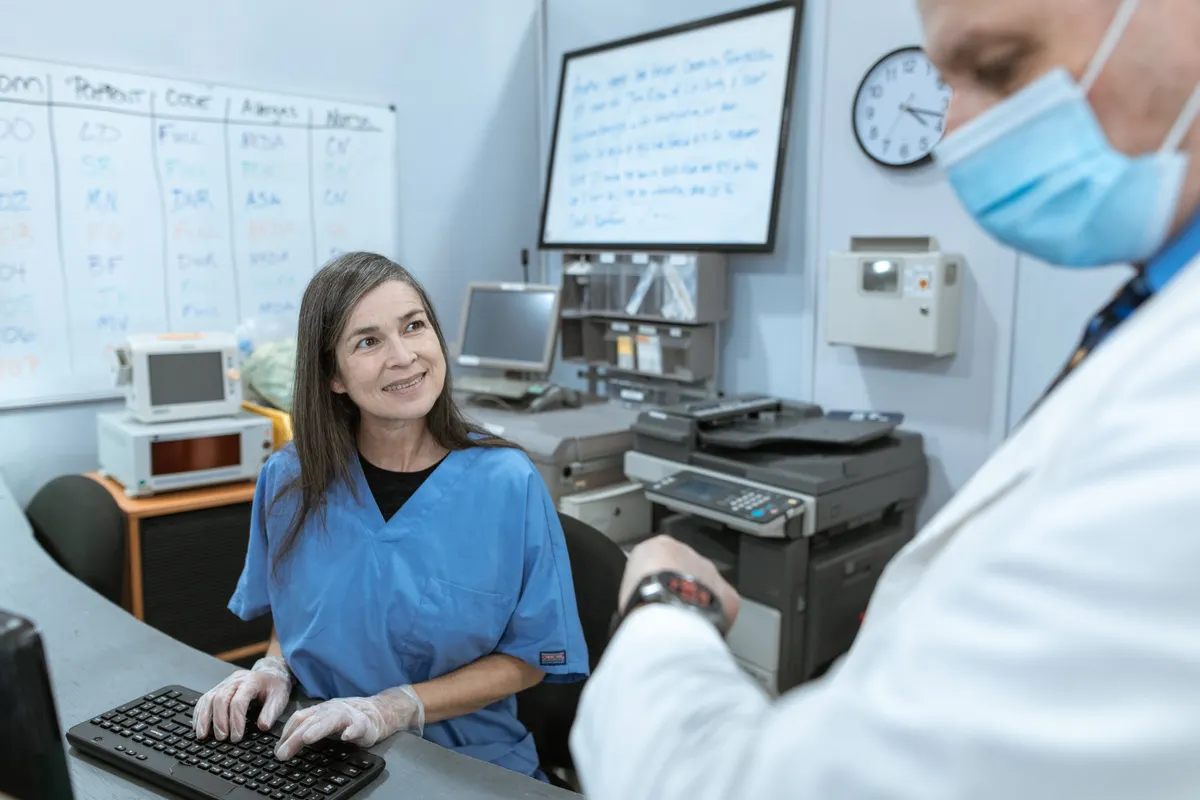
Video visit platforms
Scheduled and same-day video visits with a virtual waiting room, screen sharing for reviewing results, and a dial-in option when a patient’s connection fails.
-
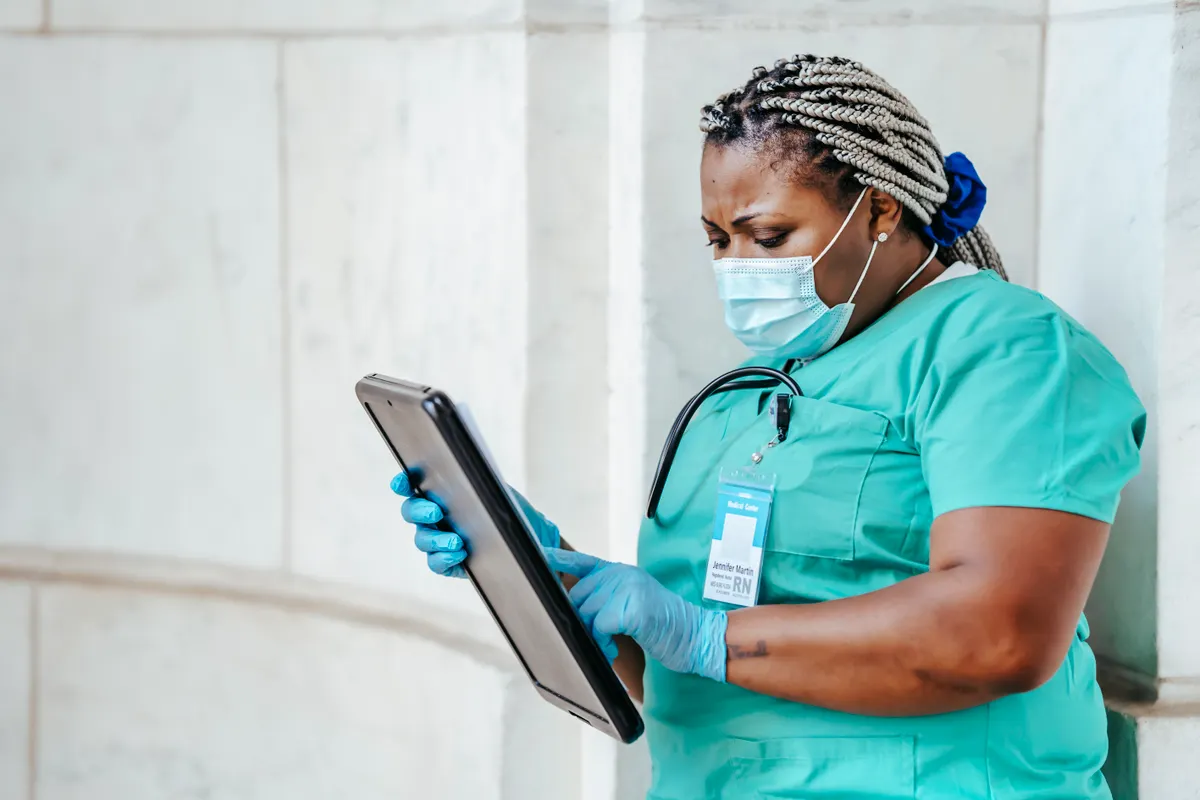
Remote patient monitoring
Readings from connected blood pressure cuffs, scales or glucose meters land in one dashboard, and out-of-range values are queued for a nurse to review.
-

Patient intake and messaging
Mobile intake forms, insurance card photos, consent capture and secure messages between visits, so front desk staff stop chasing paperwork by phone.
-
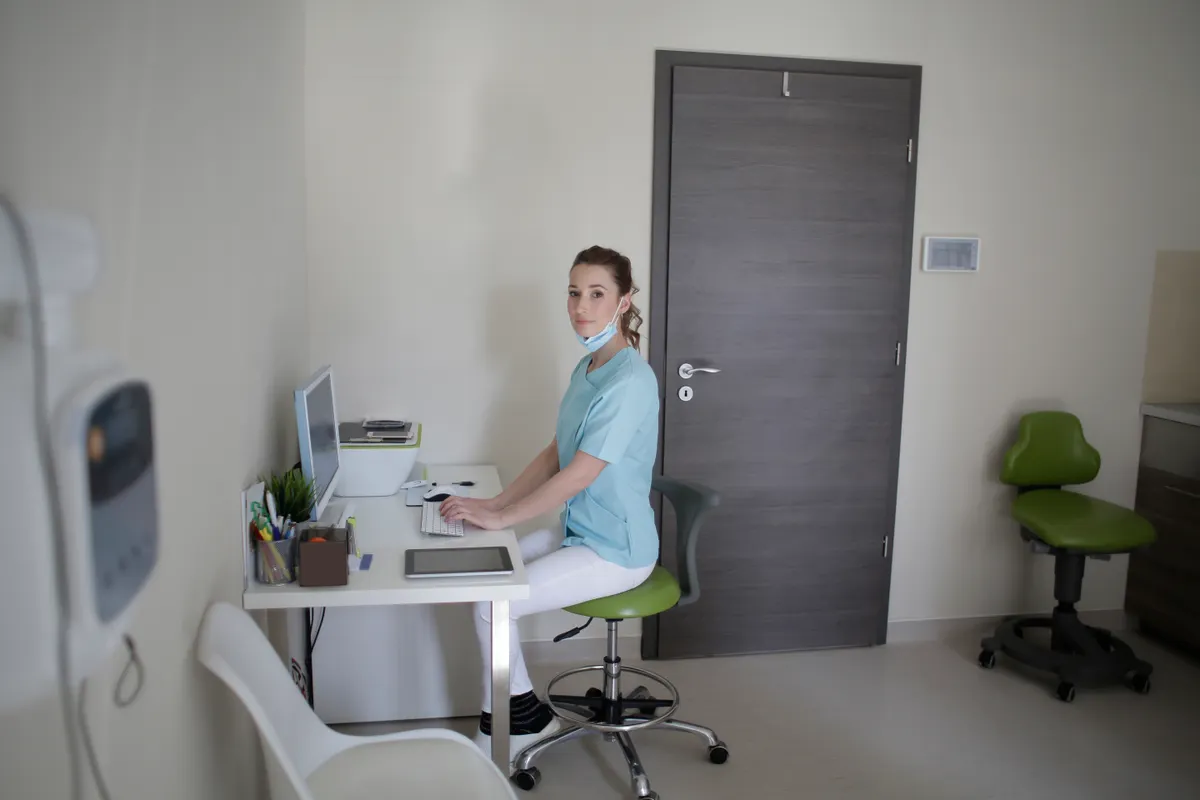
AI visit assistance
AI drafts visit summaries from provider notes, sorts incoming patient messages by urgency and answers scheduling questions, while a clinician or staff member reviews anything that affects care.

Telehealth platform development for provider teams
Providers need more than a video window. The provider side is a web dashboard with the day’s visits, intake answers, a waiting queue, one-click join and a notes panel that sends to the EHR. Front desk staff get a view for rescheduling and check-in.
What we do
- Provider visit schedule
- Virtual waiting room queue
- Intake and consent review
- Notes sent to the EHR
- Role-based access and audit logs
A virtual care app patients can manage
Many patients join from an older phone on a weak connection. The patient app keeps each step large and short: book, answer intake questions, photograph an insurance card, test the camera and microphone, then wait to be admitted. A dial-in number lets the visit continue by phone if video drops.
What we do
- Booking and reminders
- Device check before the visit
- Insurance card capture
- Secure messages between visits
- Phone audio fallback


How we approach a project
Most certified EHRs expose HL7 FHIR endpoints, and each vendor runs its own approval process for outside apps, so we check early which fields yours lets us read or write. Our healthcare software development page covers patient portals and practice tools beyond telehealth.
AI belongs in the administrative work around a visit: summaries a clinician edits, message sorting, and intake, described on our AI patient intake page. Model providers are chosen for data terms that fit your privacy requirements, and our HIPAA and AI guide lists what to plan for.
How we work
- Privacy rules agreed before the build
- Short flows for patients on phones
- Providers keep charting in their EHR
How a telemedicine project runs
-

Agree the data rules
Your compliance lead, our team and the vendors agree what data is stored, where it lives and who signs which agreement.
-

Design for patients and providers
We prototype booking, waiting room and visit screens and try them with staff and a few patients on their own phones.
-

Build and connect
Video, scheduling, intake and EHR connections arrive in sprints, with access rules and audit logs tested in each one.
-

Pilot with one service line
One provider group runs real visits first, so call quality, no-shows and support requests are reviewed before a wider rollout.
Why Aranv for telemedicine
Data rules agreed in writing
Before development we document with your compliance lead which data the app stores, where it is hosted and which vendors sign business associate agreements.
Established video services
We integrate video APIs from established providers instead of writing our own, and spend the effort on the scheduling, intake and provider workflow around them.
Clinicians stay in charge
AI features draft and sort. They never send clinical advice to patients on their own, and every output is logged for review.
Looked after past launch
Fixes, phone operating system updates and vendor API changes are handled by the team that built the app, so visits keep working release after release.
Planning Telemedicine App Development?
Book a 30-minute conversation with the team that would build it.
Telemedicine app questions
-
Can you build a HIPAA compliant telemedicine app?
No developer can make an app compliant on its own, and we do not certify software. Your compliance lead defines the requirements; when the app handles protected health information, they decide hosting, access controls, audit logs and the business associate agreements with each vendor. We document them before development starts.
-
Can we use an ordinary video calling app for telehealth?
HHS relaxed enforcement for everyday video apps during the COVID-19 emergency, and that relief ended in 2023. Today the usual route is a video service that will sign a business associate agreement, configured to your needs, with your compliance lead confirming the choice.
-
How long does a telehealth platform take to build?
Plan on several months for a first version covering scheduling, intake and video visits for one service line, with testing and app store review included. EHR work, monitoring devices and billing add time; the schedule is confirmed once vendors are known.
-
Can the telemedicine app connect to our EHR?
In most cases. Certified EHRs usually offer FHIR APIs and vendor-specific interfaces, but each vendor controls access. We check what yours allows during discovery, then read appointments and patient details and write visit notes back where permitted.
-
Where does AI help in a virtual care app?
In the paperwork around the visit: drafting summaries for the clinician to edit, sorting patient messages by topic and urgency, and answering scheduling questions. Anything that affects care is reviewed by a clinician or staff member, and every AI output is logged.

Let’s talk about your next step
Contact Aranv to discuss your workflow, current tools, and goals. Meet with our team or send an inquiry.
Aranv at a glance
- 9Years in business
- 120+Clients served
- 300+Projects delivered
- 200+Team members
What happens next
- Pick a time, or send your project details.
- We review your goals, current tools and timeline.
- You get a clear next step: a scope, plan or estimate.
Book a meeting with our team
Choose an available date and time for a 30-minute conversation about your project.
- 30 minutes
- Online video call
- Times in your time zone
Tell us about your project
Share a few details so we can discuss a useful next step.
Prefer email? sales@aranv.com