

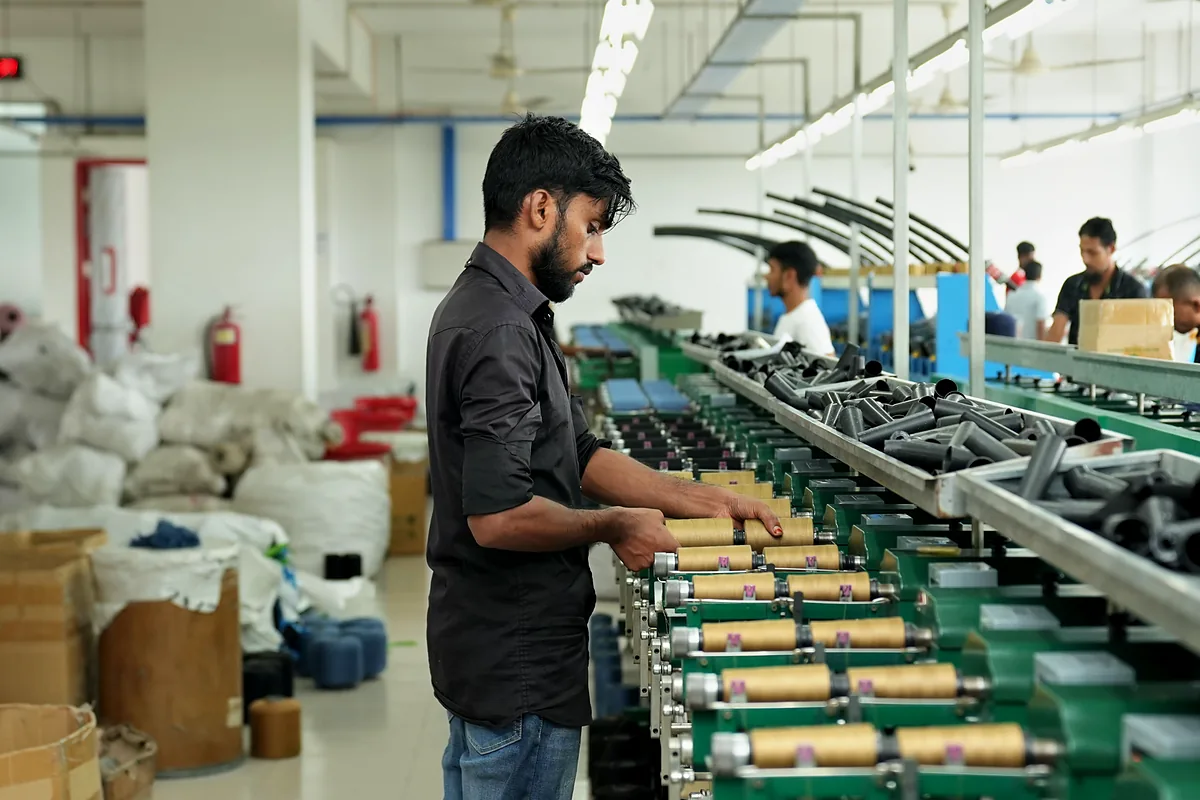
When a manufacturer should train, and when not
Aranv builds a custom LLM for manufacturing: a large language model (LLM), or a smaller one, tuned on your maintenance logs, work instructions, quality reports and part codes so it reads shop-floor shorthand, sorts failure reports and drafts maintenance summaries, often on a plant server, with technicians confirming any safety-related step.
Searching manuals does not need a trained model. Retrieval over your document system handles that, and it is where we start. Training your own AI model helps when your own language is the obstacle: nobody writes a part name the same way twice. A plant rarely needs a model built from zero; adapting open-weight base weights is our normal route. If the result cannot beat retrieval on your logs, we keep what is simpler and tell you.
Logs make messy teachers. Entries such as “fixed” or “see Dave” teach nothing, and a code chosen to close a work order quickly teaches the wrong thing. The same abbreviation may also mean different things at two plants. Your logs are used for your model.
From a terse log entry to a coded work record
How a plant model turns shorthand into records
- 01 Collect plant language Work orders, shift notes and quality reports are pulled with asset codes.
- 02 Decode with your people A planner and senior technician define abbreviations that differ by line or plant.
- 03 Tune on corrected records Open-weight base weights learn from entries a reliability engineer has recoded.
- 04 Try it on the floor Technicians test on real devices, with the network off, before anything goes live.
Procedures and safety steps come from your controlled documents, not from the model’s memory.
What a plant-trained model reads better
A general model sees “brg hot, regreased, monitor” as noise. Your planners see a work history. That gap, more than any missing document, is what training can address.
-
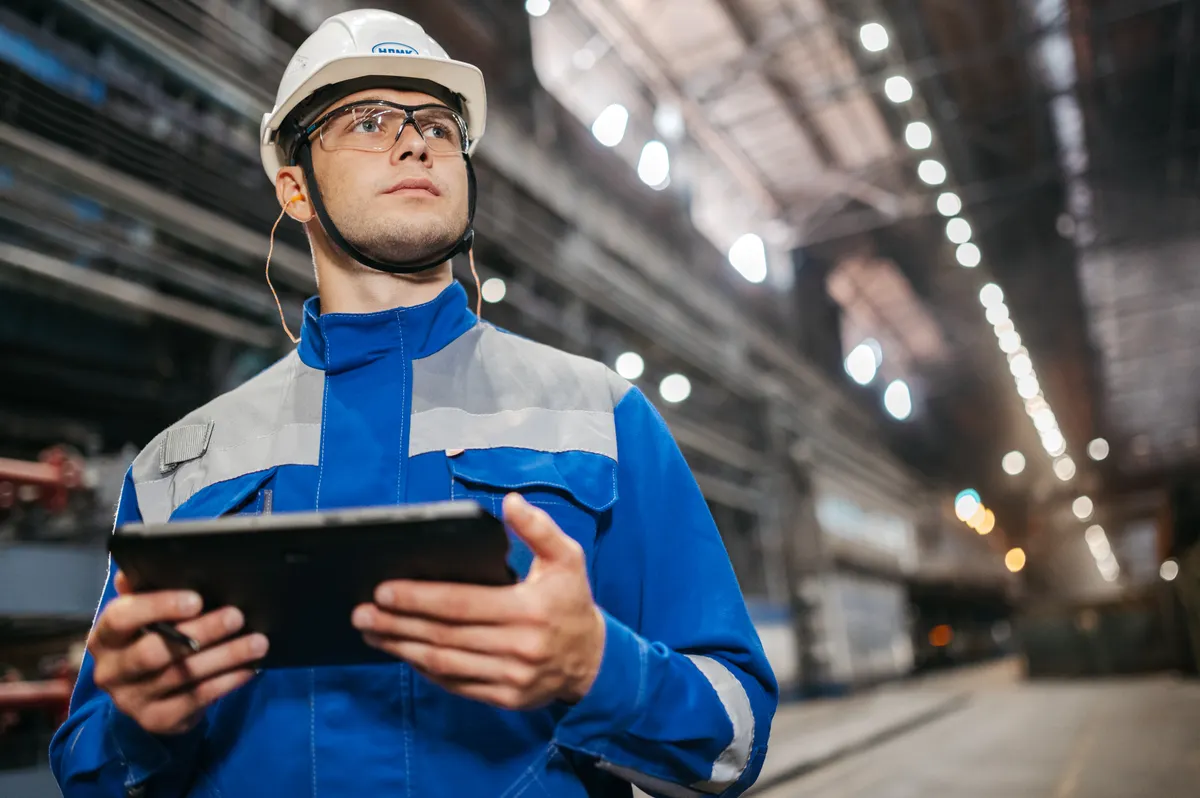
Shop-floor shorthand
Abbreviations, misspellings and line nicknames from work orders and shift notes become readable history that planners can search by asset.
-
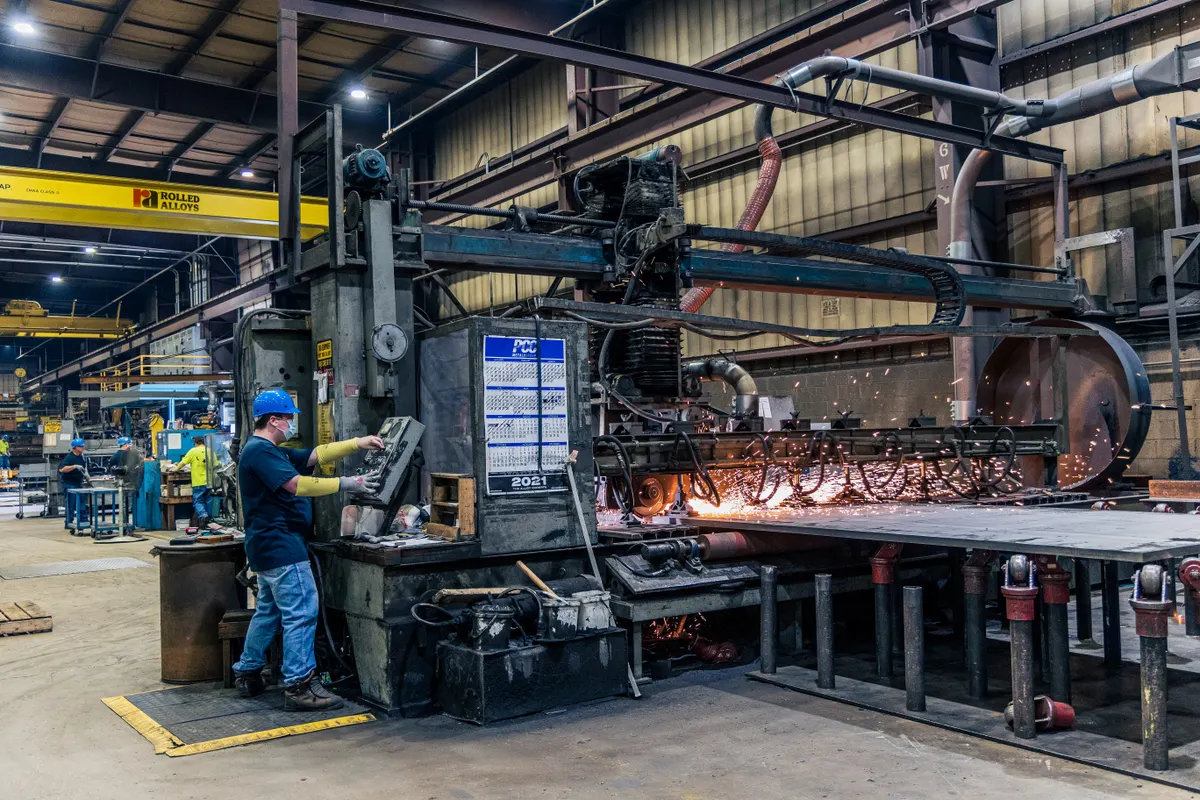
Failure report sorting
Free-text breakdown reports get your failure codes and likely causes for a reliability engineer to confirm, with unclear ones marked for review.
-
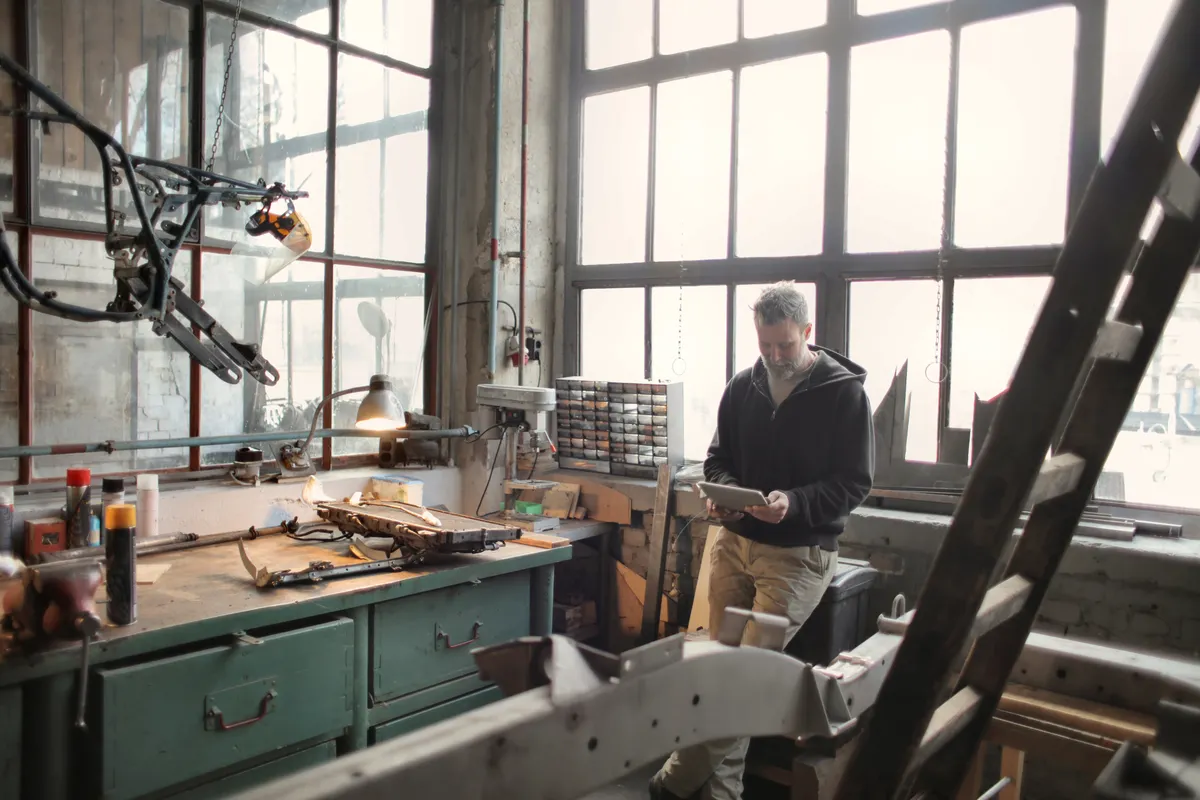
Maintenance summaries
Weeks of notes on one asset are condensed for the planner or next shift, in the handover format your team already uses.
-
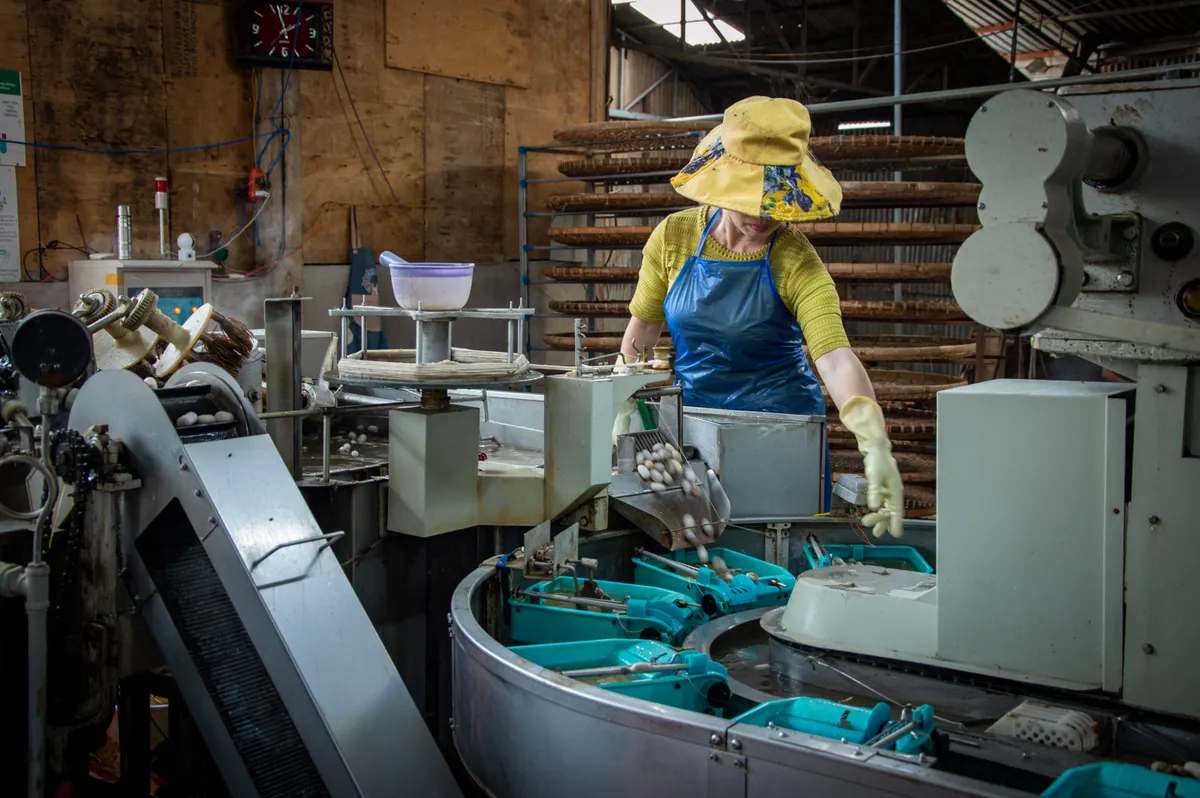
Part code matching
Free-text part names and supplier descriptions are matched to internal part codes in your ERP, with doubtful matches sent to a storekeeper.
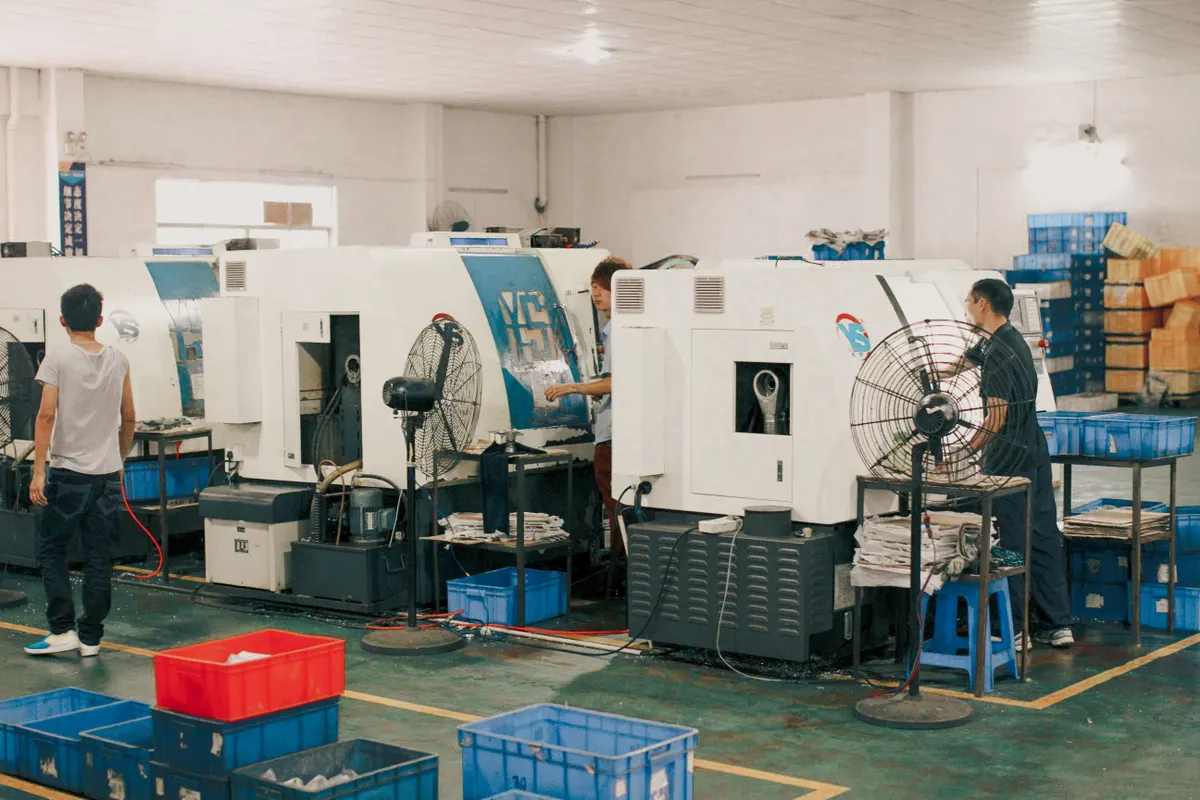
A small model on a plant server
Plants often have poor connections, and many want data kept on site. A small language model (SLM) on a plant server or rugged tablet may suit narrow jobs such as sorting reports. We measure it on your hardware beside a larger model, since size alone tells you nothing about results.
What we do
- Response time on your tablets
- Full test with the network off
- Accuracy compared with a larger model
- Update plan for offline sites
Safety steps stay with technicians
A model should not write lockout steps from memory. Energy control procedures, torque values and work instructions change by revision, so they come from your controlled documents at answer time, showing the revision number. The technician confirms any safety-related step.
What we do
- Procedures retrieved with revision number
- No lockout steps generated from memory
- Tests using superseded revisions
- EHS lead reviews safety questions
How we approach a project
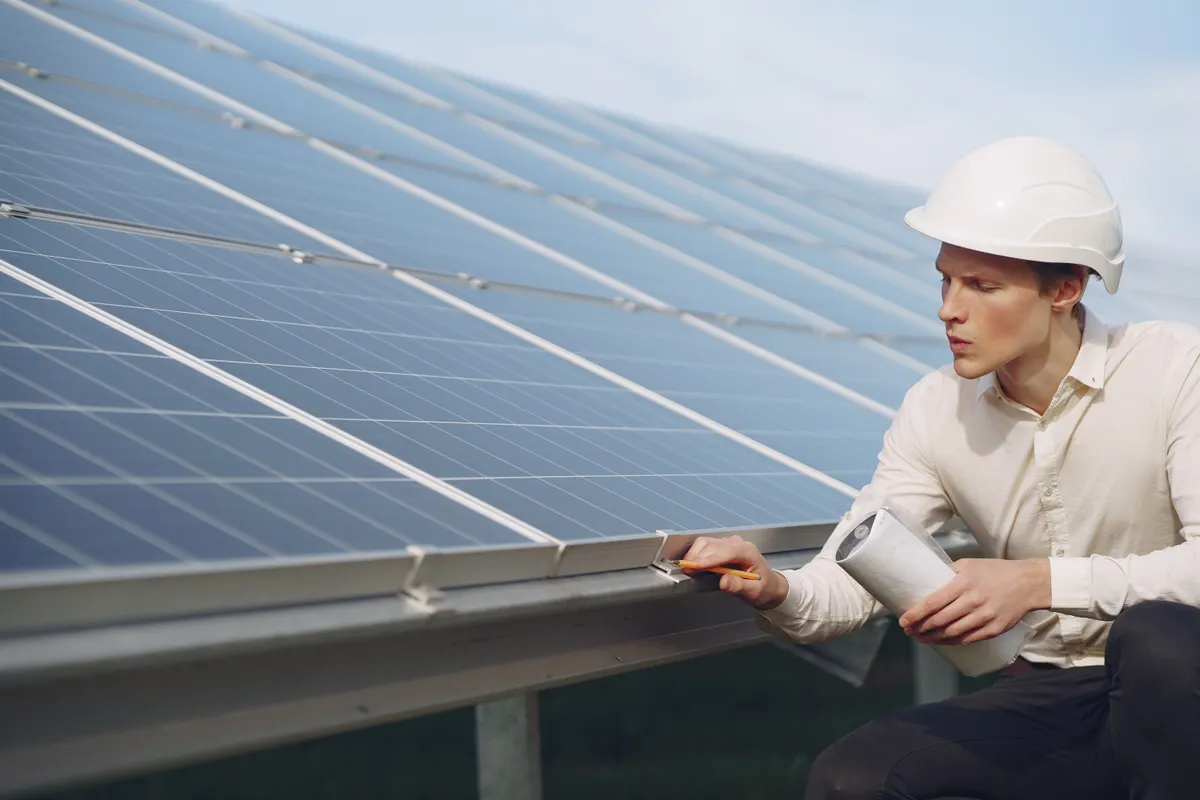
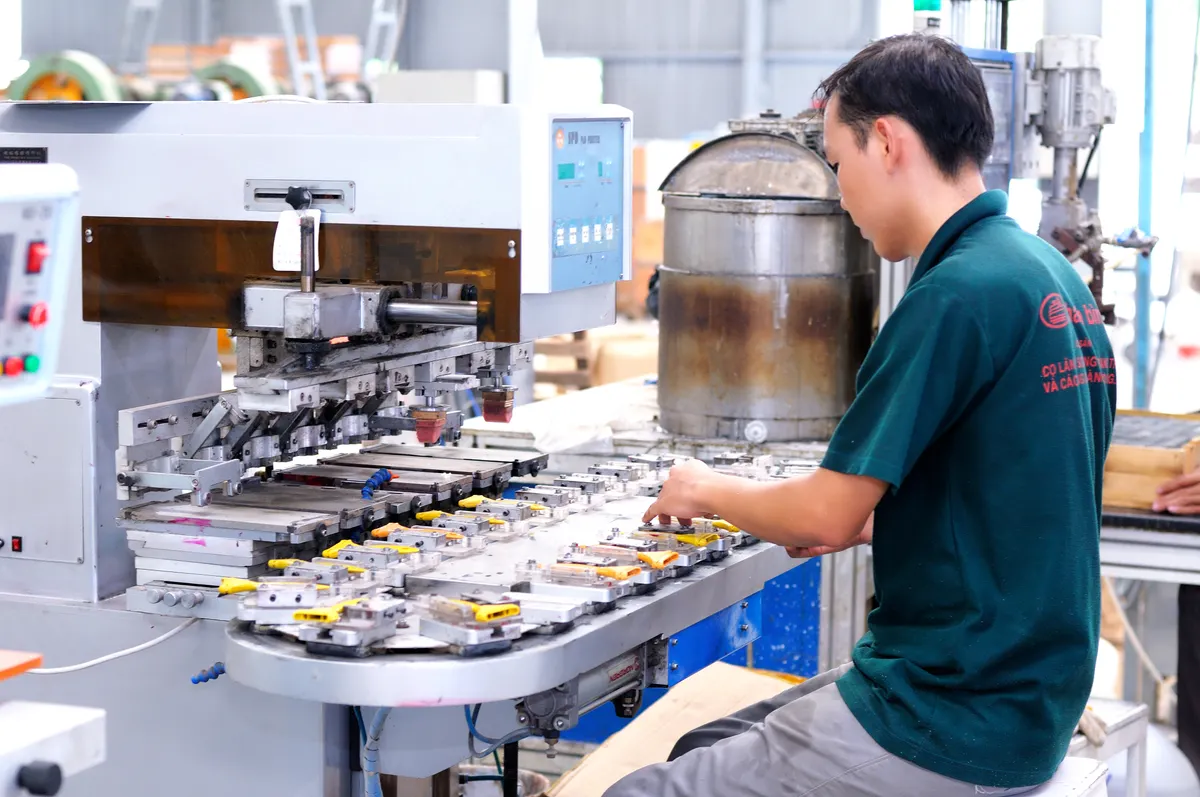
Where it runs is a design decision. Edge AI development covers devices on the floor, and small language model development covers choosing and compressing the model. A base model’s license applies on a factory server as it does in a cloud, so we check it first. Connections to your CMMS and ERP are part of software for manufacturers.
OSHA’s lockout/tagout standard expects documented procedures and regular inspection of them, one reason procedures stay outside the weights. A 30-minute conversation about one asset class is the usual start, and our contact page sets it up.
How we work
- Learns the plant’s own language
- Keeps working when the network drops
- Technicians confirm safety-related steps
How a plant model project runs
-

Walk one line with maintenance
We sit with planners and technicians on one asset class and see how they write entries.
-

Recode a sample together
A reliability engineer corrects failure codes on a sample, which also becomes the answer key.
-

Baseline, license, tuning
Prompts plus retrieval are scored first, and tuning follows a license check only if they miss.
-

Trial on one shift
One crew uses it on real tablets or a plant server, and we log every correction.
Why Aranv for plant models
Tests on your hardware
We measure on the tablet or server you plan to use, including with the network off, not only in a data center.
Plant differences are mapped
We list abbreviations and codes that differ by site or shift, then decide with you whether one model or several makes sense.
Rare failures reported separately
Some failures have few examples in your logs. Results are split by failure type, so they do not hide inside a good average.
Your CMMS stays the record
Suggested codes and summaries go into your maintenance system for a person to accept, so your audit trail keeps working.
Planning Custom LLM for Manufacturing?
Book a 30-minute conversation with the team that would build it.
Custom LLM for Manufacturing FAQs
-
Can we train AI on maintenance logs full of abbreviations and typos?
Yes, that is the main reason to train, provided someone first corrects a sample. Logs also hold wrong codes and empty entries, so a reliability engineer reviews examples and we leave out those that carry no information.
-
Can an on-device LLM for factories run without internet?
Yes, once it is installed on a plant server or tablet. How well it runs depends on the hardware, model size and job, so we test with the network off. Plan how updates reach the site, since an offline device cannot fetch them.
-
Is an industrial small language model (SLM) accurate enough?
That is for your test set to show. Failure-code sorting may suit a small model, while summarizing long asset histories might need a larger one. We run each on the same corrected logs and report by failure type.
-
Will the model tell technicians how to do a repair?
It can point them to the right controlled procedure, not write one. Repair and safety instructions come from your document system with the revision shown, and your EHS lead decides which questions the model must decline.
-
What drives the cost of a plant model?
The number of plants and asset classes, how much log recoding your engineers can do, the hardware at each site and your CMMS connections. If retrieval passes the first test, there is no training cost at all. We estimate in phases.
-
Who owns a model trained on our plant data?
Ownership is a contract term, settled before work starts. We recommend handing your company the weights, adapters, training logs, test sets and code when the work is paid for. Any limits in the base model’s license remain in effect.

Let’s talk about your next step
Contact Aranv to discuss your workflow, current tools, and goals. Meet with our team or send an inquiry.
Aranv at a glance
- 9Years in business
- 120+Clients served
- 300+Projects delivered
- 200+Team members
What happens next
- Pick a time, or send your project details.
- We review your goals, current tools and timeline.
- You get a clear next step: a scope, plan or estimate.
Book a meeting with our team
Choose an available date and time for a 30-minute conversation about your project.
- 30 minutes
- Online video call
- Times in your time zone
Tell us about your project
Share a few details so we can discuss a useful next step.
Prefer email? sales@aranv.com