


What a customer sentiment analysis AI project covers
Aranv builds customer sentiment analysis AI for small and midsize companies. It reads reviews, support tickets, survey comments and call transcripts, scores sentiment by topic such as delivery, price or staff, and turns the results into trend dashboards and alerts that name the issue and its source.
We start by agreeing the topics that matter to your business, such as delivery time, product quality, billing or staff manner, and by labeling real comments with your team. That labeled set defines what positive and negative mean for you and becomes the benchmark the model is scored against.
Models range from cloud language APIs, such as Google Cloud Natural Language, to large language models that cope better with aspects, sarcasm and mixed comments. We choose per source and cost through our NLP development work, and mask names, emails and account numbers before text leaves your systems.
From scattered feedback to clear trends
One stream of feedback, sorted
- 01 Gather feedback Reviews, tickets, survey comments and call transcripts are pulled in every day.
- 02 Tag topics and sentiment Each comment is split by topic, and each topic gets its own score.
- 03 Check a sample Staff label a weekly sample, so accuracy is measured rather than assumed.
- 04 Report and alert Dashboards show trends, and sudden negative spikes alert the right owner.
Mixed comments are scored per topic, so praise for staff and a complaint about price both count.
Voice of customer analytics in practice
Feedback arrives from everywhere, and most of it is read once by one person and then forgotten.
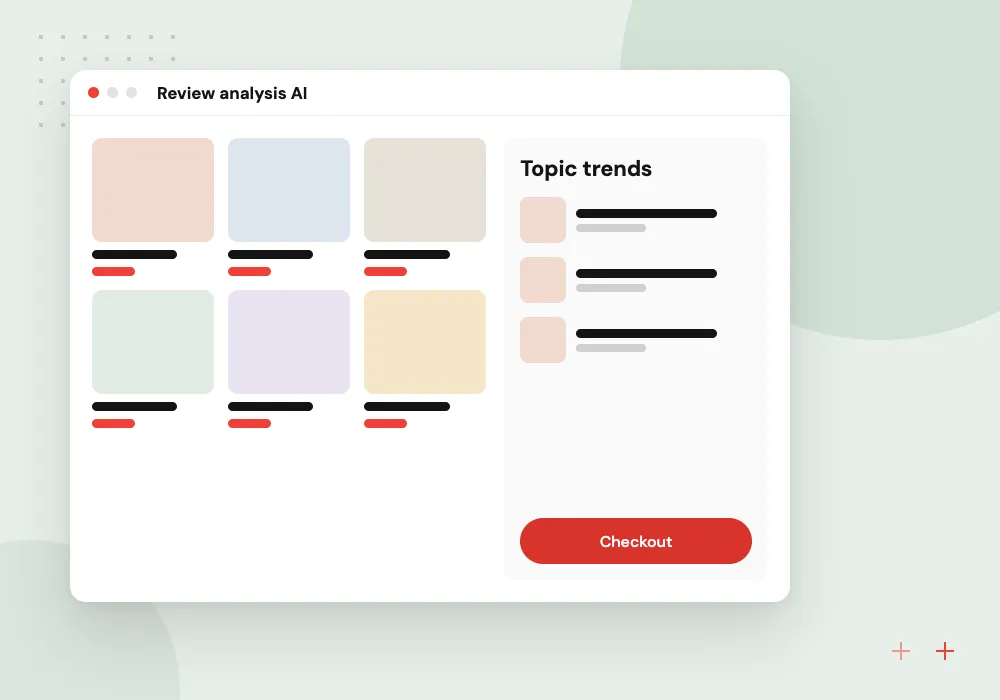
Review analysis AI
Store, Google and marketplace reviews are grouped by product, location and topic, with drafted replies for the team to approve.
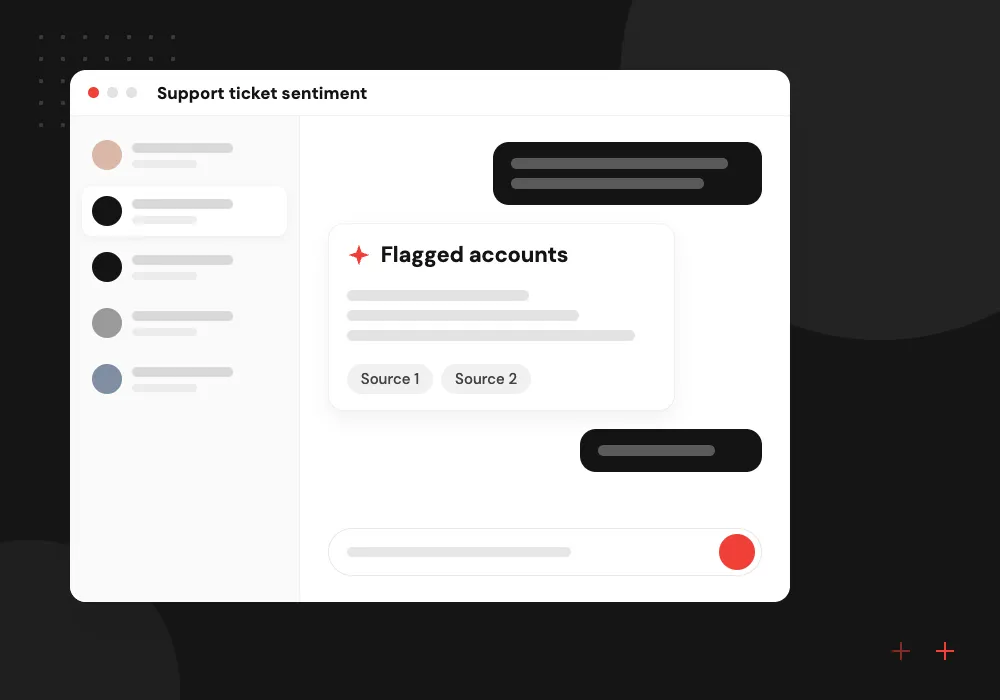
Support ticket sentiment
Frustration and cancellation language in tickets and chats raises priority and adds an account health signal to the CRM.
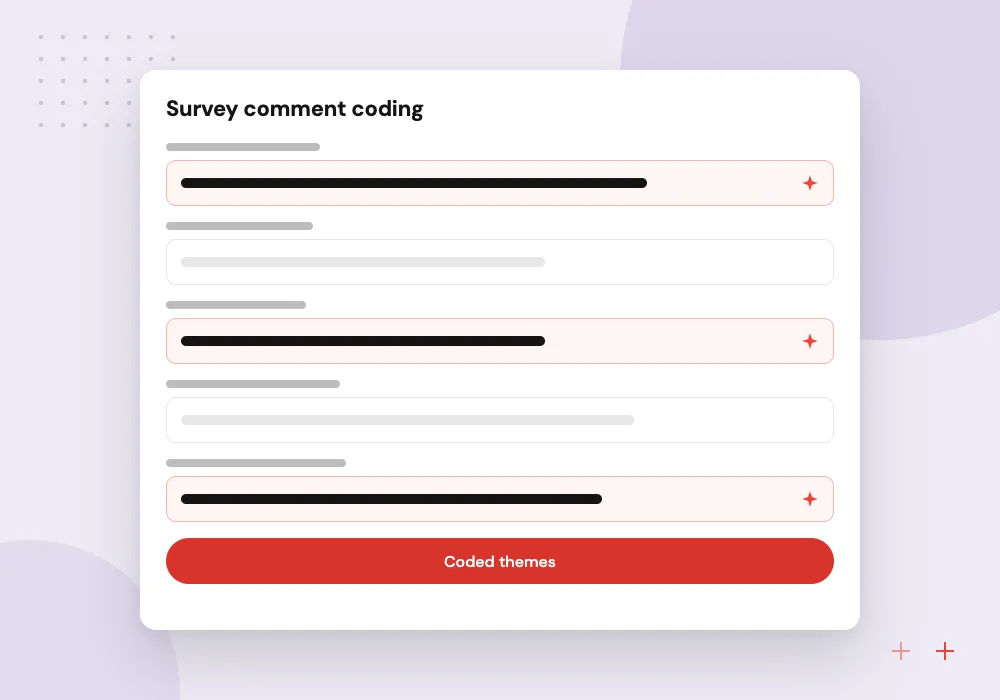
Survey comment coding
Open-text NPS and CSAT answers are coded into consistent themes, replacing the manual spreadsheet exercise each quarter.
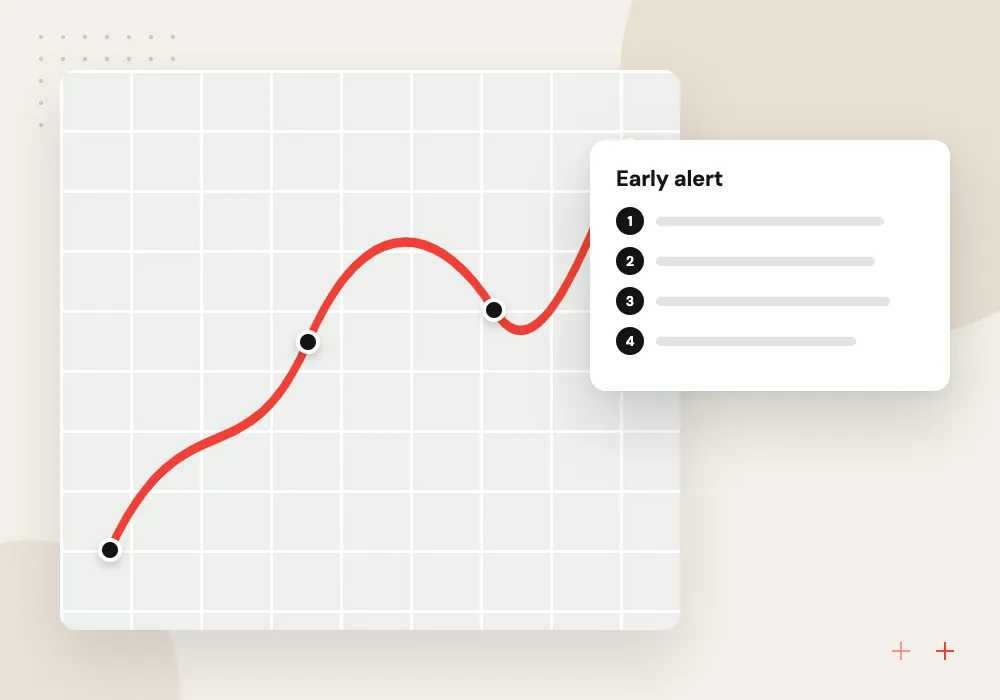
Location and product alerts
A sudden rise in negative comments about one store, product or shift alerts its manager, with example quotes attached.
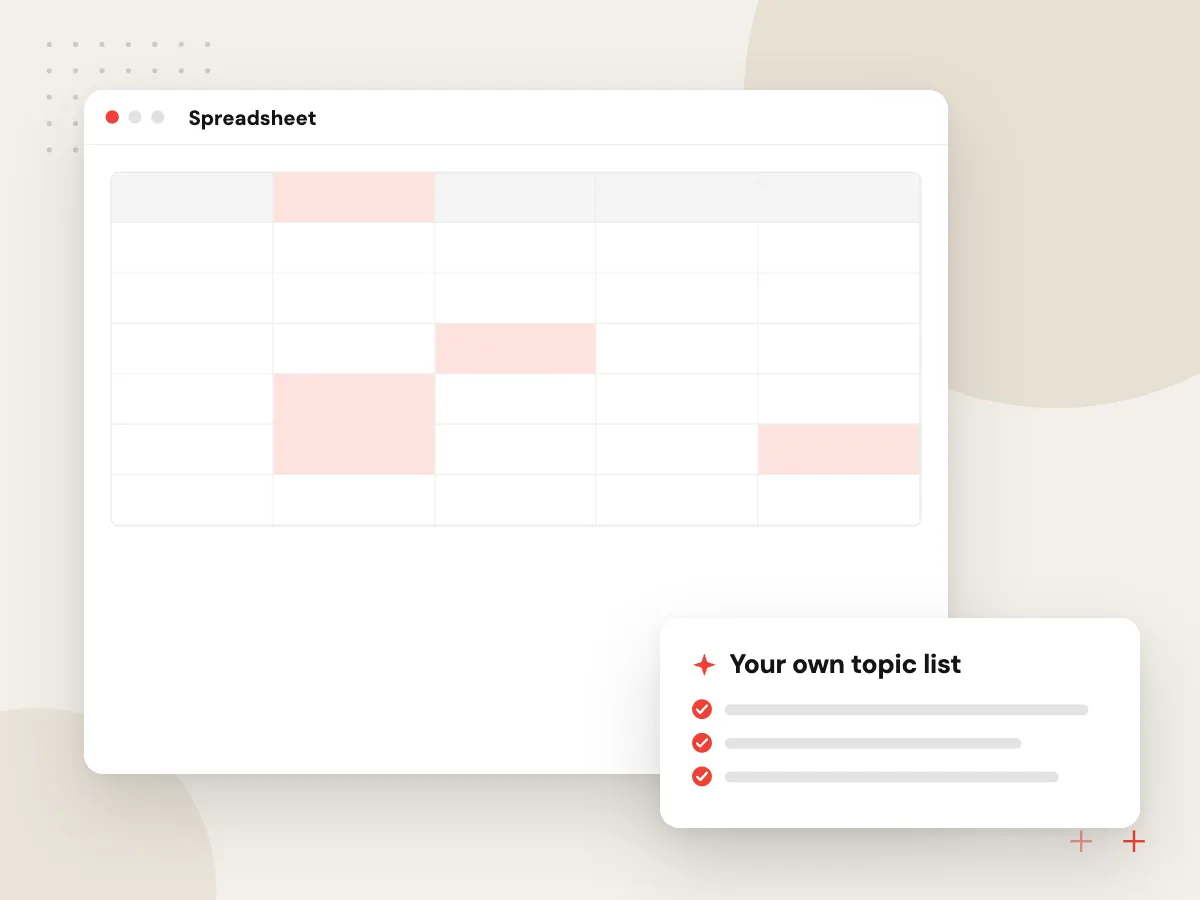
Topic-level sentiment, not one score
A single score per comment hides the detail, since one review can praise the food and complain about the wait. We split each comment into the topics on your list, score each one separately and keep the quoted phrase, so a dashboard figure always leads back to what customers actually wrote.
What we do
- Your own topic list
- Per-topic sentiment scores
- Quoted evidence for each tag
- Handling of mixed comments
- Language detection and translation
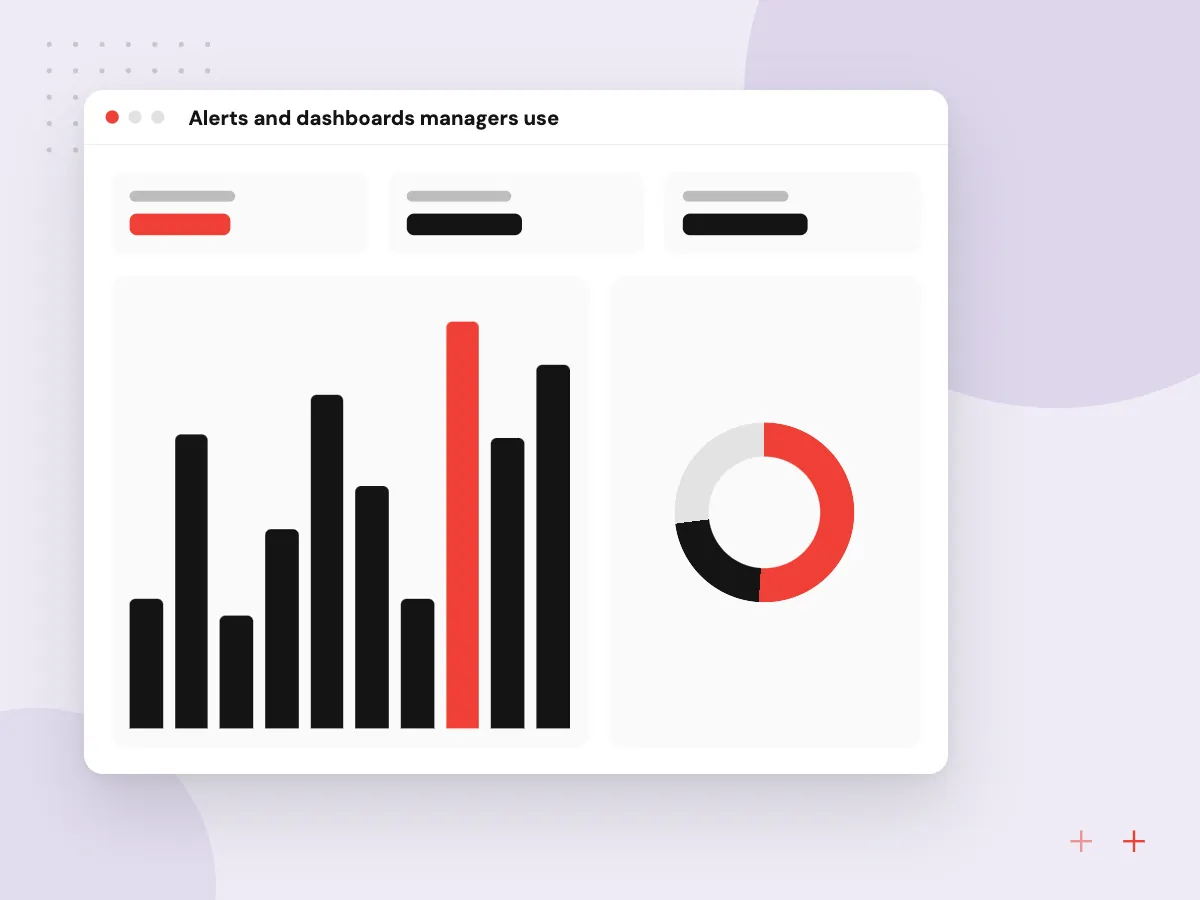
Alerts and dashboards managers use
Dashboards show sentiment by topic, product, location and week, with drill-down to the comments themselves. Alerts fire when negative mentions of one topic rise above normal for that location, and they go to the person who can fix it, with sample quotes attached.
What we do
- Trends by topic and location
- Drill-down to source comments
- Spike alerts to named owners
- CRM account health field
- Weekly accuracy sample report
How we approach a project
Results land in a Power BI or custom dashboard, in CRM fields and in alerts by email, Slack or Teams. Phone conversations come in through AI call analytics, and sentiment trends can serve as one input to churn prediction models.
Businesses with many reviews and locations, like hotels and restaurants, get the most from it because feedback arrives daily from many places. Send an export of recent reviews or tickets, and we will walk through what it reveals during a 30-minute conversation; use the contact page to set it up.
How we work
- Sentiment scored per topic
- Accuracy checked on labeled samples
- Every chart links to real comments
Our Process
-

Connect feedback sources
We link review sites, the helpdesk, survey tools and call transcripts, and load recent history.
-

Agree topics and label
Your team labels real comments by topic and sentiment, which sets the benchmark.
-

Score and compare models
Candidate models are scored on the labeled set, and we choose one per source on accuracy and cost.
-

Dashboards, alerts, review
Trends and alerts go live, and a weekly sample check keeps accuracy visible to managers.
Why Aranv for sentiment analysis
Topics from your business
We build the topic list with your managers, so results speak about your delivery times, menus or billing rather than generic categories.
Accuracy shown, not claimed
Labeled samples measure the model per topic, and the accuracy figure sits beside the charts so nobody over-reads a trend.
Private data masked first
Personal details are removed before text reaches any model, and the provider, hosting region and retention period are agreed with you.
Feeds the systems you use
Scores reach your CRM, helpdesk and BI tools, so sentiment becomes part of daily work instead of a separate report nobody opens.
Planning Customer Sentiment Analysis AI?
Book a 30-minute conversation with the team that would build it.
Customer sentiment analysis FAQs
-
How accurate is AI sentiment analysis?
It depends on the source and the topic list. Short, clear reviews score well; sarcasm, mixed comments and industry slang are harder. We measure accuracy on comments your team labeled, report it per topic and show it beside every dashboard.
-
What sources can a sentiment analysis system read?
Product and location reviews, support tickets, live chat, email, open-text survey answers, call transcripts and app store reviews. Social mentions can be added where the platform’s terms and API allow it.
-
Do we need a data scientist to run it?
No. Managers use the dashboards and alerts, and a named person on your team reviews the weekly sample. We handle model updates and accuracy checks under a support agreement, or train your staff to take them over.
-
Can sentiment scores be used to judge employees?
We advise against using them alone. Comments mention staff, but context and volume matter a great deal. Use the data to find coaching topics and process problems, and leave any performance decision to a manager who reads the actual comments.
-
How is customer data protected during analysis?
Names, emails, phone numbers and account numbers are masked before text reaches a model, dashboard access follows roles, and we agree retention periods and the model provider with you before launch.

Let’s talk about your next step
Contact Aranv to discuss your workflow, current tools, and goals. Meet with our team or send an inquiry.
Book a meeting with our team
Choose an available date and time for a 30-minute conversation about your project.
Tell us about your project
Share a few details so we can discuss a useful next step.
Prefer email? sales@aranv.com