


What a churn prediction project covers
Aranv builds a churn prediction model for SaaS, subscription and repeat-purchase businesses: it scores each customer’s risk of canceling or going quiet from usage, billing, support and order history, explains the main reasons, and puts the at-risk list in your CRM so account managers can act before renewal.
Churn is cheaper to catch early than to win back. A churn prediction model looks at the signals that come before a customer leaves, such as fewer logins, unused features, late payments, open tickets or a gap in orders, and ranks accounts by risk each week. Customer retention AI is the work of getting that ranked list to people who can do something useful with it.
Scores are produced by our predictive analytics practice and written into HubSpot, Salesforce or your own CRM, with HubSpot AI integration covering the HubSpot side in more depth. When support data is rich, ticket tone and themes come from customer sentiment analysis.
From surprise cancellations to a weekly at-risk list
How churn risk is scored
- 01 Define churn together Canceled contract, downgrade or a buyer gone quiet: we agree what counts.
- 02 Rebuild customer timelines Usage, billing and support data are captured as they looked before each departure.
- 03 Score and explain Each account gets a weekly risk score with the top reasons behind it.
- 04 Route to an owner High-risk accounts become CRM tasks with a suggested next step.
A small random holdout group receives no outreach, so you can measure what the retention work changed.
Churn analysis we put to work
Customers rarely leave without warning; the signals are spread across systems no one reads together.
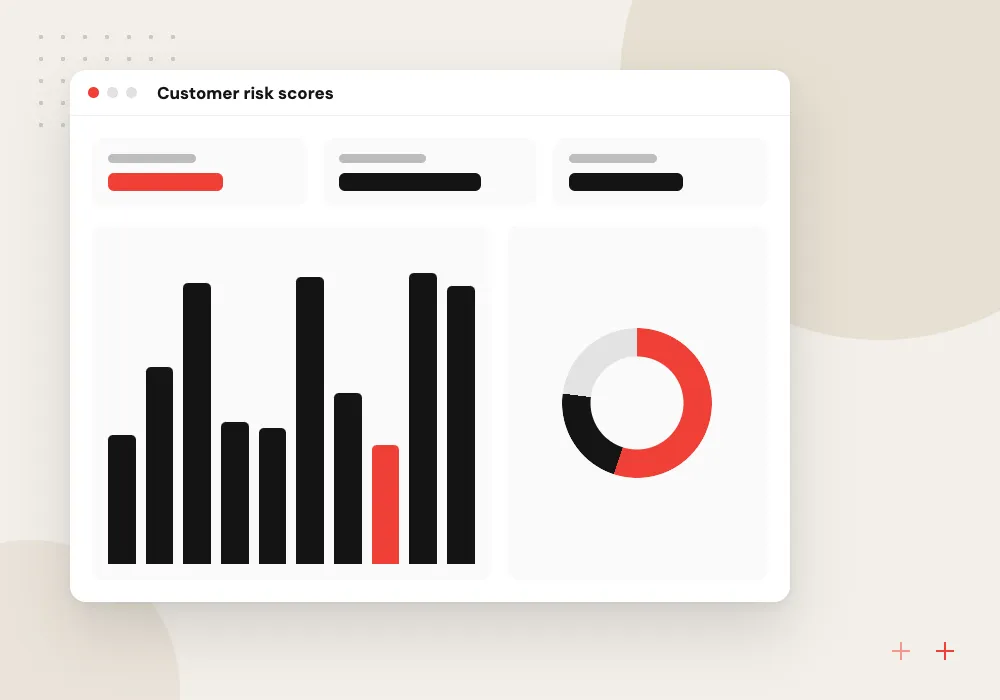
Customer risk scores
Each account gets a weekly churn risk score with its top reasons, such as falling logins, unused seats or a recent billing dispute.
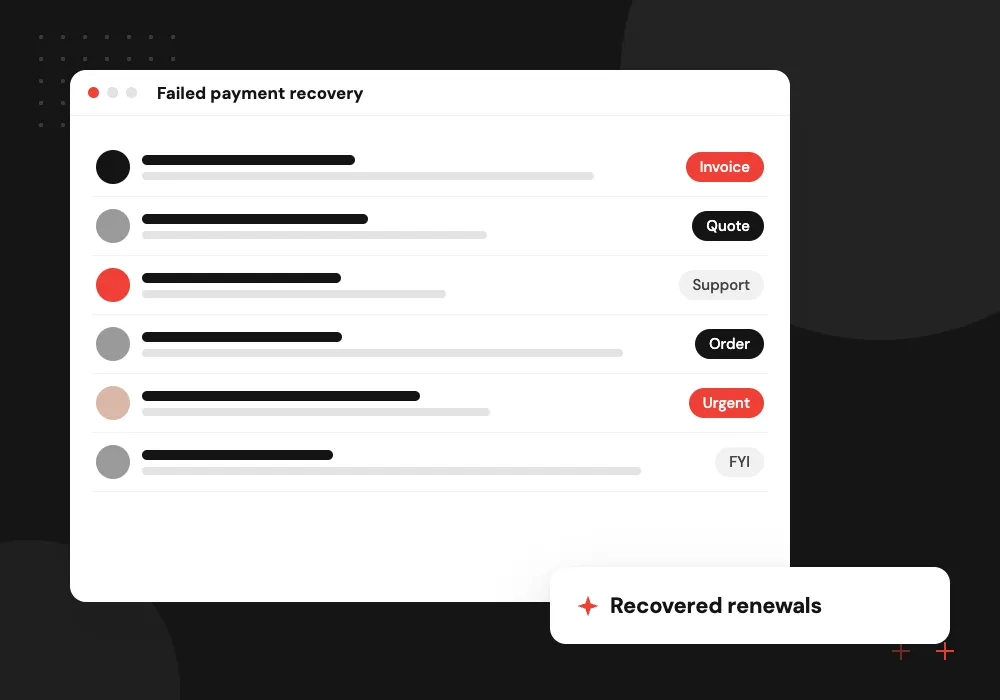
Failed payment recovery
Involuntary churn from expired or declined cards is separated from real cancellations and handled with retries, card update prompts and reminders.
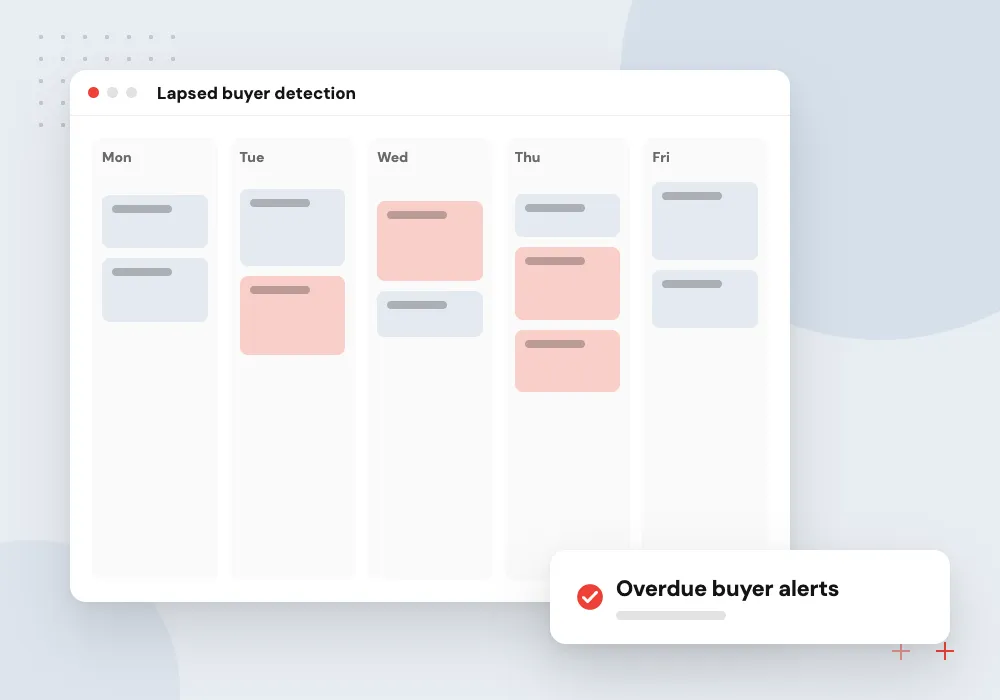
Lapsed buyer detection
Without contracts, the model learns each customer’s normal reorder rhythm and flags those who are overdue compared with their own pattern.
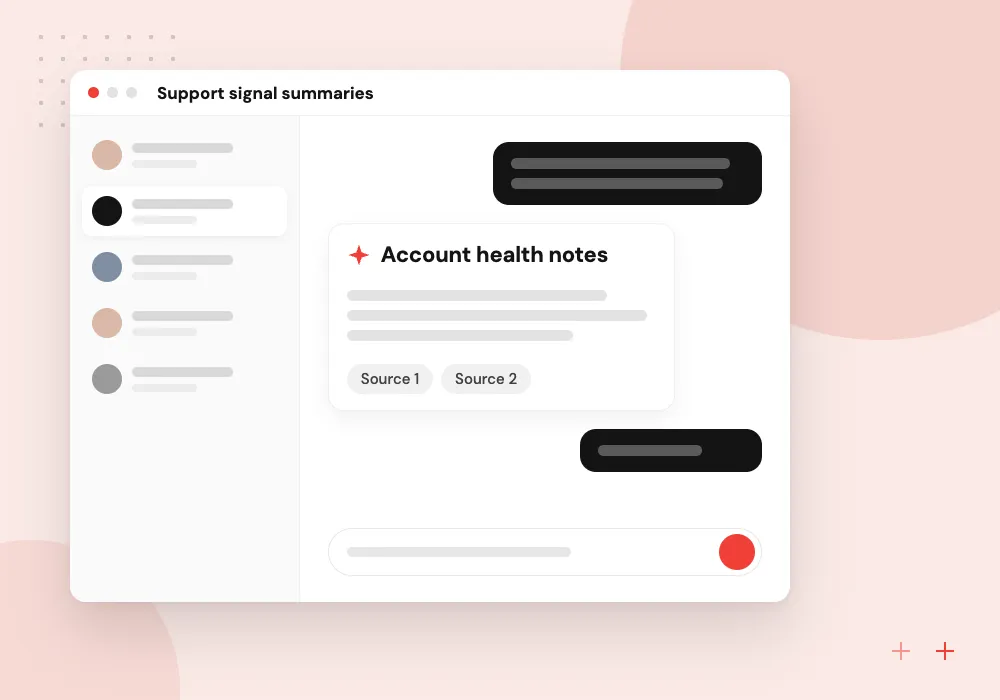
Support signal summaries
Ticket volume, unresolved issues and the tone of recent messages summarized per account, giving customer success a reason to call, not just a number.
Defining churn and building the dataset
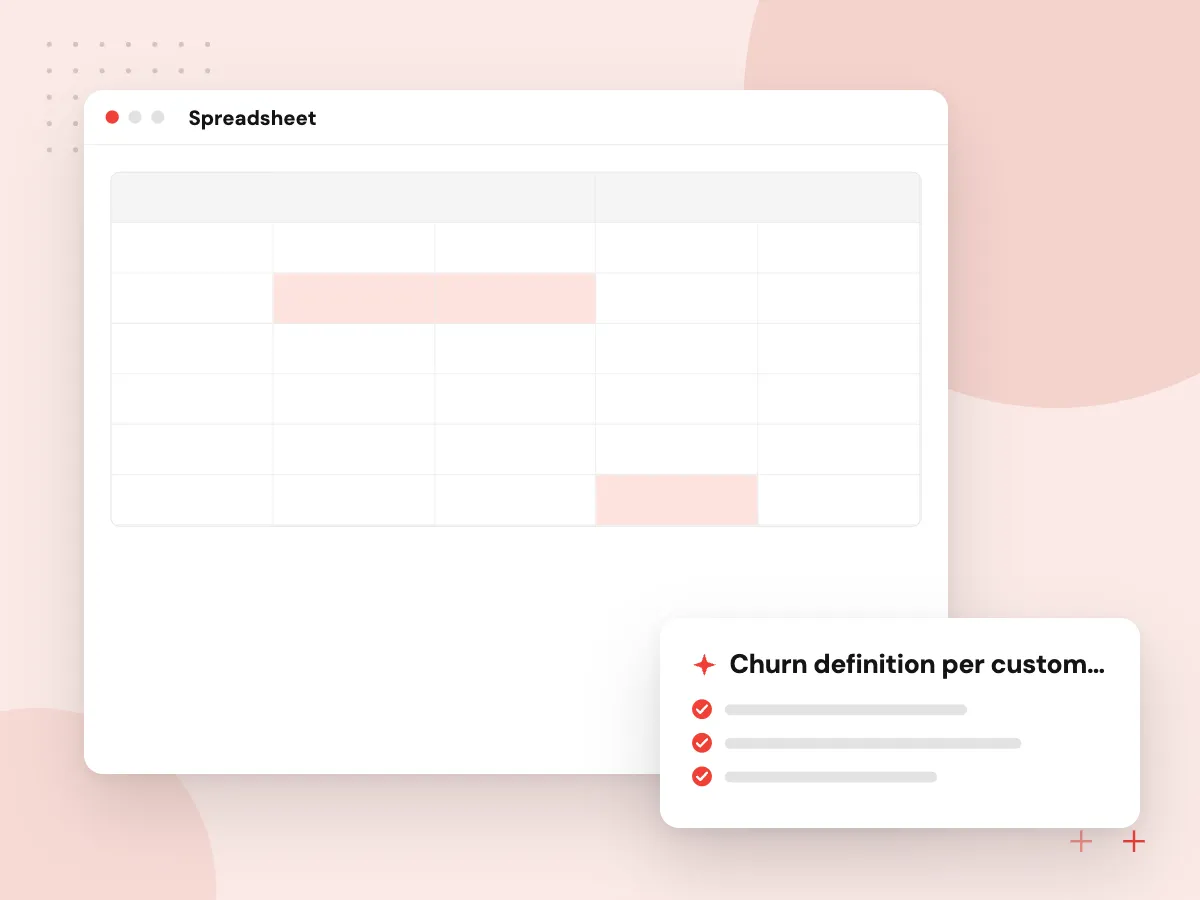
Churn analysis starts with a definition: a canceled contract, a downgrade, or a buyer who has not ordered in a set number of days. We agree it with you, then rebuild each customer’s history as it looked before they left, so the model learns the early signs rather than the cancellation itself.
What we do
- Churn definition per customer type
- Point-in-time customer snapshots
- Usage, billing and support features
- Leakage checks on every input
- Baseline from simple rules
Retention actions you can measure
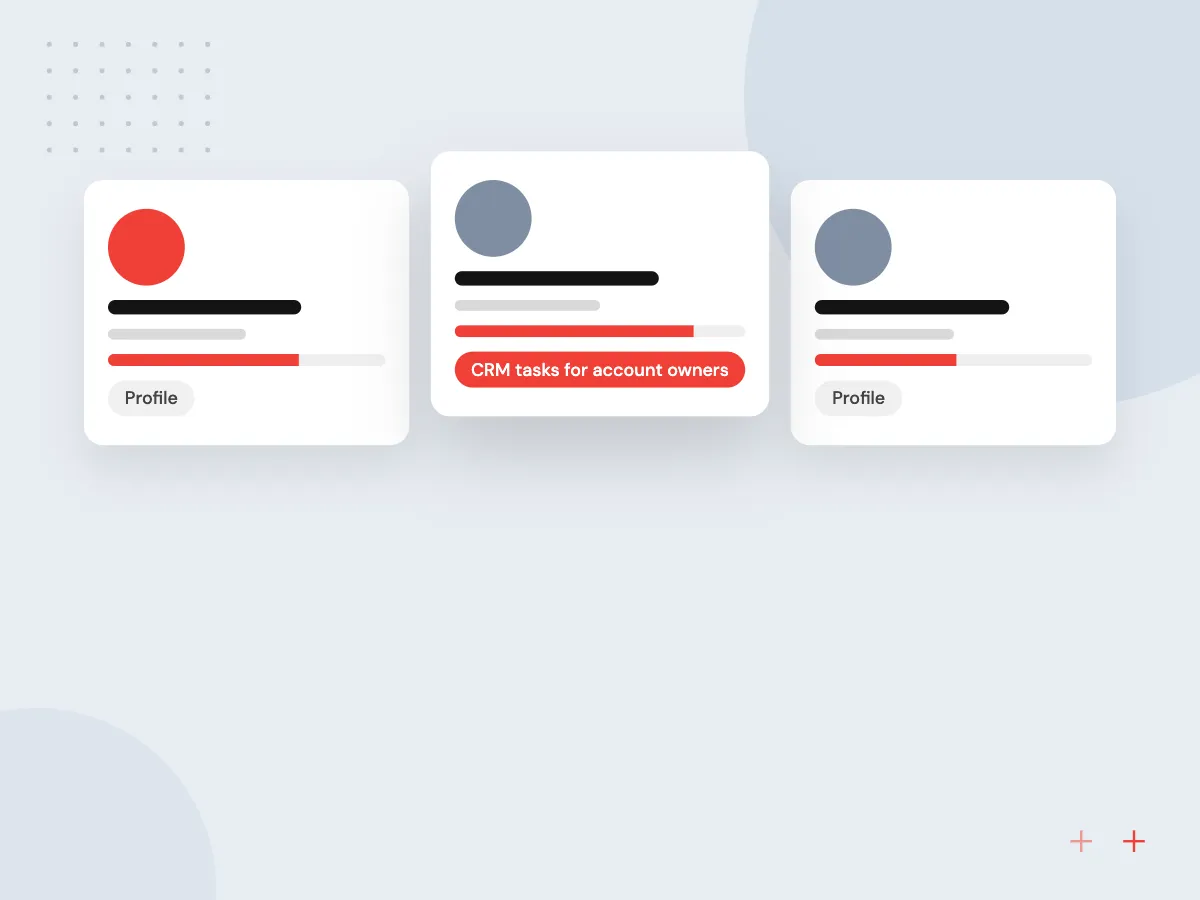
A risk score is worth something only if it changes what the team does. We route high-risk accounts to the right owner with a suggested next step, and keep a small random holdout so you can see whether outreach actually reduced cancellations.
What we do
- CRM tasks for account owners
- Playbooks by churn reason
- Holdout group for measurement
- Offer tracking and cost
- Monthly outcome review
How we approach a project
Some churn is not a decision at all. Expired and declined cards end subscriptions that customers meant to keep, and billing platforms such as Stripe offer automatic payment retries for this case. We split involuntary churn from the rest before modeling, because the fix is a billing process, not a phone call.
SaaS firms and subscription services are the usual fit; see our SaaS page for the wider picture. Export a year of cancellations, then ask for a 30-minute conversation on our contact page to go through it together.
How we work
- Agree what churn means first
- Reasons matter more than scores
- Measure outreach against a holdout
Our Process
-

Agree the definition and window
We settle what counts as churn for each customer type and how far ahead the team needs warning to act.
-

Assemble point-in-time data
Usage, billing, support and order data are rebuilt as they stood each week, so no input leaks the outcome.
-

Compare with simple rules
The model must beat rules your team already uses, such as no login for a month, on customers it never saw.
-

Launch with a holdout
Scores go live in the CRM, outreach starts, and a random holdout shows whether churn actually fell.
Why Aranv for churn prediction
Definition before data science
We spend the first sessions agreeing what churn means for each customer type, because a model trained on the wrong outcome ranks the wrong accounts.
No leaks from the future
Inputs are rebuilt as they stood before each departure, so the model cannot cheat by seeing a cancellation request or a final invoice.
Reasons your team can use
Each score lists the signals behind it, so an account manager opens the call with a real topic, such as unused seats, instead of a generic check-in.
Honest measurement
A random holdout group shows what the retention program changed, separating real saves from customers who would have stayed anyway.
Planning Customer Churn Prediction?
Book a 30-minute conversation with the team that would build it.
Churn prediction FAQs
-
What data does a churn prediction model need?
Customer records with start and end dates, plus whatever shows engagement: product usage events, logins, seats, orders, support tickets and billing history. A year or more of history with a reasonable number of departures is a practical starting point. We check what you hold before committing to a model.
-
How far ahead can churn be predicted?
Far enough to act, which depends on your business. For annual contracts that often means a quarter before renewal; for monthly plans or repeat buyers, a few weeks. We agree the warning window first, because predicting churn too late to change it has no value.
-
Can churn prediction work without subscriptions?
Yes. For retail, distribution or services without contracts, churn means a customer who stops buying. The model learns each customer’s usual order rhythm and value, then flags accounts that are overdue or shrinking compared with their own past behavior.
-
Should we offer discounts to every high-risk customer?
No. Some high-risk customers will leave whatever you offer, and some would have stayed anyway. We track which actions were taken and compare results with the holdout group, so discounts go where they change the outcome rather than to everyone flagged.
-
Is it a problem to use customer data this way?
Usually not, when you use data already collected for running the account and your privacy notice covers analytics. We leave out sensitive personal traits and limit who can see scores. State privacy laws vary, so this is general information, not legal advice; check plans with your counsel.

Let’s talk about your next step
Contact Aranv to discuss your workflow, current tools, and goals. Meet with our team or send an inquiry.
Book a meeting with our team
Choose an available date and time for a 30-minute conversation about your project.
Tell us about your project
Share a few details so we can discuss a useful next step.
Prefer email? sales@aranv.com