


What LlamaIndex development includes
Aranv offers LlamaIndex development for US organizations whose AI plans depend on documents. We build LlamaIndex RAG pipelines and document agents that parse PDFs, spreadsheets and wiki pages, fetch the right passages, answer with sources and run multi-step workflows in Python or TypeScript, sized for small and midsize teams.
LlamaIndex is a Python and TypeScript framework built around data: loaders for common file stores, parsers, indexes and query engines that turn documents into answers. Its Workflows library, now a separate event-driven package, runs multi-step agents. We pick it when retrieval quality is the main risk; for agent control flow across many systems, LangChain development may suit better.
Most of the effort goes into ingestion. We decide how each file type is parsed, how tables and headings are kept, which metadata to attach, such as department, date, product and access group, and how often to refresh. Indexes live in the store you choose, often Postgres with pgvector or a managed service, set up through our vector database development work.
From document pile to sourced answer
Parse, index, query, check
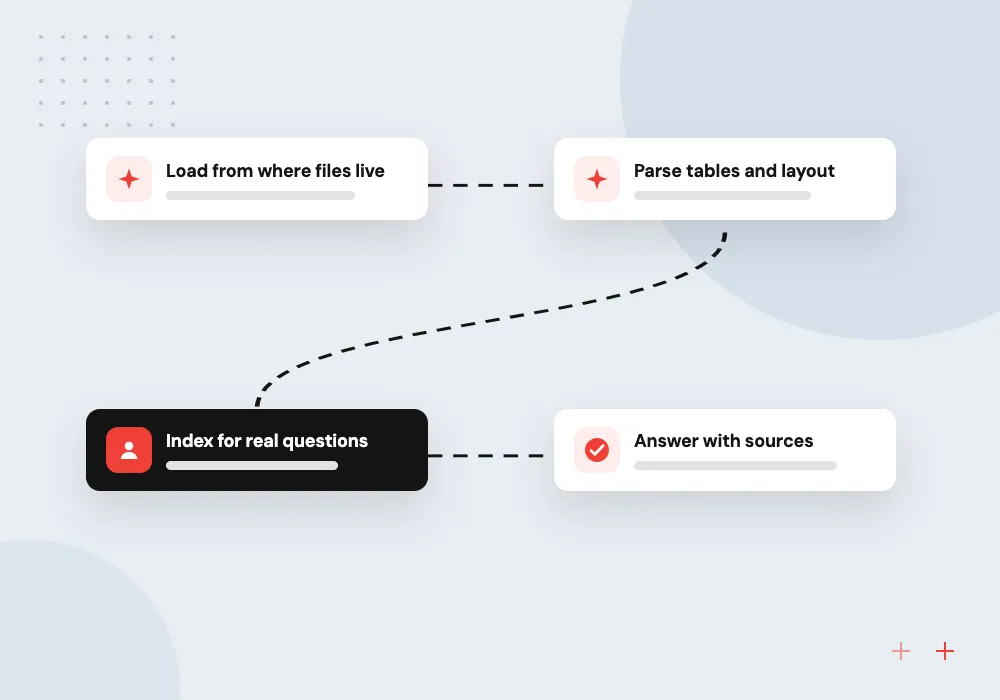
- 01 Load from where files live Connectors pull files from SharePoint, Google Drive, S3, Confluence or a database.
- 02 Parse tables and layout PDFs with tables, columns and scans are parsed so their structure survives.
- 03 Index for real questions Chunks, metadata and summaries are stored to match how people actually search.
- 04 Answer with sources Query engines fetch passages, write the answer and attach the source pages.
Indexes refresh on a schedule or when files change, so answers follow your latest documents.
LlamaIndex RAG and document agents we build
LlamaIndex fits projects where the hard part is getting the right passage out of messy files.
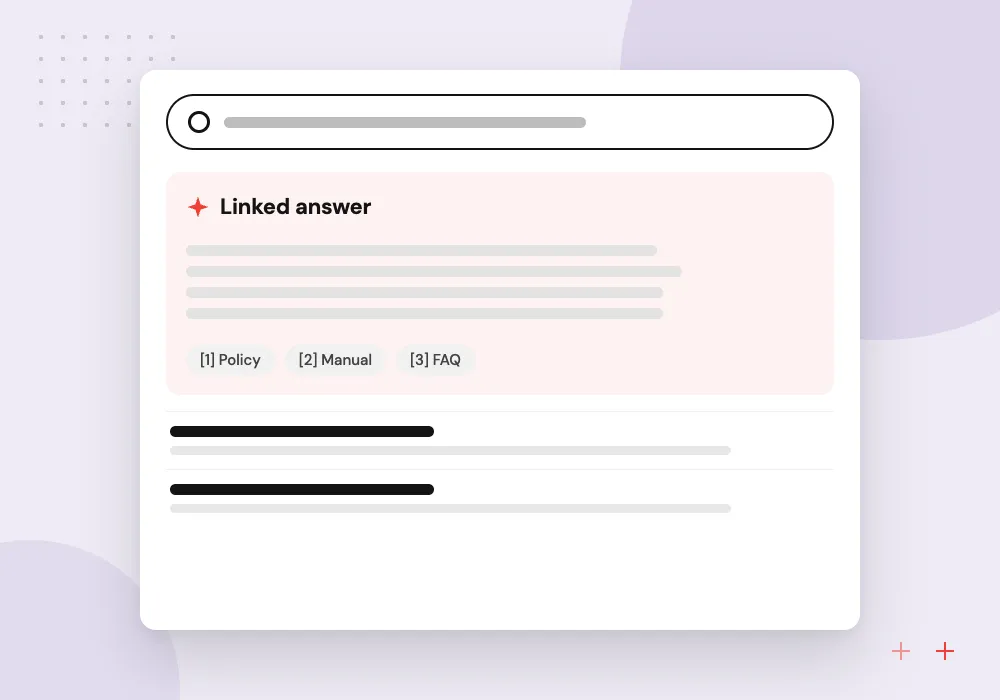
Policy and procedure answers
Staff ask about leave rules, safety steps or approval limits and get a short reply with links to the exact policy sections.
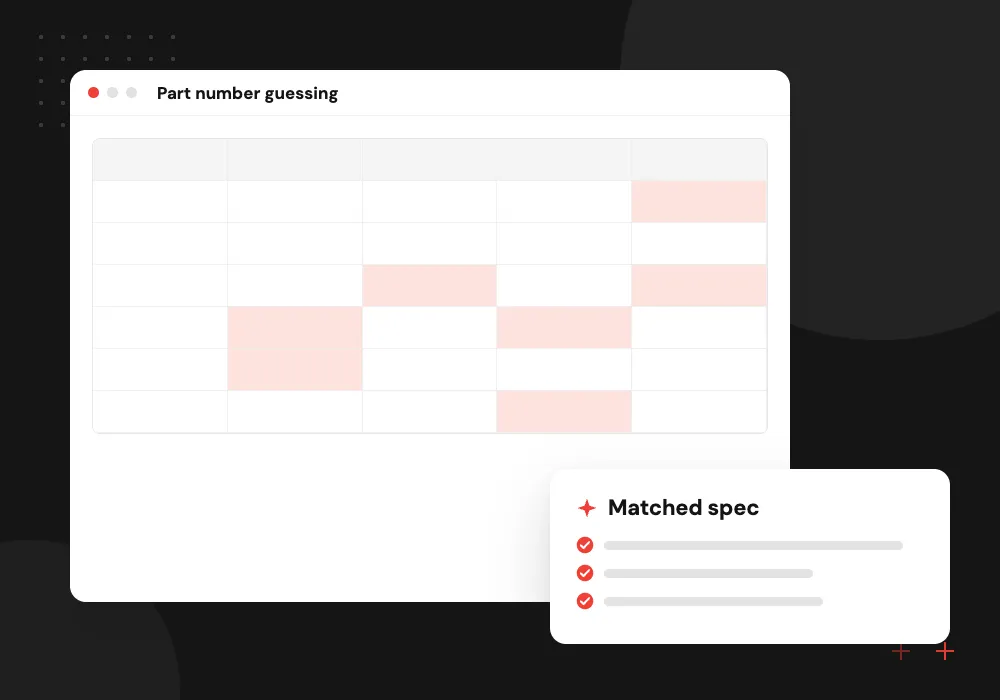
Spec sheet and catalog lookup
Sales and support search large sets of product sheets and tables by specification, compatibility or part number, in plain language.
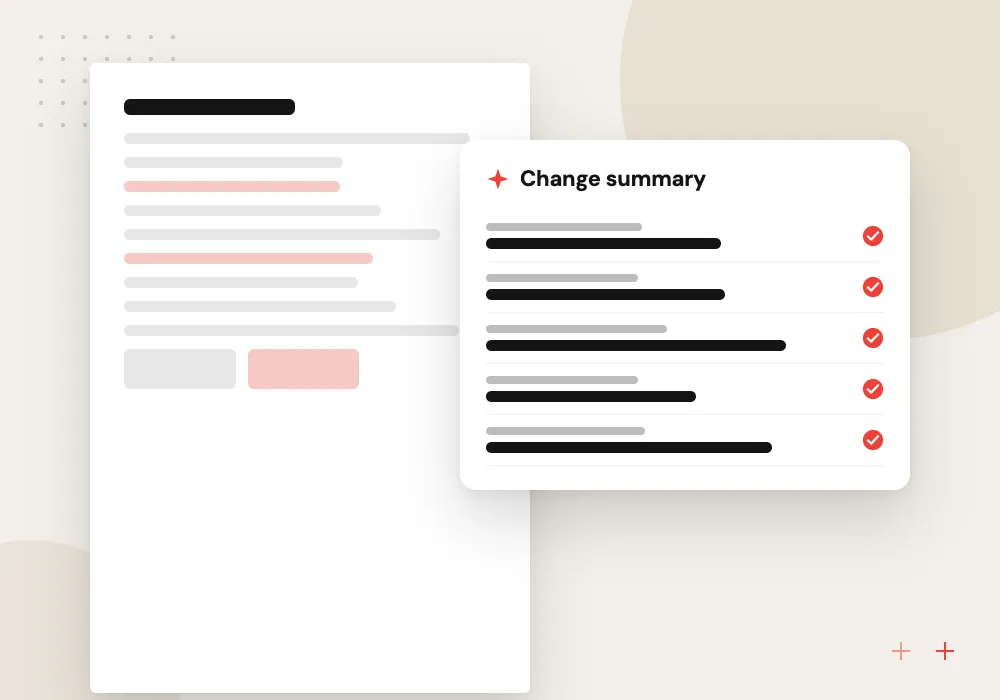
Document comparison agents
An agent reads two versions of a contract, lease or specification, lists what changed and flags clauses that need a reviewer.
Multi-step report workflows
A workflow collects figures from several reports, checks them against each other and drafts a monthly summary for a manager to approve.
Ingestion pipelines that keep structure
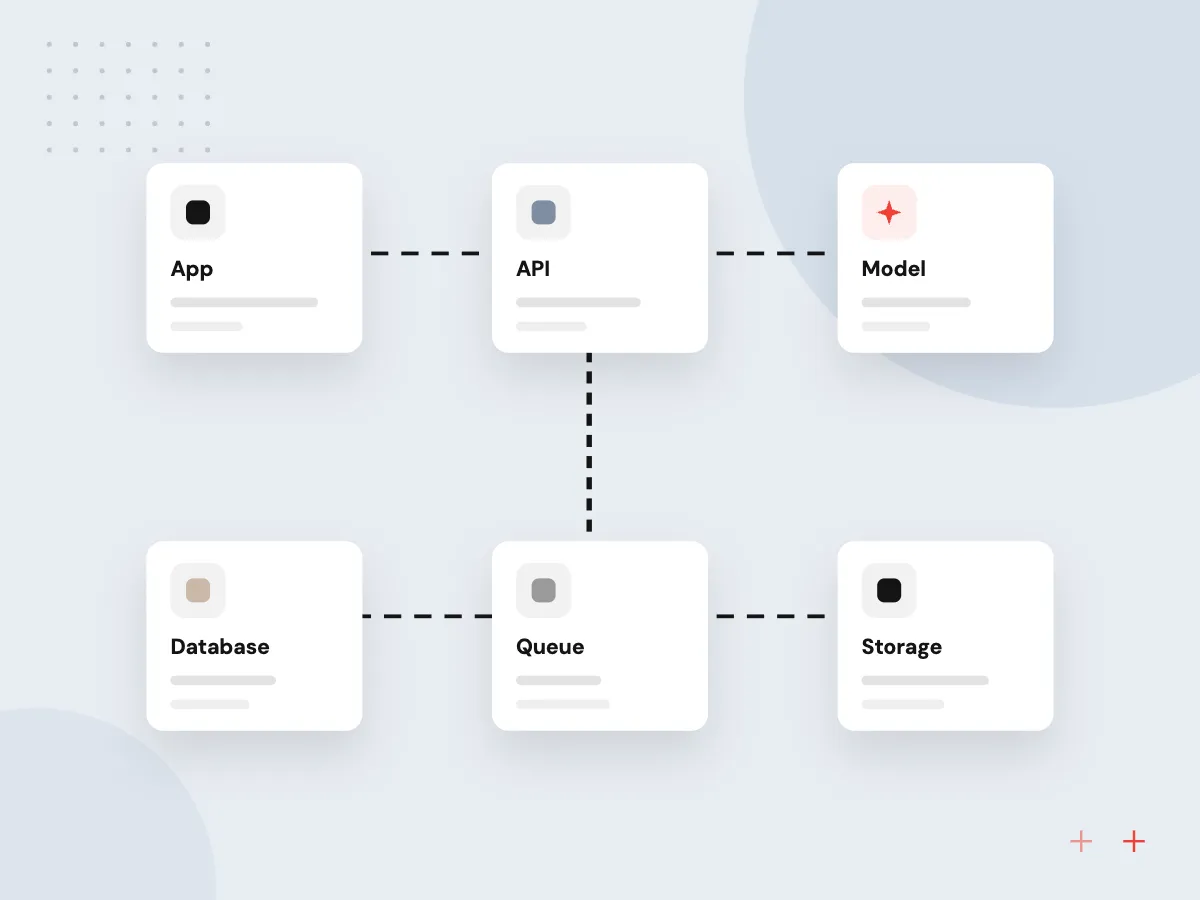
Answers can only be as good as what was extracted. We set up loaders for each source, parsers that keep tables, headings and page numbers, metadata for access and dates, and change detection so edited files are re-indexed without a full rebuild.
What we do
- Connectors per file source
- Table-aware PDF parsing
- Metadata for access and dates
- Incremental re-indexing
- Duplicate and version handling
Answer checks and source review
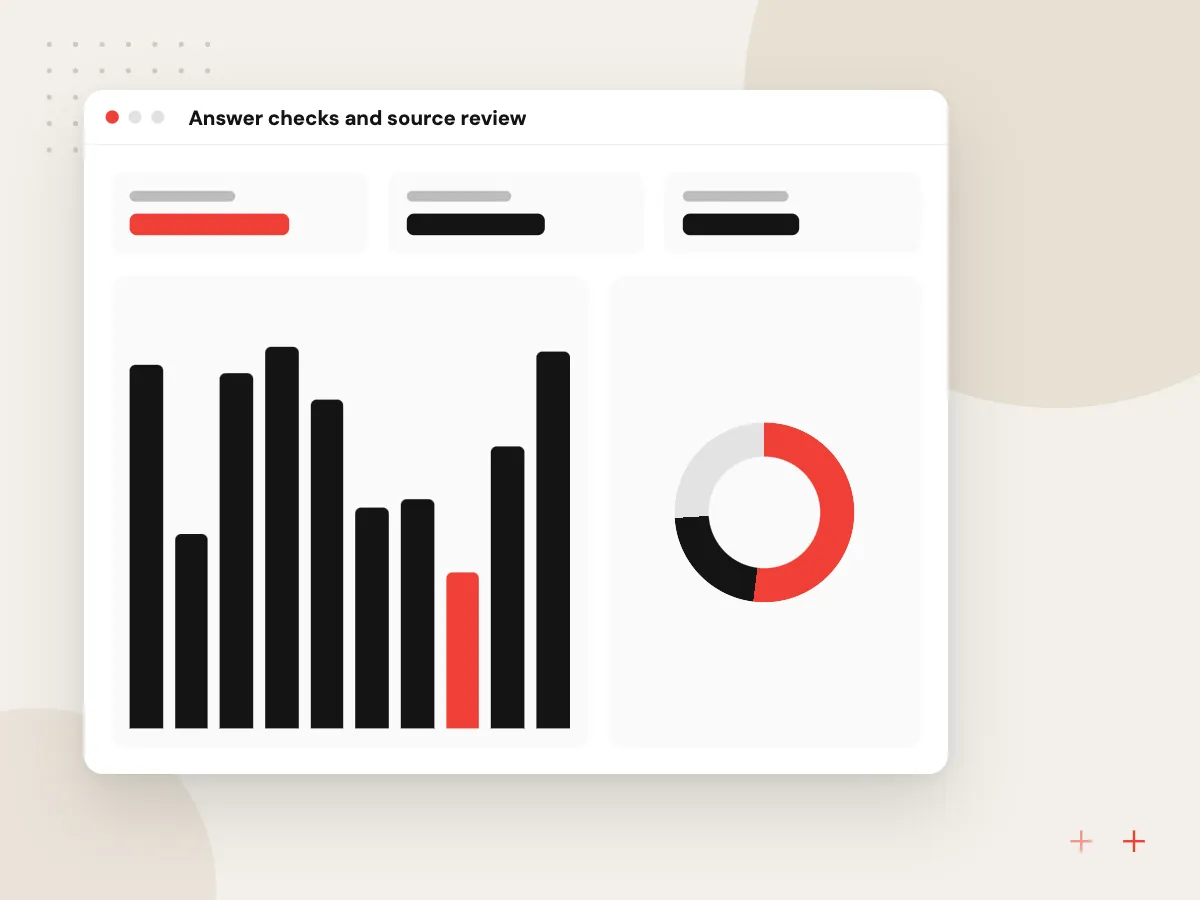
Each answer is stored with the question, the passages retrieved and the model output. Staff can mark answers as wrong, and those cases join the test set. Tracking how often the right passage was retrieved tells us whether to fix parsing, chunking or the prompt.
What we do
- Question and answer logs
- Retrieval hit-rate tracking
- Feedback button for staff
- Test set that grows
- Monthly quality review

How we approach a project
Retrieval is then tuned with your questions: hybrid keyword and vector search, reranking, routing between indexes and sub-questions that split a broad query into parts. Our guide to retrieval-augmented generation explains the method, and RAG development covers projects built without a framework.
Document agents go a step further: they read, compare and act on files, for example checking an invoice against a contract. Actions that change records wait for approval, and every answer is logged with the passages used. When sources need cleaning first, our AI data preparation team handles that.
How we work
- Parsing quality sets answer quality
- Metadata matters as much as embeddings
- Every answer points to a source
Our Process
-

Gather files and questions
We sample the real files and collect questions staff actually ask, along with the answers they expect.
-

Test parsing before indexing
Each file type is parsed and checked by eye before any index is built.
-

Tune retrieval on the questions
Chunk size, metadata filters and reranking are adjusted until the right passages come back.
-

Ship with refresh and feedback
Scheduled re-indexing, answer logging and a feedback button go live with the app.
Why Aranv for LlamaIndex
Parsing tested before promises
Your hardest files go through parsing at the very start and you see the output, so problems with scans or tables surface before any scope is fixed.
Access rules carried through
Document permissions become metadata filters applied to every query, so each person only gets answers drawn from files they could open themselves.
Indexes kept current
Refresh jobs, change detection and alerts for failed loads keep answers in step with the documents your teams edit.
Code your team can extend
Pipelines are plain Python or TypeScript with tests and documentation, so your developers can add sources without us.
Planning LlamaIndex Development?
Book a 30-minute conversation with the team that would build it.
LlamaIndex FAQs
-
What is LlamaIndex used for?
LlamaIndex is an open-source framework for connecting language models to your own data. It handles loading, parsing, indexing and querying documents and includes tools for agents and multi-step workflows. Businesses use it for document search, question answering and agents that work through files.
-
LlamaIndex or LangChain: which should we use?
Choose LlamaIndex when the project centers on documents and retrieval quality: parsing, indexing and query tuning. Choose LangChain and LangGraph when the focus is agent control flow across many tools and systems. The two can be combined, and some projects need neither.
-
Can LlamaIndex handle scanned PDFs and tables?
Yes, with the right parser. Scanned pages need OCR, and tables need a parser that keeps rows and columns intact. We test parsing on your worst files first, because poor parsing is a frequent cause of wrong answers in document apps.
-
What is a document agent?
A document agent is an AI agent whose tools are your documents and the actions around them. It finds the relevant files, reads and compares them, extracts fields and then takes a step such as drafting a reply or creating a record, with approval where needed.
-
Where does our data sit in a LlamaIndex app?
In stores you choose. Source files stay where they are, indexes sit in a vector database or Postgres in your cloud account, and only the passages needed for each answer go to the model provider you approve. Hosted parsing services are optional and reviewed against your data rules first.

Let’s talk about your next step
Contact Aranv to discuss your workflow, current tools, and goals. Meet with our team or send an inquiry.
Book a meeting with our team
Choose an available date and time for a 30-minute conversation about your project.
Tell us about your project
Share a few details so we can discuss a useful next step.
Prefer email? sales@aranv.com