


What LangChain development and consulting include
Aranv offers LangChain development to US businesses, from small teams to mid-market firms, that are building AI agents and retrieval apps in Python or TypeScript. We design LangGraph workflows with saved state and human approval steps, connect models and tools through LangChain, trace every run and upgrade older LangChain code to current releases.
LangChain gives a common interface to models, tools and retrievers, plus a ready agent loop with middleware hooks for jobs like trimming long histories or adding approval steps. LangGraph sits underneath for workflows that need explicit state, branching and long pauses, and LangSmith adds tracing and evaluation. Agents built this way fall under our AI agent development service.
LangChain is not always the right tool. A single prompt with one tool call reads more clearly in the provider’s own SDK, and document-heavy retrieval can be simpler with LlamaIndex development. We tell you when a framework adds more layers than value.
How a LangGraph agent runs
Nodes, state and checkpoints
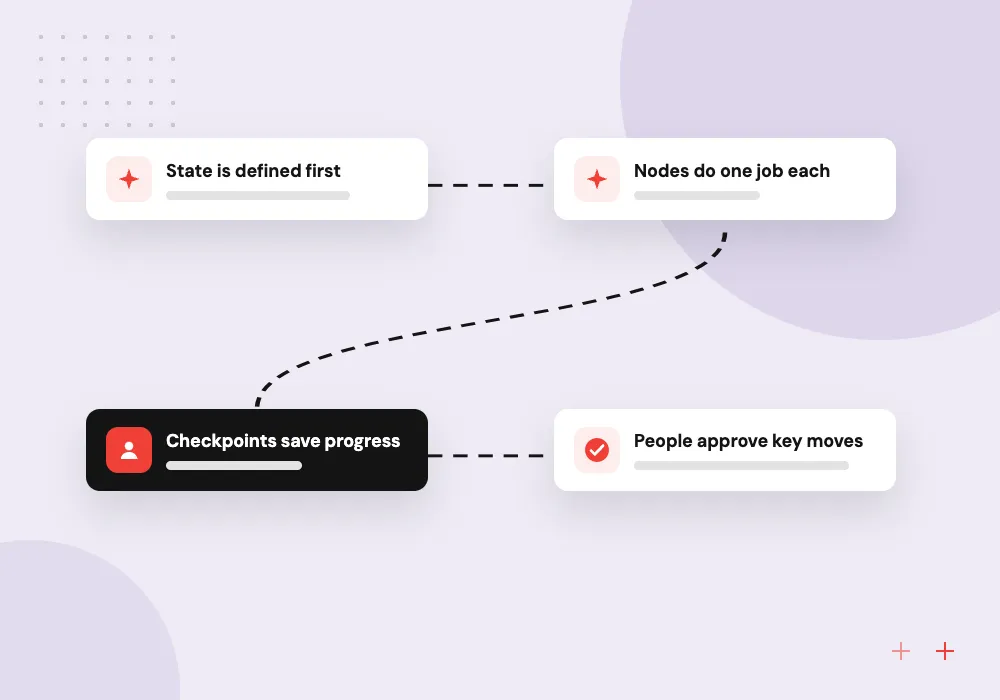
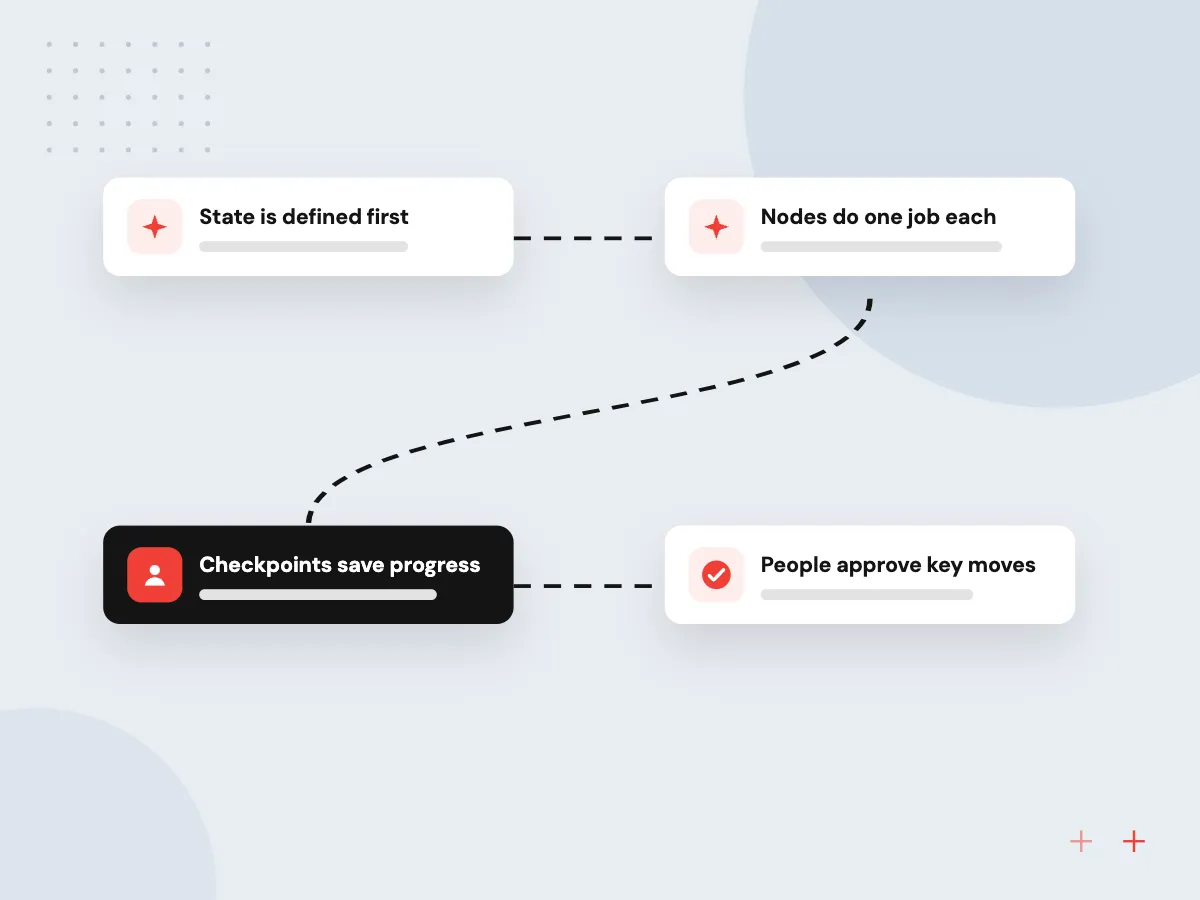
- 01 State is defined first A typed state object lists what the agent knows, has done and still needs.
- 02 Nodes do one job each Separate nodes classify, retrieve, call tools or draft, and edges set the order.
- 03 Checkpoints save progress State is stored after each step, so a run can pause and resume later.
- 04 People approve key moves The graph stops before sensitive actions and continues once someone approves or edits.
When a feature is a single model call, we use the provider’s SDK instead of a framework.
LangGraph development for real processes
LangChain and LangGraph earn their place when a task has several steps, tools and decisions that people need to see.
Agents that wait for approval
An agent prepares refunds, credit notes or purchase requests, then pauses for a manager’s approval in Slack or email before anything posts.
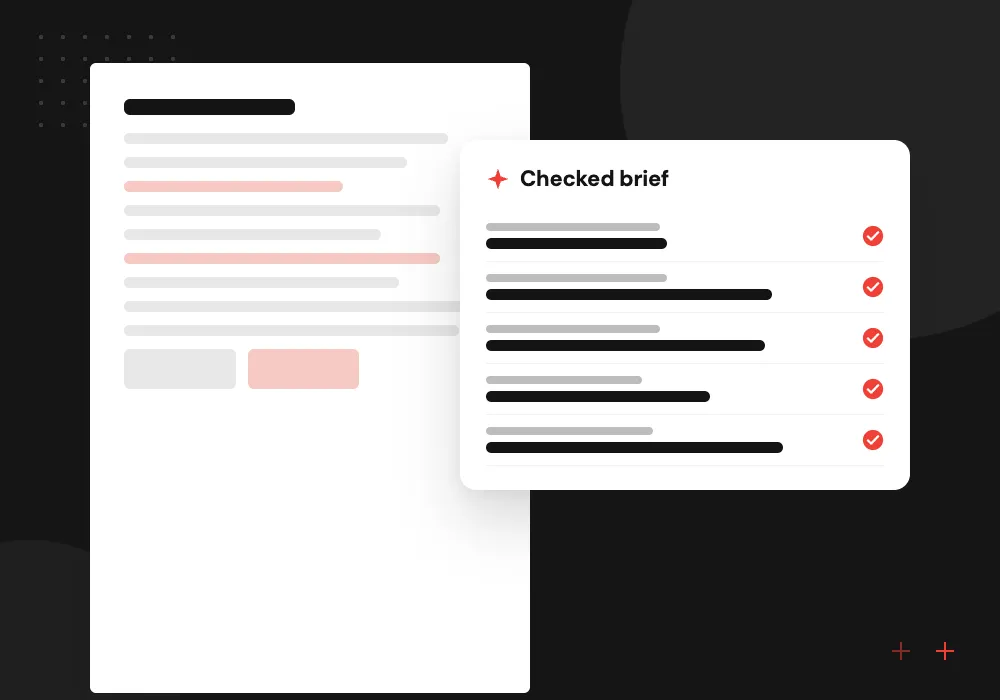
Research and drafting flows
A graph gathers facts from your CRM, files and the web, drafts a brief, checks it against your rules and sends it for review.
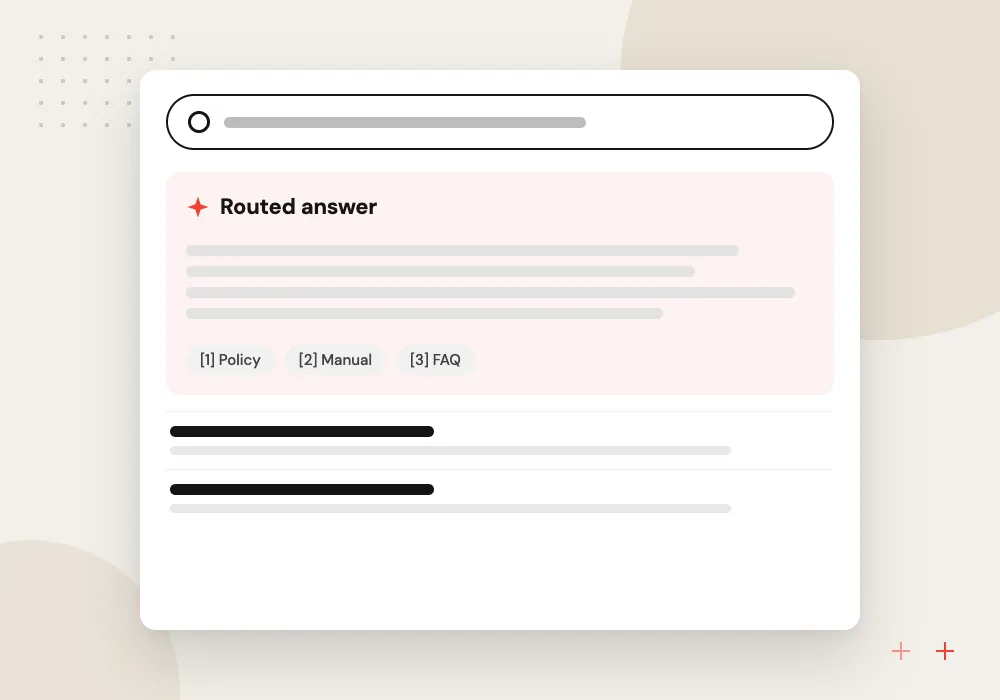
Retrieval apps with routing
Each question goes to the right source first, such as a policy index, a SQL database or a product catalog, before an answer is written.
Upgrades of early prototypes
Prototypes built on early LangChain chains and agent classes are moved to current LangChain and LangGraph APIs, with tests around the old behavior.
LangGraph workflows with human approval
Long processes such as refunds, onboarding or purchase approvals need to stop and wait. We build graphs that save state to a database after each step, interrupt before sensitive actions and resume when a person approves, edits or rejects the proposal.
What we do
- Typed state and checkpoints
- Interrupts before write actions
- Approval in Slack, Teams or email
- Resume after hours or days
- Retry and timeout rules
Tracing and evaluation from day one
Agents fail in ways normal logs do not show. Each run is traced node by node with inputs, outputs, tool calls and cost. A dataset of real cases runs on every change, and reviewers score the answers automatic checks cannot judge.
What we do
- Node-level traces
- Regression dataset from real cases
- Automatic and human scoring
- Cost per run reports
- Alerts for failed or stuck runs

How we approach a project
Our langchain consulting work often begins with an existing prototype. We review the code, add tests and traces, replace deprecated calls and fix common problems: prompts scattered through the codebase, no retry logic and memory that grows until requests fail. Retrieval parts connect to a vector database or your current search.
Systems where a planner hands work to specialist agents are covered on our agentic AI development page. Production runs on your cloud or a container platform, with LLMOps practices for monitoring and releases.
How we work
- A framework only where it helps
- Explicit state over hidden memory
- Every run traced and replayable
Our Process
-

Map the steps and tools
We write down each step, the tools it needs, what is stored between steps and where a person decides.
-

Draw the graph
The workflow becomes a diagram your team reviews before coding, with failure and retry paths included.
-

Build with tracing on
Every node is traced from the first day, and a dataset of real cases runs on each change.
-

Deploy and watch the runs
Production runs are monitored for errors, cost and stuck threads, with alerts to the team that owns them.
Why Aranv for LangChain work
Straight framework advice
We recommend LangChain only where it simplifies the code. If a provider SDK or LlamaIndex fits better, you hear that before committing.
Graphs your team can read
Workflows are drawn and reviewed as diagrams before coding, so operations staff can confirm the steps and approval points.
Upgrades without surprises
Package versions are pinned, tests wrap current behavior and upgrades happen in small steps, so a framework release does not break production.
State stored where you choose
Checkpoints and conversation history live in your Postgres or another database you pick, with retention rules you set.
Planning LangChain and LangGraph Development?
Book a 30-minute conversation with the team that would build it.
LangChain and LangGraph FAQs
-
What is the difference between LangChain and LangGraph?
LangChain offers a standard way to call models, tools and retrievers and includes a prebuilt agent loop. LangGraph is the lower-level framework for stateful workflows: you define nodes, edges and saved state, which makes pauses, retries and human approval explicit. Many projects use both.
-
Do we need LangChain to build an AI agent?
No. Simple agents can be written straight against a model provider’s SDK. LangChain and LangGraph help when you want to swap models easily, keep state across long runs or use standard tracing and evaluation. We recommend the lightest option that meets your needs.
-
Can you fix or upgrade our existing LangChain app?
Yes. We read the code and traces, write tests around current behavior, then move deprecated chains and agent classes to current APIs. Typical fixes cover prompt management, retries, memory size, tool errors and missing logs.
-
Is LangSmith required, and where do our traces go?
LangSmith is optional. It is useful for tracing and evaluation and comes as a cloud service or a self-hosted install. If traces must stay in your environment, we use the self-hosted option or send them to OpenTelemetry tools you already run.
-
Should we use Python or TypeScript with LangChain?
Both are supported. Python has the widest set of integrations and suits data-heavy work, while TypeScript fits teams whose product runs on Node.js or Next.js. We usually follow the language your developers will maintain.

Let’s talk about your next step
Contact Aranv to discuss your workflow, current tools, and goals. Meet with our team or send an inquiry.
Book a meeting with our team
Choose an available date and time for a 30-minute conversation about your project.
Tell us about your project
Share a few details so we can discuss a useful next step.
Prefer email? sales@aranv.com