


What our industry work covers
Aranv approaches software development by industry: we start from the systems, documents and rules a sector already runs on, then build the ERP, commerce, app or AI agent work that fits. The pages below cover more than 20 sectors, from retail, healthcare and logistics to construction, education and nonprofits.
Most industry projects touch three layers: the core operating system (an ERP, CRM or store platform), the portals and apps that customers and staff use, and the AI that reads documents and handles routine requests, covered sector by sector on our AI solutions pages. Which layer matters most depends on the sector.
Retail and eCommerce projects center on the store, the catalog and order flow. Manufacturing and distribution work usually starts in the ERP, with bills of materials, purchasing and stock. Energy and solar companies need a pipeline that follows each install from first quote to grid connection.
How sector context shapes a project
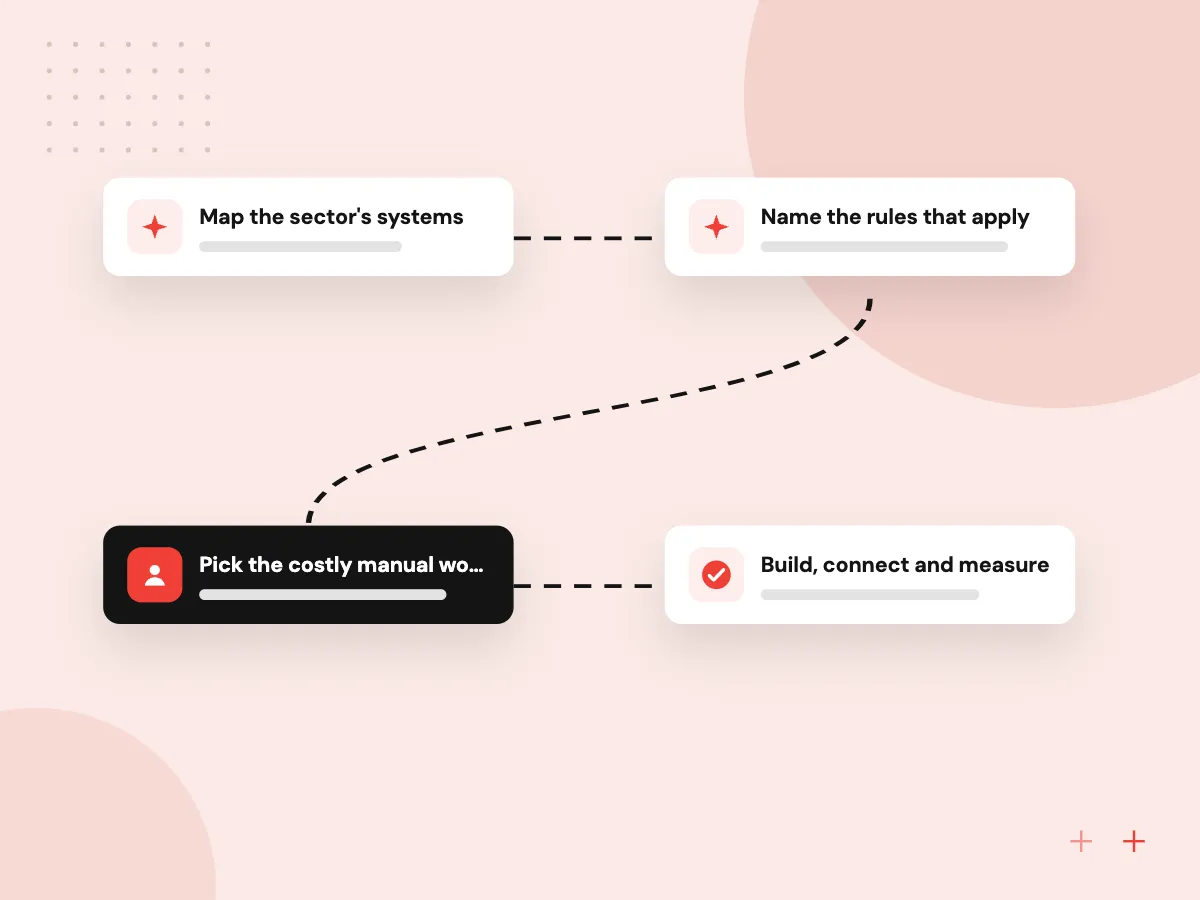
From sector rules to working software
- 01 Map the sector’s systems List the ERP, CRM, booking, EHR or store platform already holding your data.
- 02 Name the rules that apply Privacy, licensing, labor or fair housing rules decide what software may store or say.
- 03 Pick the costly manual work Find the re-keying, chasing and checking that eats staff hours each week.
- 04 Build, connect and measure Ship one workflow, connect it to existing tools, and track the time it saves.
Each industry page lists the typical systems, workflows and AI uses for that sector.
Patterns that repeat across industries
Every sector has its own core system, its own paperwork and its own constraints. Underneath, four kinds of project come up again and again.
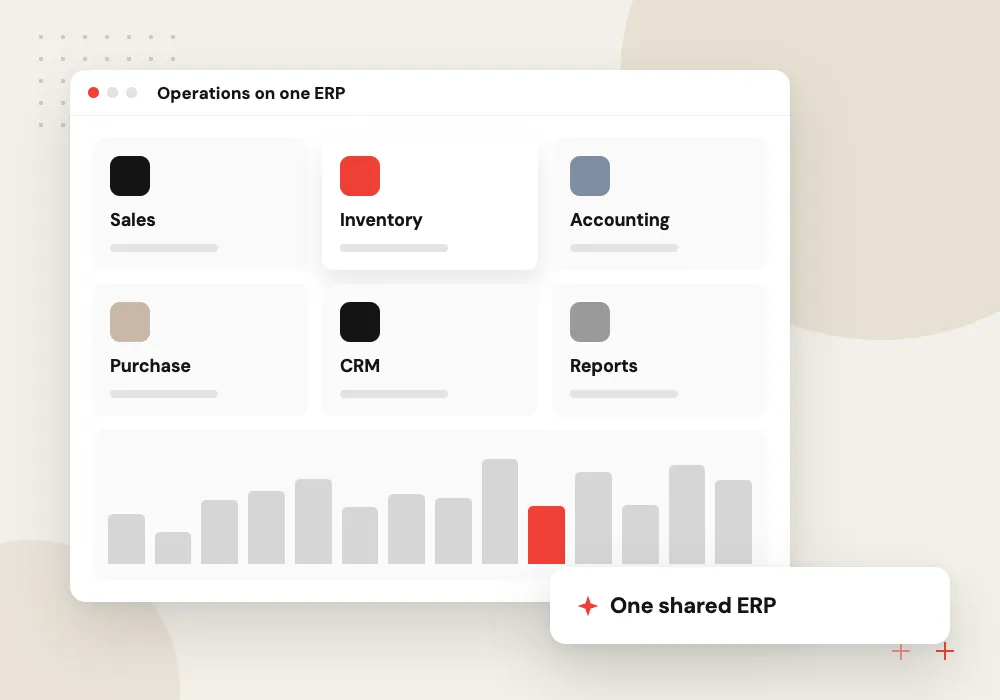
Operations on one ERP
Manufacturers, distributors and retailers move stock, orders and invoices into Odoo instead of separate spreadsheets.
Portals and apps for customers
Patients, tenants, candidates and buyers book, pay, upload files and check status without phoning the office.
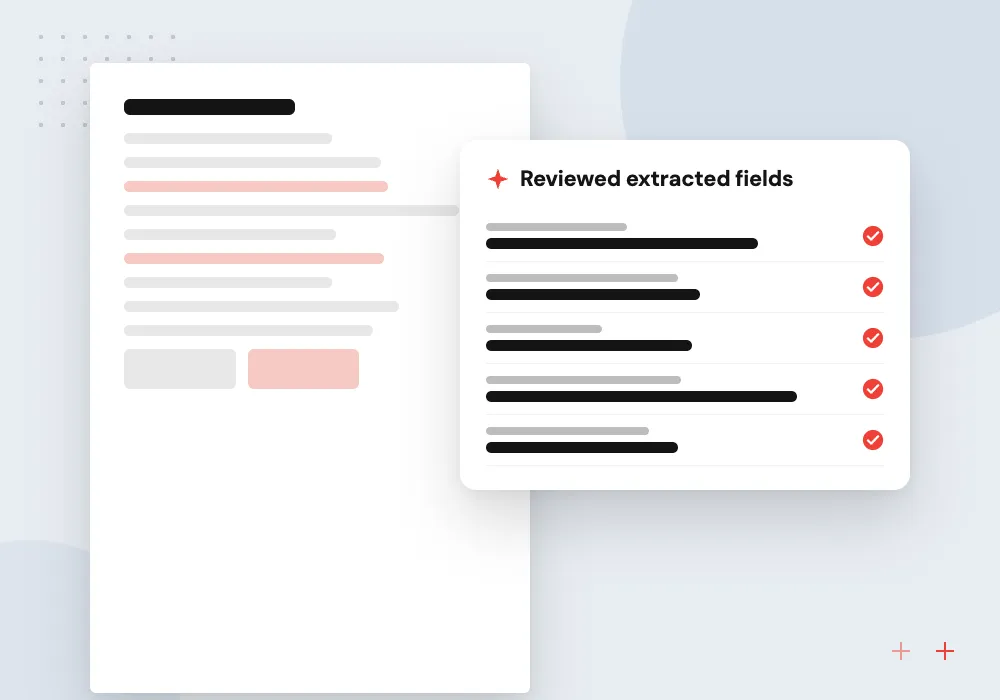
Documents read by AI
Leases, utility bills, resumes, contracts and supplier invoices turned into checked fields inside your system.
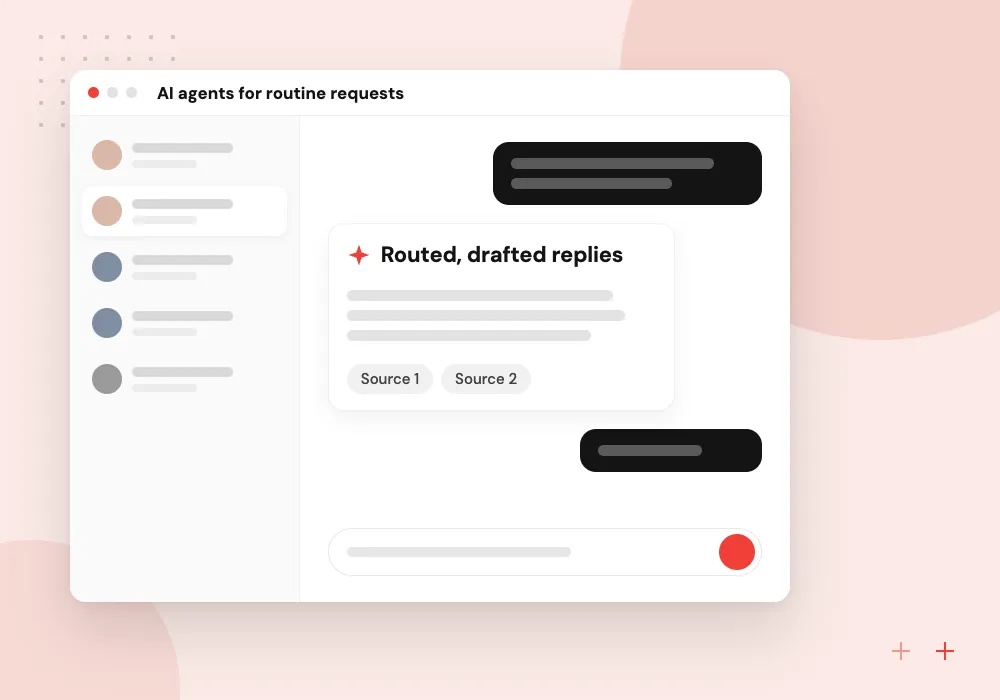
AI agents for routine requests
Agents answer common questions, route cases and draft replies, while a person approves anything sensitive.
Where AI starts in each sector
In most sectors the first useful AI job is paperwork or routine questions rather than prediction. A distributor might begin with supplier invoices, a property manager with repair requests, a clinic with referral letters. We pick the item with the most volume and a clear right answer, and keep a person on anything regulated.
What we do
- Request types ranked by volume
- Sample set from your own files
- Review step for regulated cases
- Results written into your core system
- Time per item tracked
Connecting the system you already run
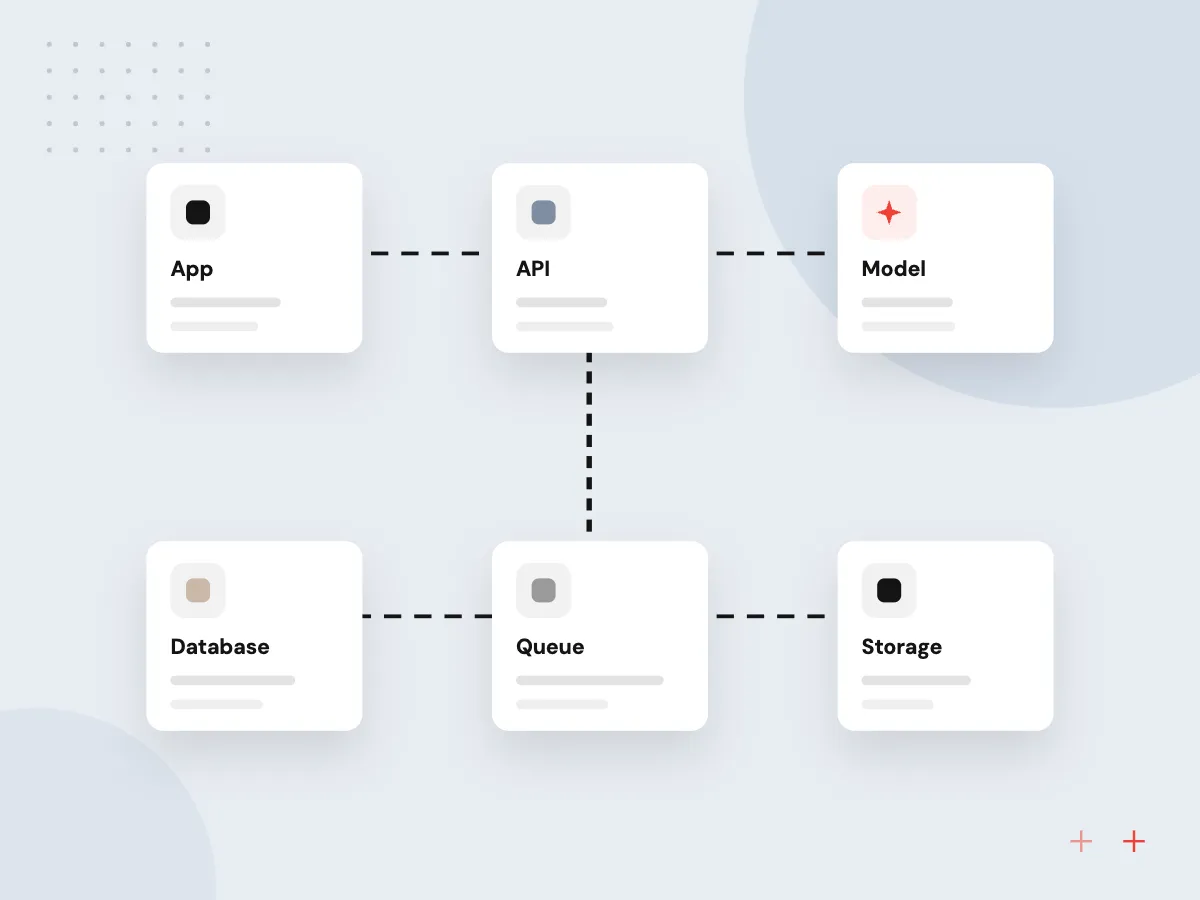
Every sector has a system of record that staff rely on: an EHR, a property management platform, an applicant tracking system or an ERP. We connect new portals, apps and AI tools to it through its API or export files, so the records stay in one place.
What we do
- API and export review per vendor
- Field mapping between systems
- Scheduled or event-based sync
- Queue for records that fail
- Access set by role

How we approach a project
Healthcare and medical teams need patient-facing tools planned around privacy rules. Real estate and property firms juggle listings, leases and repair requests. Legal and professional services firms run on confidential documents and billable time, and HR and recruitment teams handle sensitive cases alongside high hiring volume.
Our case studies describe six anonymous projects by our wider team, among them an Odoo 17 trade storefront for an American medical supplies distributor, a multi-agent HR support platform, a GDPR compliance SaaS, a UK social prescribing platform and a headless packaging store. Client names are never published.
If your sector is not listed, the same method applies, and everything we build is listed on the services page.
How we work
- Start from the systems you have
- Respect each sector’s rules
- One measurable workflow first
Our Process
-

Sector and systems review
We list your core platforms, data owners and the regulations that apply, before any design work.
-

Workflow shortlist
Together we rank manual steps by hours lost and risk, and choose one to fix first.
-

Build on what you have
We extend or connect your current tools where possible, and replace them only when they block progress.
-

Measure, then expand
After launch we compare time and error rates with the baseline, then plan the next workflow.
Why Aranv across industries
Sector rules listed first
Privacy, licensing, labor or housing rules that touch your data are written down at the start and confirmed with your compliance or legal lead before design.
Extend before we replace
Staff keep the systems they know where possible. We add the missing workflow around them and suggest replacing a platform only when it blocks the work.
ERP, apps and AI together
One team covers Odoo, portals, mobile apps and AI agents, so a project that spans all three does not depend on several vendors coordinating.
A baseline before the build
We record how long the chosen task takes today and how often it goes wrong, so the change after launch can be measured against real numbers.
Industries we work with
Retail and eCommerce
Retail software development for stores and online brands: eCommerce builds, inventory and order sync, B2B ordering portals and AI for retail teams.
Healthcare and Medical
Healthcare app development for practices, clinics and medical suppliers: patient apps, scheduling, EHR connections and AI for intake paperwork.
Real Estate and Property
Real estate app development for brokerages and property managers: tenant portals, MLS listing feeds, CRM, lease AI and an AI real estate agent.
Manufacturing and Distribution
Manufacturing software development for small plants and distributors: ERP for manufacturing on Odoo, shop floor apps, EDI links and AI on supplier paperwork.
Legal and Professional Services
Legal software development for law firms and professional services: client intake, document assembly, contract review AI and compliance software.
Energy and Solar
Solar software development for installers and energy companies: a solar CRM, permit and interconnection tracking, installer apps and utility bill AI.
HR and Recruitment
HR software development for people teams and recruiters: applicant tracking, onboarding, employee case intake, AI for HR questions and HRIS links.
Fintech
Fintech software development for startups and lenders: onboarding and KYC flows, ledgers, payments software, lending portals and fintech apps.
Insurance
Insurance software development for agencies, MGAs and small carriers: client portals, policy administration, claims intake and AI for ACORD forms.
Logistics and Transportation
Logistics app development for brokers, carriers and 3PLs: dispatch boards, driver apps, freight billing, EDI and ELD links, and AI on freight paperwork.
Construction
Construction software development for contractors: field apps, change order and RFI tracking, job cost dashboards, sub portals and AI search across specs.
Education and EdTech
Education software development for schools, colleges and edtech firms: parent portals, admissions tools, course platforms, SIS and LMS links, and AI help.
Hospitality
Hospitality software development for hotels and resorts: direct booking engines, guest apps, housekeeping tools, PMS and POS links, and AI guest messaging.
Automotive and Dealerships
Dealership software development for car dealers and groups: service apps, recon tracking, BDC lead queues, multi-store reports and AI for service calls.
Nonprofit
Nonprofit software development for charities and foundations: donor management software, giving pages, volunteer apps, program tracking and grant reports.
Food and Beverage
Restaurant software development for restaurants, caterers and food producers: ordering apps, catering tools, recipe costing, POS links and AI forecasts.
Travel
Travel software development for tour operators and agencies: booking engines, travel apps, group trip portals, supplier integrations and back-office tools.
Fitness and Wellness
Fitness app development for gyms, studios and wellness brands: member booking apps, gym software integrations, wearable data and AI that coaches approve.
Media and Publishing
Media software development for publishers and newsrooms: CMS and publishing platforms, paywalls, archive search and AI tagging that editors approve.
Agriculture
Agriculture software development for farms, co-ops and agtech firms: farm management software, offline field apps, equipment data and AI for crop records.
Wholesale Distribution
Wholesale distribution software for small and midsize distributors: B2B ordering portals, Odoo ERP, warehouse apps, EDI links and AI for emailed orders.
Pharmaceutical
Pharmaceutical software development for life sciences firms, labs and distributors: lab apps, quality and document systems, DSCSA data links and reviewed AI.
Let’s talk about your next step.
Tell us about your workflow, current tools and goals.
Industry FAQs
-
Do you only work with the industries listed here?
No. These pages cover sectors with well-known system patterns, but the method suits any business with core systems, documents and routine requests. A team in a sector not listed here can start the same way, with a short review of its systems and the rules it follows.
-
Why does industry context matter in a software project?
It shortens discovery and prevents rework. Knowing how a sector’s systems, documents and regulations fit together means the right questions get asked early, integration limits surface sooner, and nobody builds a feature that a licensing or privacy rule would later forbid.
-
Can you work with the software we already use?
Usually, yes. Most ERP, CRM, EHR, property management and applicant tracking systems offer APIs or export options. We check what your vendor allows, then connect to it rather than replacing a system your staff already know.
-
How do you handle regulated data such as health or employee records?
We agree the data rules with your compliance or legal lead before the build: where data is hosted, who can see it, how long it is kept and which vendor agreements are needed. Access controls and logging are then designed around those decisions.
-
How long does an industry software project take?
It depends on scope. A single AI workflow or integration is often measured in weeks, while an ERP rollout or a patient or tenant portal takes several months. We give a timeline after discovery, once the systems and data are known.
-
How do we start?
Book a 30-minute conversation through our Contact page. Tell us your sector, the systems you use and the task that takes the most staff time, and we will suggest a sensible first step.

Let’s talk about your next step
Contact Aranv to discuss your workflow, current tools, and goals. Meet with our team or send an inquiry.
Book a meeting with our team
Choose an available date and time for a 30-minute conversation about your project.
Tell us about your project
Share a few details so we can discuss a useful next step.
Prefer email? sales@aranv.com