


What fintech software development includes
Aranv provides fintech software development for US startups, lenders and payment companies: customer onboarding with KYC checks, double-entry ledgers, payments software, lending portals and mobile apps, built on your partner bank and processor APIs with the controls your compliance team needs.
Most fintech products sit on top of a sponsor bank, a card processor or a banking-as-a-service provider. We build the layer your company owns: the customer experience, the ledger, the admin console and the connections to each partner, written against their APIs and sandboxes. Our payment gateway integration work covers processors, ACH originators and payout providers.
Compliance shapes the design from the first sprint. Most products keep raw card numbers in the processor’s vault and store only tokens, which keeps PCI DSS scope small. KYC records, sanctions screening results and monitoring alerts need retention rules and audit history, and we agree those controls with your compliance officer before the build. The contract side is explained on our security and IP page.
How money moves through a fintech product
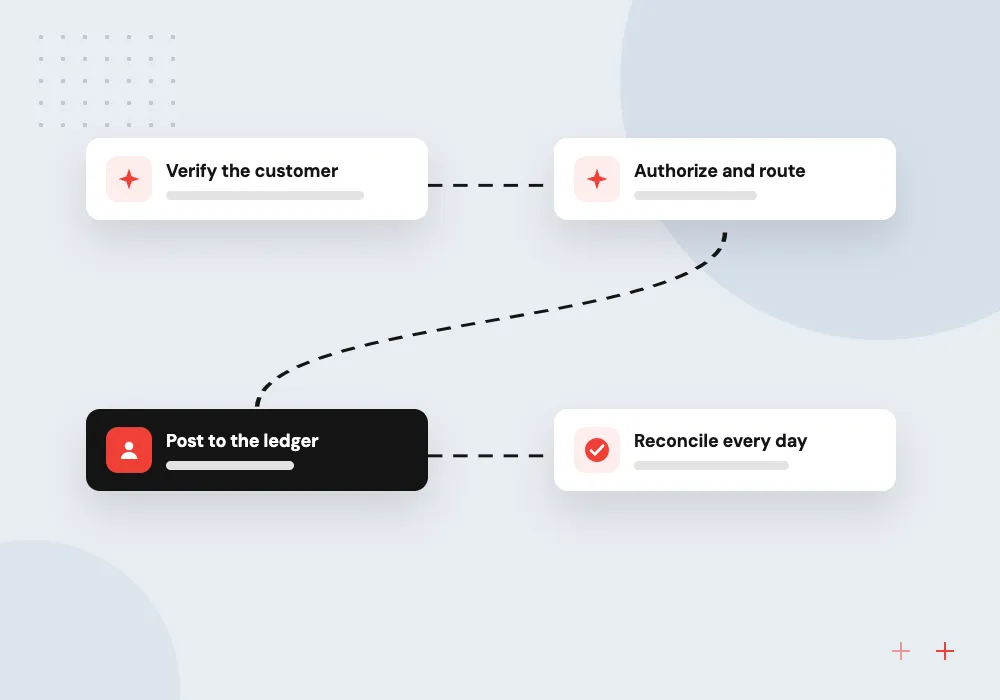
From signup to settled funds
- 01 Verify the customer Identity and business checks run in the signup flow, with unclear cases sent to an analyst.
- 02 Authorize and route Each payment goes to the right rail: card, ACH or an instant network.
- 03 Post to the ledger Every debit, credit, fee and reversal is written as a balanced entry.
- 04 Reconcile every day Ledger totals are matched against bank and processor files before anyone asks.
We build on the sponsor bank, processor and verification vendors you already have contracts with.
Fintech app development and payments software
Fintech teams usually hit the same wall: the product works for early users, but the back office still runs on exports and manual checks.
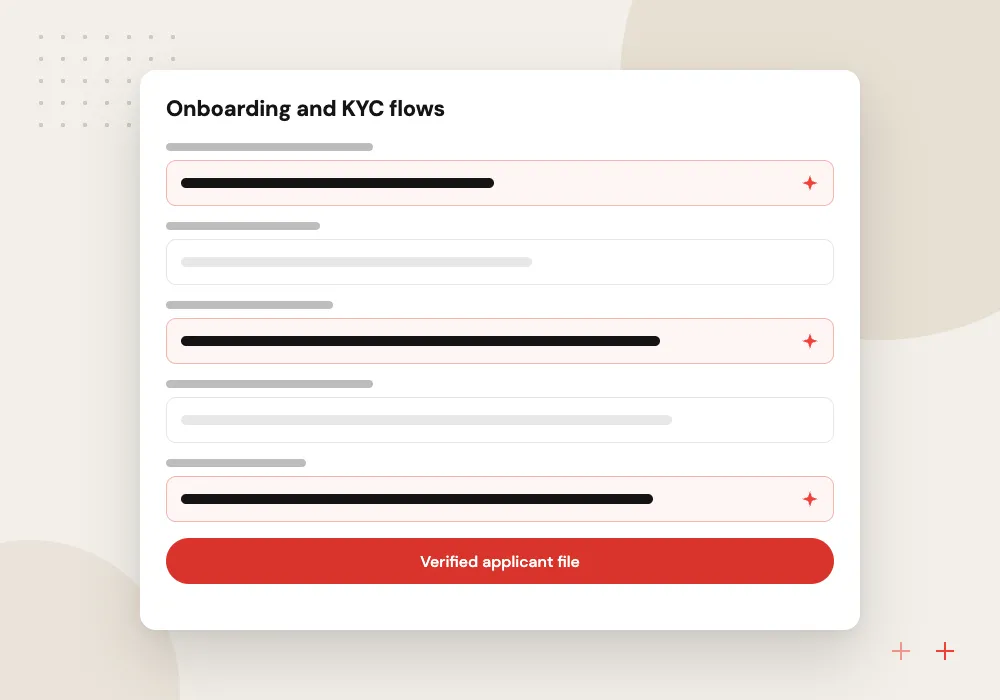
Onboarding and KYC flows
Identity checks, business verification and document upload in one guided flow that approves clear cases and queues the rest for your analysts.
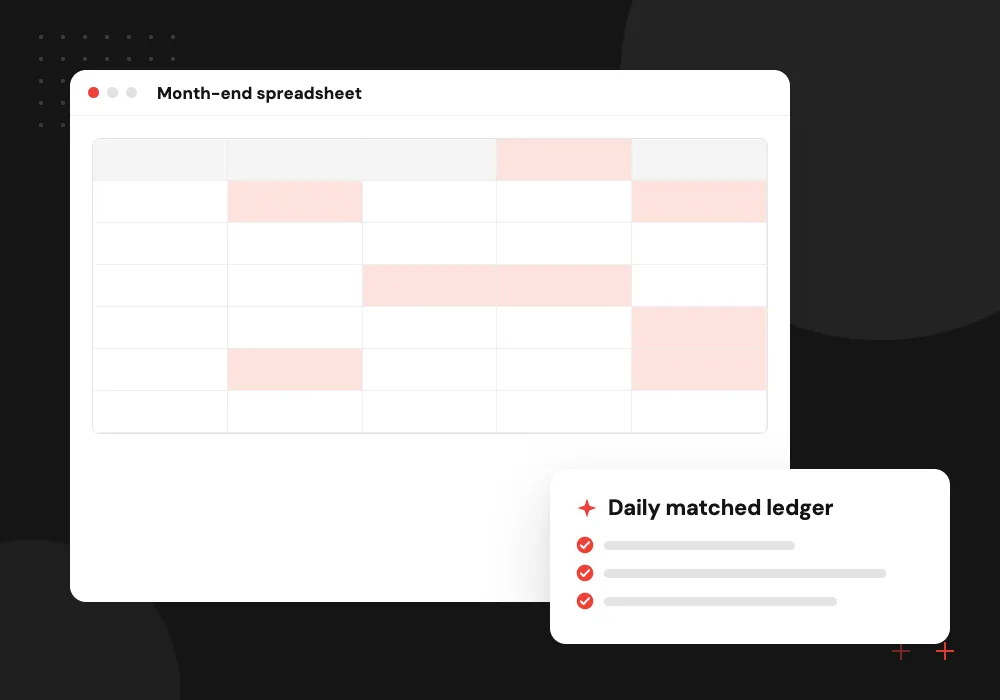
Ledgers and reconciliation
A double-entry ledger that records each movement of funds and is matched daily against processor and bank settlement files.
Payments software and payouts
Card, ACH and instant payment rails wired into your product, with payout schedules, retries and webhook logs your support team can trace.
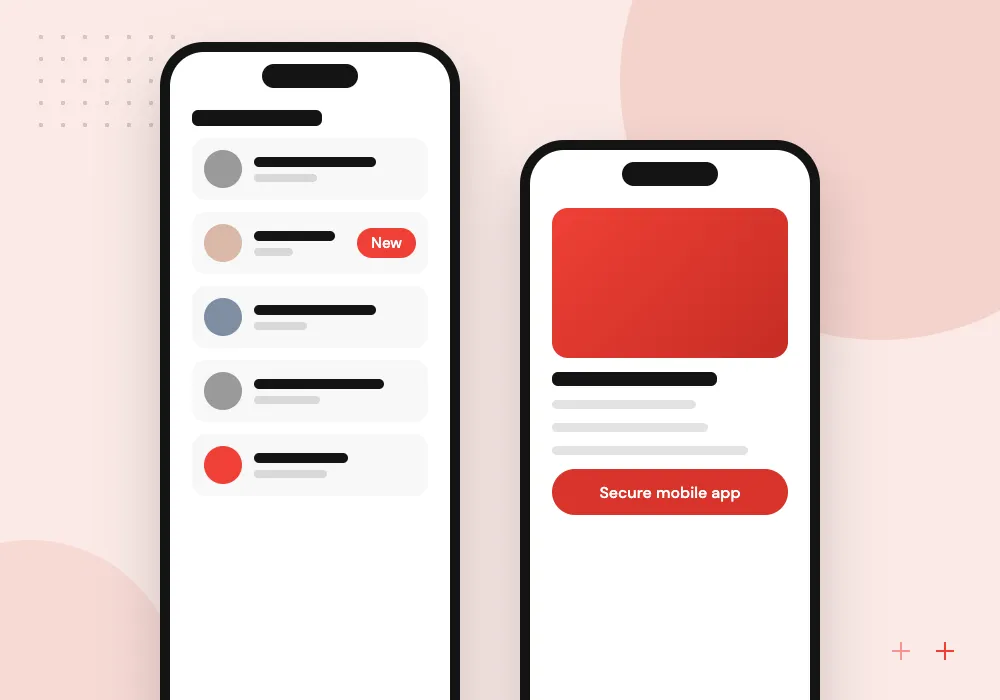
Fintech app development
iOS, Android and web apps for balances, transfers, bill pay and alerts, with biometric sign-in and extra checks before risky actions.
Lending portals and back-office tools
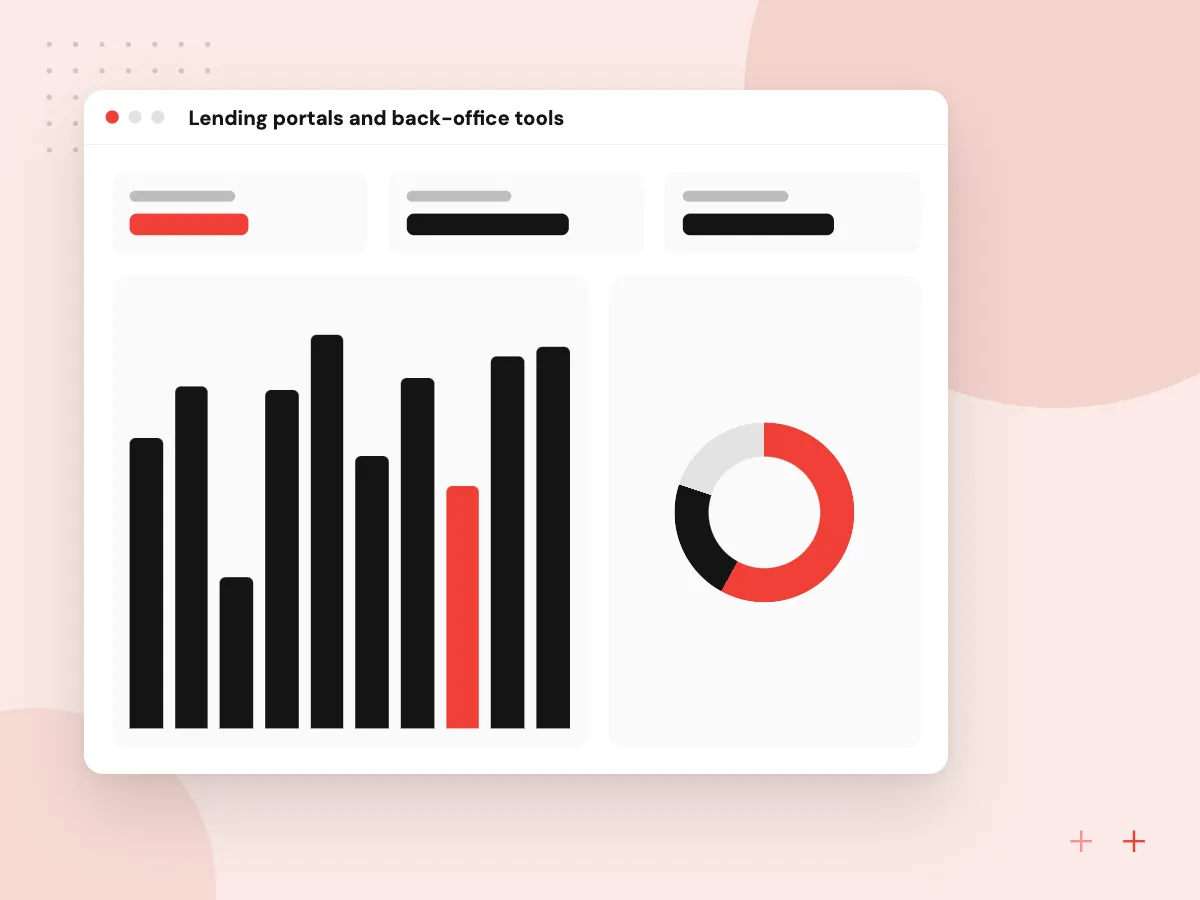
Lenders and card programs need staff tools as much as customer screens. We build loan application portals that collect documents and consent, underwriting queues with condition checklists, and dispute and chargeback queues that track each case against its deadline, all with an audit trail your examiners can read.
What we do
- Loan application and document portals
- Underwriting condition checklists
- Dispute and chargeback queues
- Maker-checker approvals on money moves
- Audit history on every change
AI for fintech operations
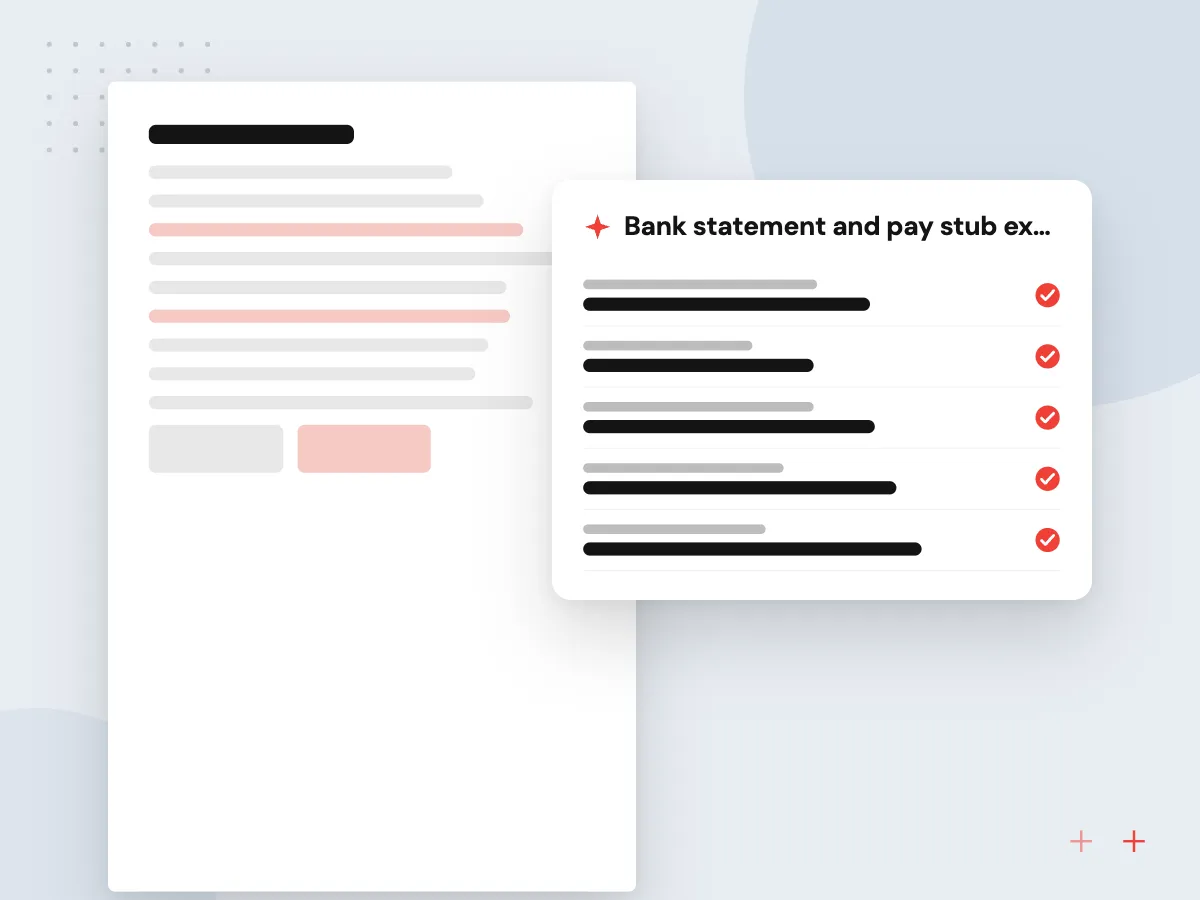
Models read bank statements and pay stubs, sort transactions into categories, summarize dispute cases and score monitoring alerts for review. Each output is stored next to the case it relates to, and decisions on credit, account closures or suspicious activity reports stay with your trained staff.
What we do
- Bank statement and pay stub extraction
- Transaction categorization
- Alert scoring for analyst review
- Dispute case summaries
- Logged prompts and model outputs

How we approach a project
AI earns its place in the queues and the paperwork. AI KYC and customer onboarding reads identity and business documents, AI fraud detection ranks alerts so analysts see the riskiest first, and our page on AI for fintech companies goes deeper on assistants, data rules and review steps.
For customer apps, our mobile app development team builds native and cross-platform clients, and API integration links back-office tools with accounting and CRM. Other sectors we serve are on the industries hub. Founders usually open with a 30-minute conversation covering partners and launch plans, arranged via the contact page.
How we work
- Design the ledger before the screens
- Controls agreed with compliance first
- Test the failure paths, not just success
Our Process
-

Map the money flow
We draw every movement of funds, from customer to partner bank to ledger, and list each partner’s APIs and files.
-

Agree controls with compliance
Your compliance lead signs off on KYC rules, approval limits, retention and audit logging before features are built.
-

Build against sandboxes
Integrations are tested in processor and bank sandboxes, including failed, reversed and duplicate transactions.
-

Launch with reconciliation on
Go-live includes daily reconciliation reports and alerts, so breaks show up on day one rather than at month end.
Why fintech teams choose Aranv
The ledger comes first
We design the record of money before the screens, so balances, fees and reversals tie back to partner reports from the first release.
Edge cases are test cases
Returns, chargebacks, duplicate webhooks and partial refunds are scripted as tests, because those paths cause most support tickets after launch.
Controls your partners can review
Role-based access, maker-checker approvals and an audit log on sensitive actions are built in, with evidence your bank partner can inspect.
Accounts in your name
Cloud accounts, processor keys and code repositories are created under your organization from day one, so nothing needs transferring later.
Planning Fintech Software Development?
Book a 30-minute conversation with the team that would build it.
Fintech software FAQs
-
How much does fintech software development cost?
It depends on how many payment rails and partners you connect, whether you need your own ledger, the compliance controls your bank partner expects and how many staff roles the admin tools serve. After discovery we give a phased written estimate, so a first release can launch before the full roadmap is funded.
-
Do we need our own ledger or can we rely on the processor’s records?
Early products can lean on processor reports. Once you hold balances, charge fees, split payments or use more than one partner, an internal double-entry ledger becomes the record you reconcile everything else against. Adding it later means migrating history, so we raise the question during discovery.
-
Which payment rails should a new payments product support first?
Start with the rail your customers already expect. ACH suits payroll and bill pay where next-day settlement is fine, cards suit consumer checkout, and instant networks such as RTP and FedNow suit payouts that cannot wait. A ledger that treats each rail as a separate source makes adding more later straightforward.
-
Can you work within our sponsor bank’s requirements?
Yes. Partner banks usually set rules for KYC, complaints, transaction monitoring and vendor oversight. We turn them into written acceptance criteria and keep evidence such as access reviews and change logs, which your bank partner may ask to see.
-
Can AI make credit or fraud decisions in our product?
It can assist, but a person should own the decision. Lenders must give applicants specific reasons when credit is denied, so we design models that show the factors behind a score, log each output and leave the final call with your credit or risk team.

Let’s talk about your next step
Contact Aranv to discuss your workflow, current tools, and goals. Meet with our team or send an inquiry.
Book a meeting with our team
Choose an available date and time for a 30-minute conversation about your project.
Tell us about your project
Share a few details so we can discuss a useful next step.
Prefer email? sales@aranv.com