


What fleet management software development includes
Aranv provides fleet management software development for US companies running trucks, vans or service vehicles: vehicle tracking dashboards, maintenance scheduling, fuel and cost reports, driver apps and compliance records, built on data from the telematics devices and ELDs you already use.
Fleet companies rarely lack data. They lack one place where GPS pings, engine fault codes, fuel card transactions, ELD logs and repair invoices line up against the same vehicle. We build that place as custom software, starting from the report your fleet manager rebuilds by hand every week.
Most telematics and ELD providers offer APIs, and we read from them rather than replacing hardware. Hours-of-service records follow FMCSA’s electronic logging device rule, so the software stores them exactly as the devices report them and keeps them easy to retrieve for an audit. When you need sensors beyond the vehicle’s own data, such as trailer temperature, our IoT development services cover the device side.
From scattered telematics to one fleet view
How fleet data turns into decisions
- 01 Connect the data sources We pull GPS, engine and ELD data from your telematics providers’ APIs.
- 02 Match readings to vehicles Each reading is tied to the right unit, driver and job, even after device swaps.
- 03 Show what needs action Dashboards list late jobs, overdue service, idling and expiring documents.
- 04 Act and record Work orders, driver messages and inspection records start from the same screen.
Fleets often run more than one telematics brand. The software treats each as a source, so you can change vendors without a rebuild.
Vehicle tracking software and fleet apps we build
Fleet software usually grows from one painful report, such as service due dates kept in a spreadsheet.
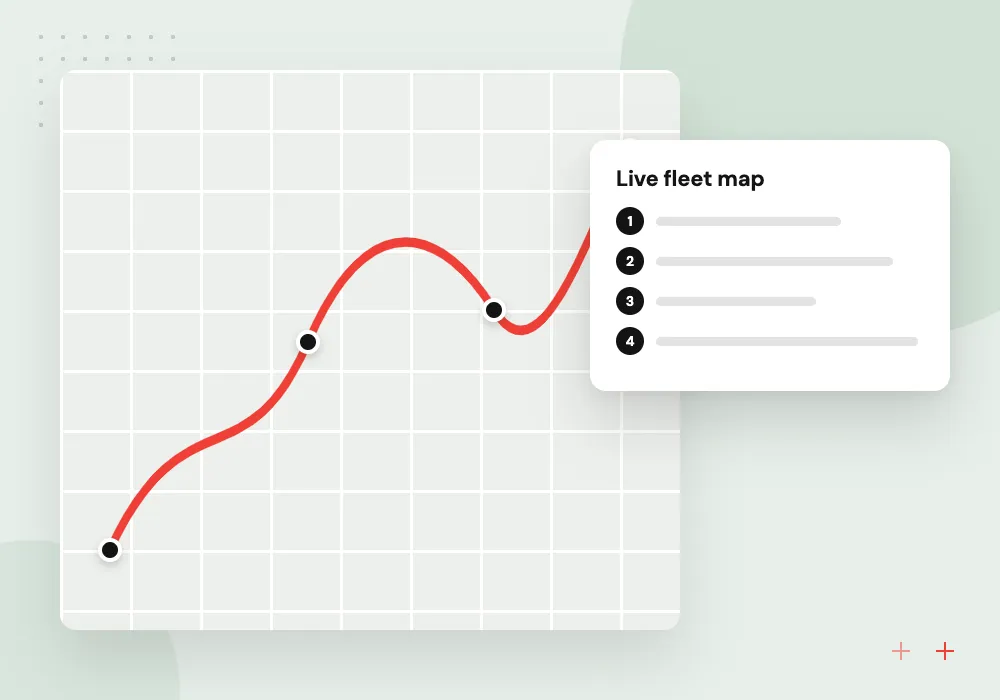
Live vehicle tracking
A map of every vehicle with status, speed and current job, plus geofence alerts when a truck reaches a site or leaves the yard out of hours.
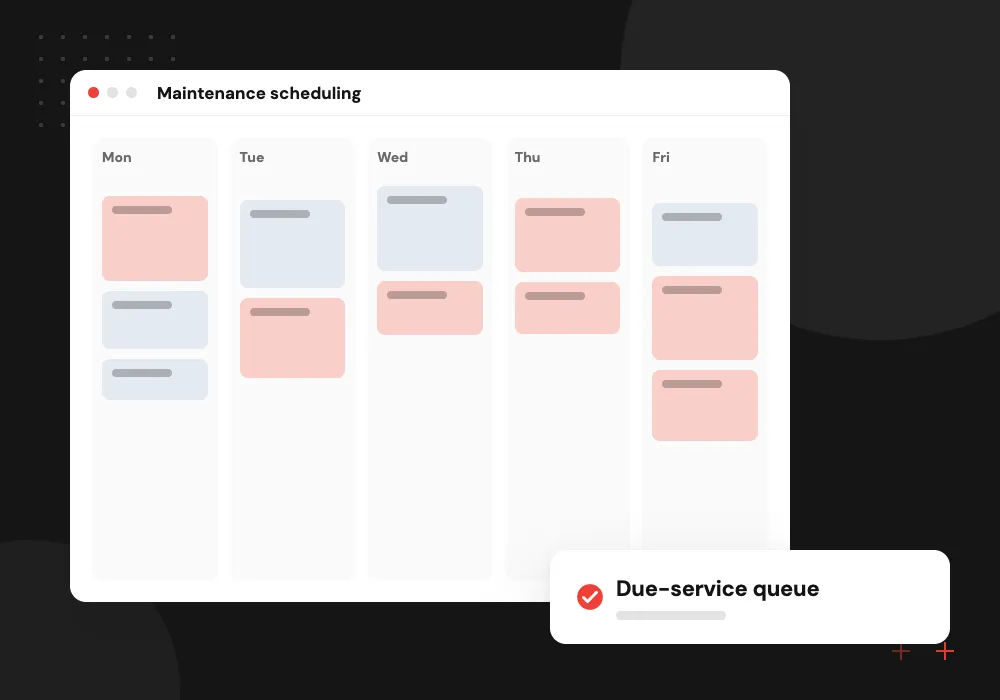
Maintenance scheduling
Service intervals by mileage, engine hours or date, fault codes turned into work orders, and parts and labor costs logged against each unit.
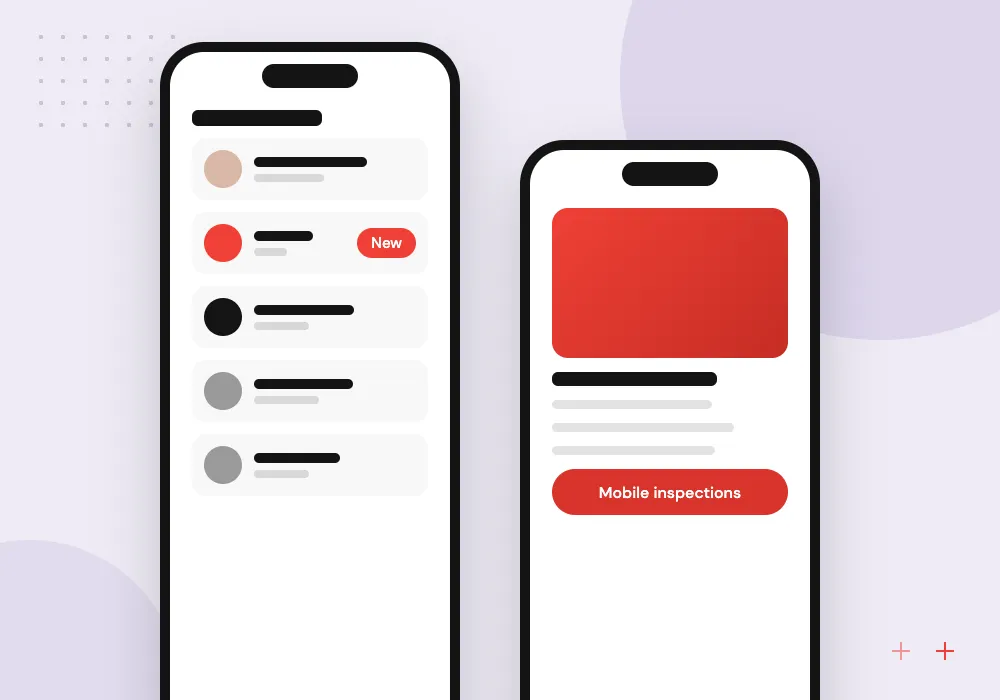
Driver fleet app
Pre-trip inspection checklists with photos, fuel receipts, job details and messages to dispatch, designed for quick use in cabs and yards.
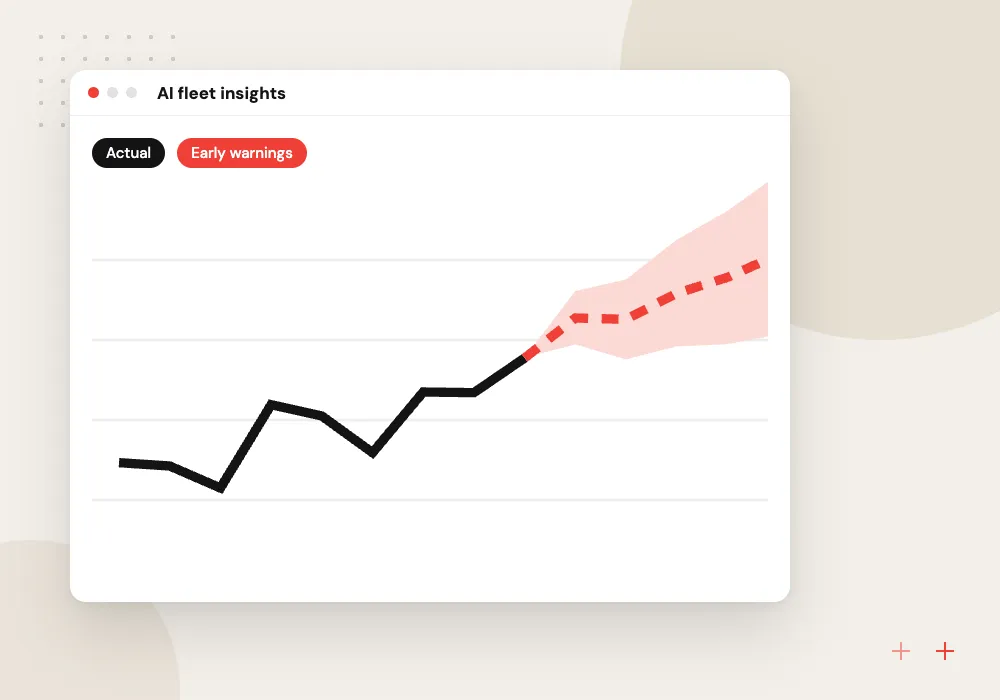
AI fleet insights
AI flags vehicles likely to need repair from fault code patterns, reads fuel and repair invoices into cost records, and summarizes each week’s exceptions for the fleet manager.
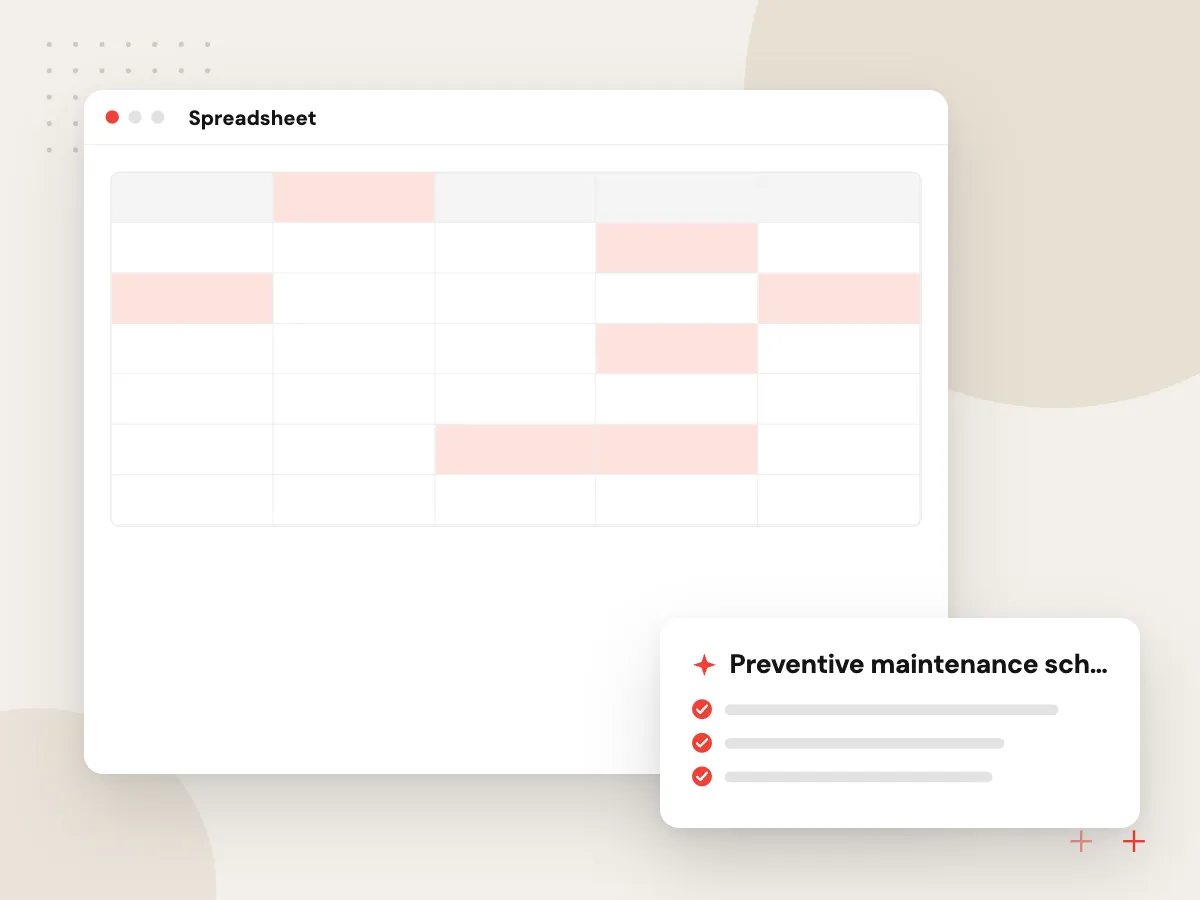
Maintenance and cost tracking per vehicle
Every unit gets a full history: service done, parts used, fault codes logged, fuel bought and days off the road. Service comes due by miles, engine hours or date, and the shop works from a queue instead of a whiteboard. Cost per mile and per job reports draw on the same records.
What we do
- Preventive maintenance schedules
- Fault code to work order
- Parts and labor costs per unit
- Fuel card transaction matching
- Cost per mile reports
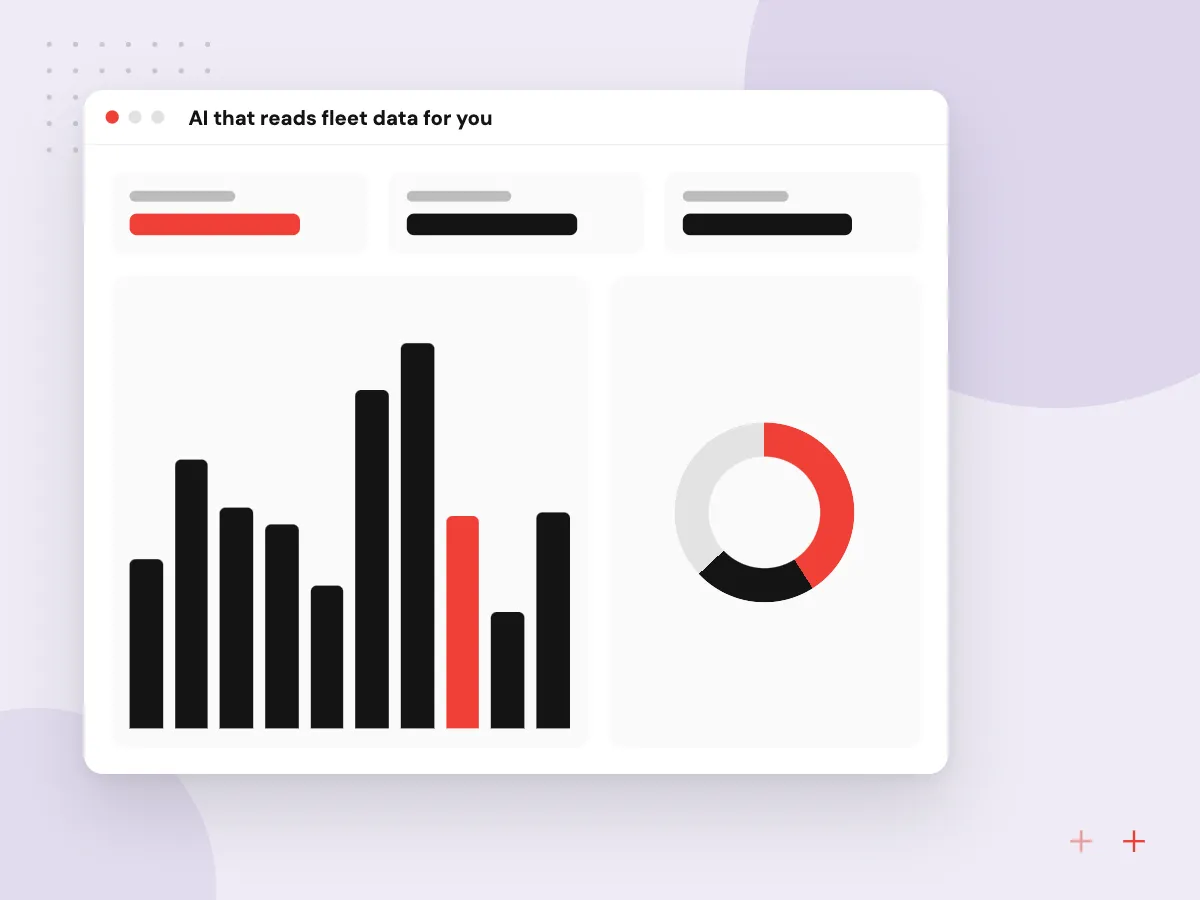
AI that reads fleet data for you
Few fleet managers can study every alert. AI can rank vehicles by repair risk, read repair and fuel invoices into cost records, and write a short weekly summary of idling, late stops and overdue service. Each flag links to the underlying data so the manager can check it.
What we do
- Repair risk ranking
- Invoice reading into cost records
- Weekly exception summary
- Idling and speeding patterns
- Links back to raw data

How we approach a project
Drivers use the fleet app in short bursts, often with gloves on or in poor light, so screens use large controls, offline storage and photo capture. Our mobile app development team builds it for the phones or rugged tablets your drivers already carry.
AI work starts from the data you already collect. Fault code history feeds AI predictive maintenance, and stop history feeds route planning. For the wider picture of software in transport, see our logistics software development page.
How we work
- Use the telematics you already pay for
- One record per vehicle, every source
- Short, simple screens for drivers
Our Process
-

Ride along and sample data
We spend time with dispatch, the shop and a driver, then pull sample data from each telematics and fuel provider.
-

Agree the vehicle record
One record per unit is defined, with the fields, sources and owners for mileage, service, documents and costs.
-

Build integrations and screens
Provider connections, dashboards and the driver app are built in sprints and tested against a week of real fleet data.
-

Roll out by depot
One yard or region goes live first, with the old spreadsheets kept alongside until the numbers match.
Why Aranv for fleet software
Vendor-neutral by design
Telematics, ELD and fuel providers sit behind one data model as replaceable sources, so switching a vendor does not mean rebuilding your software.
Data cleaned before dashboards
Odometer readings, device swaps and duplicate pings are reconciled first, because a dashboard built on mismatched vehicles leads to bad decisions.
Built with the people using it
Dispatchers, shop staff and drivers test screens during the build, so the tools match how work actually happens in the yard.
Integrations kept running
Telematics APIs change and devices get replaced. We maintain the connections after launch so data keeps flowing into your reports.
Planning Fleet Management Software Development?
Book a 30-minute conversation with the team that would build it.
Fleet software questions
-
What does custom fleet management software cost?
Cost depends on the number of data sources, vehicle types and depots, the driver app, maintenance and parts tracking, and links to accounting or dispatch tools. We estimate in phases, so the first release can tackle the report that eats the most staff time.
-
Can you work with our existing GPS trackers and ELDs?
Usually. Most telematics and ELD providers publish APIs or data exports, and we read from those instead of asking you to replace hardware. We check API access and limits with each provider during discovery and plan around vendors that only offer file exports.
-
Should we build fleet software or use our telematics provider’s portal?
The vendor’s portal is often enough for a single-brand fleet with standard needs. Custom software makes sense when you run several telematics brands, need maintenance and costs tied to jobs and customers, or want fleet data inside your ERP and dispatch tools.
-
Is the software an ELD?
No. ELD compliance belongs to the registered device and its provider. Our software reads and stores the hours-of-service data those devices produce and shows it next to jobs and vehicles, but it does not replace a registered ELD.
-
Can AI predict which vehicles will break down?
It can flag vehicles with a higher chance of trouble from fault codes, mileage and repair history, once there is enough history to learn from. We start by surfacing patterns for the shop manager to judge, then check whether the flags match what mechanics find.

Let’s talk about your next step
Contact Aranv to discuss your workflow, current tools, and goals. Meet with our team or send an inquiry.
Book a meeting with our team
Choose an available date and time for a 30-minute conversation about your project.
Tell us about your project
Share a few details so we can discuss a useful next step.
Prefer email? sales@aranv.com