


What marketplace platform development includes
Aranv provides marketplace development for US businesses launching multi-vendor product stores, service marketplaces and B2B trading platforms: seller onboarding, listings and search, split payments and payouts, reviews, and the admin tools your team needs to keep both sides honest.
A marketplace is two products sharing one database: a storefront for buyers and a business tool for sellers, plus a third view where your staff handle approvals, refunds and disputes. We usually build it as a responsive web application first and add native apps once both sides are active.
Payments shape much of the design. Platforms normally use a payment provider’s marketplace product, such as Stripe Connect, to verify sellers, split each charge and pay out on a schedule. Our payment gateway integration work sets up those flows, including refunds that reverse the right share of your commission.
Two sides, one platform
How a marketplace takes shape
- 01 Pick the first side We decide which side to recruit first and what makes a listing worth browsing.
- 02 Define the money flows Commissions, fees, refunds and payout timing are agreed with your accountant before code.
- 03 Build the core loops Sellers list, buyers search and pay, and both sides message, review and resolve issues.
- 04 Open in one niche Launch with one category or city, watch repeat use, then widen.
A narrow first launch makes it easier to see what buyers come back for and which sellers they trust.
Multi-vendor marketplace platforms we build
The right model depends on what changes hands: physical goods, booked services, rentals or wholesale orders.
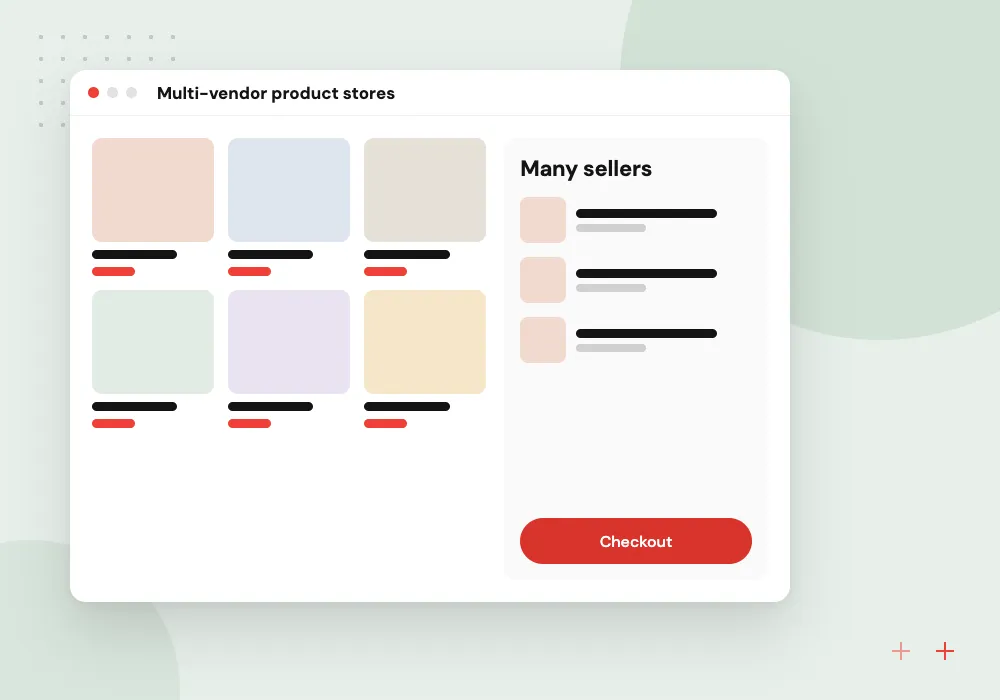
Multi-vendor product stores
Independent sellers manage their own catalog, stock, shipping rates and returns, while you set category rules, commission and the checkout buyers see.
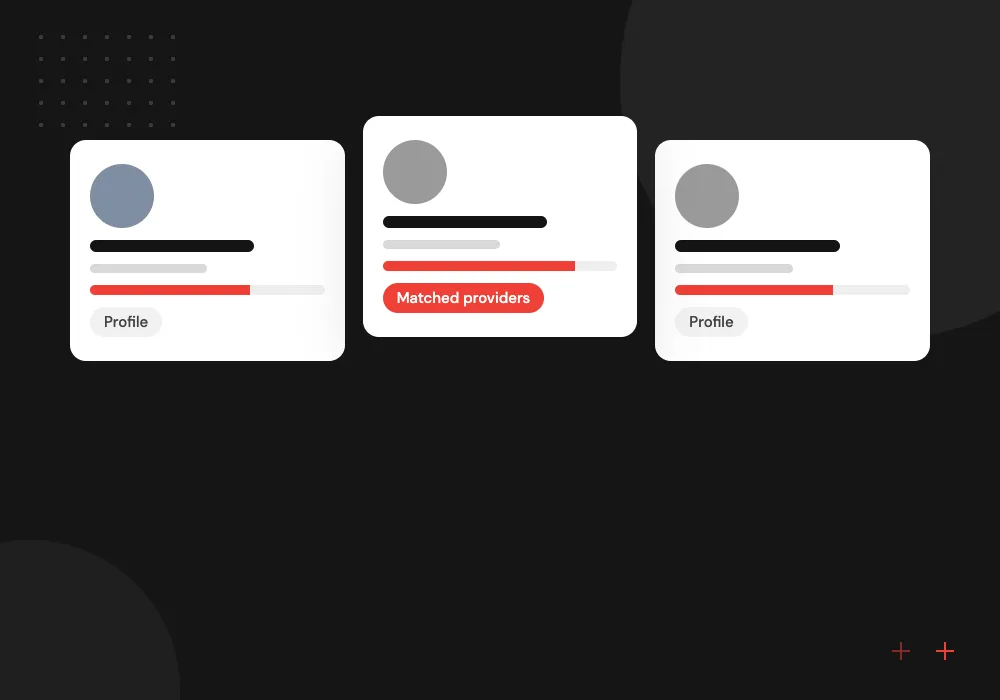
Service marketplaces
Buyers compare providers by skill, area and rating, request quotes or book directly, and pay through the platform, with payouts released after the job is marked complete.
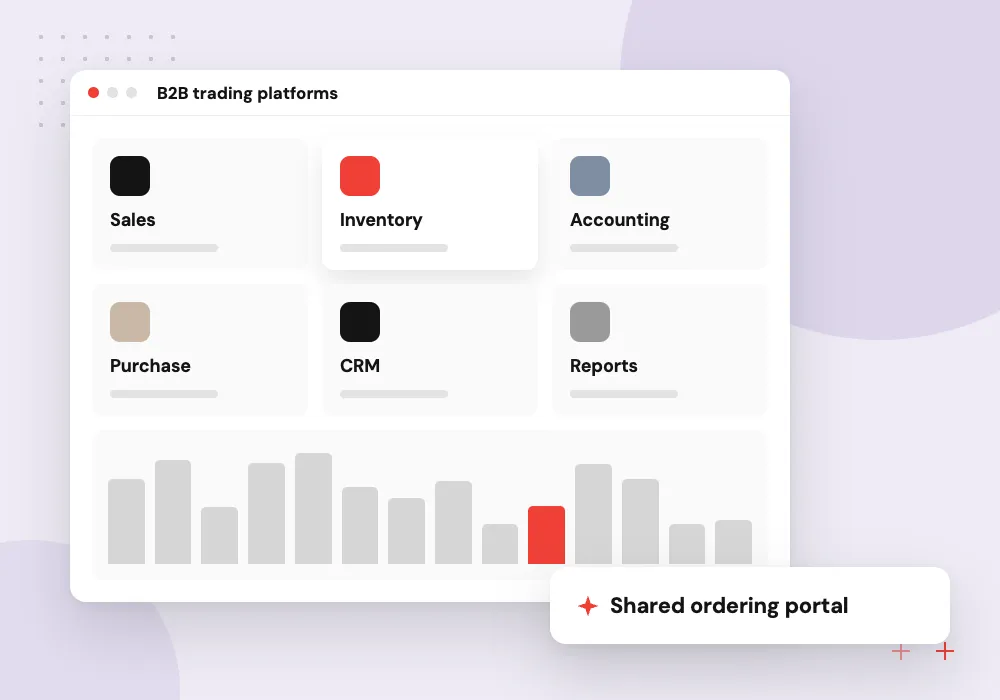
B2B trading platforms
Approved buyers see negotiated prices, place purchase orders across several suppliers and pay on invoice terms, while each supplier fulfills its own lines.
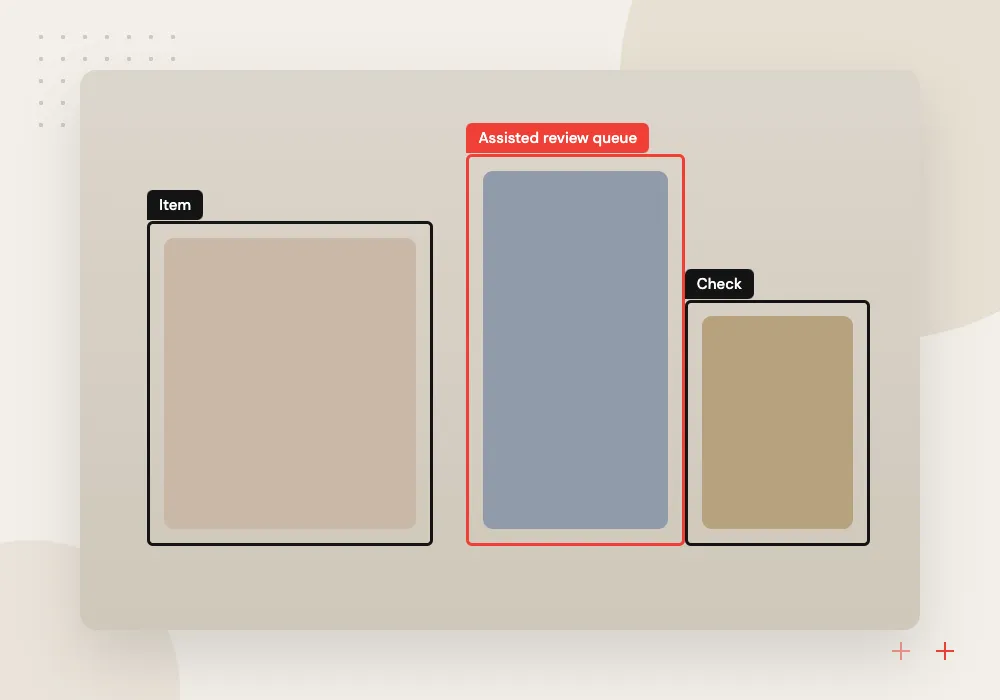
AI listing and matching
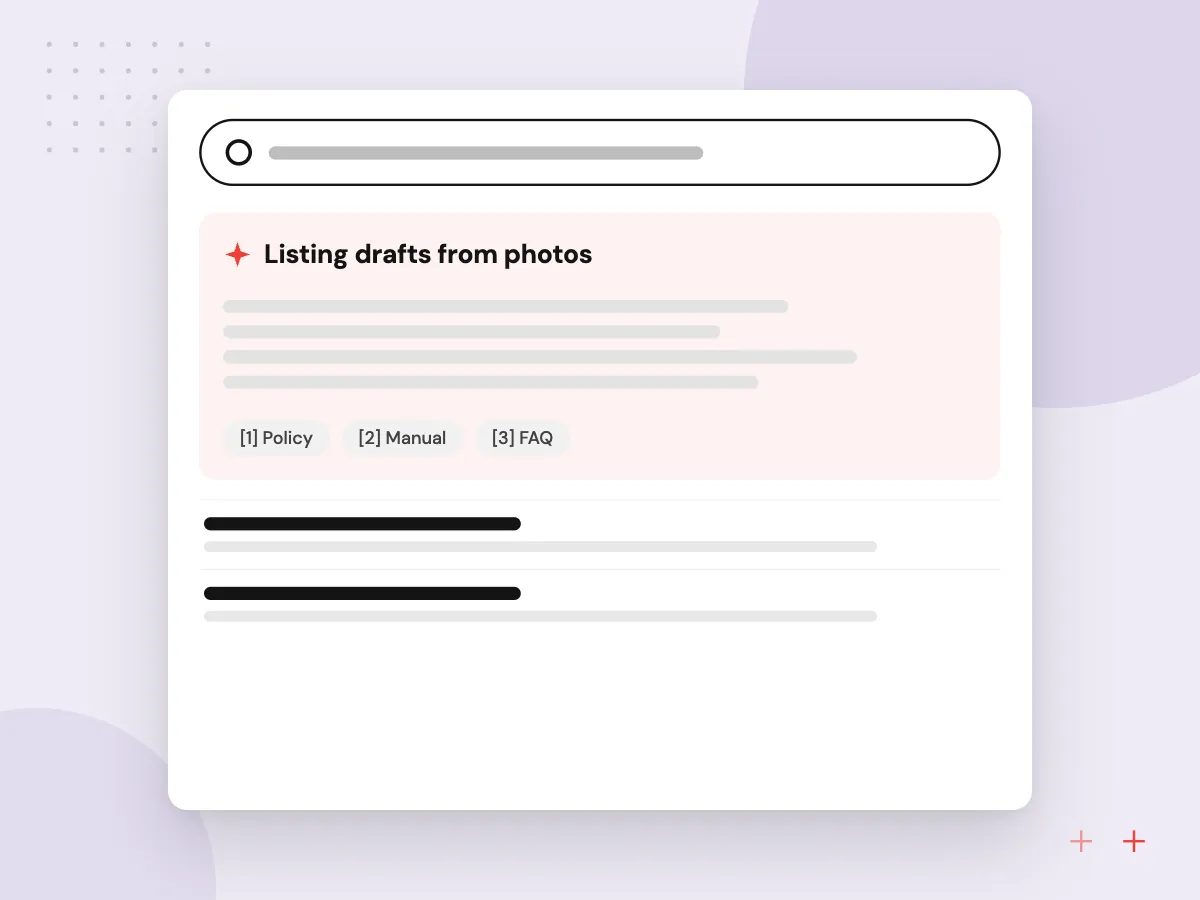
AI drafts listing text from seller photos and notes, flags duplicates or prohibited items for a moderator, and ranks search results by what buyers click and buy.
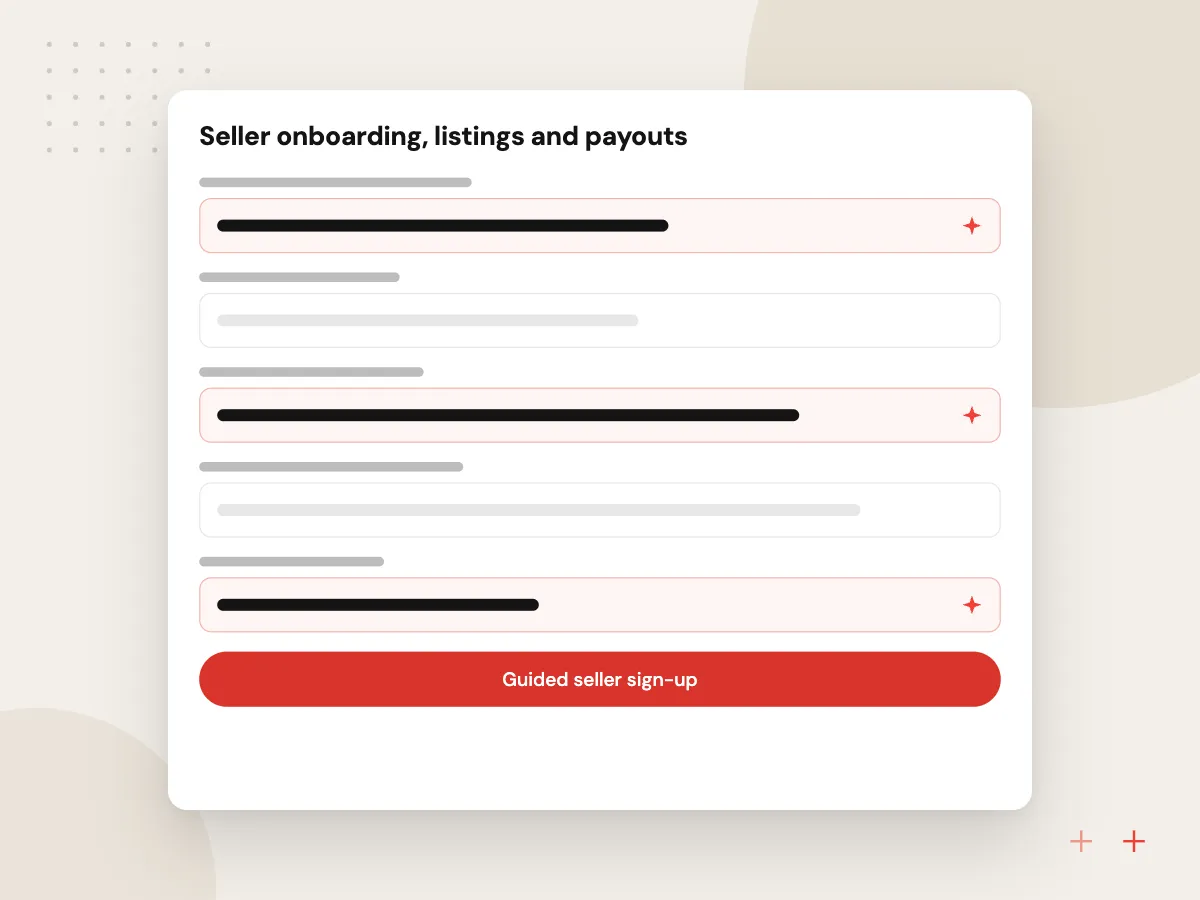
Seller onboarding, listings and payouts
Sellers judge a platform by how quickly they can list and get paid. We build a guided sign-up, identity and bank checks through the payment provider, bulk listing from a spreadsheet or API, and a payout statement that shows every fee and deduction line by line.
What we do
- Guided seller sign-up
- Identity and bank verification
- Bulk listing import by CSV
- Commission and fee statements
- Yearly seller recertification
AI for listings, moderation and matching
AI is useful on both sides of a marketplace. It can turn a seller’s photos and rough notes into a draft listing, check new listings against your rules, and match buyers with providers from a job description. Uncertain items go to a moderator queue rather than being approved or rejected automatically.
What we do
- Listing drafts from photos
- Prohibited item and duplicate flags
- Meaning-based search across listings
- Buyer to provider matching
- Moderator queue with reasons
How we approach a project
Product marketplaces in the US carry legal duties too. Under the INFORM Consumers Act, platforms must collect a bank account, contact details and a tax ID from high-volume sellers, verify them, and have sellers certify the details at least once a year. The FTC’s business guidance explains who counts, and your legal adviser confirms how it applies.
Search and trust grow with the catalog. AI recommendations and smarter search fit once there are enough listings and orders to learn from. When the buyers and sellers are both businesses, our B2B ecommerce page covers quotes, credit terms and approval chains.
How we work
- Both sides served from day one
- Money rules agreed before code
- Trust tools on every listing
Our Process
-

Map both journeys
We walk through one listing from seller sign-up to payout, and one purchase from first search to review.
-

Settle the money rules
Commission, fees, sales tax, refunds and payout delays are written down with your finance lead and tried in the provider’s sandbox.
-

Ship seller tools first
Onboarding and listing tools go live early, so you can recruit sellers and fill the catalog before buyers arrive.
-

Open, moderate, widen
Buyers come in for one category, we watch disputes and search terms, and new categories open as supply allows.
Why Aranv for marketplaces
Money flows tested properly
Charges, commissions, refunds and payouts are tested in the provider’s sandbox against partial refunds and canceled orders before real money moves.
Admin tools in release one
Your operations team gets screens for approvals, disputes, refunds and seller performance from the start, because a marketplace without them gets messy fast.
Narrow launch, growth on evidence
We plan a first release for one category or region and add features based on search terms, disputes and repeat orders.
Code and data you control
Source code, designs and platform data are assigned to you in the contract, so running the business never depends on us.
Planning Marketplace Development?
Book a 30-minute conversation with the team that would build it.
Marketplace questions buyers ask us
-
What drives the price of a marketplace platform?
Budget follows scope: user types, how payments split and pay out, search and filters, mobile apps, moderation tools and links to shipping or tax services. We estimate in phases after discovery, so one category can launch first and extras are funded once you see traction.
-
Should we start with a marketplace plugin or a custom build?
A plugin on Shopify or WooCommerce can test demand when the model is a simple product store with a few vendors. A custom platform makes sense for service bookings, quotes, unusual commission rules, B2B pricing, or when you need control over data and experience that a plugin cannot give.
-
How do sellers get paid on a marketplace?
Usually through a payment provider’s platform product. The provider verifies each seller, your commission is taken from every charge, and payouts reach seller bank accounts on a schedule you set. Your own servers do not need to store card numbers or seller bank details.
-
What does the INFORM Consumers Act mean for our marketplace?
If third-party sellers offer new or unused consumer products on your platform, you must collect, verify and disclose certain information about high-volume sellers and keep it current. We build those fields, checks and yearly reminders into onboarding; your legal adviser confirms the details.
-
How do you deal with fake listings and disputes?
With rules plus review: required fields, image checks, flags for duplicate or prohibited items, ratings limited to verified buyers, and a dispute queue where staff see the order, messages and payment history together before deciding.

Let’s talk about your next step
Contact Aranv to discuss your workflow, current tools, and goals. Meet with our team or send an inquiry.
Book a meeting with our team
Choose an available date and time for a 30-minute conversation about your project.
Tell us about your project
Share a few details so we can discuss a useful next step.
Prefer email? sales@aranv.com