


What AI pricing optimization includes
Aranv builds AI pricing optimization for retailers, eCommerce brands and B2B distributors: models that learn how your customers reacted to past price changes and promotions, then recommend list prices, markdowns and quote ranges inside margin floors and rules your pricing owner sets and approves.
Many prices are set once a year from cost plus a target margin, then patched with discounts. AI pricing optimization studies how customers actually responded to past price moves, estimates margin and volume at nearby prices, and suggests a price for each product or segment. A person still decides; the model narrows the choice and shows its working.
Dynamic pricing rarely means prices that change by the hour. For most small and midsize firms it means weekly or monthly reviews backed by better evidence. Prices tailored to the individual shopper draw regulator attention, and the FTC opened a study of surveillance pricing in July 2024, so we keep recommendations at product, channel and customer-tier level unless your counsel approves otherwise.
From cost-plus habits to evidence-based prices
How a price recommendation is made
- 01 Gather price history Net selling prices, discounts, costs, stock and promotions for each product and channel.
- 02 Estimate price response An elasticity model measures how units moved when prices moved in the past.
- 03 Apply your rules Margin floors, change limits, price ladders and contract terms filter every suggestion.
- 04 Owner approves changes Approved prices publish to the store, ERP price list or quoting tool.
Where volume allows, a new price is tested on part of the range before it goes everywhere.
Pricing decisions we support
Each one starts from a pricing call your team already makes by hand, then adds evidence and limits.
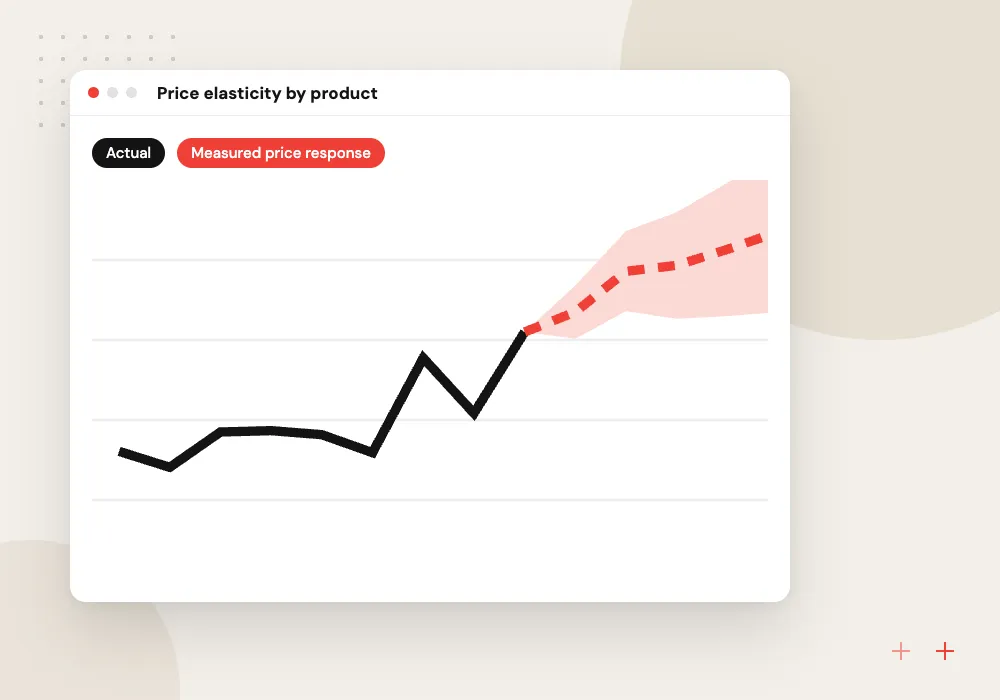
Price elasticity by product
A price elasticity model estimates how unit sales respond when a price moves, by product group and channel, using your own past changes and promotions.
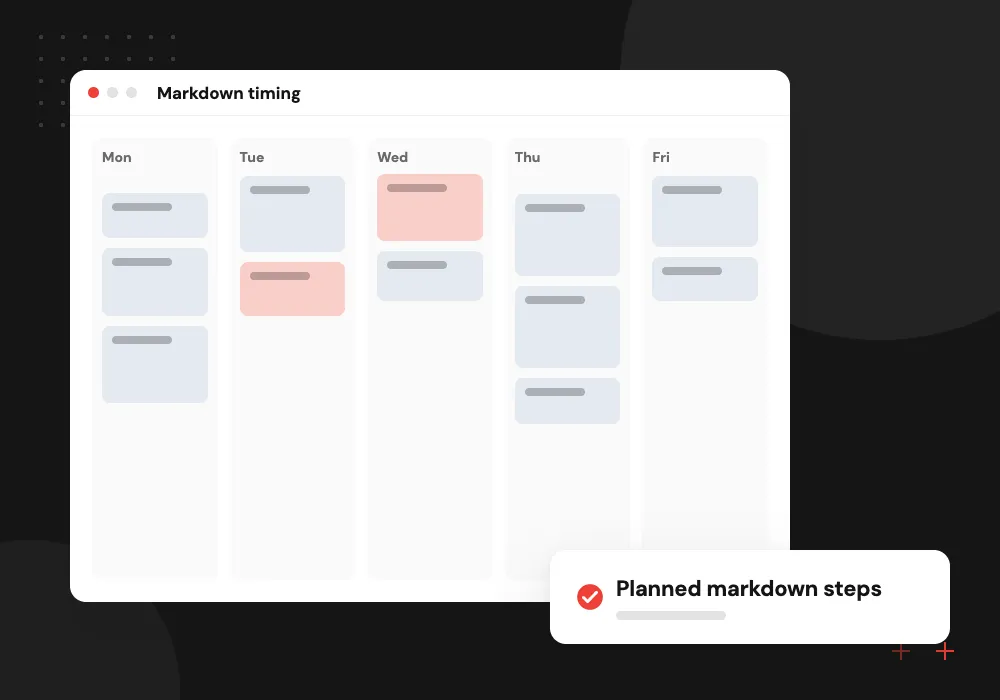
Markdown timing
For seasonal or dated stock, the model suggests when and how deep to cut so most units sell before the season ends, without discounting too early.
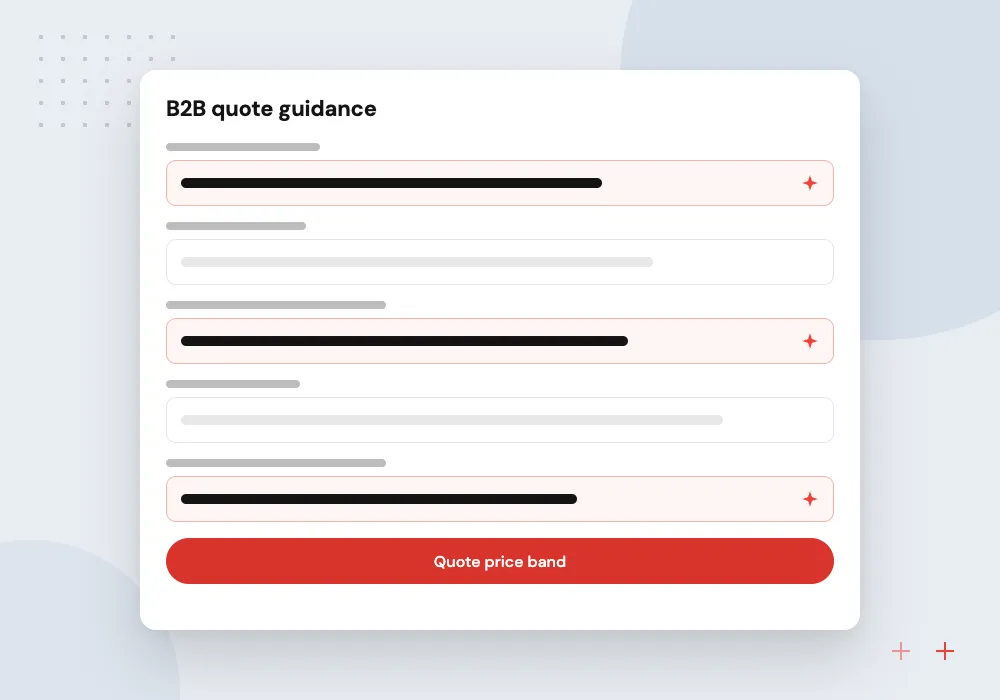
B2B quote guidance
Reps see a suggested price band for each quote line, drawn from similar won and lost quotes for that customer size, product and volume.
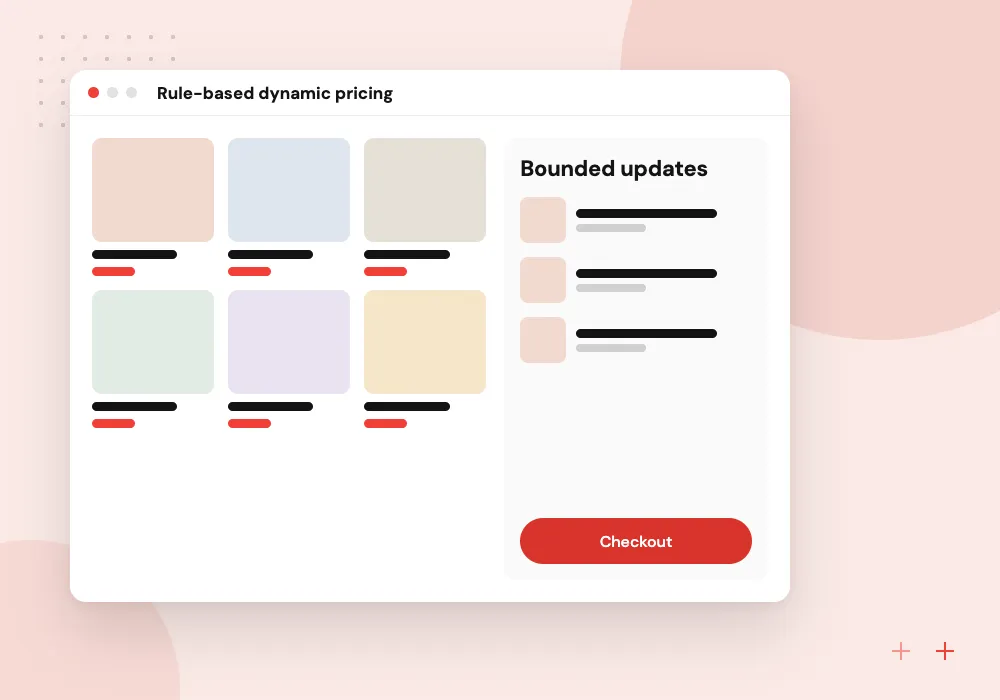
Rule-based dynamic pricing
Online prices update within the limits you set, reacting to stock levels, demand and public competitor prices, with every change logged and reversible.
Guardrails every price change passes
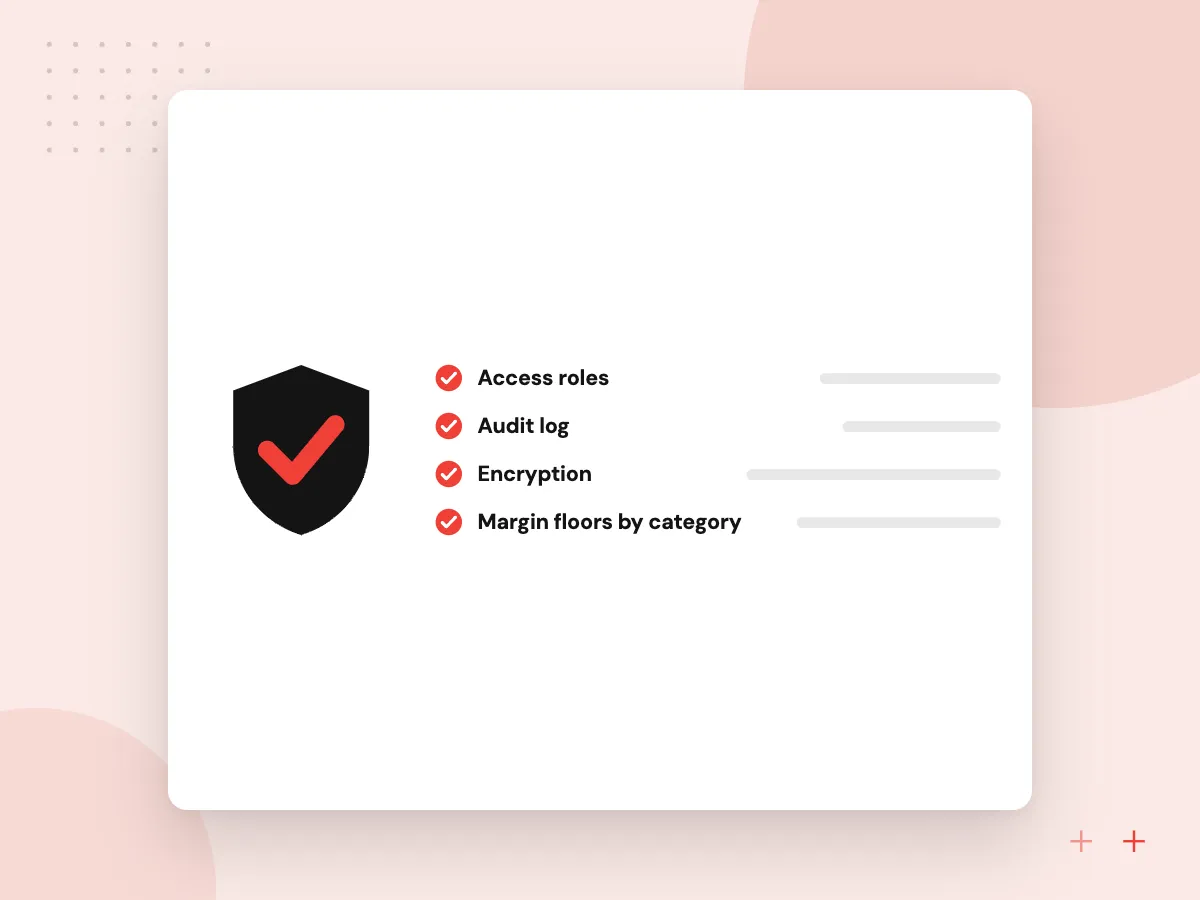
Recommendations are only as safe as the rules around them. We encode margin floors, weekly change limits, price ladders between pack sizes, MAP agreements and contract prices, so the model can suggest only prices your business already accepts. Anything outside those rules goes to the pricing owner.
What we do
- Margin floors by category
- Limits on size and frequency
- Pack-size price ladders
- MAP and contract price checks
- Approval queue for exceptions
- Full change history
Testing prices before a full rollout
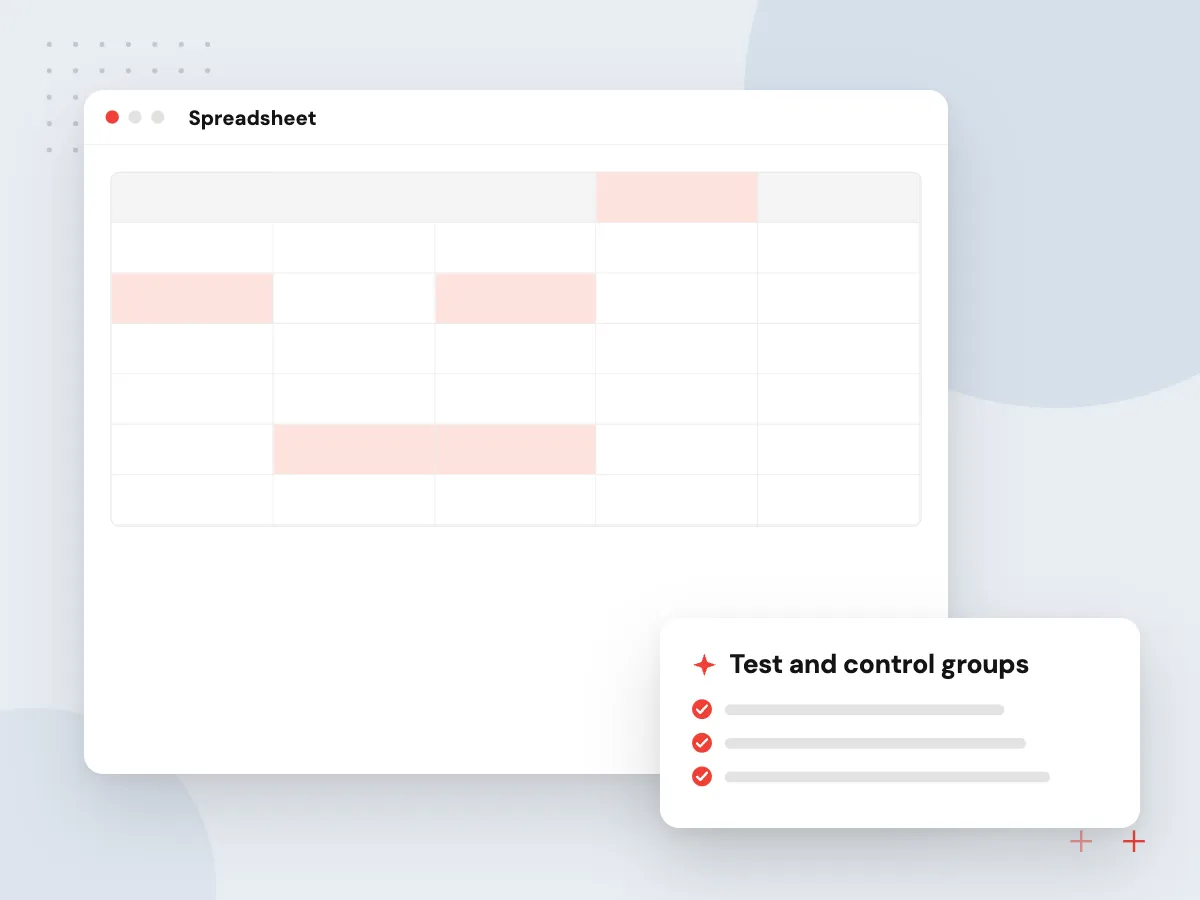
A model trained on history can misjudge the future. Where volume allows, we try a recommended price on a subset of products, stores or weeks and compare margin and units with a matched control group before the change reaches the whole range.
What we do
- Test and control groups
- Margin and unit tracking
- Readout before wider rollout
- One-step rollback

How we approach a project
Elasticity models come from our machine learning development team, and approved prices publish to Shopify, Magento, an ERP price list or a quoting tool. Retailers often begin with markdowns, covered on AI for retailers; distributors often begin with quote guidance for their B2B eCommerce and sales desk.
Pricing ties closely to demand forecasting, since a price change moves the forecast. Curious whether your transaction history holds enough price variation to learn from? Our contact page takes bookings for a 30-minute conversation.
How we work
- Your rules bound every suggestion
- Prices set by product, not person
- Test before rolling out widely
Our Process
-

Write down the pricing rules
We record margin floors, MAP agreements, contract prices, pack-size ladders and who approves what, before touching any model.
-

Find natural experiments
We locate past price changes and promotions in your data that show how demand reacted, and check there is enough variation.
-

Build and stress the model
Elasticity estimates are checked against held-out periods and against common sense, such as higher prices never raising volume.
-

Pilot on a product group
Recommended prices go live on one category or region with a comparison group, and the result decides the wider rollout.
Why Aranv for pricing work
Rules before recommendations
We write down your margin floors, supplier agreements and approval rights first, so the model works inside your pricing policy instead of around it.
Careful with customer data
Recommendations are made by product, channel and customer tier. We do not build prices from personal traits, and we flag any plan that would need legal review.
Explainable price moves
Each suggested change shows the elasticity estimate, margin effect and stock position behind it, so a category manager can accept it or argue with it.
Measured, not assumed
Pilots run against a comparison group, so you see whether a new price earned more margin before it spreads to the rest of the catalog.
Planning AI Price Optimization?
Book a 30-minute conversation with the team that would build it.
AI pricing optimization FAQs
-
What data does AI pricing optimization need?
Transaction lines with the net price actually paid, discounts, unit cost, dates and channel, plus promotion history and stock levels. Most important is variation: if a price never changed, the model cannot learn how customers respond to change. Lost quotes help a great deal for B2B pricing.
-
Is dynamic pricing legal for a small business?
Changing prices over time is generally lawful in the US, but rules apply: state price gouging laws during emergencies, MAP agreements with suppliers, honest reference prices in promotions, and growing scrutiny of prices personalized from consumer data. This is general information, not legal advice; review the planned rules with your counsel.
-
How is a price elasticity model built?
It compares sales volume before and after past price changes while accounting for season, promotions, stock-outs and competitor moves. The output is an estimate, with a range, of how much volume changes for a given price change in each product group. Groups with little history borrow strength from similar ones.
-
Will customers notice prices changing often?
Only if you allow it. Limits on how often and how far a price can move are part of the rules, and many businesses keep shelf prices steady while optimizing promotions and markdowns. Online, we log every change so support staff can answer a customer who asks.
-
Can it handle B2B price lists and contract customers?
Yes. Contract prices are treated as fixed and excluded from changes. For list and quote pricing, the model suggests bands by customer tier, volume and product, and reps see where a quote sits within the band before they send it.

Let’s talk about your next step
Contact Aranv to discuss your workflow, current tools, and goals. Meet with our team or send an inquiry.
Book a meeting with our team
Choose an available date and time for a 30-minute conversation about your project.
Tell us about your project
Share a few details so we can discuss a useful next step.
Prefer email? sales@aranv.com