


What logistics software development includes
Aranv delivers logistics app development and freight software for freight brokers, trucking companies, 3PLs and warehouses: dispatch boards, driver apps with proof of delivery, freight billing, shipper tracking portals, EDI and ELD integrations, and AI that reads rate confirmations and bills of lading before invoicing.
Brokers, asset-based carriers, 3PLs and warehouses each run on a different core system. Some need a transportation management system extended with custom screens; others have outgrown spreadsheets and need one built. Carriers that run their own trucks often add fleet management software for maintenance, fuel and vehicle records.
Data arrives from many directions: shipper EDI, ELD and telematics providers, load boards, fuel cards and factoring companies. Our API and EDI integration work maps each source into one load record, and our mobile app development team builds the driver apps that work with weak signal.
One load from tender to paid invoice
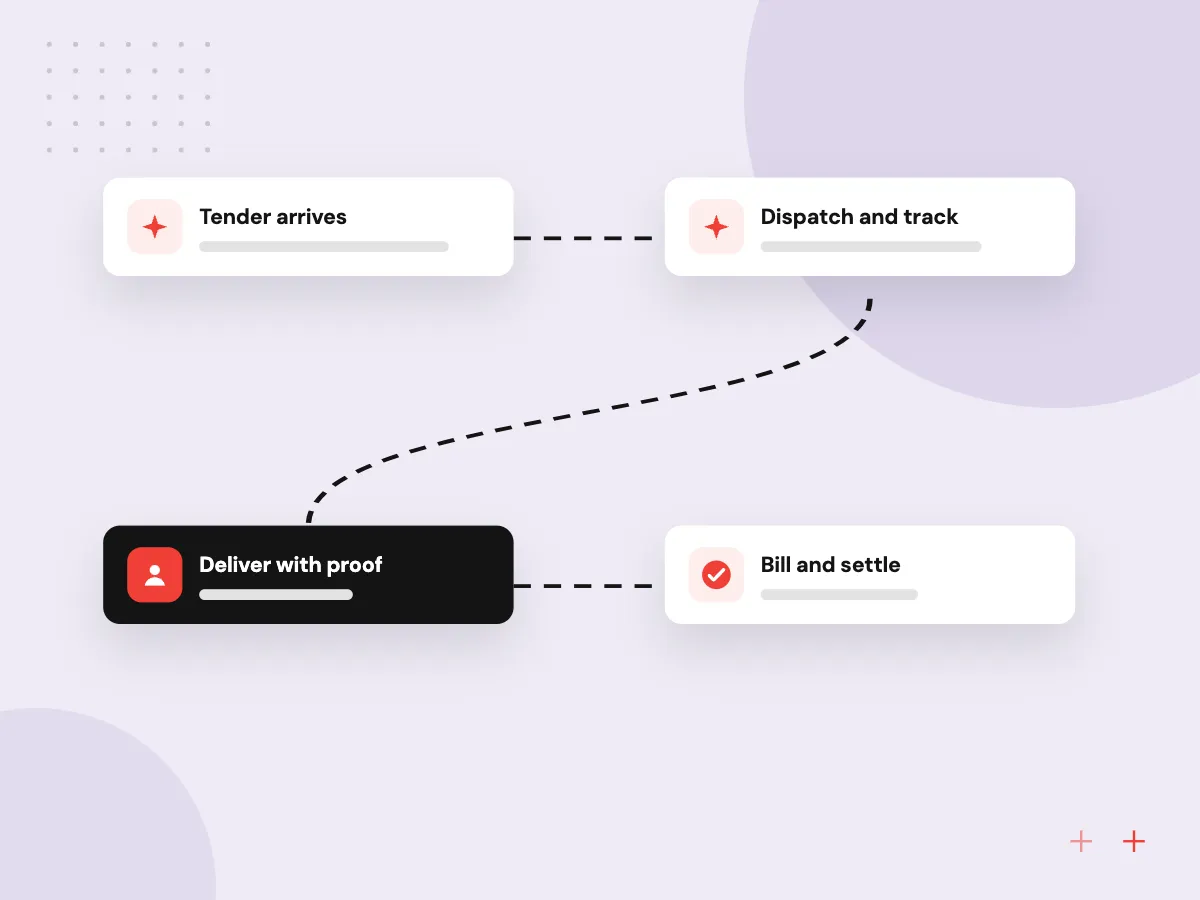
A load on connected freight software
- 01 Tender arrives A shipper sends the load by EDI, portal or email, and it becomes a draft load.
- 02 Dispatch and track Dispatch assigns a driver and truck; ELD data keeps the location current.
- 03 Deliver with proof The driver captures signatures and photos, and the POD reaches billing that day.
- 04 Bill and settle The invoice, carrier pay and driver settlement come from the same load record.
Where your TMS already does a step well, we connect to it instead of rebuilding it.
Transportation software and freight software we build
Most freight teams run on a TMS, a load board, phone calls and a shared inbox. These projects close the gaps between them.
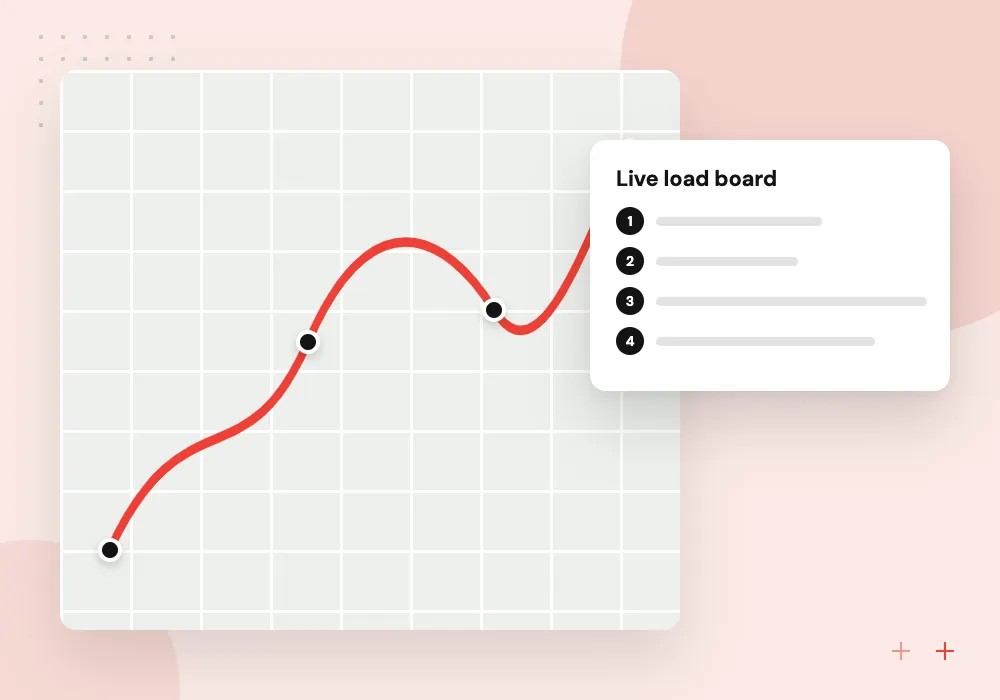
Dispatch and load boards
A board showing loads, drivers, equipment and remaining driving hours, with shipper tenders accepted by EDI or email in the same view.
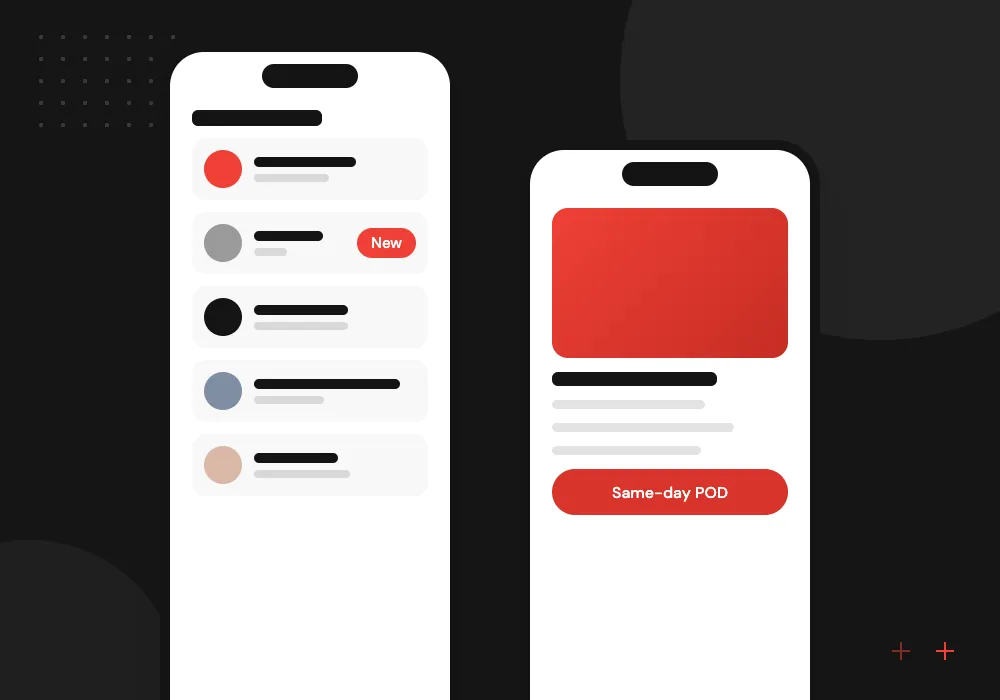
Driver apps and POD
Drivers see stops, capture signatures and photos and scan bills of lading, so billing has delivery proof on the same day.
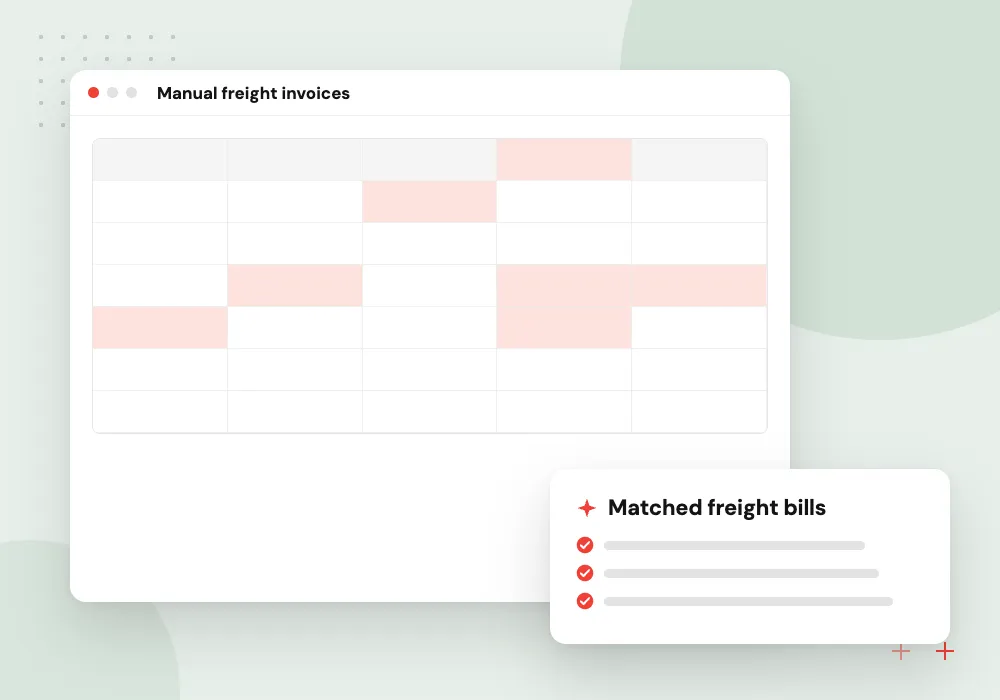
Freight billing and settlement
Invoices built from rate confirmations and accessorials, carrier and driver settlements calculated, and payments posted to accounting.
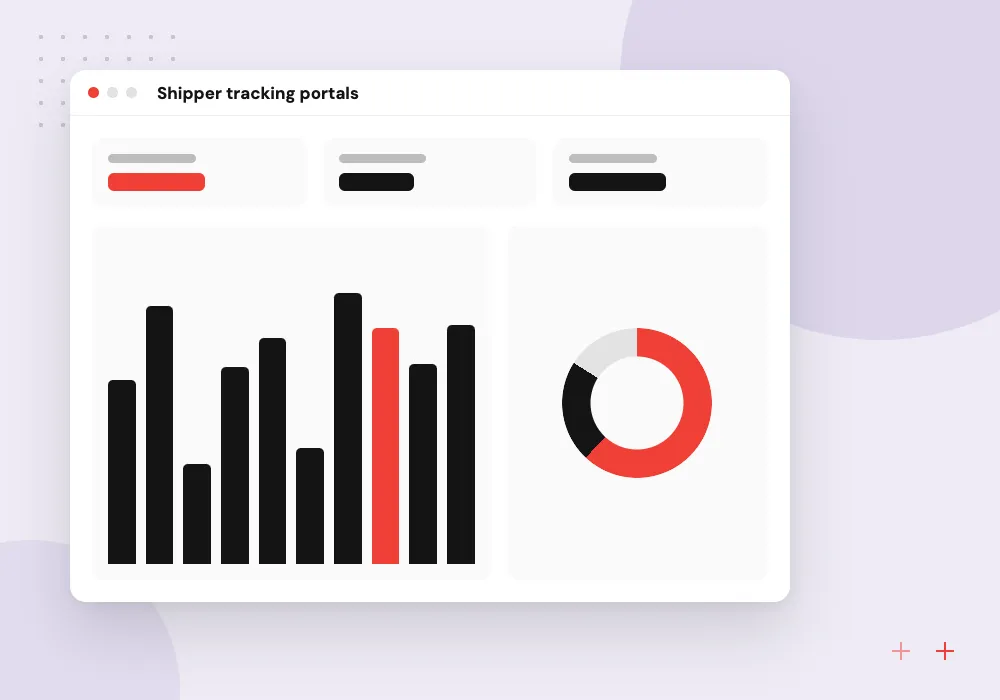
Shipper tracking portals
Customers check shipment status, download documents and request quotes, fed by ELD and telematics location data instead of check calls.
EDI, ELD and carrier integrations
Shippers send load tenders and expect status updates and invoices back in their own format. We build the X12 exchanges, connect ELD and telematics APIs for location and hours, and add carrier onboarding that collects authority details, insurance certificates and W-9s before a first load is booked.
What we do
- X12 204, 990, 214 and 210 maps
- ELD and telematics location feeds
- Carrier onboarding with document checks
- Accounting and factoring exports
- Error queue for rejected messages
AI for freight paperwork and planning
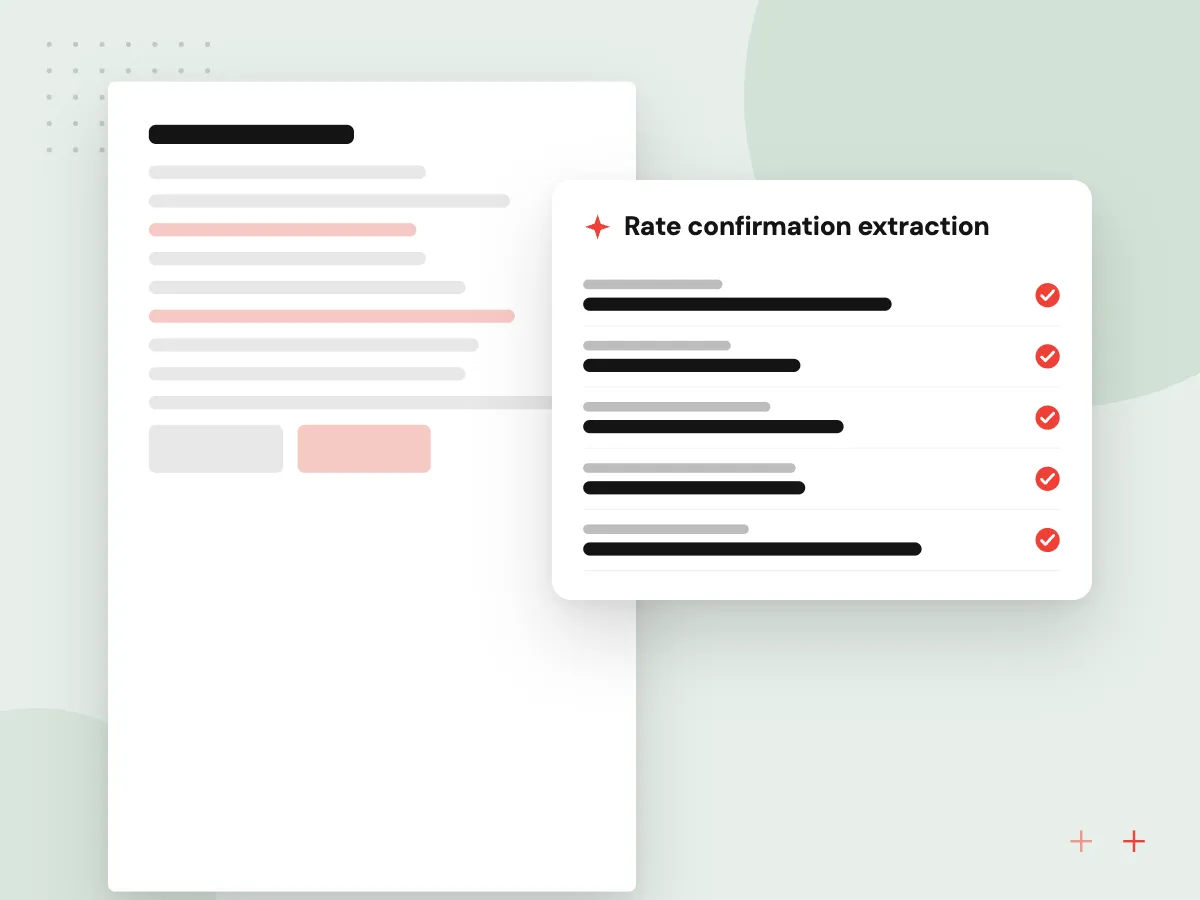
Models read rate confirmations, bills of lading and lumper receipts, match them to the load and flag rates that disagree before an invoice goes out. Others turn emailed tenders into draft loads or estimate arrival times from recent dwell and transit history. A dispatcher approves every change.
What we do
- Rate confirmation extraction
- POD and BOL matching to loads
- Email tender to draft load
- Arrival estimates for customers
- Billing exception list

How we approach a project
Hours-of-service logs, driver qualification files and fuel tax records all carry record-keeping duties from FMCSA and the states. We store those records with timestamps and audit history and agree retention with your safety manager, so an audit or a cargo claim does not mean a search through email.
For AI, AI for logistics and supply chain shows where models fit in brokerage and carrier operations, and AI route optimization explains multi-stop planning. More sectors are on our industries hub, and dispatch managers can bring one problem lane to a 30-minute conversation; the booking form is here.
How we work
- Learn the lanes before the screens
- Make every EDI error visible
- Drivers tap less, dispatchers see more
Our Process
-

Ride along with dispatch
We sit with dispatchers and billing staff for a day, on site or by video, and record each call, tender and document.
-

List partners and formats
Every shipper, carrier, ELD provider and factoring company is listed with its format: EDI, API, portal or email.
-

Pilot one customer or lane
One customer or lane runs on the new tool first, with the old process kept as backup until loads and invoices match.
-

Extend to the network
Remaining customers, carriers and terminals move in batches, and message error queues are watched daily.
Why freight teams work with Aranv
We learn your lanes first
Before design we study your customers, lanes, equipment and accessorial rules, because freight software breaks when it assumes every load looks alike.
Screens for drivers and dispatch
Drivers get large buttons, offline storage and few taps. Dispatchers get dense boards and keyboard shortcuts for handling many loads at once.
EDI problems surface early
Rejected or late EDI messages land in a queue with the reason attached, so your team fixes them before a shipper’s scorecard does.
Records ready for audits
Load documents, status history and driver logs keep timestamps and authors, which helps with compliance reviews, customer disputes and cargo claims.
Planning Logistics Software Development?
Book a 30-minute conversation with the team that would build it.
Logistics software FAQs
-
Should we customize our TMS or build our own logistics software?
Customize when your TMS handles core load management well and the gaps are specific, such as a customer portal or a billing check. Build when your freight mix, pricing or partner network forces workarounds every day. Many teams keep the TMS and build around it, and we will say if that is enough.
-
How much does logistics software development cost?
Budgets depend on the number of EDI and API partners, whether you need a driver app, how many modes and accessorial rules you handle, and how much history needs to move. Discovery ends with an estimate broken into phases, so one lane or customer can go live before the rest is funded.
-
Can our driver app work without cell coverage?
Yes. We build driver apps that store stops, photos and signatures on the phone and sync when a signal returns, which matters on rural routes and inside large warehouses. Dispatch can see which records are still waiting to upload.
-
Can you meet our shippers’ EDI requirements?
Yes. We map the transaction sets your shippers require, commonly 204 load tenders, 990 responses, 214 status messages and 210 freight invoices, either directly or through your EDI provider, and test each partner before switching them over.
-
What can AI do for a freight broker or carrier?
Practical uses are reading rate confirmations and PODs, turning emailed tenders into draft loads, answering where-is-my-truck questions from tracking data and estimating arrival times. Pricing, carrier selection and claims stay with your team, and dispatchers approve every change to a load.

Let’s talk about your next step
Contact Aranv to discuss your workflow, current tools, and goals. Meet with our team or send an inquiry.
Book a meeting with our team
Choose an available date and time for a 30-minute conversation about your project.
Tell us about your project
Share a few details so we can discuss a useful next step.
Prefer email? sales@aranv.com