


What restaurant software development includes
Aranv provides restaurant software development for independent restaurants, multi-unit groups, caterers and food producers: branded ordering apps, catering and large-order tools, recipe costing tied to POS sales, kitchen and food safety logs, multi-location dashboards and AI that forecasts prep and reads supplier invoices.
Restaurants and food businesses usually keep their POS and add what it does not do well, using its API: a direct ordering channel, catering tools, costing or reporting. When the point of sale itself needs replacing or extending, our POS software development page covers terminals, kiosks and kitchen displays.
Food business software also serves producers, caterers and commissaries that sell to restaurants and grocers. For them we build wholesale ordering portals with price lists and standing orders, production planning and lot records; see B2B eCommerce development for the ordering side.
An order from the guest’s phone to the food cost report
Order, kitchen, cost, report
- 01 Guest orders direct Menu, modifiers and pickup times come from your POS, so the app matches the store.
- 02 Kitchen gets the ticket The order prints or appears on the kitchen display with allergen notes attached.
- 03 Ingredients are deducted Recipe quantities draw down stock, priced from the latest distributor invoices.
- 04 Managers see the margin Sales, labor and food cost per store update in one dashboard.
We keep the POS you trust and build the pieces it does not handle well.
Restaurant app development and food business software
Restaurants juggle a POS, delivery tablets, a payroll tool and spreadsheets for food cost. These projects make those pieces share data.
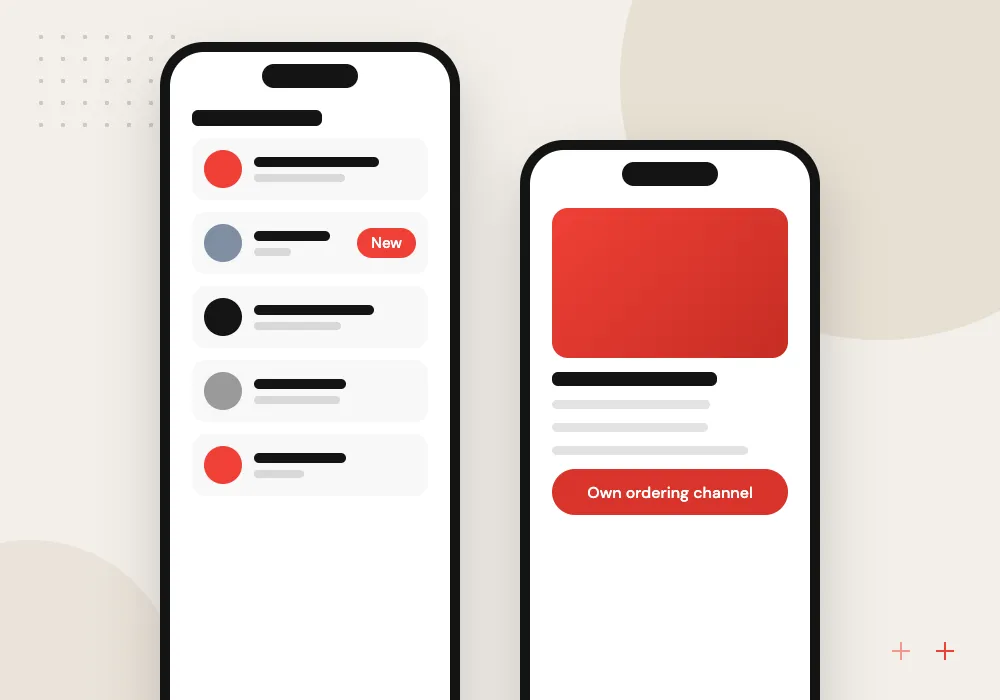
Restaurant ordering app
Branded app and web ordering with menus, modifiers and pickup windows pulled from your POS, so orders reach the kitchen without retyping.
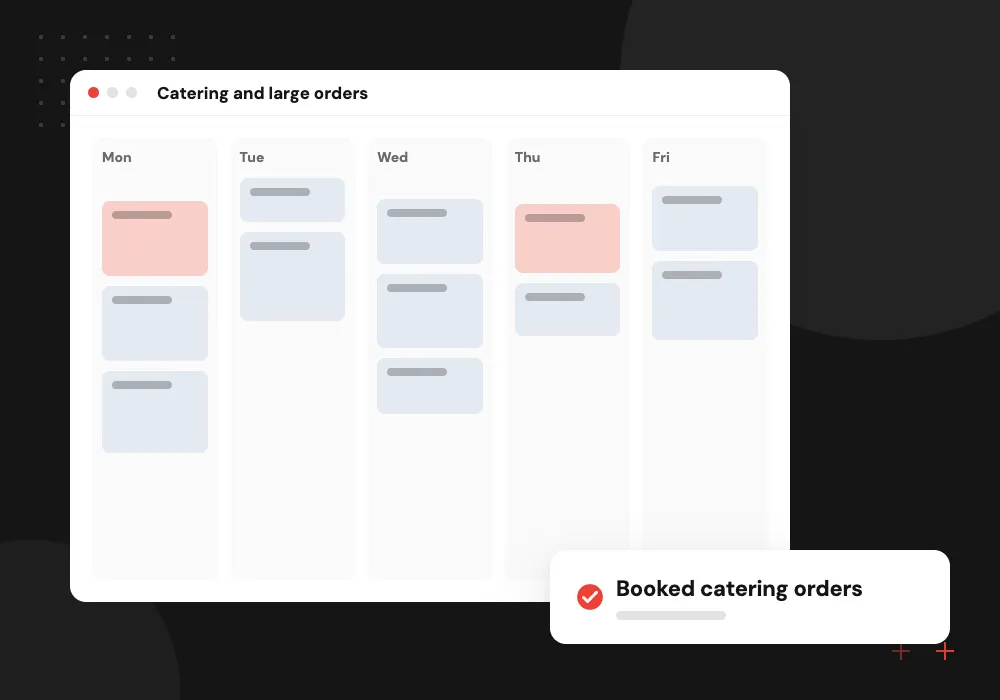
Catering and large orders
Catering requests with headcounts, delivery windows, deposits and dietary notes collected online and scheduled against kitchen capacity.
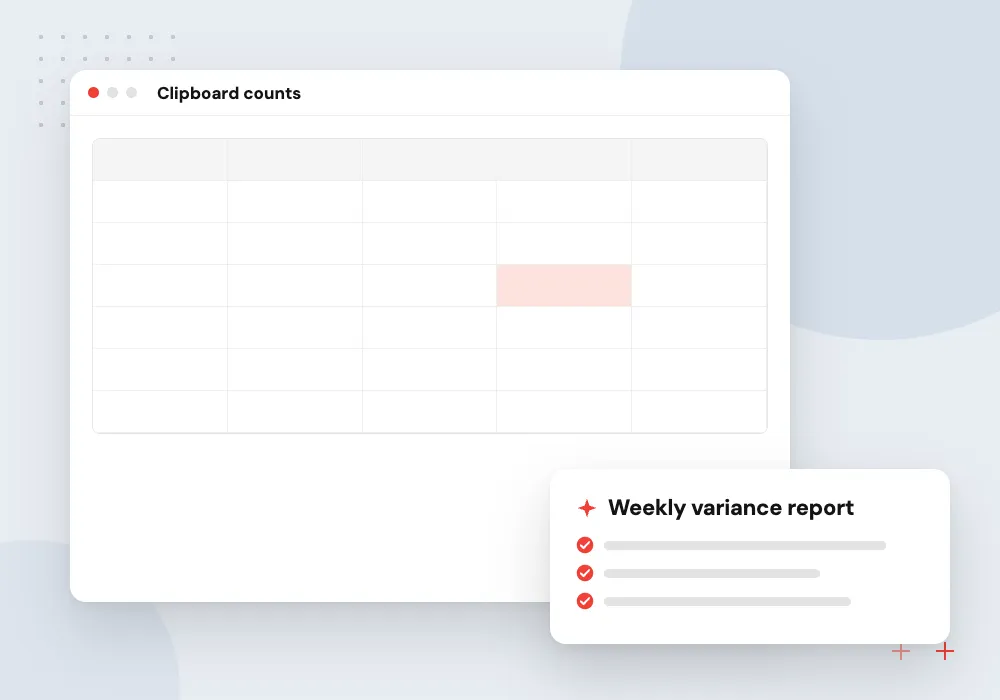
Recipe costing and inventory
Recipes tied to ingredient costs from distributor invoices, with theoretical and actual usage compared against POS sales every week.
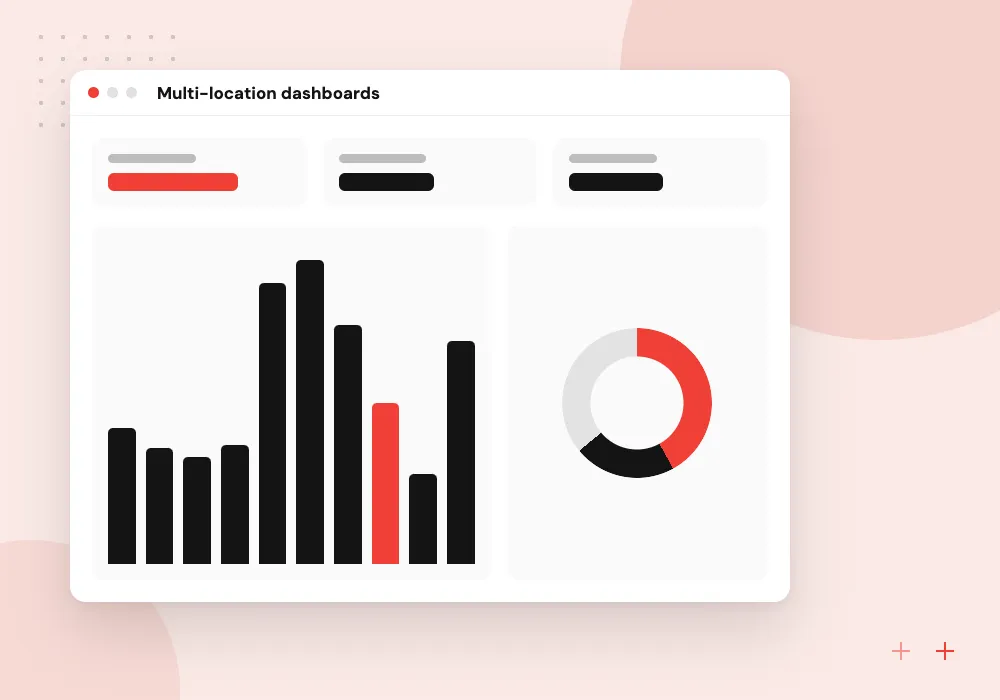
Multi-location dashboards
Sales, labor percentage, food cost and voids for each store in one view, so owners spot a struggling location quickly.
Kitchen operations and food safety logs
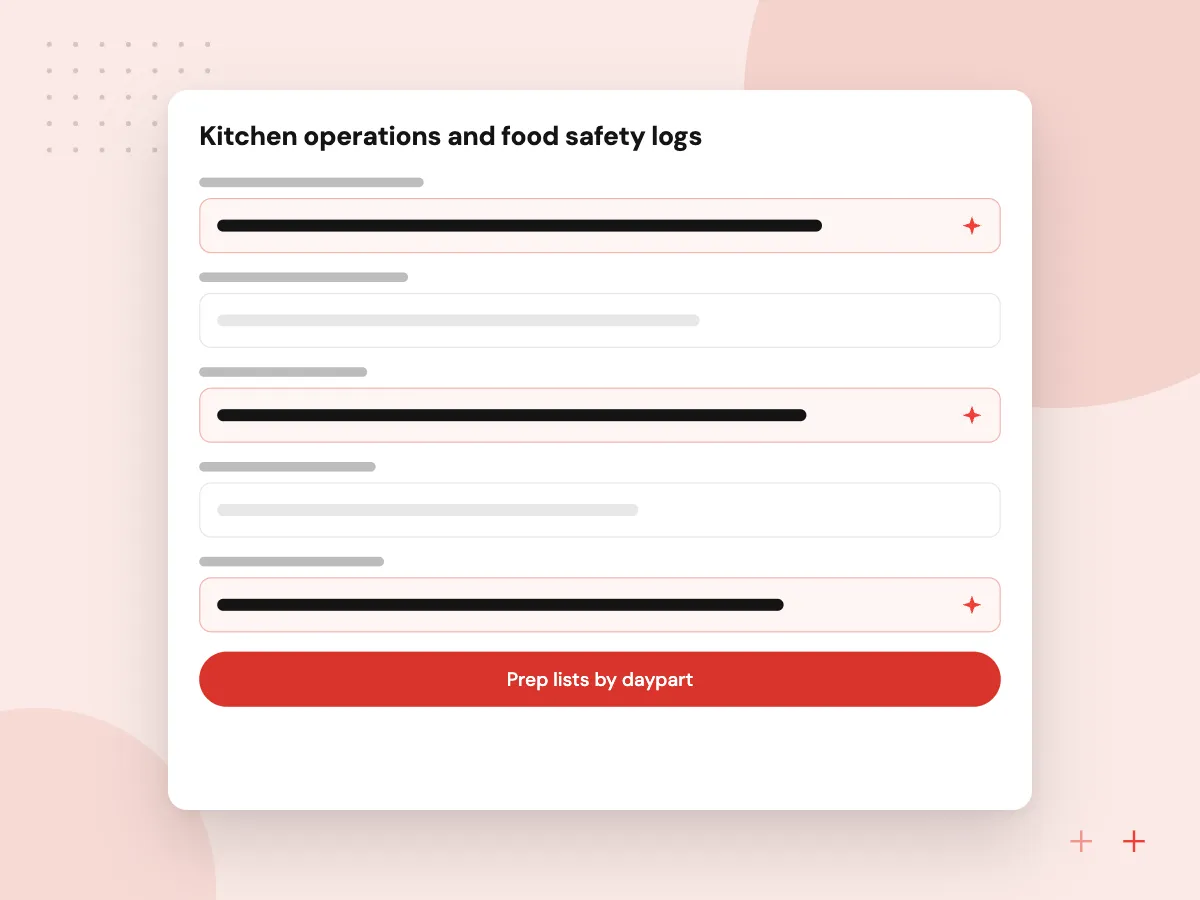
Prep lists sized from forecasts, digital temperature and cleaning logs with timestamps, allergen information attached to each menu item and recipe, and calorie data ready for chains that must post it. Managers see a missed check on their phone the same hour, not at the next inspection.
What we do
- Prep lists by daypart
- Temperature and cleaning logs
- Allergen data per menu item
- Calorie data for menu boards
- Waste and spoilage tracking
AI for phone orders and the back office
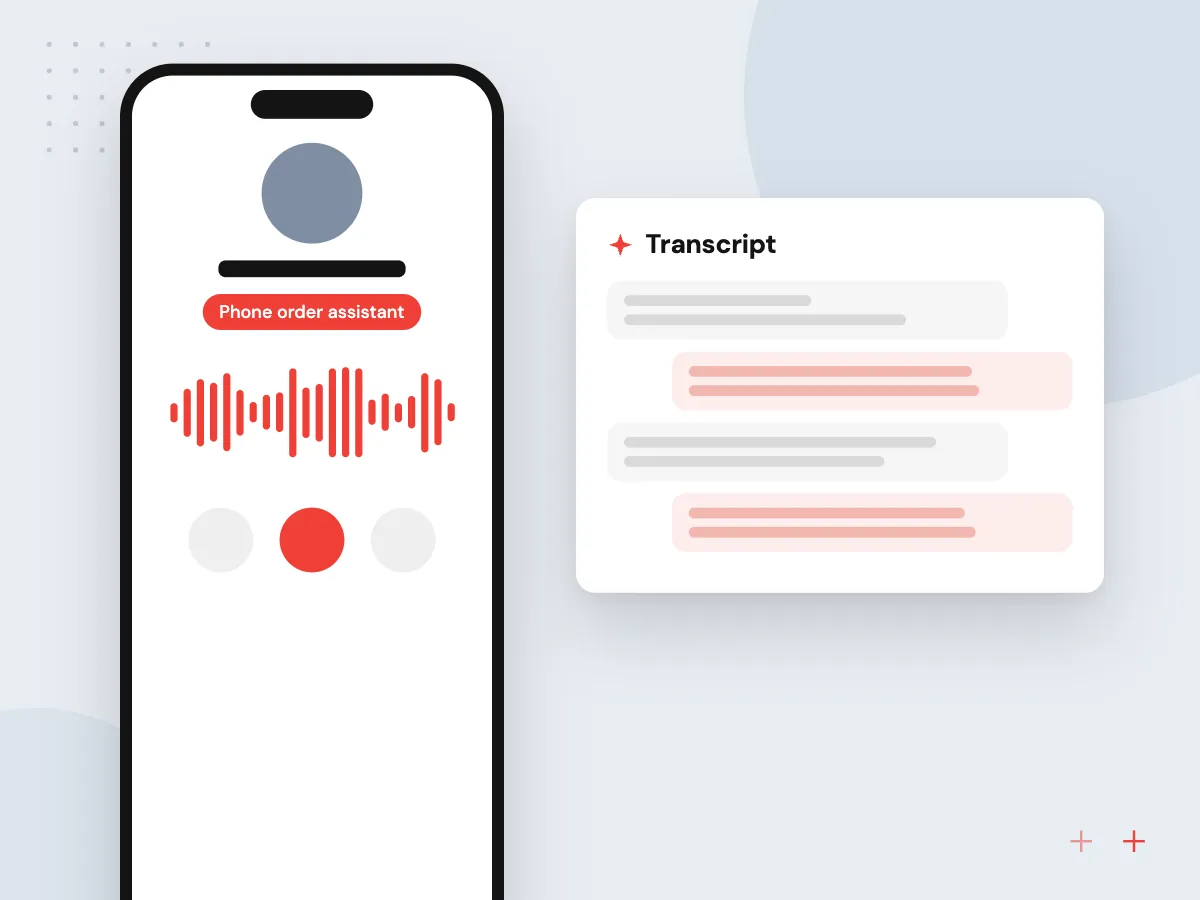
A phone assistant takes pickup orders and catering inquiries during rush hours and sends them to the POS for staff to confirm. Other models forecast covers and item demand from sales history, weather and local events, and read distributor invoices into your costing tool. Managers approve orders and price changes.
What we do
- Phone order assistant
- Cover and item forecasts
- Distributor invoice reading
- Review theme summaries
- Suggested order quantities

How we approach a project
Menus carry rules. The FDA menu labeling requirements apply to restaurants that are part of a chain with 20 or more locations, which must show calories for standard items on menus and menu boards. We store nutrition and allergen data with each recipe, so the website, app, kiosk and printed menu agree.
For AI, AI for restaurants covers phone ordering, forecasts and data rules, and AI demand forecasting explains how sales history becomes prep and order suggestions. Owners and operators can book a 30-minute conversation through the Aranv contact page, and our industries hub lists other sectors.
How we work
- One menu source for every channel
- Screens readable during a rush
- Pilot in one store first
Our Process
-

Work a service with us
We watch a lunch or dinner rush, on site or by video, and note where orders, prep and counts break down.
-

Map menu and POS data
Items, modifiers, recipes and locations are mapped between the POS, delivery platforms and any new tool.
-

Pilot one location
One store runs the release for a few weeks while managers report problems in a short daily check-in.
-

Roll out store by store
Remaining locations follow on a schedule that avoids holidays and menu changes.
Why restaurants work with Aranv
We build around your POS
New tools read menus and sales from the POS you already run, so staff keep the terminals and reports they know.
Made for a busy line
Kitchen screens use large text, few taps and clear colors, because cooks read them from a distance in the middle of a rush.
One place for menu data
Items, prices, modifiers, allergens and calories are kept in one place and flow out to the POS, app, website and kiosk.
Rollouts that respect service
Changes go live between services and away from holidays, with a manager at each store trained before switch-over.
Planning Restaurant Software Development?
Book a 30-minute conversation with the team that would build it.
Restaurant software FAQs
-
How much does restaurant software development cost?
It turns on the POS and delivery platforms you connect, the number of locations, whether you need app store releases, loyalty features and how complex your menu and modifiers are. Our estimate comes in phases after discovery, so a first channel or tool can launch before the rest.
-
Should we build our own ordering app or stay on delivery platforms?
Many restaurants use both. Delivery marketplaces bring new customers but charge commission and hold the customer relationship. A direct channel suits regulars and catering and keeps the order data with you. We look at your mix of pickup, delivery and repeat guests first.
-
Can custom software connect to our POS?
Most current POS systems offer APIs or partner programs for menus, orders and sales data, though access rules differ. We confirm what your POS supports, including whether orders can be written back, before planning features around it.
-
Does our restaurant need to post calories on the menu?
FDA menu labeling applies to restaurants and similar retail food establishments that are part of a chain with 20 or more locations. If that covers you, calories for standard items must appear on menus and menu boards. Your advisor confirms coverage; we keep the data consistent across channels.
-
Can AI help with food cost and ordering?
Yes. Forecasts built from sales history, weather and local events can suggest prep quantities and distributor orders, and AI can read supplier invoices into your recipe costs. A manager reviews every order before it is placed.

Let’s talk about your next step
Contact Aranv to discuss your workflow, current tools, and goals. Meet with our team or send an inquiry.
Book a meeting with our team
Choose an available date and time for a 30-minute conversation about your project.
Tell us about your project
Share a few details so we can discuss a useful next step.
Prefer email? sales@aranv.com