


What AI prior authorization includes
Aranv builds AI prior authorization tools for practices, imaging centers and medical suppliers: the system checks whether an order needs approval, gathers the chart evidence each payer asks for, drafts forms and medical necessity letters for staff and clinicians to approve, and tracks every request to a decision.
We build three pieces: a rules check that runs when orders are placed, an evidence step that reads the chart against the payer’s criteria, and a work queue where staff review drafts, submit and track requests. Submission can go through payer portals, electronic transactions through your clearinghouse or, as payers add them, prior authorization APIs.
Reading charts, faxes and denial letters uses our AI document processing work, and the multi-step queue follows our AI workflow automation patterns. Payer-side teams handling similar paperwork may also want AI claims processing.
How a prior authorization request moves
From order to payer decision
- 01 Flag the order Orders are checked against payer rules to see whether approval is required.
- 02 Gather the evidence Notes, labs, imaging and earlier treatments matching the payer’s criteria are pulled from the chart.
- 03 Draft and approve Forms and letters are drafted, staff check them and clinicians sign before submission.
- 04 Track to decision Status is checked on schedule, deadlines watched and denials routed for appeal drafting.
A clinician approves every clinical statement; the system never submits medical necessity claims on its own.
Prior authorization automation across the request
Payer paperwork piles up at four points, and each can be shortened without taking decisions away from staff.
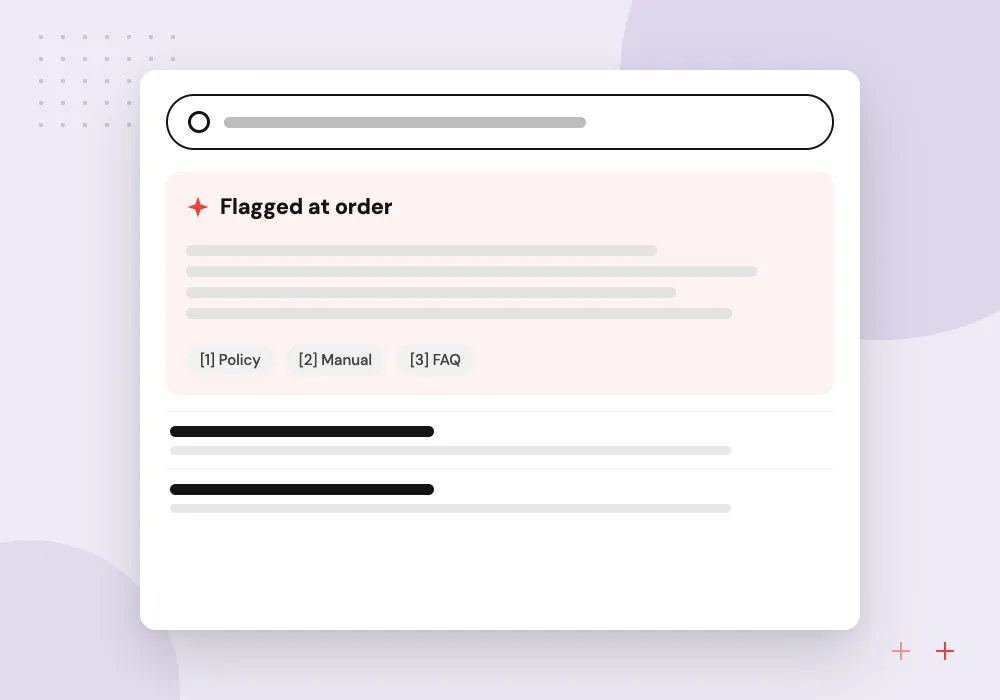
Requirement checks
When an order is placed, the procedure or drug is checked against each payer’s list, and requests that need approval are flagged at once.
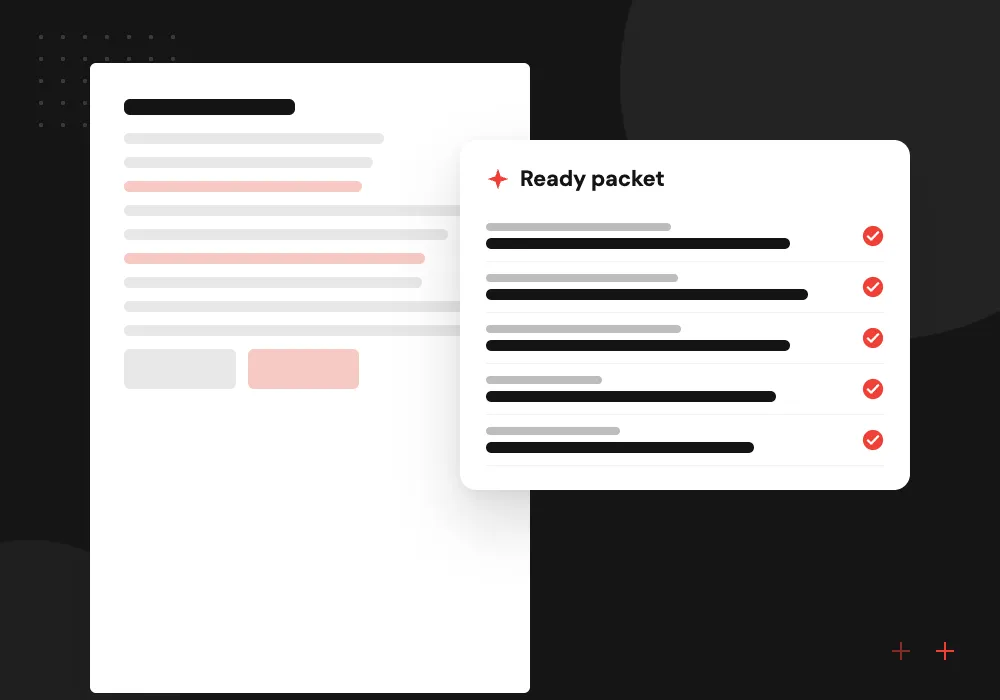
Evidence packets
Chart notes, test results and earlier treatments that match the payer’s criteria are gathered into one packet, with any gaps listed.
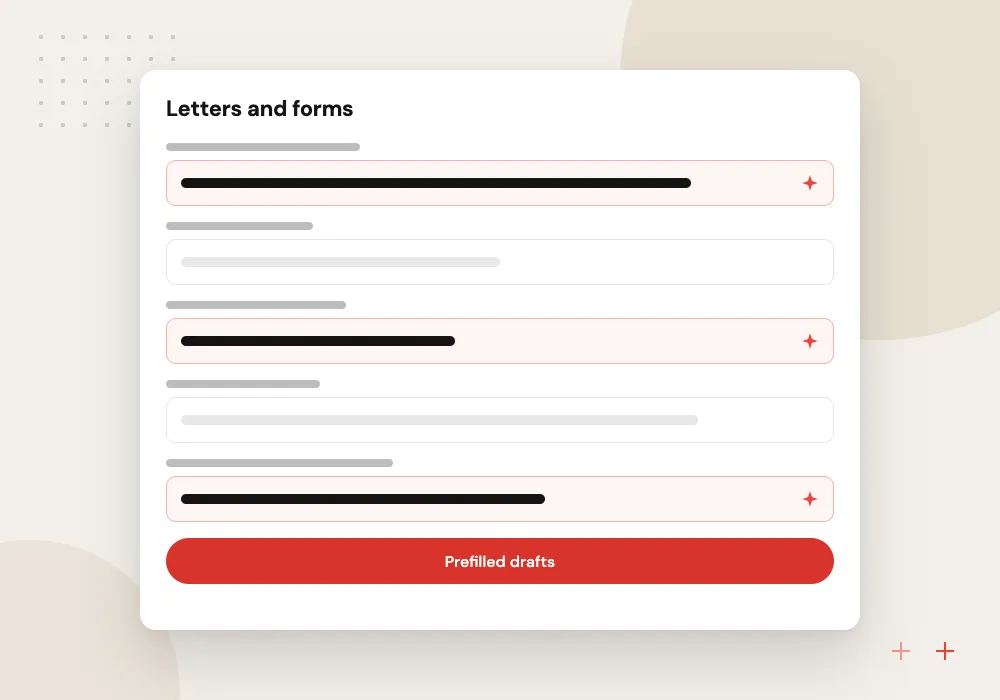
Letters and forms
Payer forms are prefilled and medical necessity letters drafted from the chart, for staff to check and clinicians to sign.
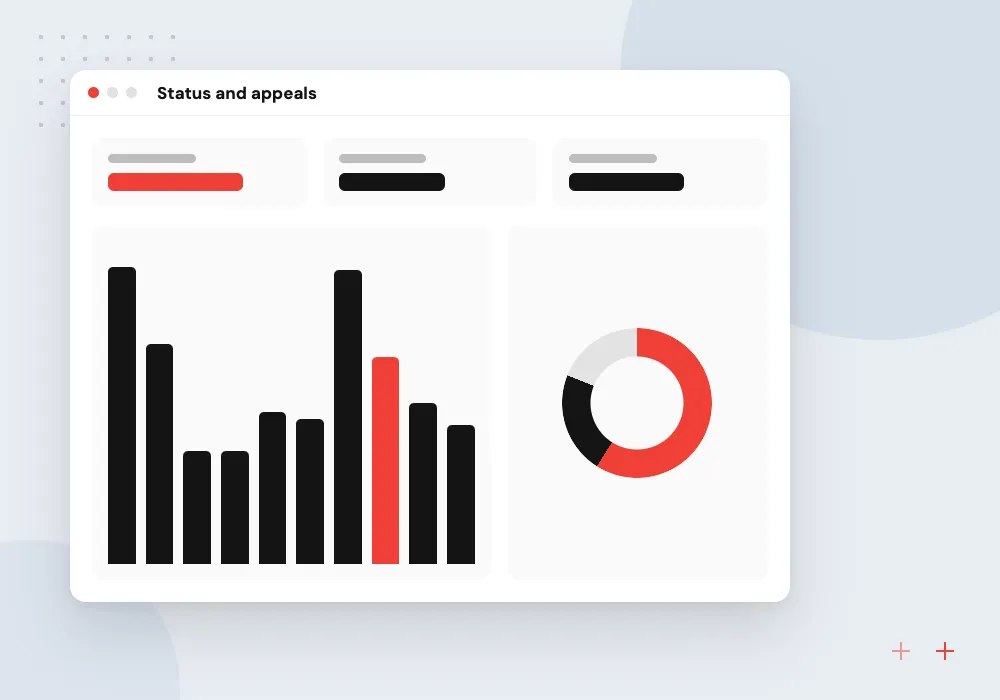
Status and appeals
Pending requests are checked on schedule, staff see what is overdue, and denial letters are read to start appeal drafts.
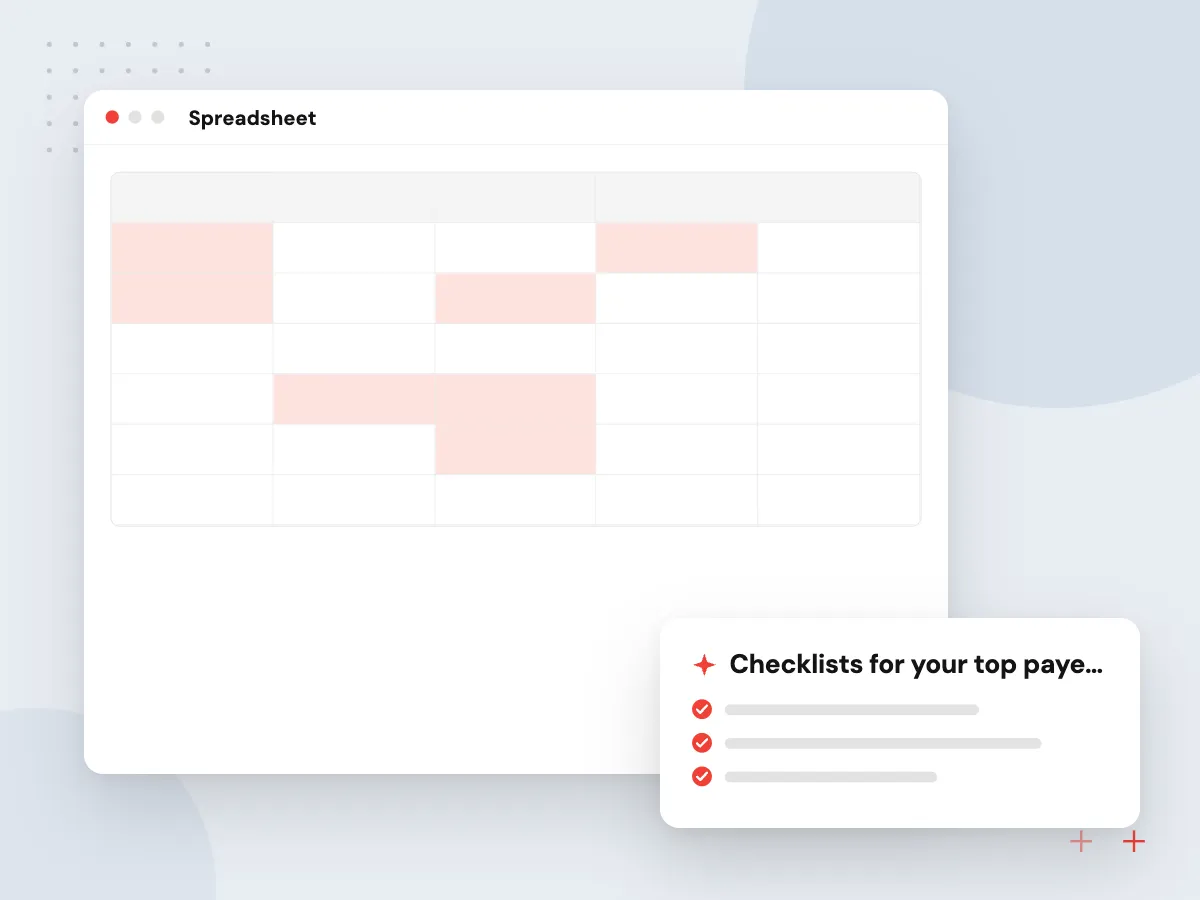
Payer rules turned into checklists
Each payer publishes its own policies on what needs approval and what evidence it expects. We turn the policies for your most common payers and procedures into structured checklists, keep the source document linked and review them when policies change, so evidence gathering knows exactly what to look for.
What we do
- Checklists for your top payers
- Linked source policy documents
- Alerts when payer policies change
- Criteria matched to chart evidence
- Gap list for missing documentation
Data handling and clinical sign-off
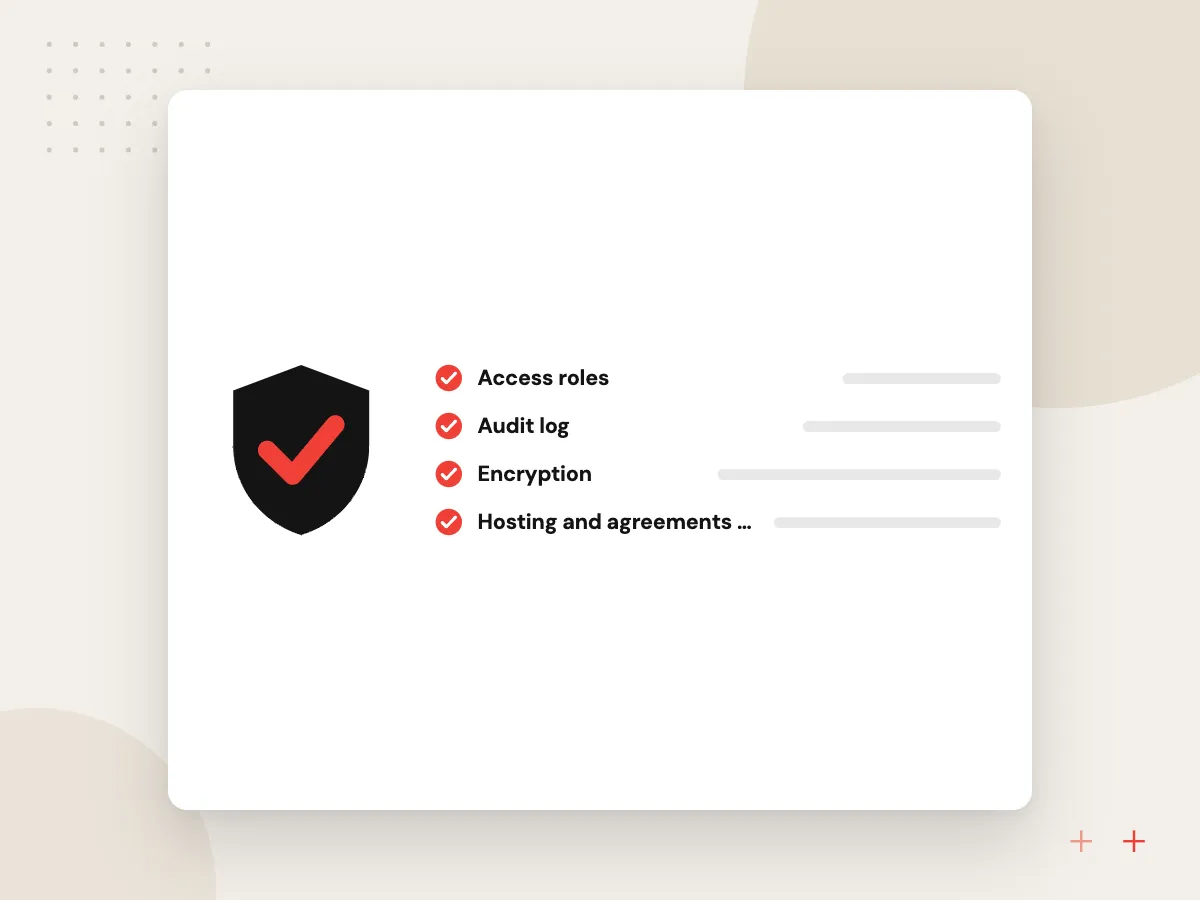
Prior authorization moves protected health information between your EHR, the tool and payers. HIPAA requirements therefore set the hosting, staff access and vendor agreements for the project, and those are agreed with your compliance lead before building. Clinical statements stay drafts until a clinician signs them, and each submission records who approved it.
What we do
- Hosting and agreements set before build
- Minimum chart data per request
- Clinician signature on letters
- Submission and approval log
- Access limited by staff role

How we approach a project
See AI solutions for healthcare and AI for medical practices for where this fits in a clinic, and our HIPAA and AI guide for planning questions.
The CMS Interoperability and Prior Authorization final rule sets decision timeframes and API requirements for many payers. Whoever runs authorizations in your office can map the current workload with us in a 30-minute conversation; to set one up, use our contact page.
How we work
- Clinicians sign every clinical statement
- Payer criteria matched to chart evidence
- Every request tracked to decision
Our Process
-

Measure the workload
We list the payers, procedures and drugs behind most of your requests and how staff handle each today.
-

Agree data rules
Hosting, access, vendor agreements and clinician sign-off steps are settled with your compliance lead.
-

Build checklists and drafts
Payer checklists, evidence gathering and letter drafts are built for the top requests and tested on past cases.
-

Run beside staff
Staff use drafts on live requests while still free to work manually, and we track their edits and any denials.
Why Aranv for prior authorization
Clinicians stay the signers
Drafts save writing time, but every clinical statement carries a clinician’s signature, and the record shows who reviewed and who submitted each request.
Payer rules kept current
Checklists link to the payer policies they came from and are reviewed when policies change, so evidence gathering follows the current rules.
Works with your EHR and clearinghouse
The work queue reads from your EHR and submits through your clearinghouse or payer portals, so staff do not retype chart data into yet another system.
Data rules agreed first
Hosting, access and vendor agreements for health data are set with your compliance lead before building, and only the chart data each request needs is collected.
Planning AI Prior Authorization?
Book a 30-minute conversation with the team that would build it.
AI prior authorization FAQs
-
Can AI submit prior authorization requests without staff?
We do not recommend it. The system can prepare the packet, prefill forms and draft letters, but a staff member checks each request and a clinician signs any clinical statement before submission. Status checks and reminders can run automatically.
-
Which payers and submission methods does it support?
We start with the payers that make up most of your volume and the methods they accept: web portals, fax, electronic transactions through your clearinghouse and, where payers offer them, prior authorization APIs. Portal steps that cannot be automated are prepared for staff to complete.
-
How does the system know what evidence a payer wants?
From the payer’s published policies for each procedure or drug, which we turn into checklists linked to the source. When a payer updates a policy, the checklist is reviewed and changed. Staff can also add notes from denials, which often show unwritten expectations.
-
Do the new CMS rules make prior authorization automation unnecessary?
No. The rule sets decision timeframes and requires many payers to offer prior authorization APIs, but practices still need to know when approval is required, gather evidence and track requests. Electronic submission makes automation easier; it does not remove the work.
-
What should we prepare before starting?
A list of your most frequent authorization requests by payer, examples of approved and denied cases, access to your EHR’s integration options and the staff lead who handles authorizations today. A clinician who can help shape letter templates is also useful.

Let’s talk about your next step
Contact Aranv to discuss your workflow, current tools, and goals. Meet with our team or send an inquiry.
Book a meeting with our team
Choose an available date and time for a 30-minute conversation about your project.
Tell us about your project
Share a few details so we can discuss a useful next step.
Prefer email? sales@aranv.com