


What an AI personalization project includes
Aranv builds AI personalization for the websites and online stores of small and midsize businesses. Using first-party data such as browsing, purchases and CRM segments, the site adapts banners, content blocks, product rows and offers to each visitor, within consent rules and with a default page for everyone else.
We start with the decisions you want the site to make: which visitors should see what, and why. Marketing writes the segments and variants. The model’s job is to choose among approved options and learn which works best for each kind of visitor, not to create offers by itself.
Data comes from your own systems: site events, order history, CRM fields and consented email engagement. Choices made in your cookie banner or through a browser privacy signal decide what is used. California’s CCPA, as amended by the CPRA, gives consumers the right to opt out of the sale or sharing of their data, and the system honors those signals.
How a page adapts to one visitor
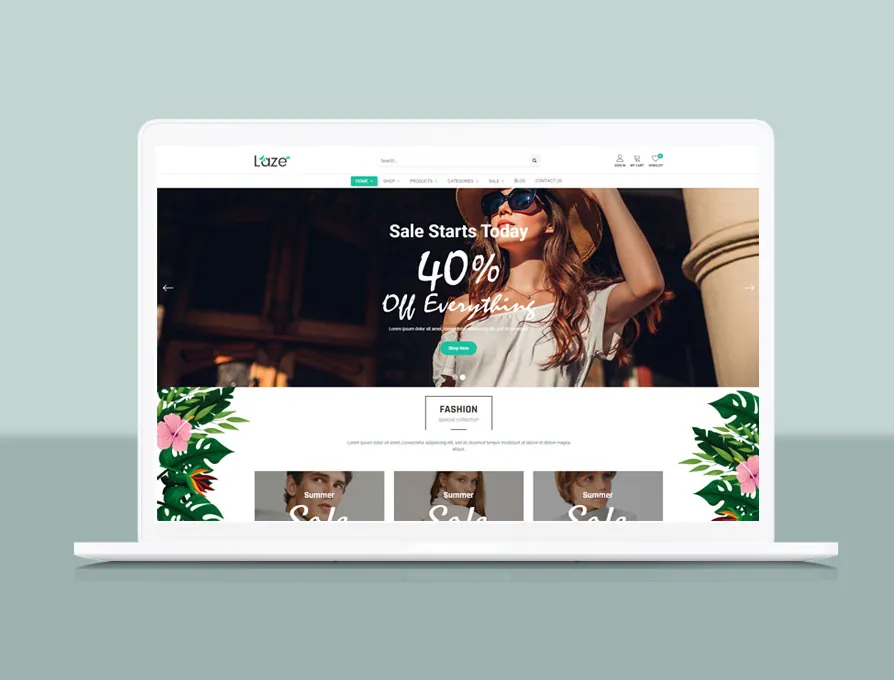
Same page, different visitors
- 01 Read the context Session behavior, referral source, region and, for signed-in users, purchase history.
- 02 Check consent The visitor’s privacy choices decide which data may be used at all.
- 03 Choose the variant A model picks the content blocks and product rows most relevant to that visitor.
- 04 Measure against a holdout Some visitors keep seeing the default page, so the effect can be measured.
Marketing approves every variant in advance; the model chooses among them and never invents offers.
Website personalization we build
One homepage for every visitor spends the first seconds of attention on content that may not apply to them.
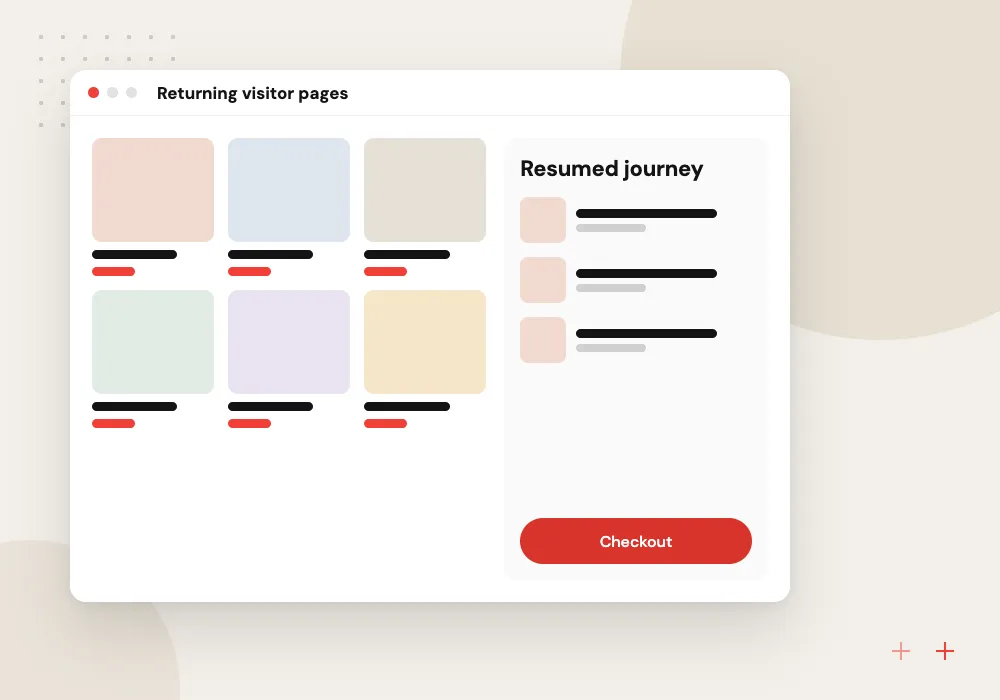
Returning visitor pages
Visitors who come back see the category, product or article they were reading, plus related items, instead of the generic homepage.
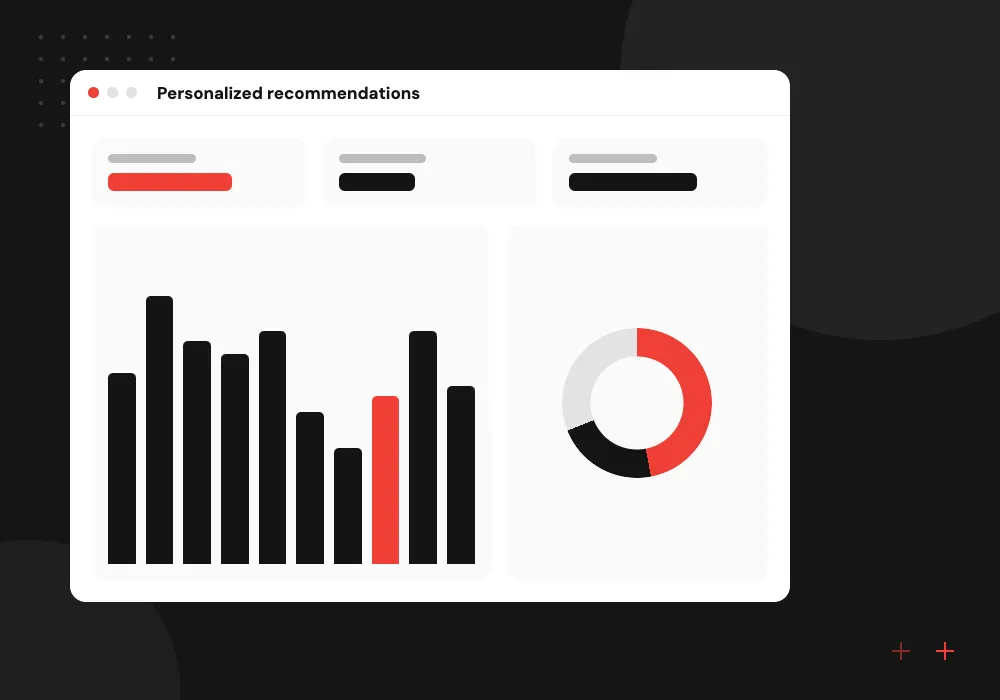
Personalized recommendations
Product and content rows are ranked for the visitor’s interests and current stock, and refreshed as they browse.
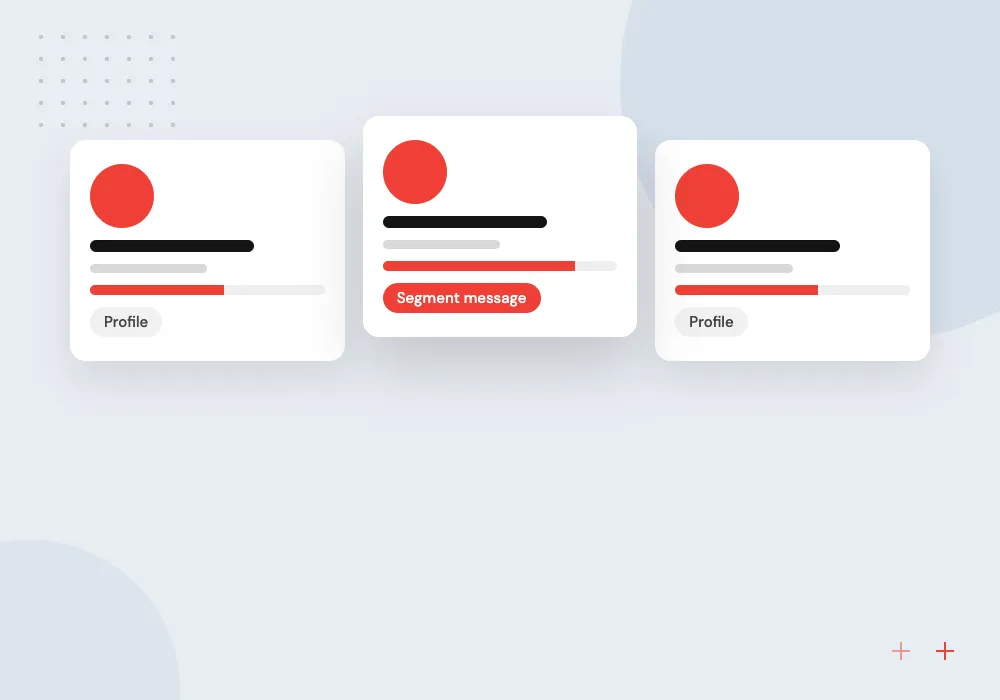
Segment-based messaging
Industry, role or region segments from your CRM change headlines, examples and calls to action on landing pages.
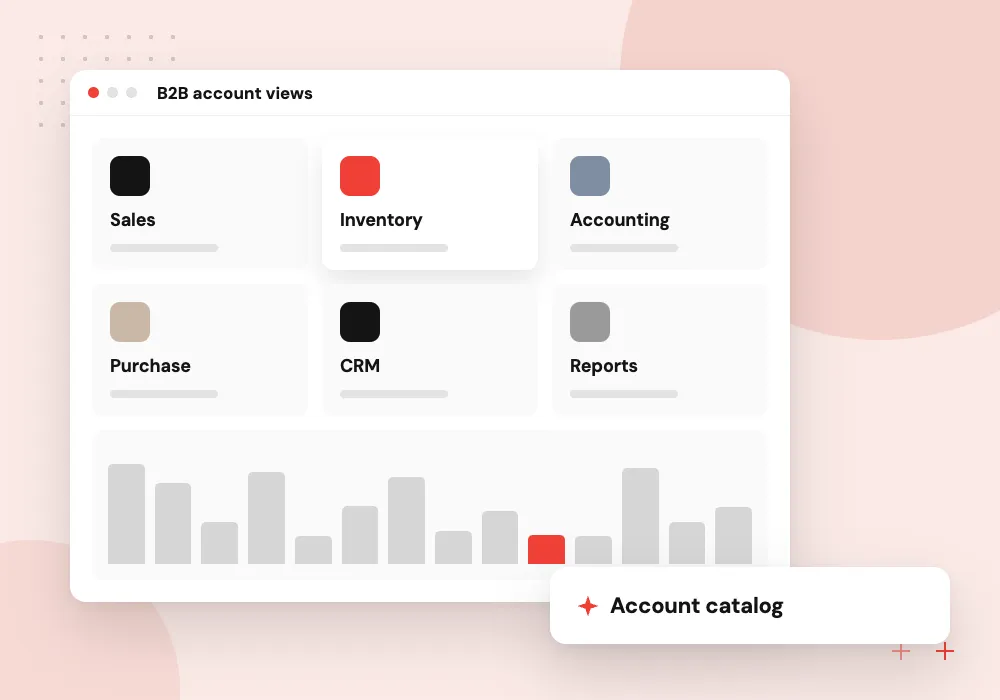
B2B account views
Signed-in buyers see their contract catalog, reorder lists and approved products first, matched to their account in the ERP.
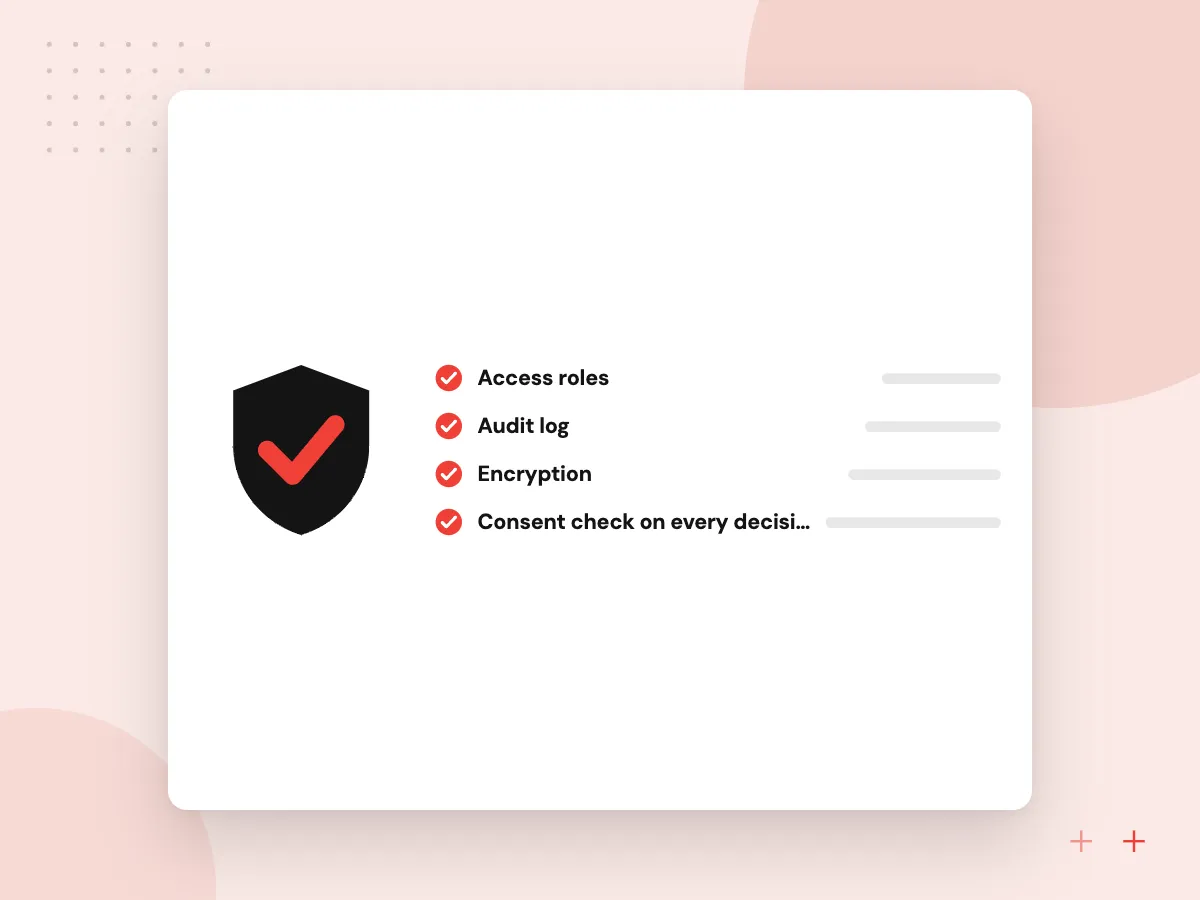
Consent-aware data layer
Before visitor data drives any decision, the system checks the consent state from your cookie banner and any browser privacy signal. Signed-in profiles, anonymous sessions and opted-out visitors follow different rules, and sensitive categories such as health or finances are never used to target content.
What we do
- Consent check on every decision
- Privacy signal handling
- Anonymous and signed-in profiles
- Sensitive category exclusions
- Data retention limits
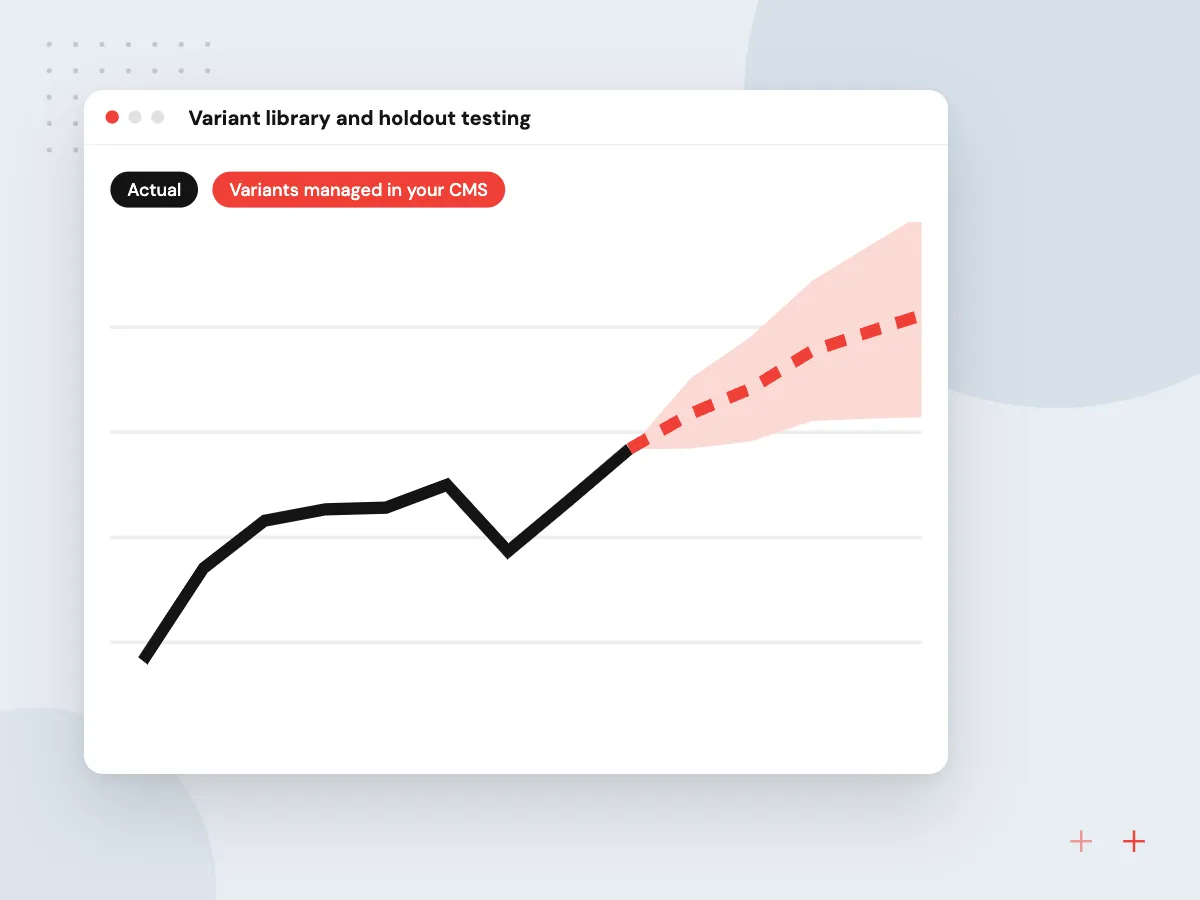
Variant library and holdout testing
Marketing builds the variants in the CMS: headlines, images, content blocks and offers, each tagged with the segments it suits. The model chooses among them per visitor. A holdout group keeps seeing the default, and a dashboard shows each placement’s effect so weak variants can be retired.
What we do
- Variants managed in your CMS
- Segment tags per variant
- Holdout group per placement
- Results by placement
- Retire or promote variants
How we approach a project
Personalized blocks render on the server or at the edge so pages stay fast, with a default for first-time visitors and anyone who opts out. For stores this ties into our AI for eCommerce work and headless commerce builds, and ranking models come from recommendation engine development.
It pays off most for retailers with repeat buyers and for travel companies whose visitors arrive with different trips in mind. A 30-minute conversation about your traffic and goals comes first, and you can request one on our contact page.
How we work
- First-party data, used with consent
- Approved variants only
- Every change measured against default
Our Process
-

Pick two or three placements
We choose busy spots, such as the homepage hero or the cart page, where relevance matters most.
-

Connect data and consent
Events, CRM segments and order history are joined, with the consent check placed before any use.
-

Launch with a holdout
Variants go live alongside a control group that keeps seeing the default page.
-

Read results and extend
We report the difference against the holdout and add placements only where the effect is clear.
Why Aranv for website personalization
Privacy designed in
Consent and opt-out checks sit in front of every decision, so the personalization layer follows the choices visitors make on your site.
Marketing stays in control
Your team writes and approves every variant. The model only chooses among them, which keeps offers, prices and claims in human hands.
Measured, not assumed
Each placement runs against a holdout group, and we report the difference plainly, including placements that should be switched off.
Fast pages first
Decisions run on the server or at the edge with a time limit and a default fallback, so a slow decision does not hold up the page.
Planning AI Website Personalization?
Book a 30-minute conversation with the team that would build it.
AI personalization FAQs
-
What data does AI personalization need?
First-party data you already collect: pages viewed, searches, cart and order history, and CRM fields such as industry or customer type. Third-party data is rarely needed. Longer history helps, but session behavior alone can drive useful changes for new visitors.
-
Is website personalization allowed under US privacy laws?
Generally yes, when you disclose it and respect consumer choices. State laws such as California’s give consumers the right to opt out of the sale or sharing of personal information, and some recognize browser privacy signals. We design for those choices and suggest your counsel review the privacy notice.
-
Will personalization slow down our site?
It should not if it is built carefully. Decisions are made on the server or at the edge under a strict time limit, and the page falls back to the default if that limit is reached. We test page speed before and after launch.
-
How do we know personalization is working?
Every placement runs against a holdout group that keeps seeing the default page. We compare conversion, engagement or revenue per visitor between the two groups, and placements that show no difference are switched off.
-
Can AI personalization work on Shopify or WordPress?
Yes. On Shopify we use theme sections and app extensions; on WordPress, blocks that request a decision from the personalization service. Headless storefronts are the most flexible, because the front end can ask for a decision on any component.

Let’s talk about your next step
Contact Aranv to discuss your workflow, current tools, and goals. Meet with our team or send an inquiry.
Book a meeting with our team
Choose an available date and time for a 30-minute conversation about your project.
Tell us about your project
Share a few details so we can discuss a useful next step.
Prefer email? sales@aranv.com