


What retail AI work covers
Aranv builds AI for retail businesses with stores, online sales or both: tools that turn vendor price files into clean product records, answer store staff questions from your operating manual, handle routine customer service and forecast demand by store and SKU, while buyers and managers approve prices, orders and policy exceptions.
Most retailers run a POS, an inventory or merchandising system, often an ERP, and an online store. AI reads from those and writes back approved changes, so the item master stays the single source. For the wider software, see retail software development and POS software development.
Online, the shopping assistant and product search sit under AI for eCommerce. Product copy follows our AI product description generator process, with a merchandiser approving each batch.
A new vendor line, from file to shelf
Vendor spreadsheet to sellable item
- 01 Receive the vendor file Line sheets, price lists and images arrive in each vendor’s own format.
- 02 Map and enrich Fields are mapped to your item master, with attributes and draft descriptions added.
- 03 Buyer review The buyer checks cost, retail price, sizes and category before anything is published.
- 04 Publish to every channel Approved items reach POS, website and marketplaces with identical data.
Prices, markdowns and purchase orders are always set by your buyers.
Retail AI solutions we build
Retail teams repeat the same desk work every season: new items to load, the same questions from staff and shoppers, and buys to plan.
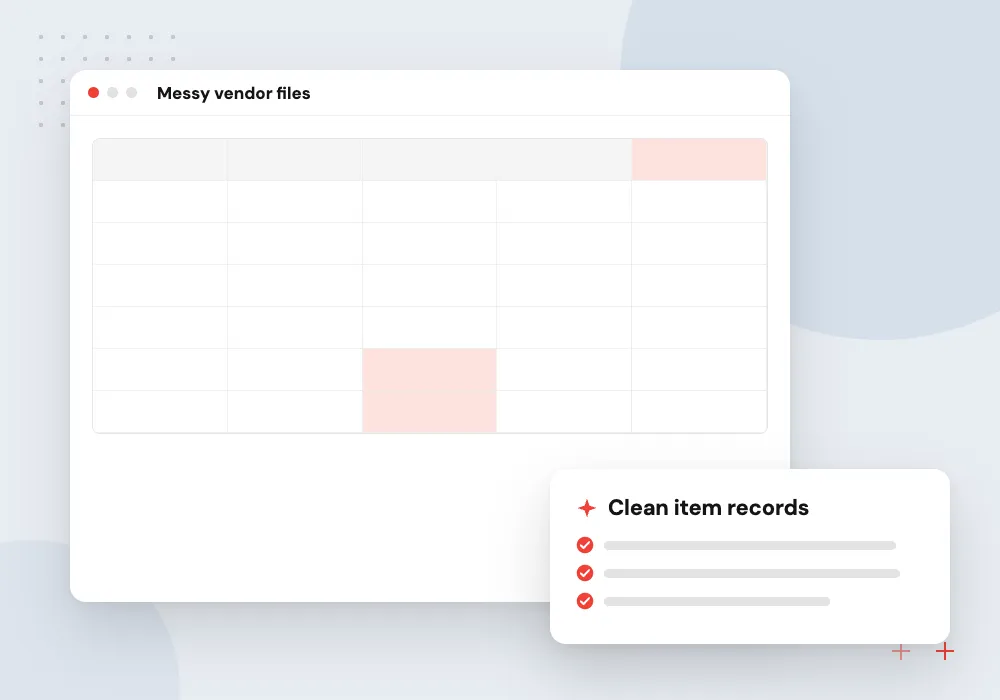
Vendor data to item records
Reads vendor spreadsheets, line sheets and images, maps them to your item master, fills attributes and flags missing UPCs or sizes.
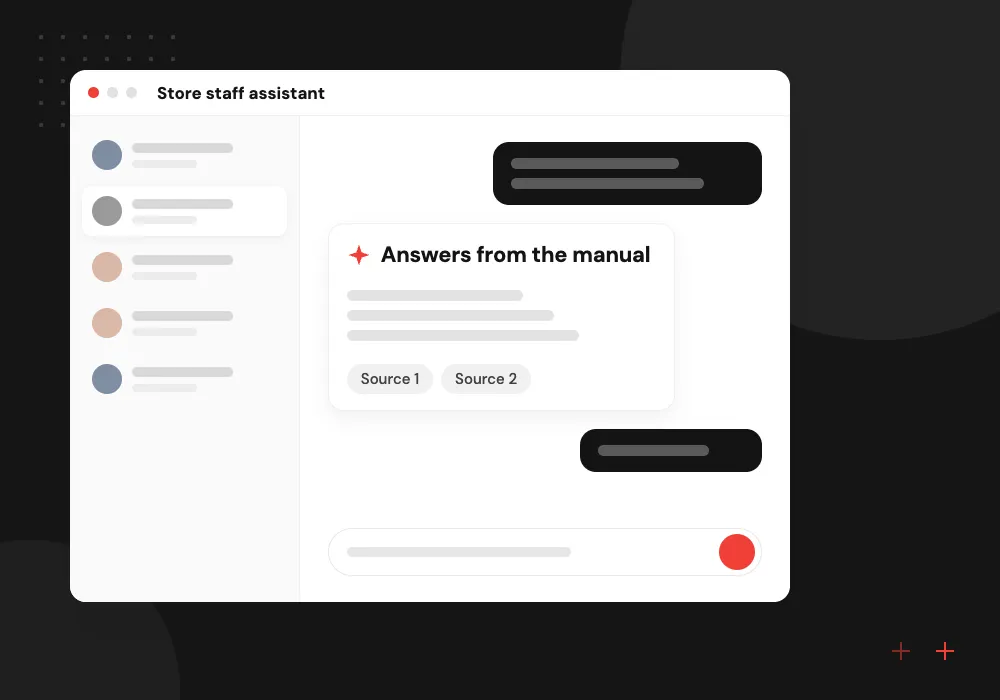
Store staff assistant
Associates ask how to process an exchange, handle a price override or pull recalled stock, and get the answer from your store manual.
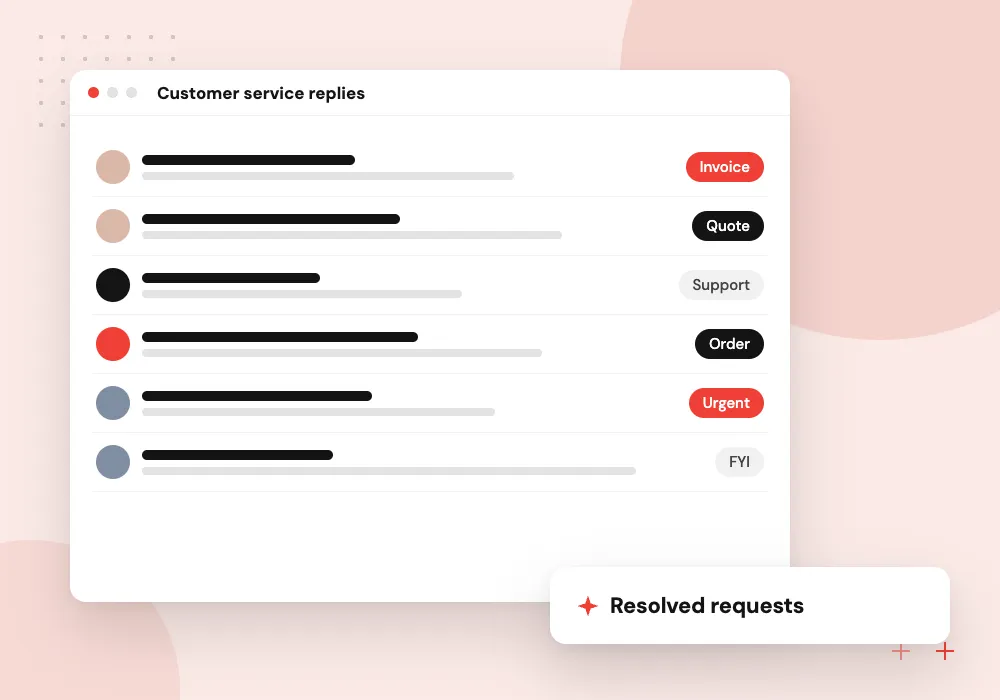
Customer service replies
Answers order status, returns, store hours and in-stock questions by email, chat and SMS, and passes refunds outside policy to a person.
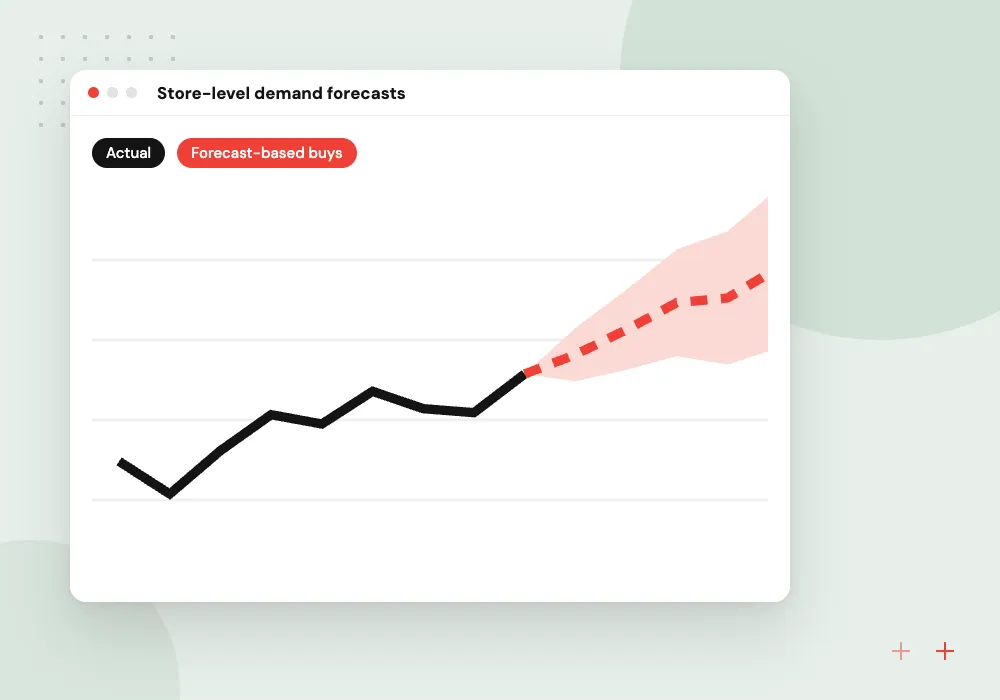
Store-level demand forecasts
Forecasts sales by store and SKU from POS history, seasonality and promotions, then suggests reorders and transfers for buyers to approve.
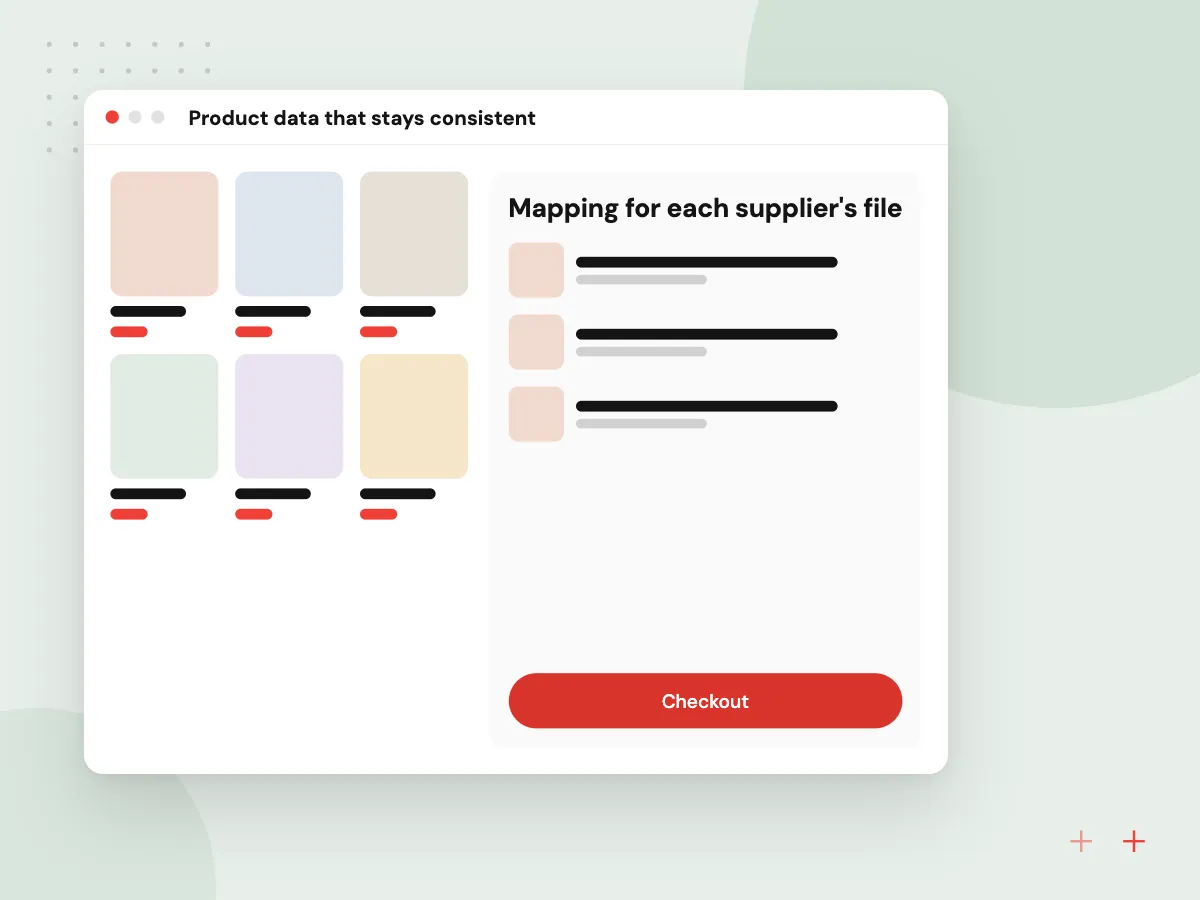
Product data that stays consistent
Every channel needs the same facts: name, size, color, material, care instructions, price and images. We build a pipeline that reads each vendor’s format, drafts descriptions in your brand voice, checks the required fields for each channel and holds new or changed items for a merchandiser’s approval.
What we do
- Mapping for each supplier’s file
- Attribute fill and size cleanup
- Draft descriptions in your voice
- GTIN and UPC checks
- Merchandiser approval queue
- Sync to POS and web store
Store operations and district reporting
Store managers juggle schedules, shipments, shrink counts and district visits. An assistant answers procedure questions from the manual, turns visit notes and photos into a short report, and summarizes each week’s sales, labor hours and open tasks so the district manager sees which stores need attention.
What we do
- Answers from the store manual
- Visit notes turned into reports
- Weekly store summaries
- Task follow-up reminders
- Shrink and void pattern flags


How we approach a project
Forecasting starts with POS history. AI demand forecasting projects sales by store and week, and inventory optimization turns those numbers into reorder points and transfers. Buyers see the forecast, the reason behind it and the suggested quantity, then decide.
Reviews need care. The FTC’s consumer reviews rule prohibits fake reviews and testimonials, so AI sorts and summarizes genuine feedback and drafts replies, and never writes reviews. Card data stays out of prompts, and shopper data follows the state privacy laws that apply.
How we work
- Buyers approve prices and orders
- One item record across channels
- No card data in prompts
Our Process
-

Pick one season’s pain
We look at last season’s item loads, staff questions or service tickets and agree which to fix first.
-

Collect the source files
Vendor files, the store manual, POS exports and the return policy are gathered and checked for gaps.
-

Pilot in a few stores
A handful of stores or one buying team uses the tool, and we correct it from their feedback each week.
-

Roll out by channel
Other stores, the web team and customer service join in turn, each with its own review step.
Why retailers work with Aranv
Buyers keep the decisions
Forecasts and reorder suggestions show their reasoning, and buyers approve every order, price and markdown before it reaches a vendor or a shelf tag.
One item record everywhere
Approved product data flows to POS, website and marketplaces from one place, so a price or size correction is made once.
Built for store staff
The store assistant answers in plain language on devices associates already carry, and shows the manual page behind each answer.
Payment and privacy care
Card data never enters prompts, customer data stays in your accounts, and retention follows the privacy rules that cover your shoppers.
Planning AI for Retailers?
Book a 30-minute conversation with the team that would build it.
Retail AI questions
-
What is the best first AI project for a retailer?
For most retailers it is product data or customer service. Both have clear inputs, a person can check every output, and the work repeats daily. Forecasting usually comes next, once POS and inventory data are clean enough to trust.
-
Can AI forecast demand for a small chain with limited history?
Yes, within limits. A year or two of POS sales by store and SKU is usually enough for weekly forecasts on steady sellers. New items and slow movers borrow patterns from similar products, buyers can override any number, and we report forecast accuracy against actual sales each month.
-
Does retail AI work with our POS system?
Most current POS platforms offer APIs or scheduled exports, and we connect through whichever yours supports. A legacy in-store server may need a scheduled file drop to a secure folder. We confirm access during discovery, before estimating the work.
-
Can we use AI to write customer reviews or testimonials?
No, and we will not build that. The FTC rule on consumer reviews prohibits fake reviews and testimonials. AI is useful for sorting genuine reviews, spotting product problems early and drafting replies your team approves.
-
What does an AI project cost for a retailer?
It depends on the number of systems and channels, the volume and variety of vendor files, how many stores take part and whether forecasting is included. Discovery produces a written estimate, and you can approve one phase at a time.

Let’s talk about your next step
Contact Aranv to discuss your workflow, current tools, and goals. Meet with our team or send an inquiry.
Book a meeting with our team
Choose an available date and time for a 30-minute conversation about your project.
Tell us about your project
Share a few details so we can discuss a useful next step.
Prefer email? sales@aranv.com