


What MongoDB development services cover
Aranv provides MongoDB development services for product teams and growing companies: document models designed around how your app reads data, MongoDB Atlas setup and security, slow-query fixes, upgrades from releases near end of life, and Atlas Vector Search for AI features.
Schema design comes first, even with a flexible database. We list the queries the app runs, decide what to embed and what to reference, and cap arrays that could otherwise grow forever. JSON Schema validation on each collection keeps old and new code writing the same shape of document.
MongoDB consulting on an existing deployment looks at the slow query log, explain output, index use, working set size against memory and replica set health. Typical fixes are compound indexes in equality, sort, range order, projections that fetch only the needed fields, and aggregation pipelines rewritten to filter early.
How we approach a MongoDB database
Model the reads, then the documents
- 01 List the access patterns Every screen and API call is written down with what it reads.
- 02 Shape the documents Embed data read together; reference data that grows without limit.
- 03 Index for real queries Compound indexes follow the equality, sort, range guideline.
- 04 Validate and monitor Schema validation rules and Atlas alerts catch drift early.
A flexible schema still needs a written design, or it drifts.
MongoDB work we do
MongoDB fits data that varies in shape, such as product catalogs, event logs and content, and it rewards careful design up front.
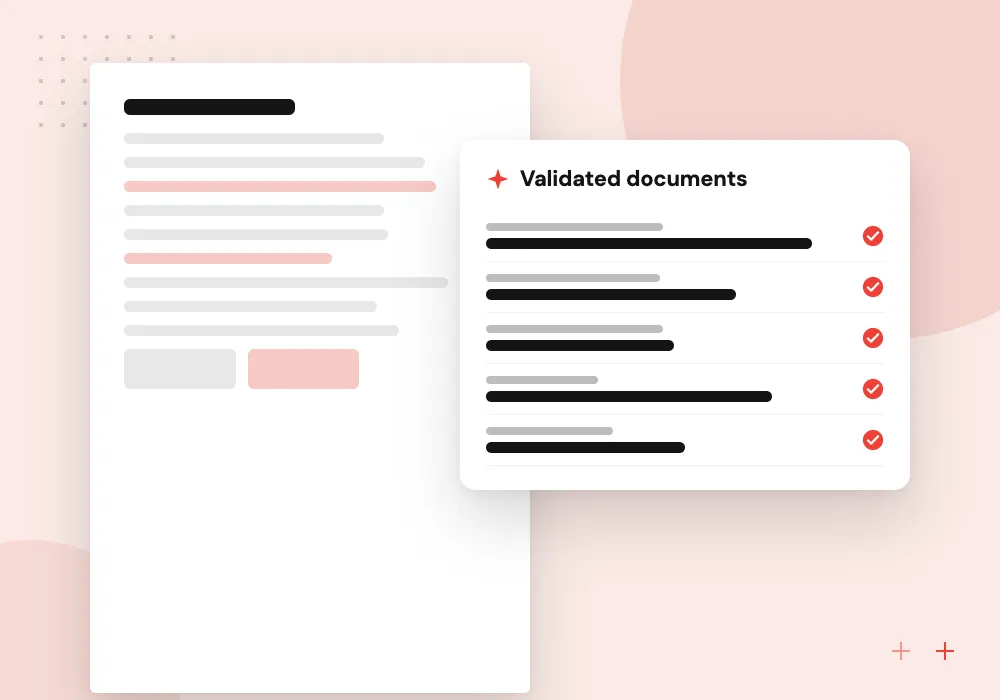
Document model design
Collections, embedded documents and references designed from your app’s read and write patterns, with JSON Schema validation so malformed records are rejected.
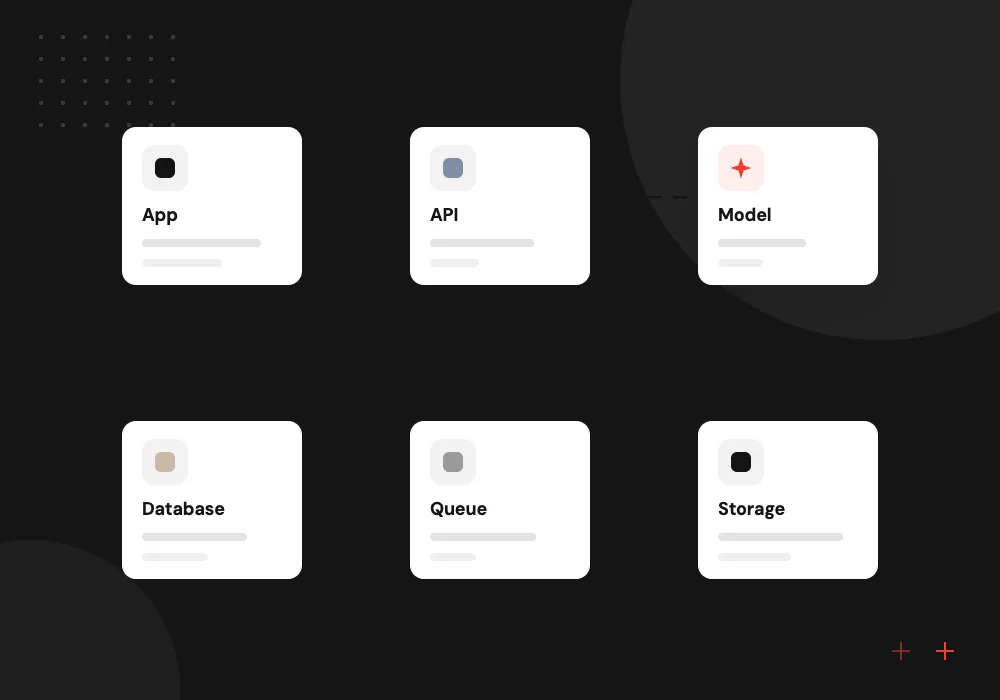
MongoDB Atlas setup
Clusters on MongoDB Atlas in AWS, Azure or Google Cloud regions, with network access lists, a database user per service, backups and alerts configured.
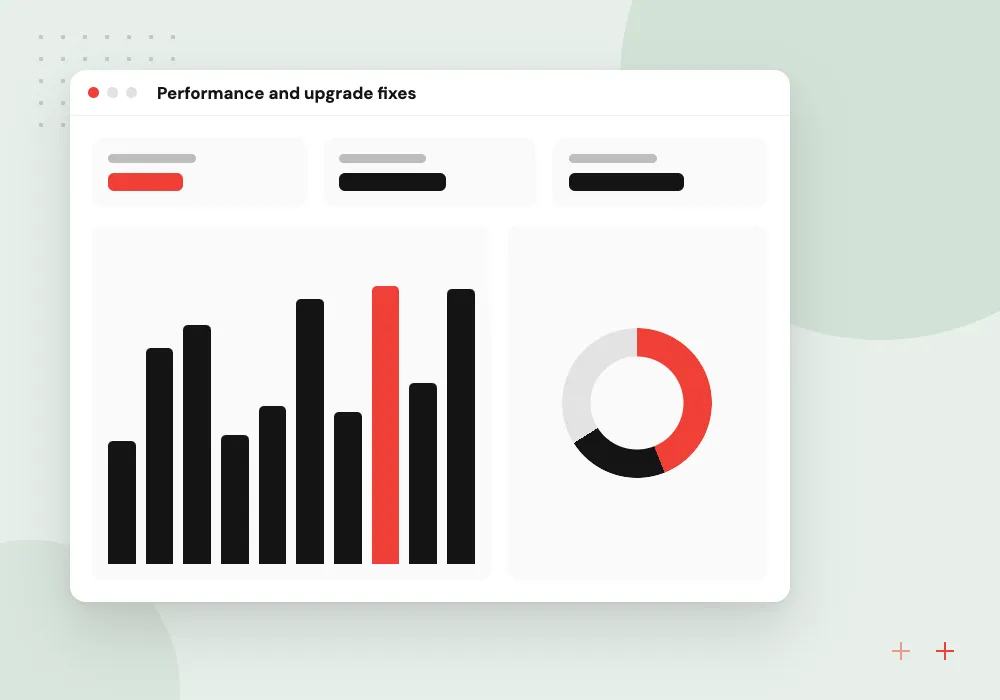
Performance and upgrade fixes
Slow queries found with the profiler and explain plans, indexes rebuilt, and servers moved off releases that are near or past end of life.
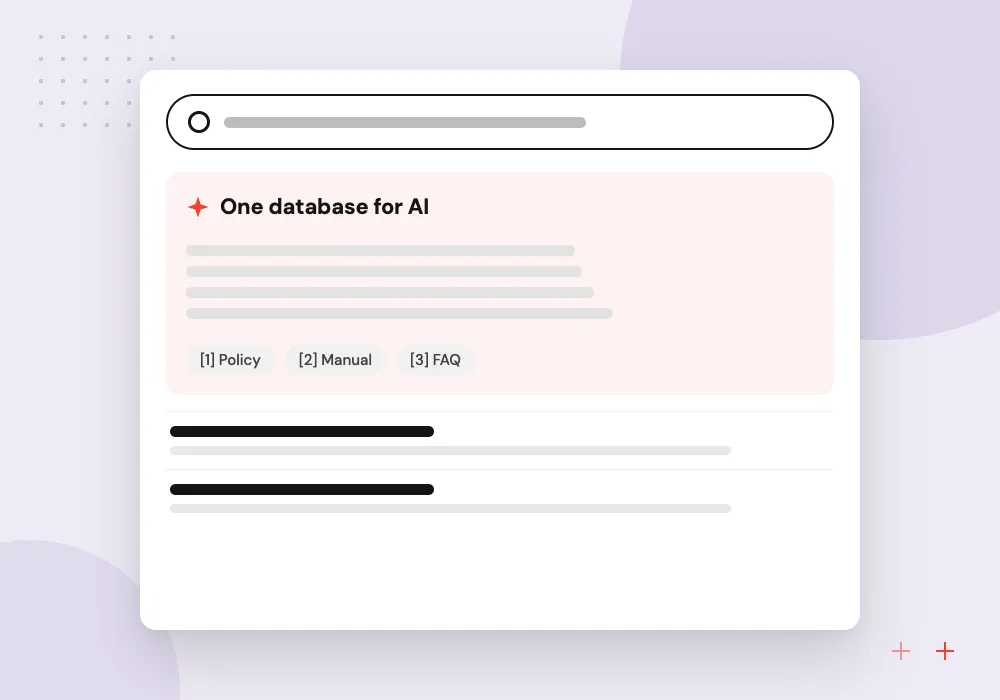
Atlas Vector Search for AI
Embeddings stored in the same documents as product, ticket or content data, so AI search and chat features query one database with ordinary filters.
MongoDB Atlas setup and hardening
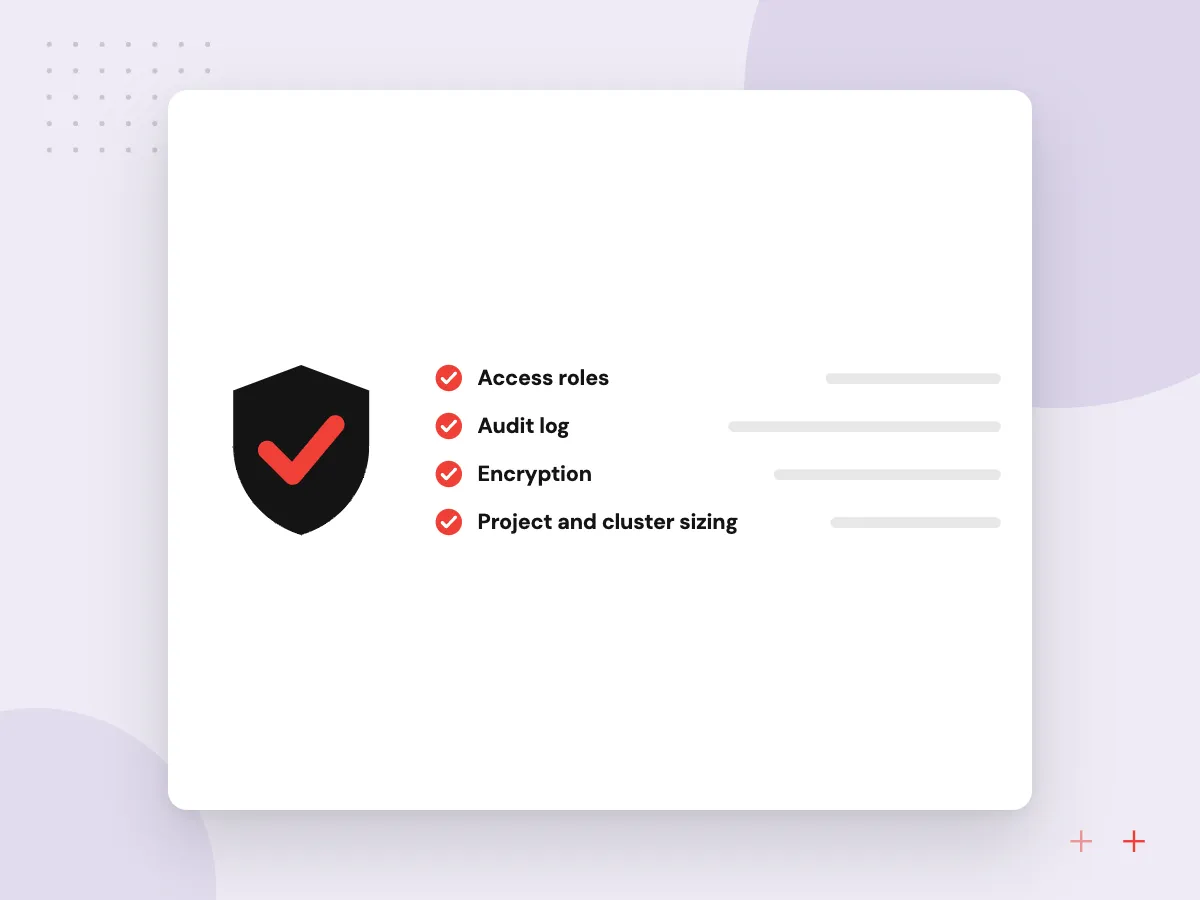
We create Atlas projects per environment, choose a cloud region near your users and size the cluster from your data and traffic. Access goes through private endpoints or a tight IP access list, each service gets its own database user with limited roles, and backups and alerts are reviewed with your team.
What we do
- Project and cluster sizing
- Private networking or IP access lists
- A database user per service
- Backup and restore test
- Performance Advisor review
AI search inside your documents
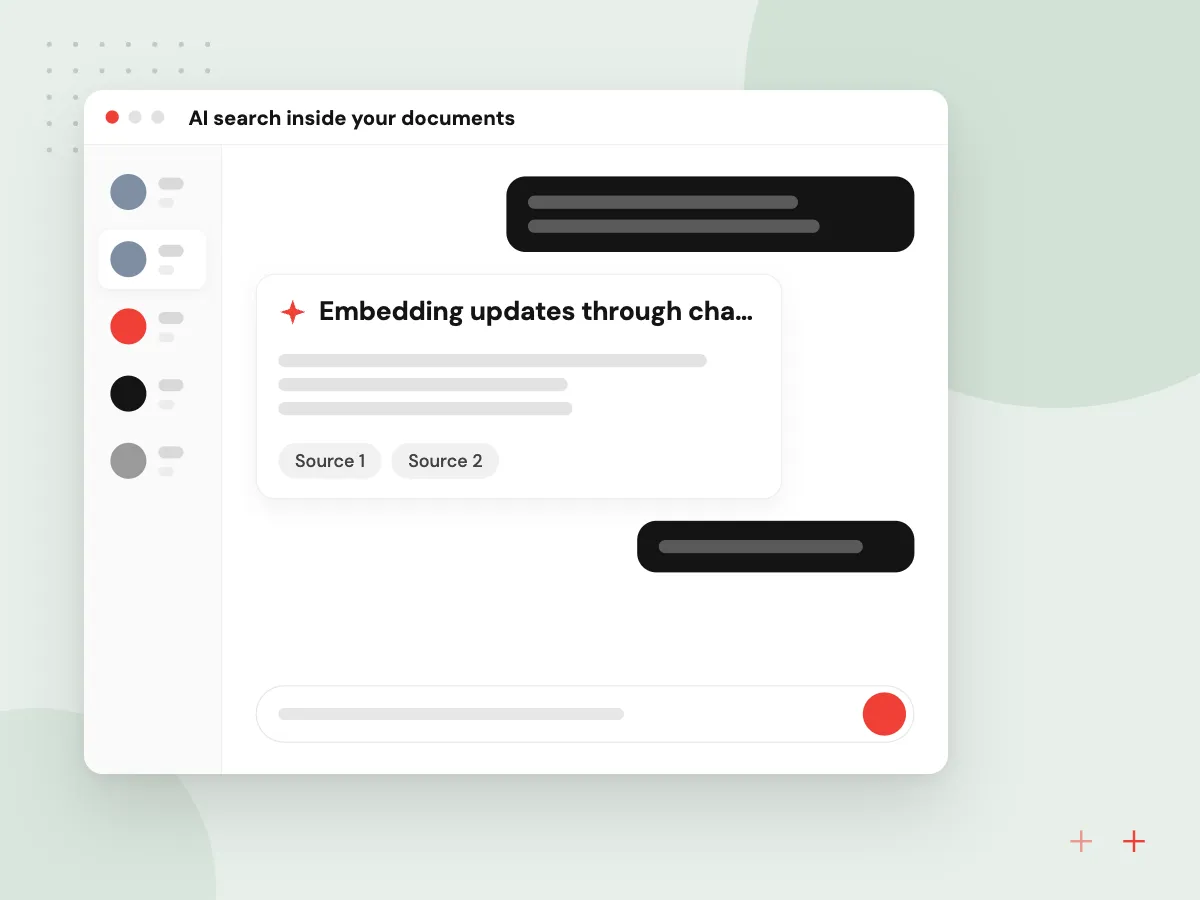
With Atlas Vector Search, embeddings live in the same documents as the text and metadata they describe. We generate embeddings for products, articles or support tickets, define vector indexes with filter fields, and build the retrieval step a chat assistant or recommendation feature calls, with each answer traced to its source documents.
What we do
- Embedding updates through change streams
- Vector index with filter fields
- Combined text and vector queries
- Citations back to source documents
- Relevance tests on real questions

How we approach a project
Support has fixed end dates. MongoDB’s lifecycle schedule lists one for every server release, so a database on 6.0 or older is already past support. We test drivers and queries on the new version, then upgrade replica set members one at a time. Moves from self-hosted servers to Atlas follow our data migration services approach.
For AI features, Atlas Vector Search indexes embeddings stored in your documents and supports pre-filters on ordinary fields, which keeps results inside a customer’s own records. It suits retrieval in RAG and knowledge search projects; for a wider comparison of stores, see vector database development.
MongoDB often sits behind Node.js development projects and is listed with our other databases on the technologies page.
How we work
- Design for the queries you run
- Validation rules on every collection
- Upgrades before end of life
Our Process
-

Review data and queries
We read the current collections, indexes, slow query log and the code paths that touch the database.
-

Agree model and index plan
A design note shows each collection with its validation rules, indexes and expected growth.
-

Build and migrate in steps
Schema changes ship with code that reads both old and new document shapes during the transition.
-

Monitor and adjust
After release we check Atlas metrics, slow query alerts and index usage, and drop unused indexes.
Why Aranv for MongoDB
Schema decisions written down
Every collection gets a short note on what it stores, which queries it serves and why data is embedded or referenced, so future developers do not have to guess.
Changes tested on your data
Index builds, schema changes and upgrades are rehearsed on a restored backup at realistic volume before they touch the production cluster.
Honest about fit
If your data is mostly relational, with many joins and strict transactions across tables, we will say PostgreSQL may serve you better before any build starts.
Atlas costs kept in view
Cluster tier, storage, backup and data transfer charges are compared with actual usage, and we resize or archive old data when the bill outgrows the need.
Planning MongoDB Development Services?
Book a 30-minute conversation with the team that would build it.
MongoDB development FAQs
-
How much do MongoDB development services cost?
The estimate follows the task: a schema for a new app, tuning an existing cluster, a version upgrade or a move to Atlas. Data volume, uptime needs and the amount of application code touching the database are the main drivers, and we scope after a short review.
-
Should we use MongoDB or PostgreSQL?
MongoDB suits data that varies in shape and is read as whole documents, such as catalogs, content and event data. PostgreSQL suits data with many relationships and reporting across tables. Both handle JSON and vector search today, so team skills and existing systems often decide.
-
What does MongoDB Atlas add over running MongoDB ourselves?
Atlas runs the servers, backups, upgrades and monitoring for you on AWS, Azure or Google Cloud, and adds features such as Atlas Search and Atlas Vector Search. You pay for that management, so very small or offline deployments sometimes stay self-hosted.
-
Our MongoDB version is old. Is that a problem?
It can be. After a release’s end-of-life date there are no more fixes, including security fixes. MongoDB 6.0 reached end of life on July 31, 2025, and 7.0 is listed for August 31, 2027. Upgrades go one major version at a time, so older databases need several steps.
-
Can you add AI search to our existing MongoDB app?
Yes, when the database runs on Atlas or on a release that supports vector search. We add embeddings to the right collections, create vector indexes and build the retrieval step, then test answers with your staff before release.

Let’s talk about your next step
Contact Aranv to discuss your workflow, current tools, and goals. Meet with our team or send an inquiry.
Book a meeting with our team
Choose an available date and time for a 30-minute conversation about your project.
Tell us about your project
Share a few details so we can discuss a useful next step.
Prefer email? sales@aranv.com