


What edge AI development involves
Aranv provides edge AI development for businesses that need AI to run on phones, cameras, gateways or machines rather than in a distant data center. We pick or train the model, compress it for the target hardware, build the app or device software around it and set up safe over-the-air updates.
The hardware decides most of the design. A phone has a neural processor and a tight battery budget; an industrial PC or AI module has more power but sits in heat and dust; a microcontroller may offer only kilobytes of memory. We confirm the target early, often alongside IoT development or your hardware team.
Models are made smaller through quantization, pruning or distillation, then converted for the runtime on the device, such as LiteRT, Core ML on Apple devices, or ONNX Runtime across platforms. We measure accuracy after each step, because compression can cost quality on the cases that matter most.
Taking a model out of the data center
Small model, close to the work
- 01 Set the device budget Memory, power, response time and connectivity limits of the target hardware.
- 02 Fit the model Pick, train or compress a model until it fits that budget.
- 03 Build the device software Camera, sensor or app code that feeds the model and acts on results.
- 04 Update from the cloud Signed model updates, health reports and a rollback path for every device.
Edge does not mean disconnected. Most designs still sync results and receive updates whenever a connection is available.
On-device AI we build
Edge AI earns its place where a round trip to the cloud is too slow, too costly or not allowed.
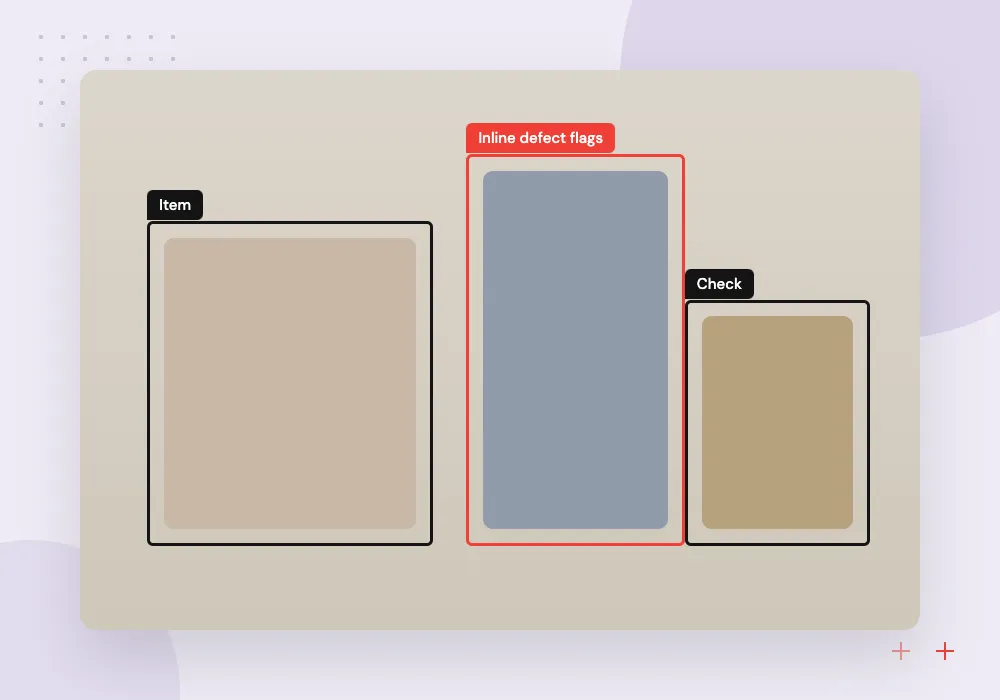
Visual inspection stations
Cameras on a production line that flag defects on a local computer within the line’s timing, without streaming video to the cloud.
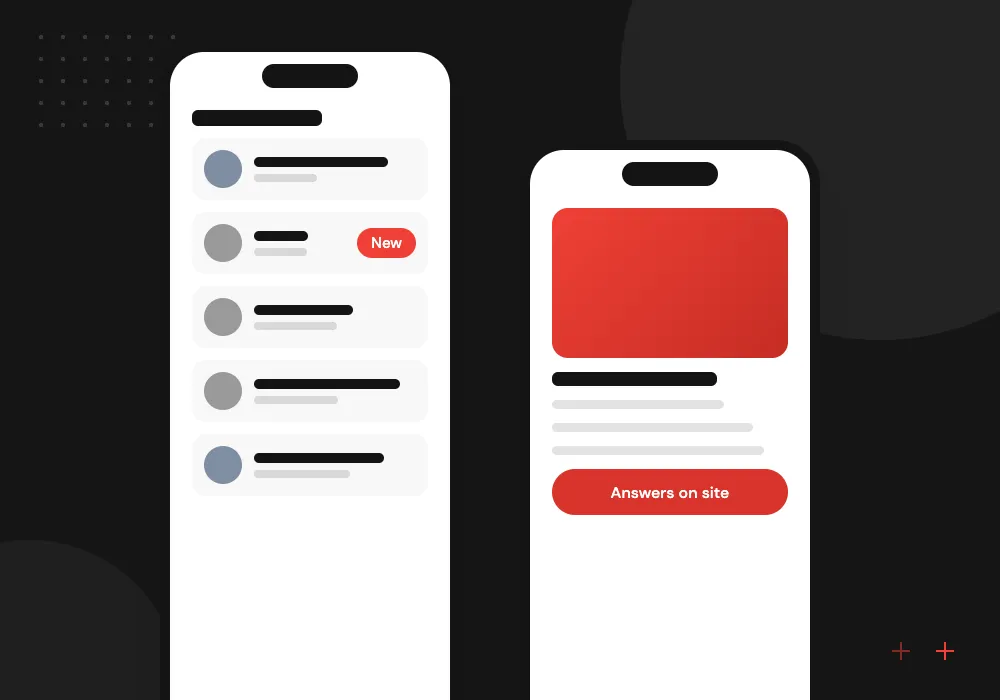
Field service apps
Mobile apps that read meter photos, nameplates or forms on the phone itself, so technicians in basements and rural sites still get results.
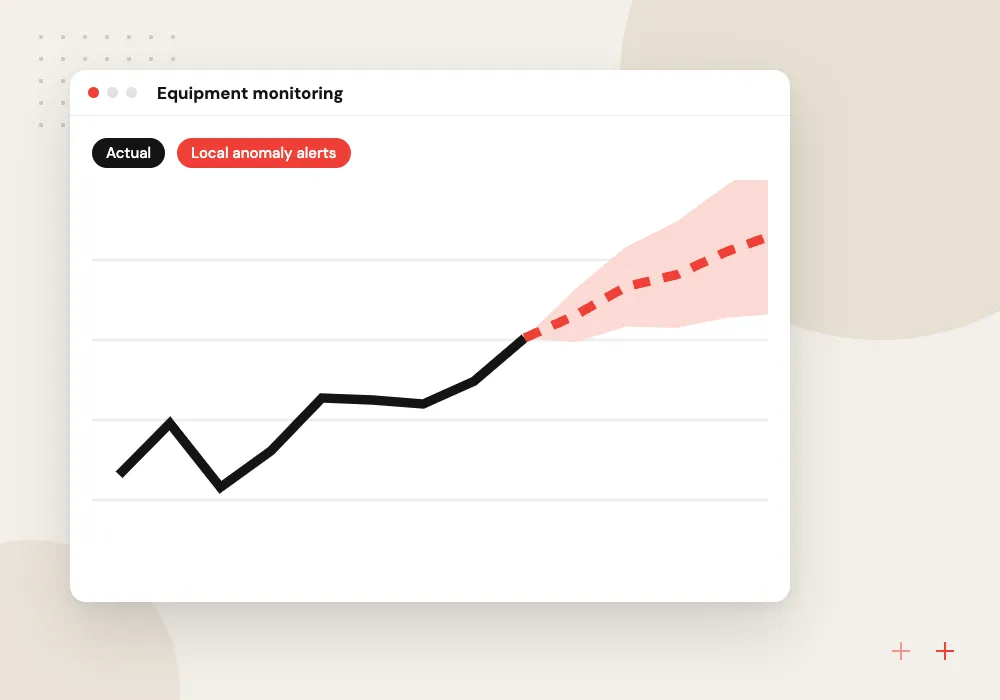
Equipment monitoring
Gateways that analyze vibration, temperature or current readings next to the machine and send only alerts and summaries upstream.
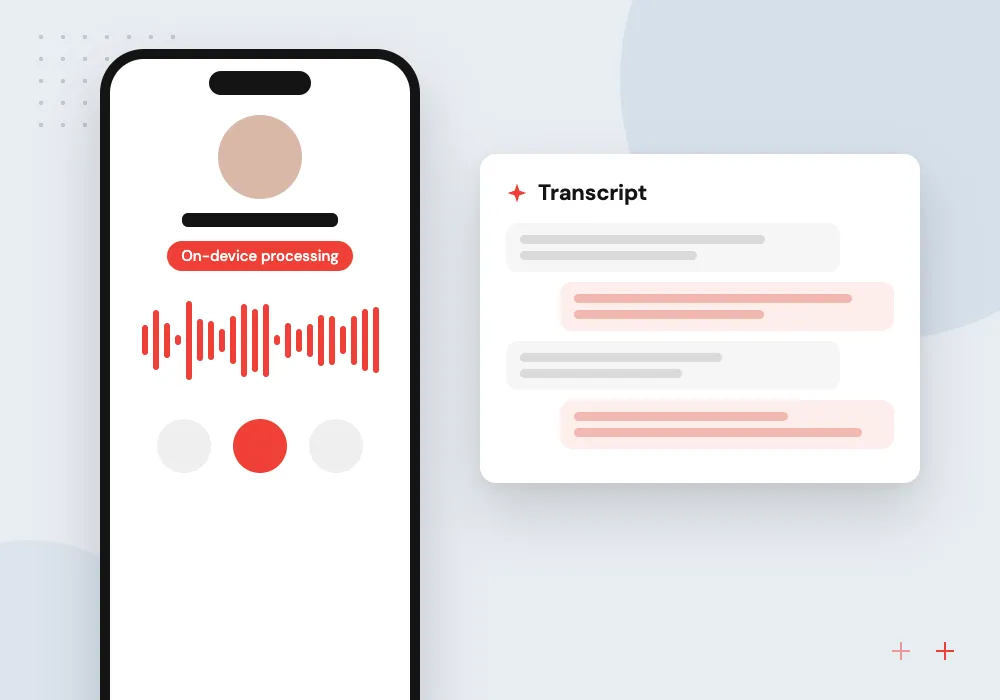
Private voice and text
Speech recognition or small language models that run on a laptop, kiosk or phone when recordings and notes must not leave the device.
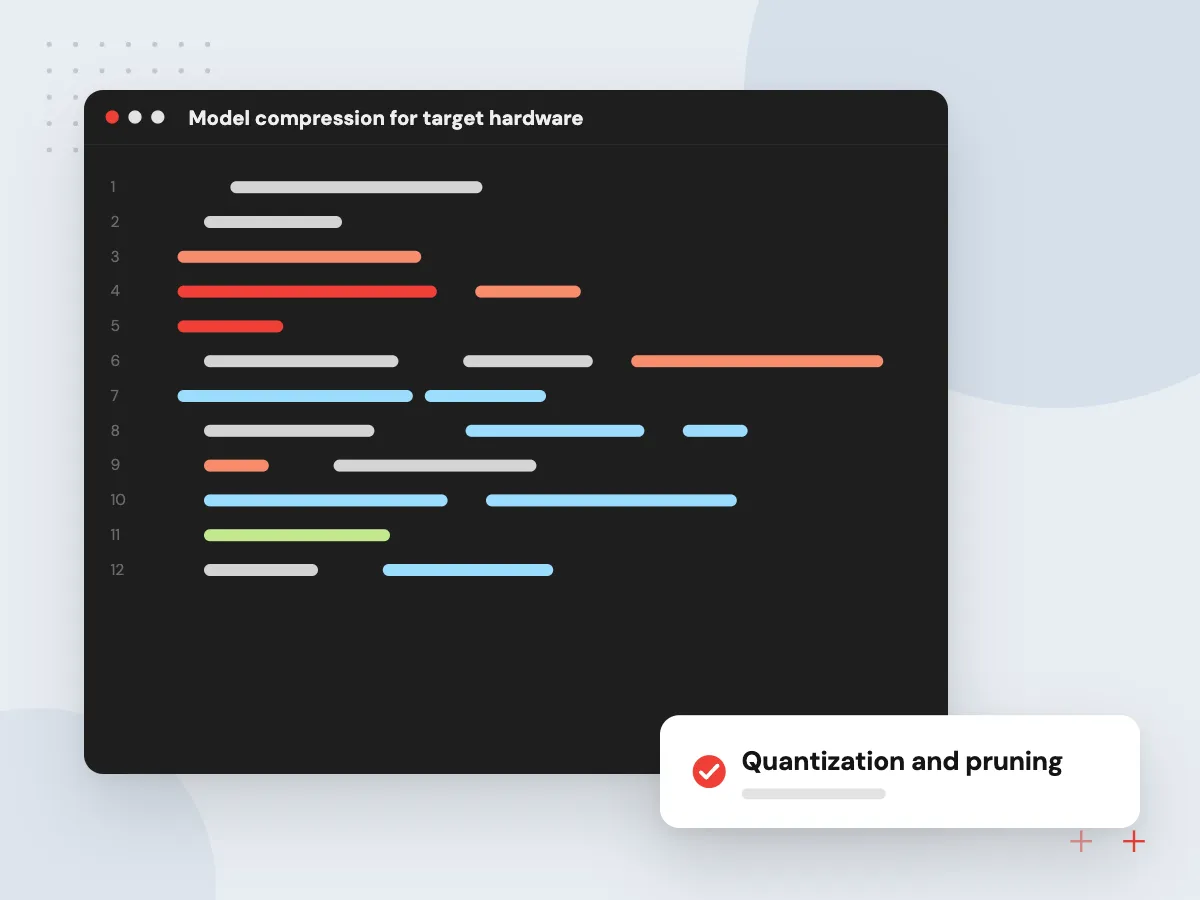
Model compression for target hardware
We start from the accuracy you need and the device you have, then shrink the model step by step: lower-precision weights, removed layers or a smaller student model trained to copy a larger one. After each step we rerun your test images or signals, so you see exactly what each saving costs.
What we do
- Quantization and pruning
- Distillation into smaller models
- Conversion for the device runtime
- Speed and memory benchmarks
- Accuracy report after each step
Fleet updates and device monitoring
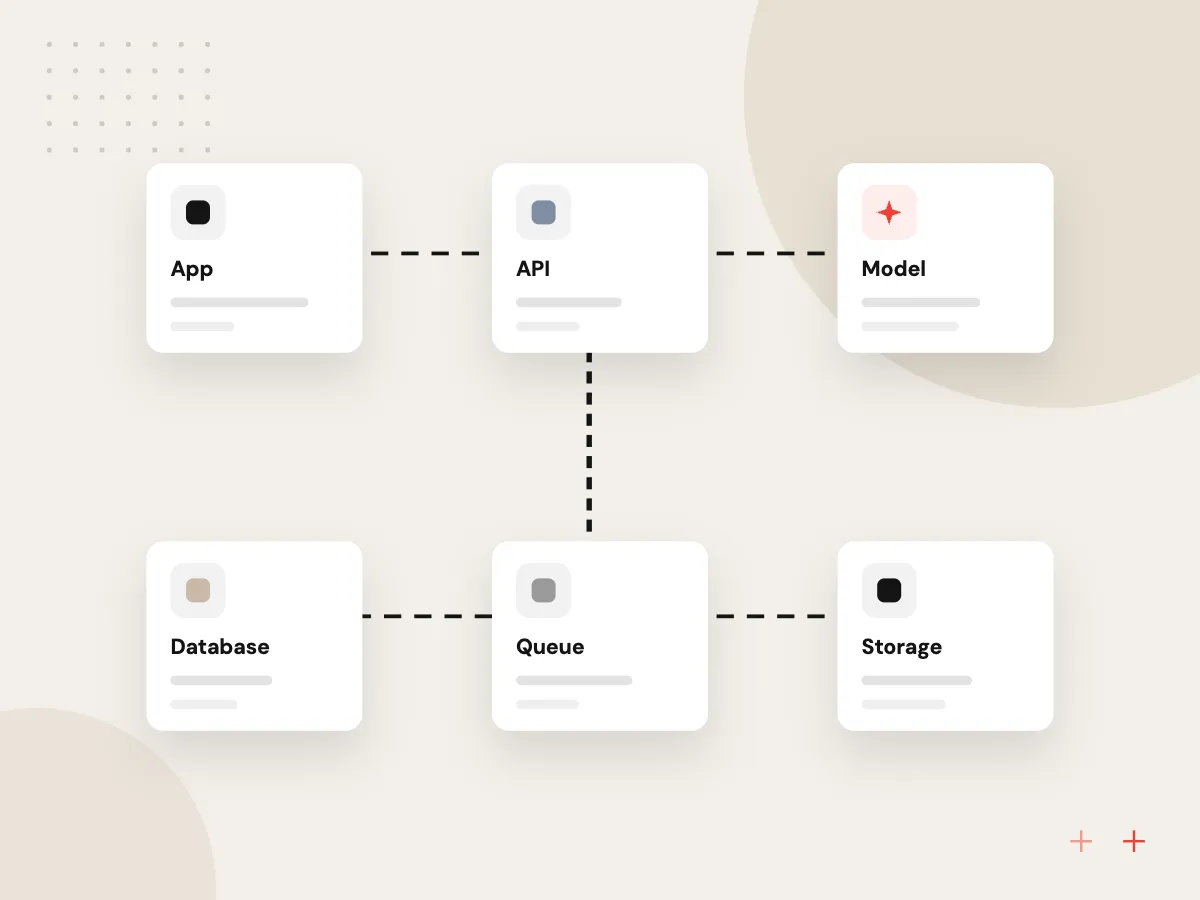
A model on a thousand devices needs the same release discipline as server software. We sign each model package, roll it out in stages, collect version and health data from every device, and keep the previous model on hand so a bad release can be undone remotely.
What we do
- Signed over-the-air model packages
- Staged rollout by site or group
- Device health and version reports
- Remote rollback to previous model
- Offline queue for late check-ins
How we approach a project
Many edge projects involve cameras or sensors. Our computer vision development covers camera models, and use cases such as AI visual inspection and predictive maintenance often run partly at the edge. On phones, the model ships inside apps from our mobile app development team.
Devices in the field need ongoing care: signed model updates, staged rollouts, health and accuracy reports sent home, and a way to roll back. Plant floors add their own network and downtime rules, which our manufacturing and distribution work plans around.
How we work
- Hardware limits set first
- Works when the network does not
- Raw data kept on the device
Our Process
-

Confirm device and constraints
We agree the target hardware, response time, power budget, connectivity and how many devices will run the model.
-

Prototype on the real device
A first model runs on the actual hardware early, so speed and memory problems surface before the full build.
-

Build, compress and field-test
We train or adapt the model, compress it, build the device software and test at a pilot site in real conditions.
-

Roll out with fleet updates
Devices receive the model through signed updates in stages, and health reports show when a site needs attention.
Why Aranv for edge AI
Tested on real hardware early
A prototype runs on your actual device in the first phase, so memory, heat and speed limits shape the design instead of surprising it later.
Model and software together
The same team builds the model, the app or device code and the cloud side, so the pieces fit and one group owns the result.
Accuracy measured after shrinking
Every compression step is checked against your own test data, and you approve the trade-off between size and accuracy.
Plans for the long run
Update, monitoring and rollback are designed before the first device ships, because models in the field need care for years.
Planning Edge AI Development?
Book a 30-minute conversation with the team that would build it.
Edge AI FAQs
-
When should AI run on the device instead of in the cloud?
When answers are needed faster than a network round trip allows, when connectivity is weak, when sending raw video or audio costs too much, or when data should not leave the site. If none of these apply, a cloud model is usually simpler to build and update.
-
Can language models run as on-device AI?
Small language models can run on recent phones, laptops and edge computers, especially after quantization, and they handle tasks like summarizing notes or classifying text. The largest general models still need server hardware. We test candidate models on your target device before committing to a design.
-
What hardware do we need for embedded AI?
It depends on the model and the response time. Phone apps use the device’s own neural processor. Camera and sensor projects often use an industrial PC or a dedicated AI module, and simple sensor models can run on microcontrollers. We recommend hardware after a prototype measures the real load.
-
How are models updated on devices already in the field?
Through signed over-the-air updates, rolled out to a small group of devices first. Each device reports its model version, health and basic accuracy signals. If a new model performs worse, devices roll back to the previous version.
-
What drives the cost of edge AI development?
The number of device types, how far the model must shrink to fit, whether new training data must be collected on site, the device software around the model and the update system for the fleet. A prototype on the real hardware gives the clearest basis for an estimate.

Let’s talk about your next step
Contact Aranv to discuss your workflow, current tools, and goals. Meet with our team or send an inquiry.
Book a meeting with our team
Choose an available date and time for a 30-minute conversation about your project.
Tell us about your project
Share a few details so we can discuss a useful next step.
Prefer email? sales@aranv.com