


How an eCommerce development cost estimate is built
Aranv’s direct answer: eCommerce website cost depends on five things, namely the platform, how custom the design is, the size and state of your product data, the systems the store must connect to, and who maintains it after launch. We give a written estimate after a short discovery.
What we need to estimate. A product export, a list of the systems the store must talk to, a few stores you admire and any wholesale or subscription rules. A short software discovery phase turns these into page templates, an integration list and a line-by-line estimate.
Platform choice. Shopify, WooCommerce, Magento and headless setups put the money in different places: subscriptions, hosting, extension licenses or developer time. Our Shopify vs WooCommerce guide compares the two most common picks, and B2B eCommerce development covers wholesale portals.
Where an online store budget goes
Four parts of every store build
- 01 Platform and hosting Hosted plans, self-hosted servers and headless setups carry different running costs.
- 02 Design and theme work Tuning a quality theme takes far less effort than a fully custom storefront.
- 03 Products and data Cleaning, importing and enriching product data is often the most underestimated task.
- 04 Connections and upkeep ERP, shipping, tax and payment links, then updates and fixes after launch.
Payment processing fees and marketing sit outside the build, but they belong in the yearly plan too.
Online store cost factors that move the estimate
These four choices change eCommerce development cost more than anything else on the list.
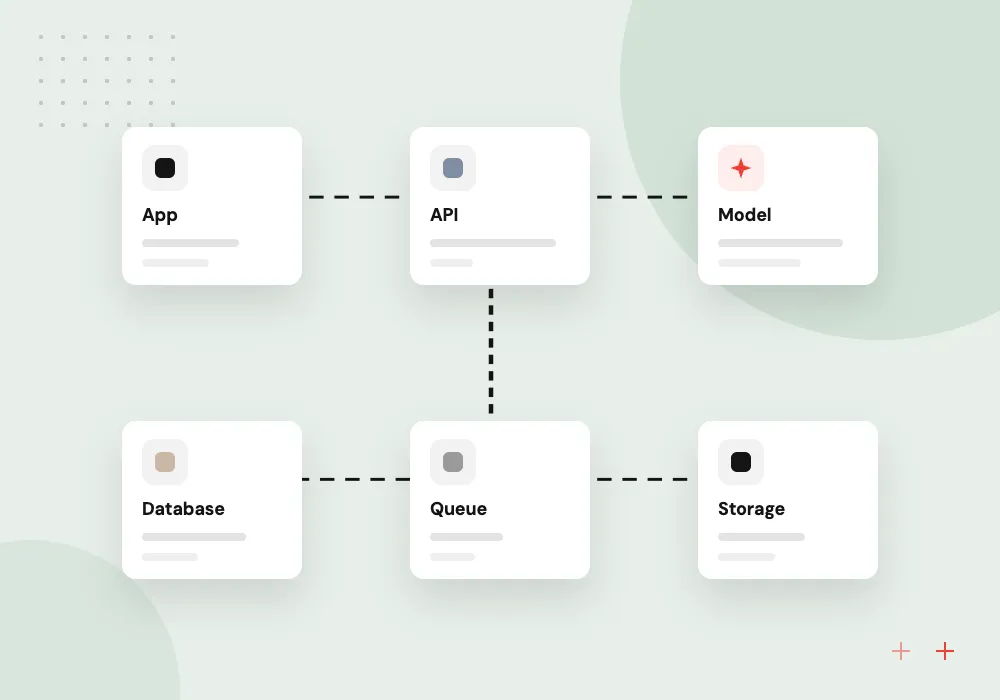
Hosted or self-hosted
A hosted platform folds servers and security into a subscription. Self-hosted stores pay for hosting, updates and monitoring separately, often as developer hours.
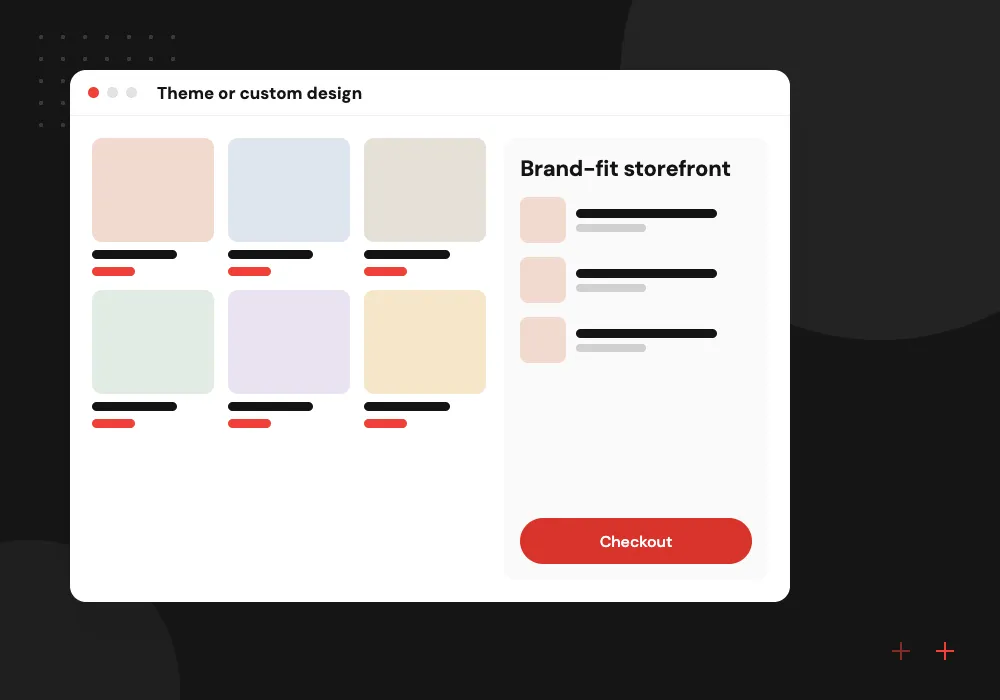
Theme or custom design
Adapting a good theme suits most stores. A custom design system, unusual product pages or a headless front end add design and build weeks.
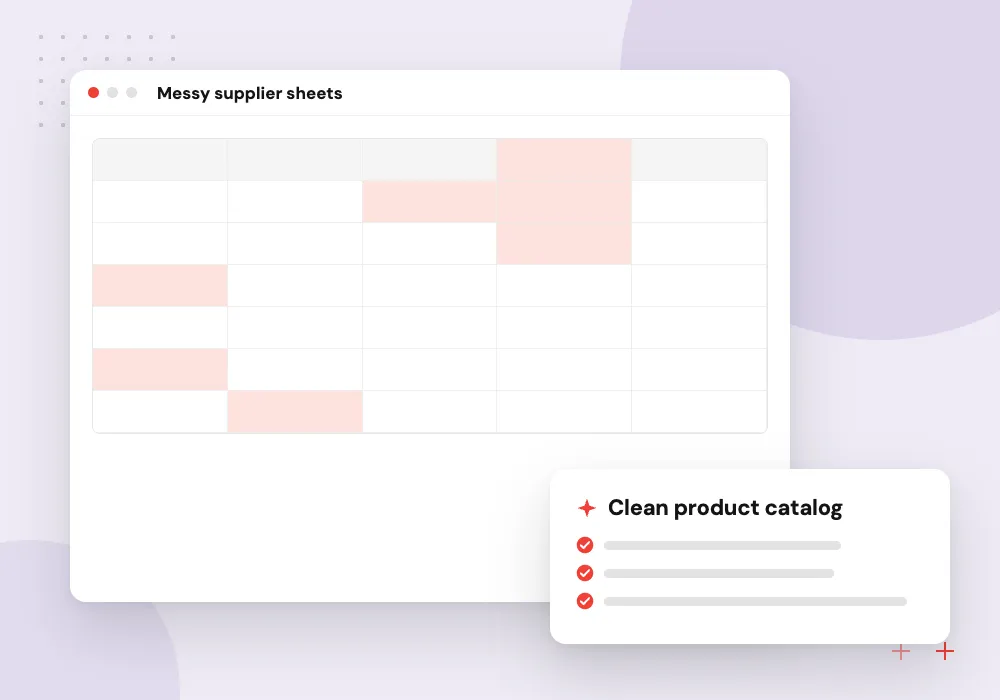
Catalog size and quality
Large variant sets, missing images and inconsistent supplier sheets all add cleanup and import work before the first order can be taken.
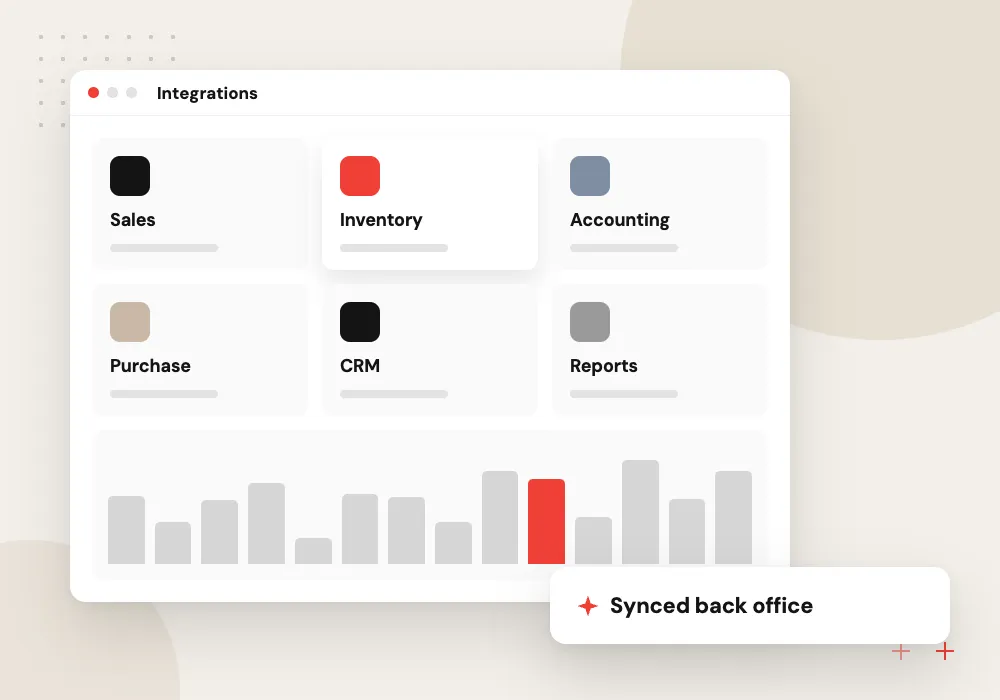
Integrations
Each link to an ERP, warehouse, accounting package, tax service or marketplace needs field mapping, testing with real orders and monitoring after launch.
The line-item estimate we send
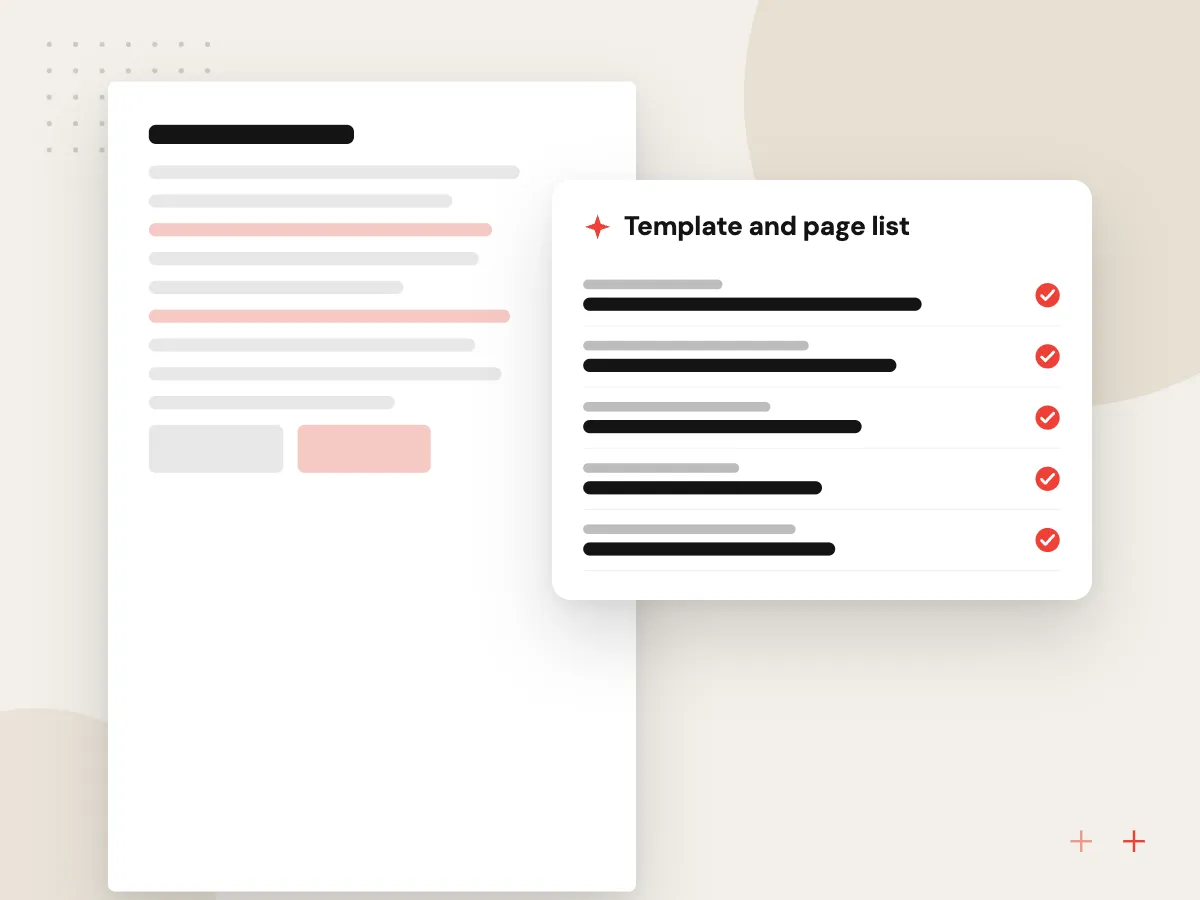
Instead of one total, the estimate lists each template, data task, integration and test cycle with its own effort, plus a separate table of yearly running costs. You can see what moves the number and drop or delay items before signing.
What we do
- Template and page list
- Product data cleanup and import
- Effort per integration
- Order testing and launch window
- Yearly running cost table
Budgeting for AI in an online store
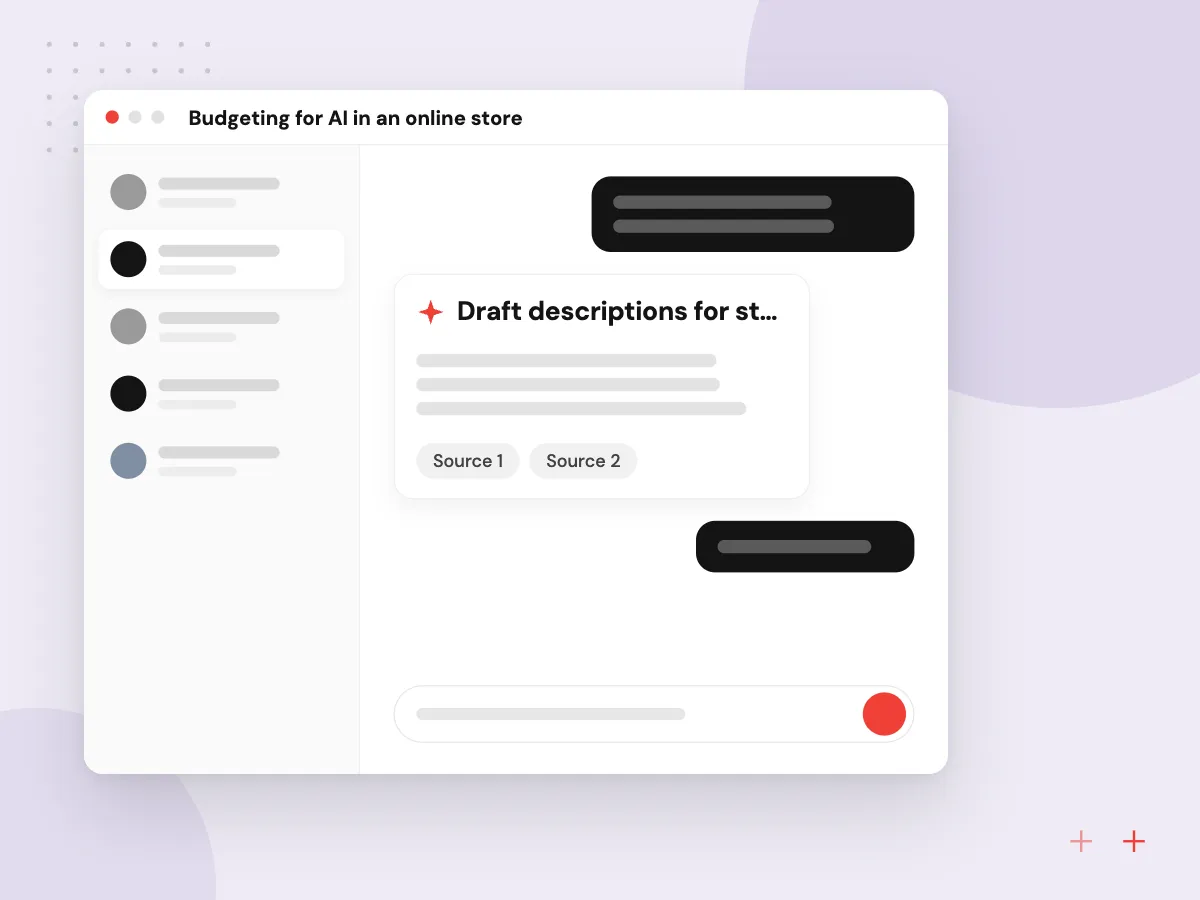
AI shows up in two places. During the build it can speed up product data work, such as drafting descriptions and tagging attributes for staff to approve. In the live store, AI search or a shopping assistant adds build effort plus per-request model usage, which we forecast from your traffic.
What we do
- Draft descriptions for staff review
- Attribute tagging during cleanup
- AI search or shopping assistant
- Usage forecast from real traffic
- AI features held for phase two

How we approach a project
Running costs after launch. Plan for platform or hosting fees, app and extension renewals, payment processing, security updates and small changes for campaigns. Self-hosted stores also need someone to apply WordPress, PHP and server updates as vendors raise their requirements.
How to spend less. Launch with the products and payment methods that bring most of your revenue, start from a theme before commissioning a custom design, and connect only the systems you re-key by hand today. Our eCommerce development team can phase the rest into a second release.
How we work
- Estimate from your real catalog
- Separate build and running costs
- Launch lean, then add features
Our Process
-

Export what you sell
Pull your product list with variants, images and stock levels so catalog work can be measured.
-

List every connected system
Note the ERP, accounting, shipping, tax, marketplace and email tools the store must exchange data with.
-

Split must-haves from later
Mark which features the first release needs and which can wait for a second phase.
-

Ask for a line-item estimate
Request separate figures for build, data work, integrations and yearly running costs instead of one total.
How Aranv helps with the budget
Estimates from your real data
We size the work from your actual product export and order flow, not a template, so cleanup and integration effort are counted from the first conversation.
Platform advice without a quota
We build on Shopify, WooCommerce, Magento and headless setups, so the platform we suggest is the one that keeps your yearly cost and upkeep sensible.
Running costs shown upfront
Apps, extensions, hosting and payment fees get a table of their own, separate from build effort, so you can see a full year of bills before signing.
Phased releases
We split the store into a first release that can take orders and later phases for extras, so spending follows what customers actually use.
Ready to act on this guide?
Ask our team in a 30-minute conversation.
Or see how we build it: Explore all services
eCommerce website cost FAQs
-
How much does an eCommerce website cost?
There is no fair single answer, because a small theme store and a wholesale portal linked to an ERP differ hugely in effort. We give a written, line-item estimate after a short discovery, once platform, catalog, design approach and integrations are agreed.
-
Why do quotes for the same online store vary so much?
Vendors often assume different scopes. One quote may cover a lightly edited theme and a CSV import; another covers custom templates, data cleanup and ERP sync. Ask each vendor to list what is included, what is excluded and which running costs follow launch.
-
What ongoing costs come after launch?
Expect platform or hosting fees, app and extension renewals, payment processing, domains and email, security updates, backups and developer time for changes. These appear as their own lines beside the build figures, so yearly spending is visible before you commit.
-
Is a custom-built store worth the extra cost?
Sometimes. Custom or headless builds make sense when products need configurators, content comes from another system or several storefronts share one catalog. For most small businesses, a well-built theme on Shopify or WooCommerce does the job for less.
-
How long until a new online store can launch?
A theme-based store with clean data can launch in weeks; custom design, migrations and several integrations stretch that to months. Product data and slow decisions cause most delays, so one person who can approve content keeps things moving.
-
Can AI reduce eCommerce development cost?
In places. AI can draft product descriptions, tag attributes and suggest category mapping during data cleanup, with staff reviewing each result. It does not remove design, integration or testing work, and AI features in the live store add their own usage costs.

Let’s talk about your next step
Contact Aranv to discuss your workflow, current tools, and goals. Meet with our team or send an inquiry.
Book a meeting with our team
Choose an available date and time for a 30-minute conversation about your project.
Tell us about your project
Share a few details so we can discuss a useful next step.
Prefer email? sales@aranv.com