


Staff augmentation vs freelancers, and other options
Aranv’s answer on a dedicated development team vs freelancers: hire freelancers for short, well-defined tasks you can manage yourself, and choose a dedicated team when the product needs steady work for months, shared knowledge, testing and one party accountable for delivery.
Staff augmentation vs freelancers. Staff augmentation places a vendor’s engineers inside your team, under your managers, while the vendor handles hiring, payroll and replacements. It sits between individual freelancers and a fully run dedicated development team, and suits companies that already have a tech lead.
Contracts and classification. Hiring freelancers directly means you hold every contract, and the IRS looks at how much control you have over the work when judging whether someone is a contractor or an employee. A vendor employs its own staff. Our security, NDA and IP page explains the ownership terms we put in writing. This is general information, not tax or legal advice.
What changes between the two
Freelancers or a team: four differences
- 01 Who manages the work With freelancers you plan, assign and review; a team brings its own lead.
- 02 Who covers absences A team replaces people without losing context; a freelancer’s absence pauses their tasks.
- 03 Who checks quality Teams include testers and peer review; freelancers often test their own work.
- 04 Who signs the paperwork One vendor contract and NDA, or a separate agreement with each freelancer.
Freelancers and teams are not rivals. Many businesses use both, each for a different kind of job.
Hire freelancers or a team: four questions
Answer these four honestly and the choice is usually clear.
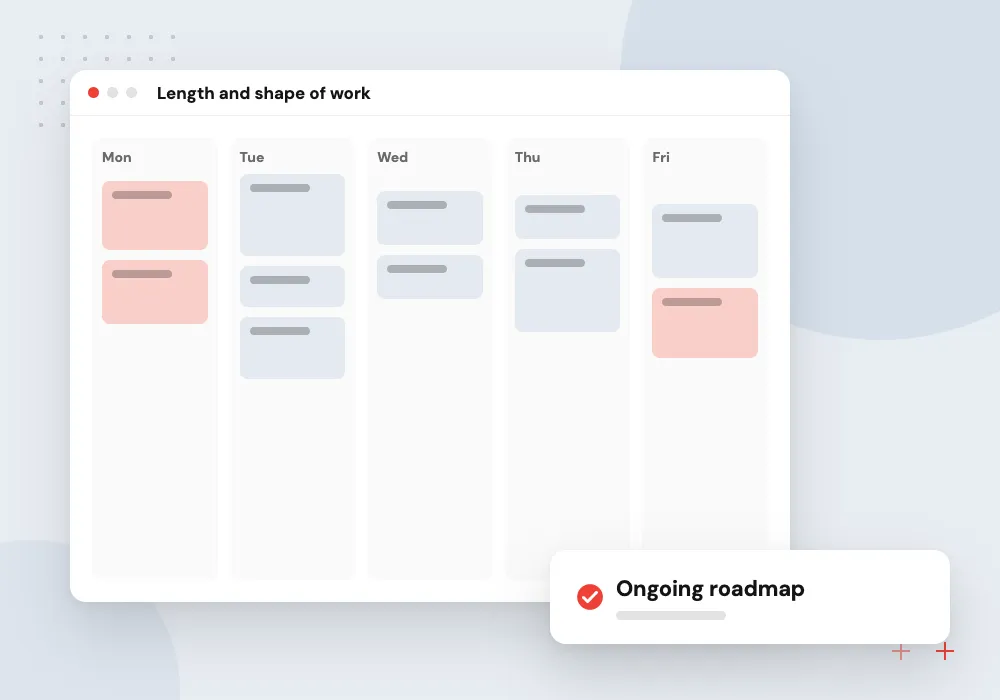
Length and shape of work
A landing page, a plugin fix or a data script suits a freelancer. A product with a roadmap, regular releases and support suits a stable team.
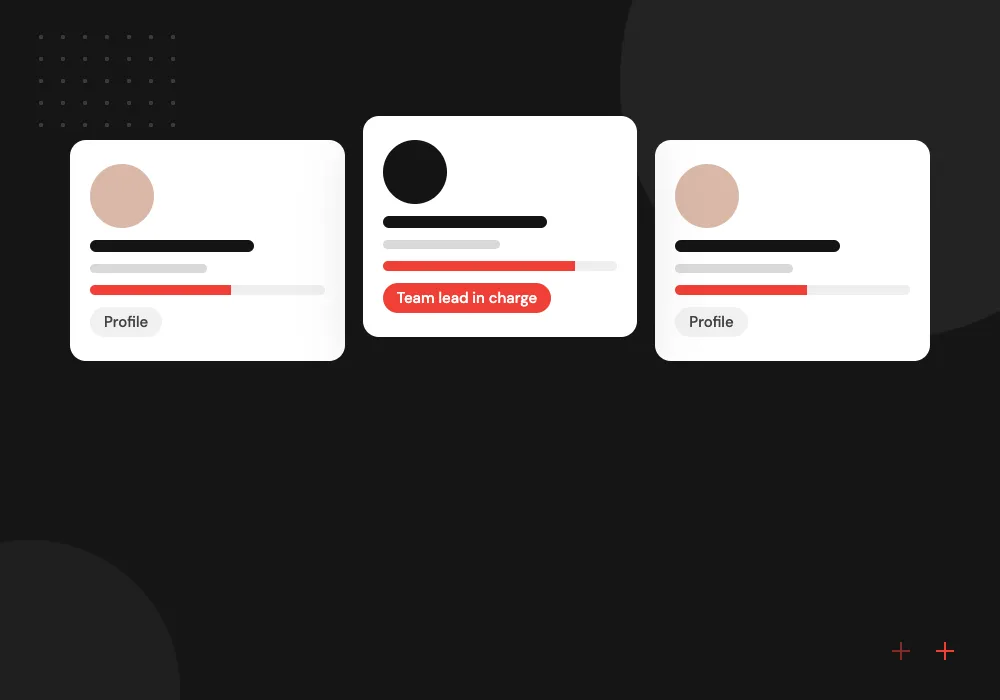
Your management time
Freelancers need someone on your side to write tasks, review code and join the pieces together. A dedicated team’s lead handles that every day.
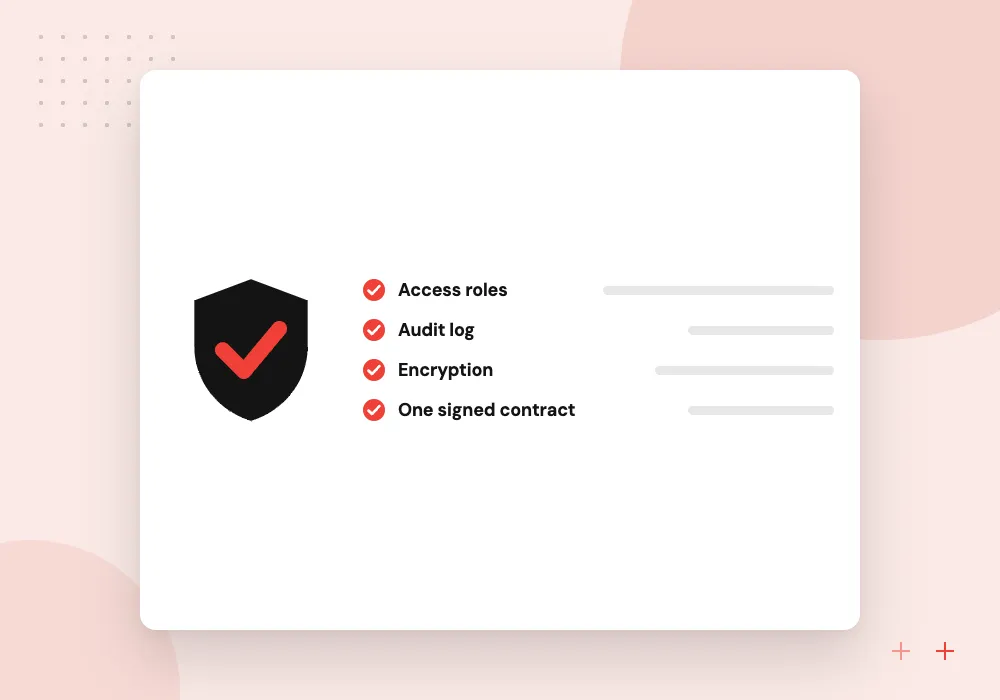
Security and ownership
Each freelancer needs an IP assignment, an NDA and controlled access. A vendor contract covers the whole team, with access managed in one place.
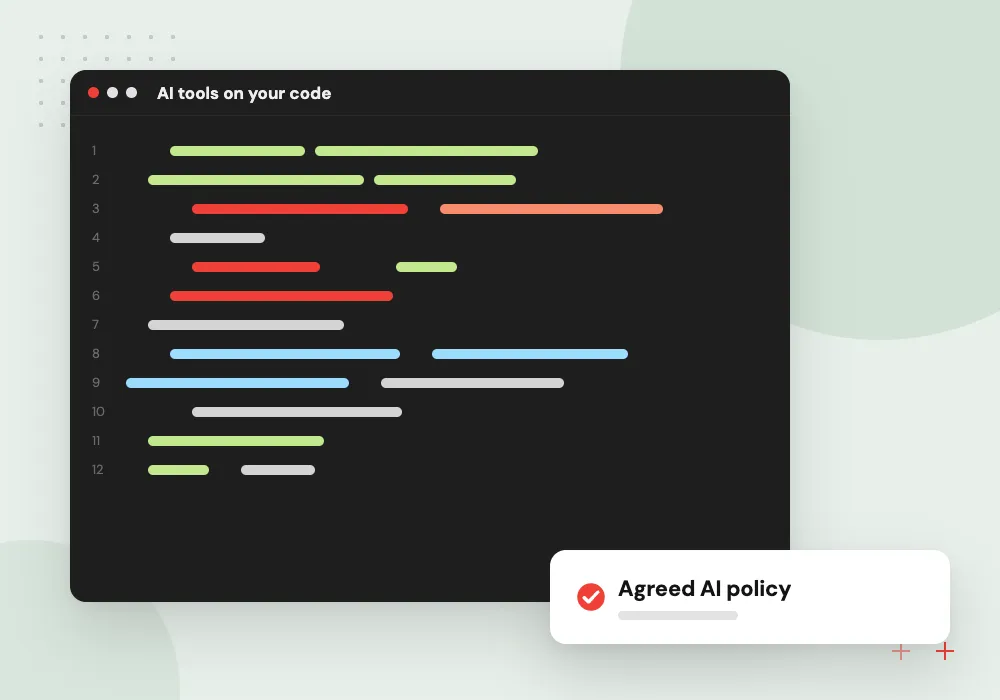
AI tools on your code
Developers now use AI coding assistants. A team works under one agreed policy on which tools may see your code; with freelancers you agree it person by person.
When freelancers are the right call
Freelancers work well for short, specialist or one-off jobs with a clear finish line: a design refresh, a plugin fix, a data clean-up script or extra hands before a launch. They work best when someone on your side can brief them, review the output and merge it.
What we do
- Short tasks with clear outputs
- Specialist skills for a few weeks
- Your own lead reviews the work
- IP assignment signed before access
- Access removed when the job ends
When a dedicated team pays off
A dedicated team suits a product that keeps changing: a SaaS platform, a customer portal or an internal system with a steady flow of requests. The same engineers, tester and lead remain on it, so context builds up, absences are covered and releases follow a regular rhythm.
What we do
- Stable engineers on your product
- Testing and code review built in
- Cover for holidays and departures
- Shared documentation and runbooks
- One contract, one point of contact

How we approach a project
Related decisions. If you are still deciding whether to build an internal team at all, read in-house vs outsourced software development. For billing, see fixed price vs time and materials, and for rules on AI coding tools, the AI acceptable use policy guide.
How we work
- Match the hire to the work
- Put IP terms in writing
- Plan for knowledge handover
Our Process
-

Describe the next six months
Write down the expected work, from features and fixes to releases and support requests.
-

Count your management hours
Estimate how much time someone on your side can give to planning and code review each week.
-

Set ownership and access rules
Decide which contracts, NDAs, repository permissions and AI tool rules every contributor must accept.
-

Start with a trial period
Run a short paid trial with a freelancer or a team on real tasks before a longer commitment.
How Aranv supports either path
A team or a few specialists
We can provide a full dedicated team or add one or two engineers to your existing team, depending on who leads the work on your side.
Ownership settled in the contract
Ownership terms are written into the contract before work starts, and repositories stay in your company’s accounts throughout.
One rule for AI tools
We agree with you which AI coding assistants may touch your code and with what settings, then apply that rule to every person on the team.
Depth when people change
With 200+ team members across our group, a departure or holiday is covered from within, and handover notes keep knowledge with the product.
Ready to act on this guide?
Ask our team in a 30-minute conversation.
Or see how we build it: Explore all services
Dedicated team vs freelancers FAQs
-
Is a dedicated development team better than freelancers?
It depends on the work. Freelancers fit short, clearly defined tasks when you can manage them yourself. A dedicated team is better for a product that needs continuous development, testing, releases and support, because knowledge stays with a group rather than one person.
-
Are freelancers cheaper than a dedicated team?
Often per hour, not always per result. With freelancers you also pay in your own time for planning, coordination, review and replacing people who leave. Compare the cost of finished, tested features, including your management time, rather than hourly rates alone.
-
Should we use staff augmentation or freelancers?
Staff augmentation suits companies with their own tech lead that need extra engineers for months, with the vendor covering hiring and replacements. Freelancers suit shorter, separate tasks. Both need clear access rules and IP terms in writing before work starts.
-
How do we protect our code and IP when working with freelancers?
Sign a written agreement with each freelancer that assigns IP to your company, add an NDA, keep repositories and cloud accounts in your company’s name, and grant only the access each task needs. Remove access as soon as the work ends.
-
Can we combine freelancers with a dedicated team?
Yes. A common pattern is a dedicated team owning the product while freelancers handle short specialist jobs. The team lead reviews their work and owns the merge into the main codebase, so quality and security rules stay the same for everyone.
-
What happens if a freelancer leaves mid-project?
Work on their tasks stops until someone else learns the code, which can take a while if nothing is documented. Reduce the risk by keeping code in your own repositories, asking for short handover notes and making sure a second person reviews each change.

Let’s talk about your next step
Contact Aranv to discuss your workflow, current tools, and goals. Meet with our team or send an inquiry.
Book a meeting with our team
Choose an available date and time for a 30-minute conversation about your project.
Tell us about your project
Share a few details so we can discuss a useful next step.
Prefer email? sales@aranv.com