


What to look for when hiring an AI agency
Aranv’s advice on how to choose an AI development company: pick the team that asks about your process and data before it talks about models, has built similar workflows, tests against your own examples, and puts code ownership, data handling and support after launch in writing.
Start with the task, not the vendor. Write one page on the job you want AI to do, who does it now, how often, and what a good result looks like. That page lets you compare firms on the same brief. The AI project readiness checklist helps you collect the inputs, and the guide to AI project requirements turns it into a brief.
Match the firm to the work. Building AI agents that act inside business systems calls for different skills than writing prompts for marketing copy. Ask for examples of similar workflows and who from that work would join your project. If you are unsure whether to build at all, read build vs buy AI first.
A shortlist method that suits a smaller business
From long list to signed contract
- 01 Describe the one task Write down the job, the systems involved and how you will judge success.
- 02 Shortlist a few firms Favor teams that have connected AI to business systems, not only built demos.
- 03 Fund a small discovery A short paid engagement shows how a team handles your staff and data.
- 04 Compare written proposals Weigh scope, testing, ownership and support side by side, not only the total.
A firm that tells you a smaller tool would do the job is giving you useful information.
Four checks for AI vendor selection
Most AI firms can show a demo. These checks show how a firm treats your project after the demo.
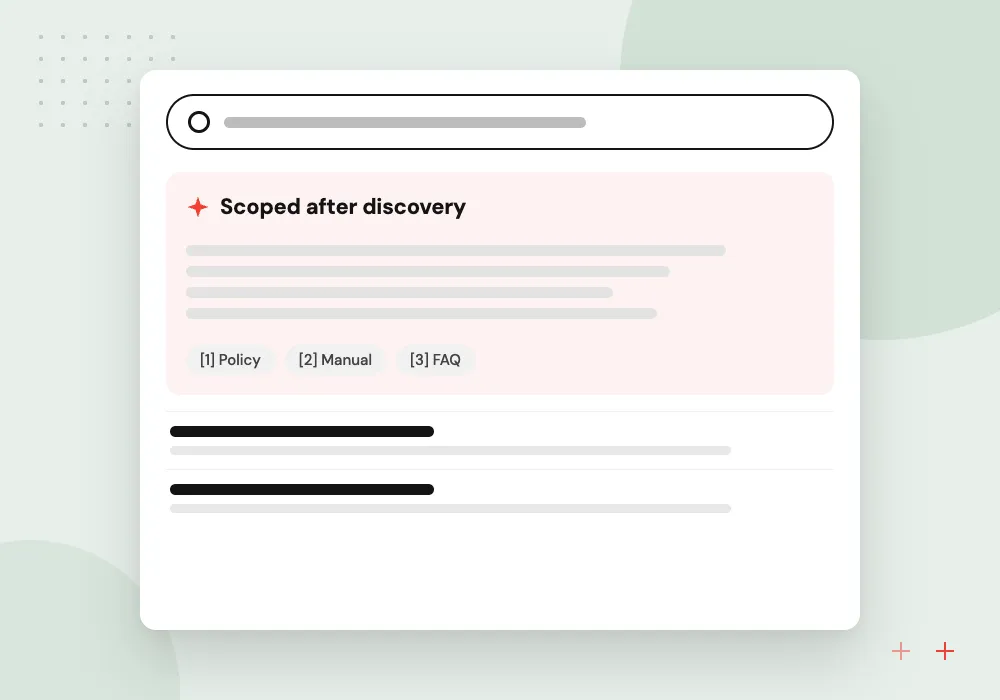
Discovery before a quote
A credible firm asks to see the task, a sample of your documents and the systems involved before it names a fee or a timeline.
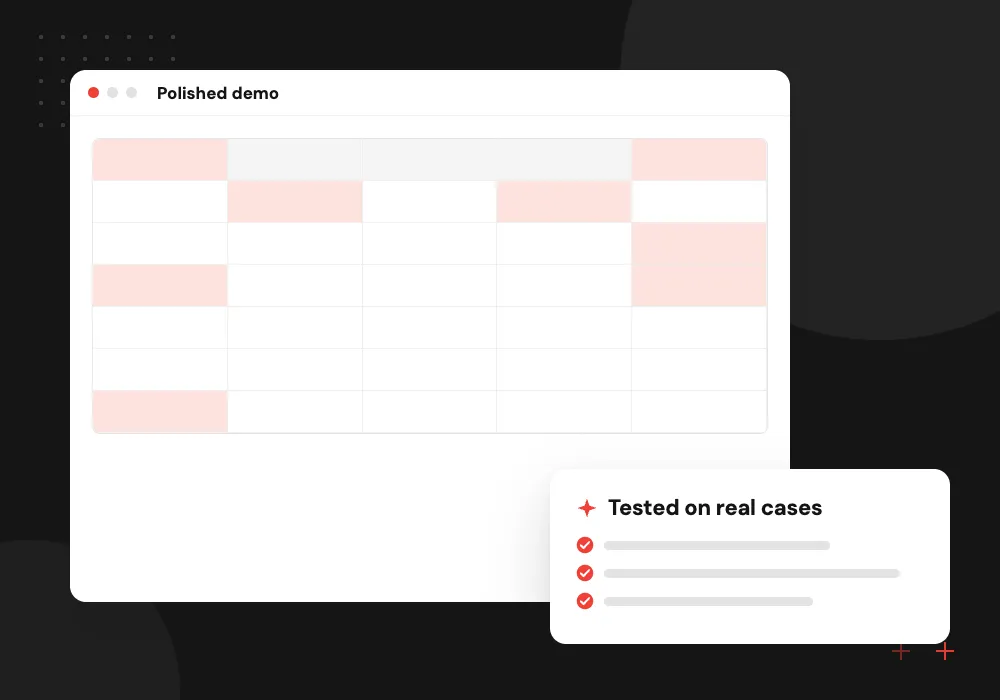
Testing on your cases
Ask how they measure accuracy. Look for an evaluation set drawn from your past requests and a pass mark your own team agrees.
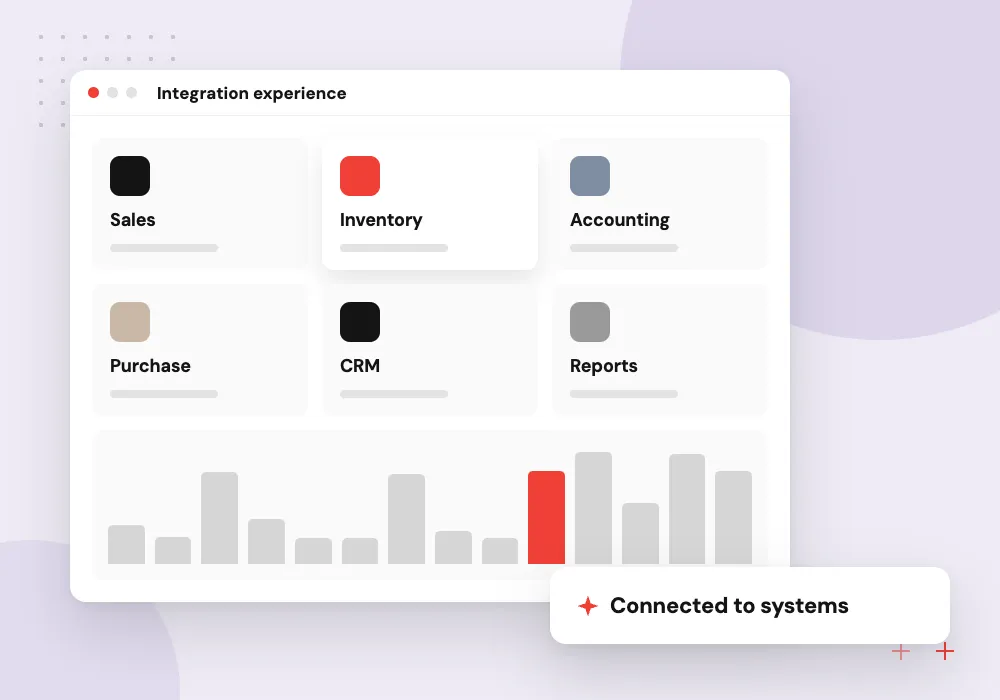
Integration experience
Much of the effort sits in connecting the CRM, ERP, inbox or help desk. Ask which of your systems they have connected before.
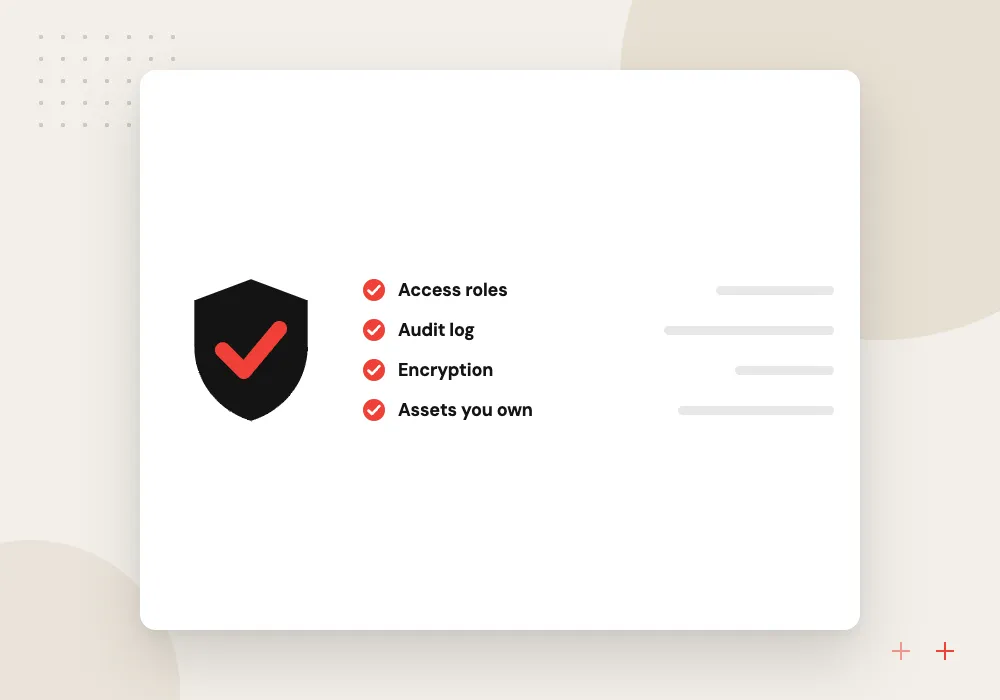
Clear ownership terms
The contract should say who owns code, prompts, evaluation data and settings, and how you receive them if you change firms.
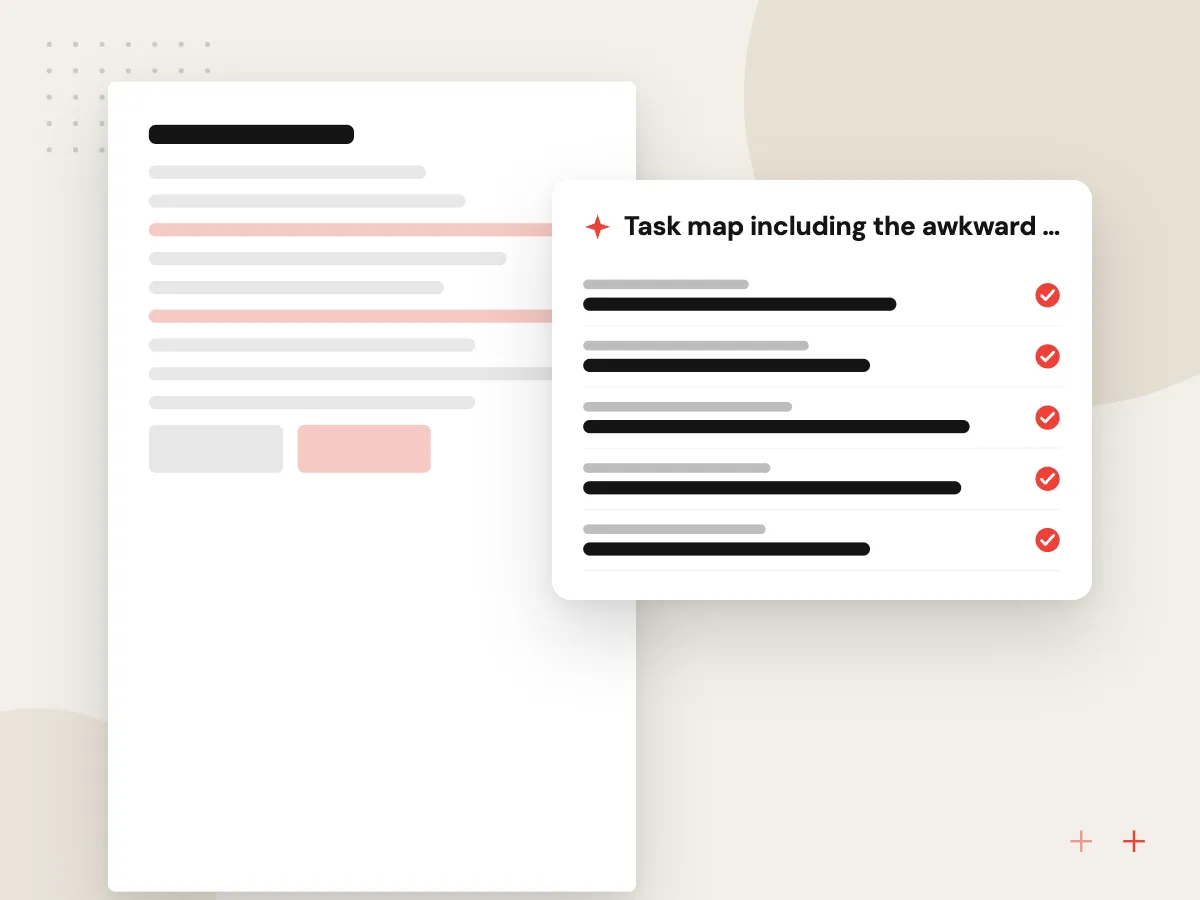
What a good discovery phase shows you
Discovery is the cheapest way to test a firm before a full build. Over a short engagement you see how it questions your staff, treats your documents and writes up what it found. The output should still be useful if you hire someone else to build.
What we do
- Task map including the awkward exceptions
- Real cases paired with correct outcomes
- Systems, accounts and access needed
- Open risks and unanswered questions
- Phased plan for a first release
Where AI firms differ most
Two firms can use the same model and deliver very different results. The gap sits in the work around the model: versioned instructions, answer checks, the connection to your data and monitoring once staff depend on it.
What we do
- Prompts kept under version control
- Evaluation runs before each release
- Integrations with error handling
- Monitoring and alerting after launch
- Handover documentation for your team

How we approach a project
Check engineering habits. Ask how the firm reviews code, versions prompts, logs model calls and retests when a provider updates a model. The NIST SSDF profile for generative AI is a useful list to raise, and our questions to ask an AI vendor give the wording.
Read the contract closely. Ownership of code and data, confidentiality, who pays for model usage and what support looks like after launch should all be on paper. Our security and IP page sets out how we handle those terms. For a second view of your shortlist, our contact page sets up a 30-minute conversation with the team.
How we work
- Process questions before model talk
- Proof on your own examples
- Ownership and support in writing
Our Process
-

Write a one-page brief
Describe the task, the systems it touches, the data involved and the result you expect, in plain words.
-

Shortlist and interview
Talk to a handful of firms and note which ones ask about exceptions and handoffs rather than leading with model names.
-

Pay for a small discovery
Commission a scoped discovery or prototype from your top choice, run on a sample of your real documents.
-

Decide on evidence
Compare what discovery produced, the proposed tests and the contract terms, then commit to a first release.
How Aranv helps you choose
We start with your process
Our first questions are about who does the work today, which systems hold the data and where exceptions appear. Model choice comes later, and only if AI suits the task.
We say when not to build
If a feature already inside your CRM, help desk or office suite covers the task, we tell you before any custom build is scoped.
Discovery you can take elsewhere
The discovery output is written for your team: a scope, sample cases and a risk list you can use to compare other firms if you choose to.
Ownership agreed up front
The contract states who owns code, prompts and evaluation data before work begins, so moving to another team later stays practical.
Ready to act on this guide?
Ask our team in a 30-minute conversation.
Or see how we build it: Explore all services
Choosing an AI development company: FAQs
-
What should I look for in an AI development company?
Look for a team that starts with your workflow, tests on your own examples, connects AI to the systems you already run and writes ownership and support terms into the contract. Relevant past work matters more than the size of the firm or the number of models it mentions.
-
Should I hire an AI agency or a freelancer?
A freelancer can suit a contained prompt or prototype. An agency suits work that touches several systems, needs structured testing and must be supported after launch, because more than one person knows the code. Ask either option who covers the work when someone is away.
-
How do I compare AI development proposals?
Put them against the same brief. Check what each includes for discovery, integrations, testing, monitoring and support, and what each leaves out. A lower figure that skips evaluation or handover often costs more once the system is live.
-
Is a paid discovery phase worth it?
Usually, yes. It shows how the firm works with your staff and data before you commit to a full build, and it leaves you a scope you could take to another firm.
-
What are red flags when hiring an AI firm?
Quoting a full build before seeing your data, promising a fixed accuracy figure, refusing to say which model or provider sits underneath, or keeping ownership of prompts and code. Be wary too when nobody asks how mistakes will be caught.

Let’s talk about your next step
Contact Aranv to discuss your workflow, current tools, and goals. Meet with our team or send an inquiry.
Book a meeting with our team
Choose an available date and time for a 30-minute conversation about your project.
Tell us about your project
Share a few details so we can discuss a useful next step.
Prefer email? sales@aranv.com