


What Azure OpenAI development includes
Aranv provides Azure OpenAI development for American SMBs that run on Microsoft: OpenAI models deployed in your own Azure subscription through Microsoft Foundry, connected to SharePoint, Dynamics 365, SQL and Teams, and secured with Entra ID, private endpoints and the Azure policies your IT team already enforces.
Azure OpenAI gives you OpenAI models hosted by Microsoft and managed through Microsoft Foundry, previously called Azure AI Foundry. Microsoft’s data privacy documentation says prompts and completions are not available to OpenAI and are not used to train foundation models without your permission. If you do not need Azure’s controls, direct OpenAI API integration is simpler.
The deployment type decides where requests are processed. Standard deployments stay in the chosen geography, US DataZone deployments may process anywhere within the United States, and Global deployments can run wherever the model is offered. We match the choice to your data rules and capacity, and plan quotas before launch.
Azure OpenAI inside your subscription
Models, data and identity in one tenant
- 01 Create the Foundry resource A Foundry resource is set up in your chosen subscription and region.
- 02 Deploy the right model We pick a deployment type that matches your data location rules and traffic.
- 03 Connect data through identity Managed identities reach Azure AI Search, SQL and storage without keys in code.
- 04 Serve users over private paths Apps, Teams bots and APIs call the model through private endpoints with logging on.
Azure AI Foundry now goes by Microsoft Foundry, where Azure OpenAI models sit among the models sold by Azure.
Azure OpenAI integration projects
Most requests come from companies whose files, users and security rules already live in Microsoft 365 and Azure.
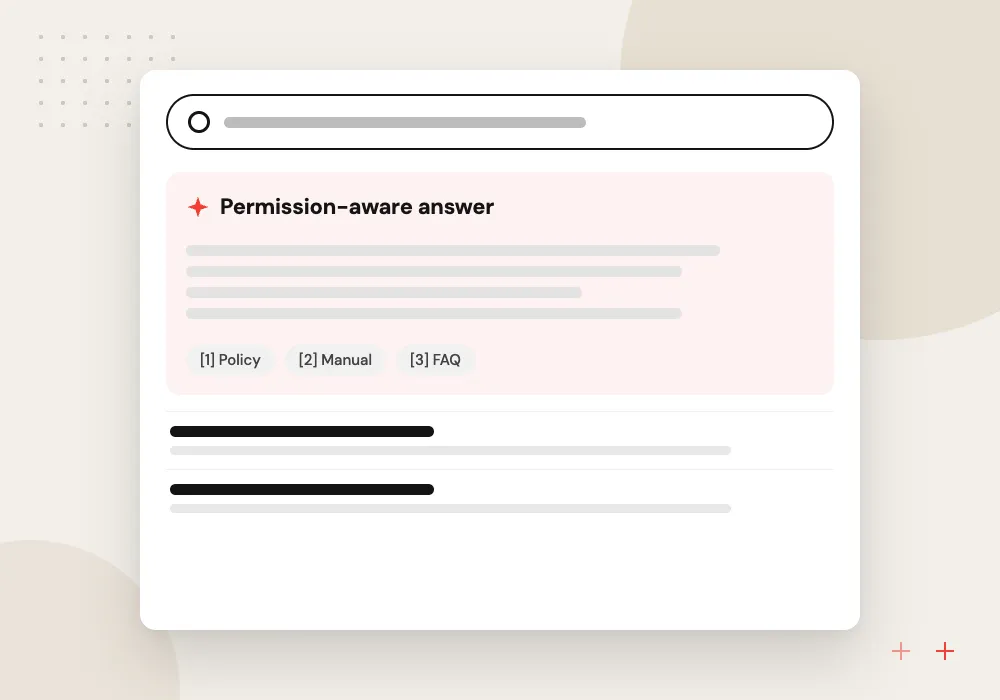
SharePoint and policy search
Employees ask about handbooks, procedures and project files in SharePoint and get answers drawn only from documents they are already allowed to open.
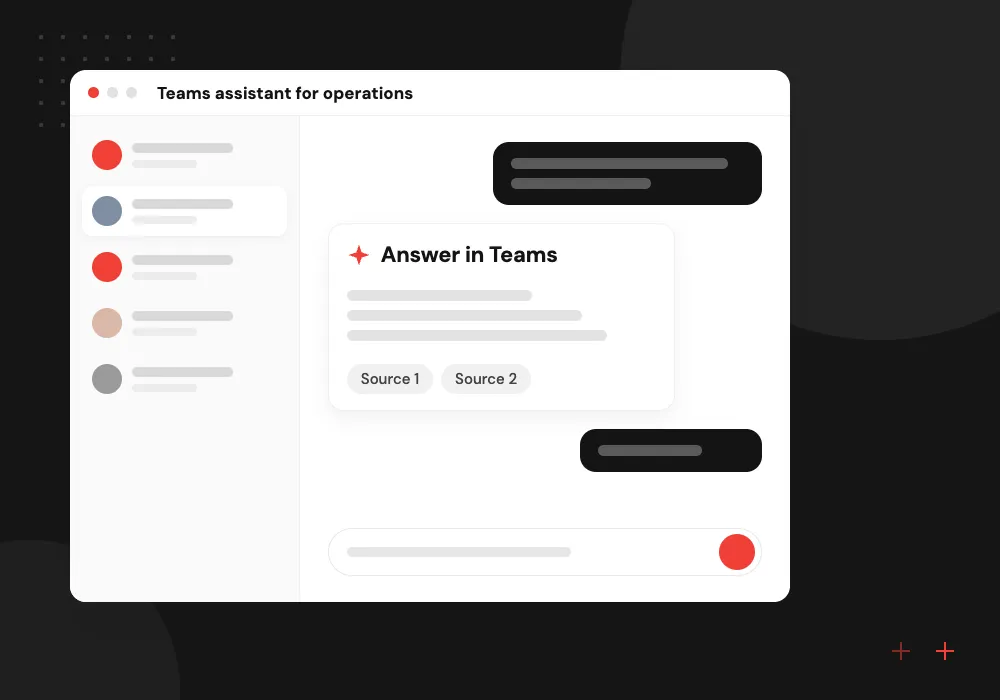
Teams assistant for operations
A bot in Microsoft Teams answers operations questions, opens tickets and posts summaries, acting under each user’s Entra ID sign-in.
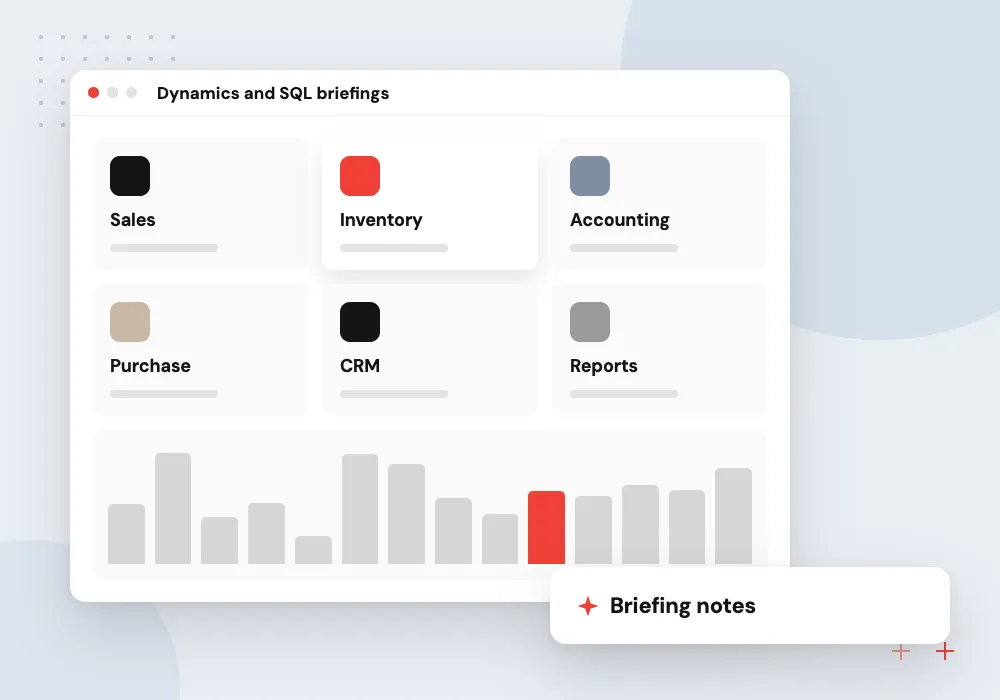
Dynamics and SQL briefings
Account history, open orders and service cases from Dynamics 365 or SQL Server are summarized before calls, renewals and quarterly reviews.
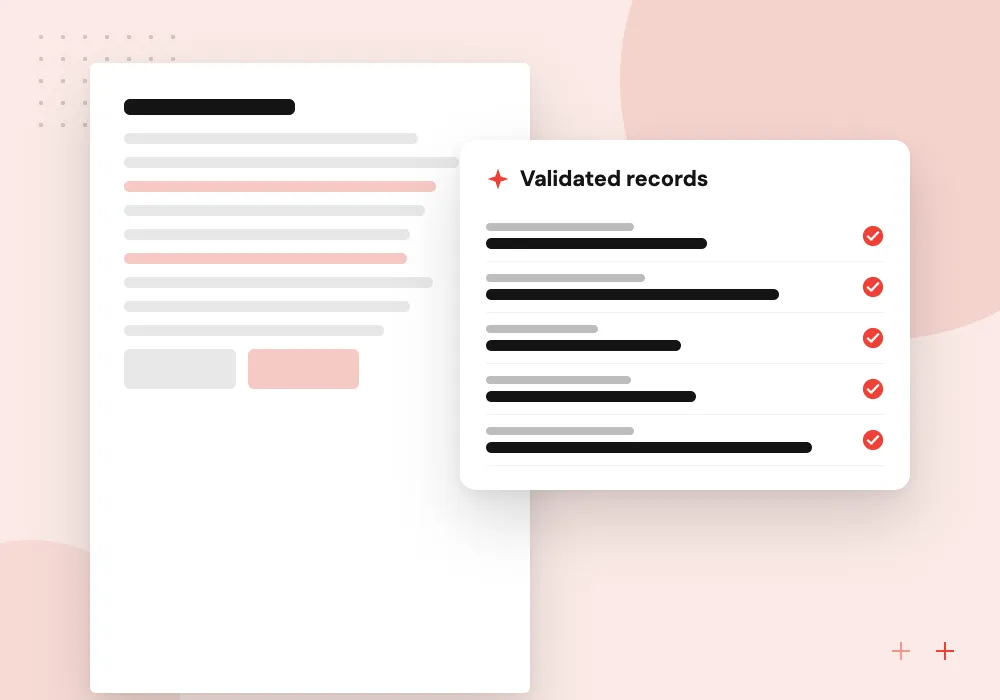
Document intake in Azure
Invoices, claims and applications are read with OCR in Azure, checked by a GPT model against your rules and saved to your line-of-business system.
Private networking and identity setup
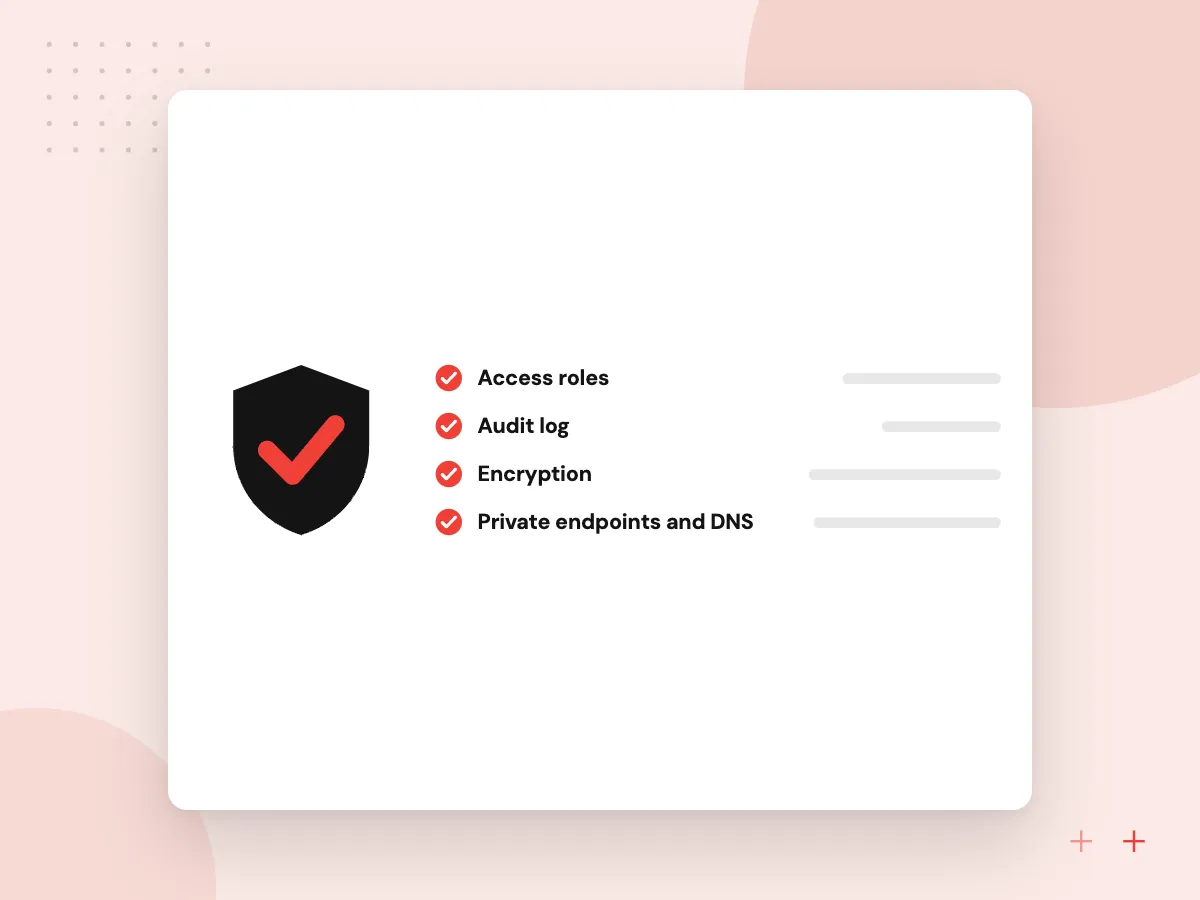
Much of the security work on an Azure OpenAI project is configuration. We place the Foundry resource behind private endpoints, give each app a managed identity instead of keys, keep remaining secrets in Key Vault and send logs to Azure Monitor.
What we do
- Private endpoints and DNS
- Managed identity per app
- Key Vault for leftover secrets
- Diagnostic logs to Azure Monitor
- Bicep or Terraform templates
Permission-aware search over your files
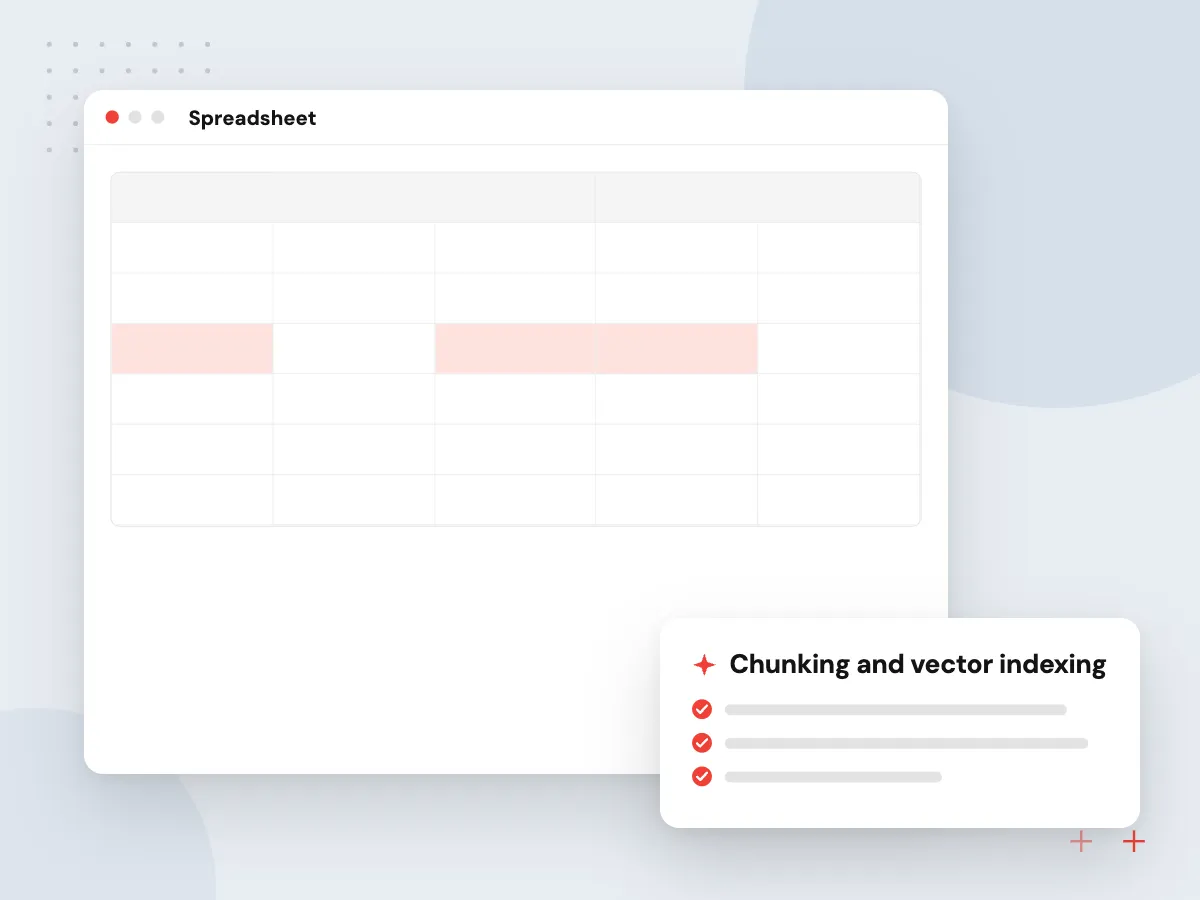
Answers only help if they respect who may see what. We index SharePoint, Blob Storage and SQL content with Azure AI Search, carry document permissions into the index and test with accounts from different departments before release.
What we do
- Chunking and vector indexing
- Hybrid keyword and vector queries
- Document-level permission trimming
- Test accounts per department
- Links back to source files

How we approach a project
Security uses tools your IT team already manages: Entra ID roles, managed identities, private endpoints, Key Vault and Azure Monitor. Microsoft’s Guardrails, formerly called content filters, screen prompts and outputs, and we tune them for your use case. Wider platform work sits with our Azure development services.
For Microsoft 365 users the front end is often Teams. We build custom bots through Microsoft Teams bot development, or use Copilot Studio when a low-code agent fits and your staff will maintain it. Back ends are usually written in .NET or Python.
How we work
- Inside your tenant and policies
- Identities instead of shared keys
- Guardrails tuned to the job
Our Process
-

Review the tenant and data
We check subscriptions, regions, network rules and where source data sits in Microsoft 365 or Azure.
-

Lay down the foundation
Foundry resource, private networking, identities, logging and budgets are created as infrastructure code.
-

Build the first use case
Search index, prompts, tools and front end are built and tested on your own documents.
-

Hand over to IT
Your IT team receives runbooks, access reviews and dashboards, with our support for updates and new models.
Why Aranv for Azure OpenAI
Fits your Microsoft estate
We work inside your existing subscriptions, policies and naming rules, so the AI resources look like the rest of your Azure environment to your IT team.
Infrastructure your team can review
Networking, identities and deployments are written in Bicep or Terraform, so every change is reviewed, repeatable and easy to audit.
Data location settled early
Deployment type and region are agreed before building, so processing location matches your contracts and the commitments you make to customers.
Guardrails set for your work
Content filtering and blocklists are tuned to your industry and tested with real prompts, so staff are not blocked from ordinary tasks.
Planning Azure OpenAI Development?
Book a 30-minute conversation with the team that would build it.
Azure OpenAI FAQs
-
What is the difference between Azure OpenAI and the OpenAI API?
Both give access to OpenAI models. Azure OpenAI runs them in Microsoft’s cloud under your Azure agreement, with Entra ID, private networking, regional deployment choices and Azure billing. The OpenAI API is operated by OpenAI and often gets new features first. The code is similar, so the choice rests on contracts, controls and timing.
-
Is Azure AI Foundry the same as Microsoft Foundry?
Yes. Microsoft now uses the name Microsoft Foundry for the platform previously called Azure AI Foundry. Azure OpenAI models are deployed and managed there alongside other models Microsoft sells.
-
Can OpenAI or Microsoft read our prompts?
Microsoft states that prompts and completions are not available to OpenAI or to other customers and are not used to train foundation models without permission. Its abuse monitoring may store some content for review unless your organization is approved for modified monitoring, so we go through those settings with your compliance lead.
-
Can Azure OpenAI answer from our SharePoint files?
Yes. We index SharePoint, Blob Storage or SQL content with Azure AI Search and pass only the relevant passages to the model. Permission trimming keeps each answer limited to documents that user may see.
-
How are Azure OpenAI quotas and costs handled?
Usage is billed through your Azure subscription, either per token or as reserved capacity, and every deployment has rate limits. We estimate traffic, choose the billing option and set Azure budgets and alerts so finance can see the spend.

Let’s talk about your next step
Contact Aranv to discuss your workflow, current tools, and goals. Meet with our team or send an inquiry.
Book a meeting with our team
Choose an available date and time for a 30-minute conversation about your project.
Tell us about your project
Share a few details so we can discuss a useful next step.
Prefer email? sales@aranv.com