


What hiring app developers through Aranv covers
Aranv lets small and midsize US companies hire app developers for iOS, Android, Flutter and React Native, along with back end, QA and UI and UX roles, as a project team for a set scope, a dedicated developer or team, or engineers who join your in-house staff.
We start with the work, not a stack of resumes. After reading your backlog and code, we suggest the fewest roles that can move the app forward. No app yet? See our mobile app development page.
Swift engineers handle iOS app development and Kotlin engineers handle Android app development. When one codebase should serve both stores, we staff Flutter developers or React Native developers, matched to the code you already have.
How hiring app developers works with Aranv
From hiring brief to shipped build
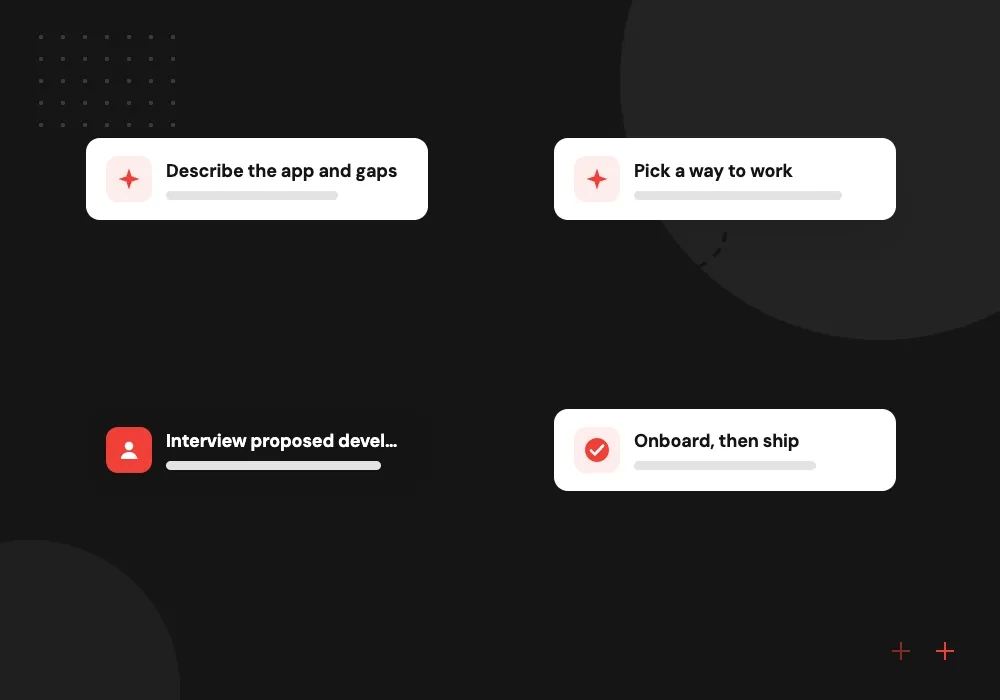
- 01 Describe the app and gaps Platforms, current code, store accounts and the skills your team lacks today.
- 02 Pick a way to work A scoped project, a dedicated developer or team, or engineers joining your staff.
- 03 Interview proposed developers For dedicated and added roles, you question each candidate and approve who starts.
- 04 Onboard, then ship Repository and store console access, a code walkthrough, then the first small fixes.
The role mix follows your platforms and backlog, and can change with agreed notice.
Ways to hire mobile app developers with Aranv
Choose by who leads the work day to day and how long the app needs steady engineering.
Project team, set scope
A first release or a rebuild planned screen by screen, then built, tested and handed over with code and documentation.
Dedicated developer or team
One engineer or a full squad with a delivery lead and QA, assigned full time to your app and steered by your priorities every sprint.
Developers added to your team
Swift, Kotlin or Flutter engineers join your standups, take tickets from your board and follow your review rules under your own lead.
AI features in your app
Engineers who add an in-app support assistant, photo or document reading, or plain-language search, each with its own test set and usage cost tracking.
App developers for hire, by role
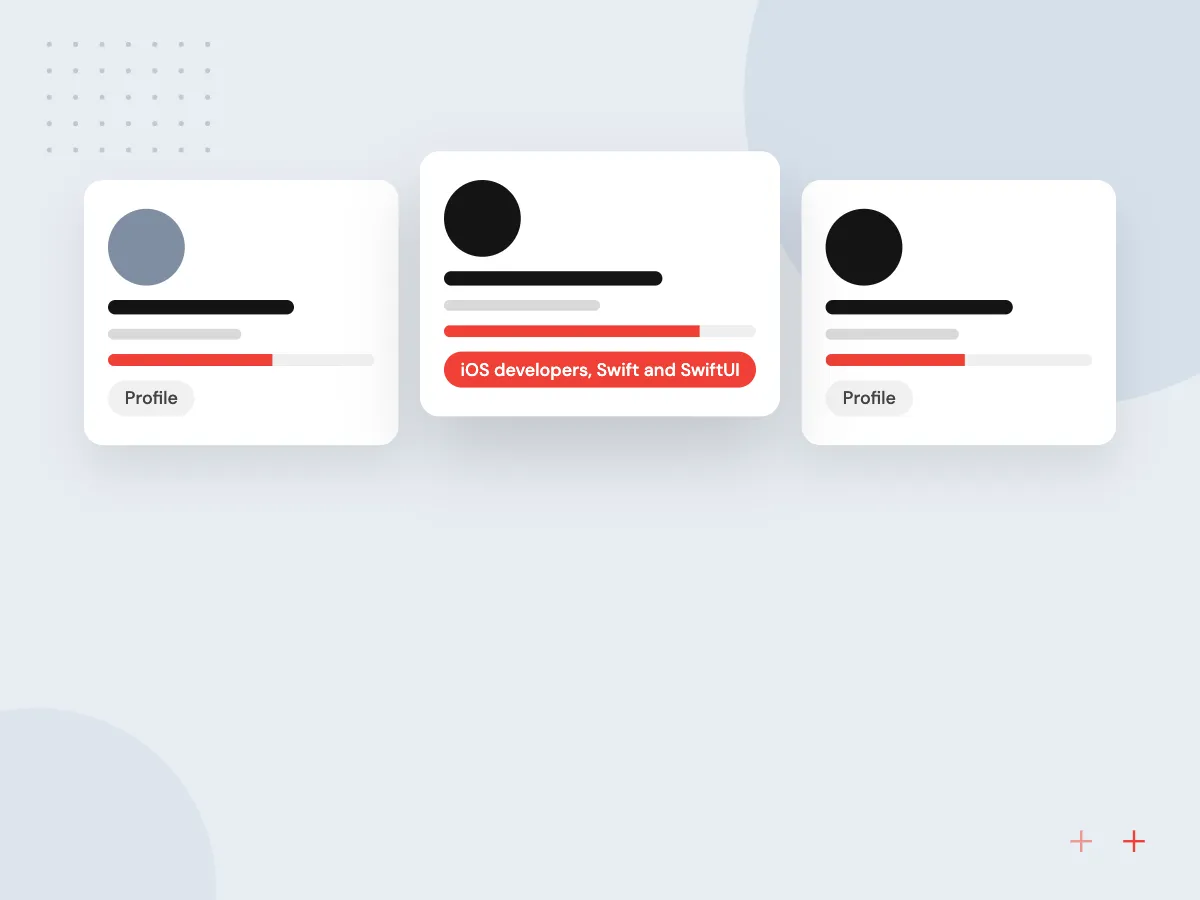
Most apps need more than one skill. We staff the mix yours calls for: native or cross-platform mobile engineers, back end developers for APIs, testers on real devices and designers for the screens.
What we do
- iOS developers, Swift and SwiftUI
- Android developers, Kotlin and Compose
- Flutter and React Native developers
- Back end and API developers
- QA engineers for real devices
- UI and UX designers
Checks before you hire a mobile developer
Whoever you hire, install apps they shipped and ask what they built themselves. Settle in writing who owns the code and store accounts. Ask how keys and user data are protected, how many hours overlap with yours, and who submits each release.
What we do
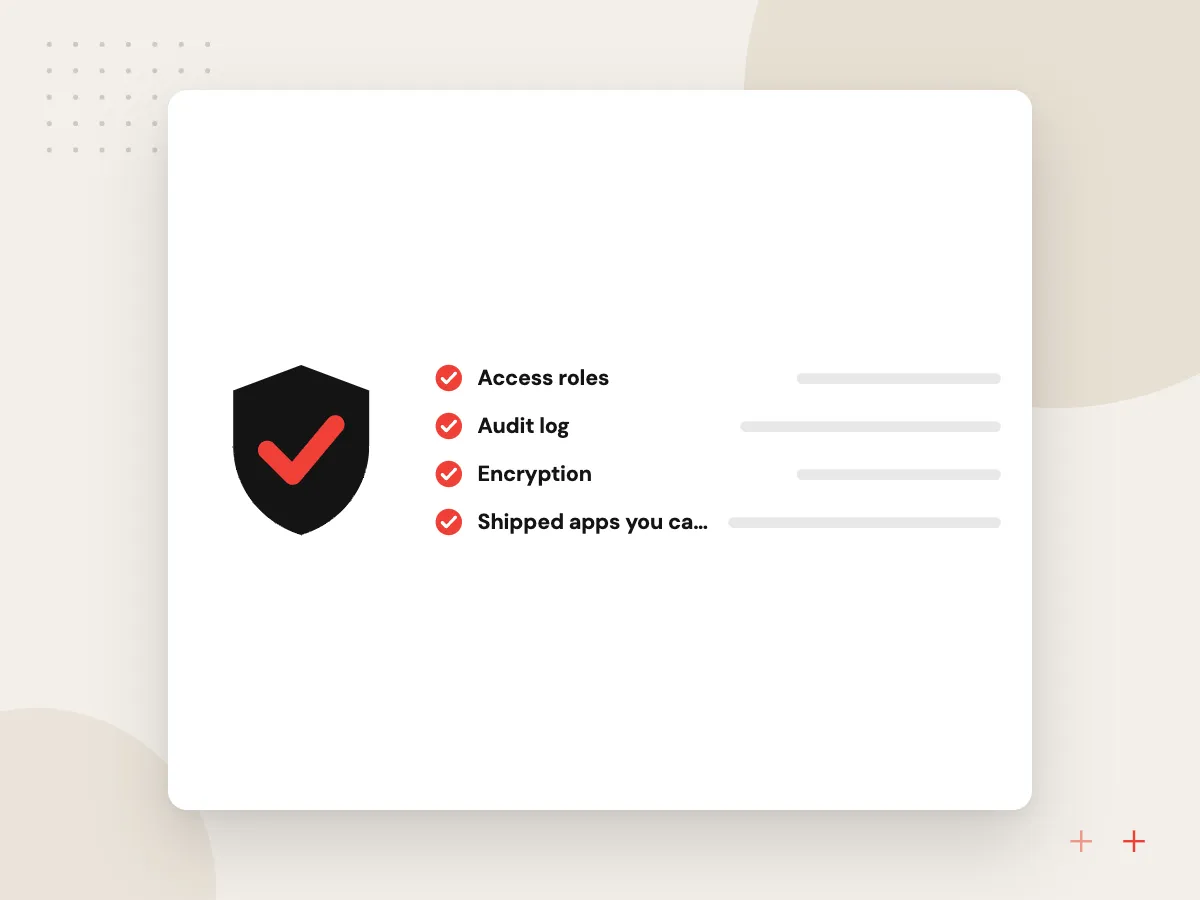
- Shipped apps you can download
- Code ownership written into the contract
- Store accounts held by your company
- Secrets kept out of the repository
- Daily overlap with US business hours
- A named owner for every release
How we approach a project
For ongoing work, a developer or a whole squad is assigned to your app full time, while recruiting, payroll and equipment stay with us. Our dedicated teams page covers interviews, onboarding and resizing. Still deciding? Read dedicated teams versus freelancers and in-house versus outsourced development.
Treat store accounts like source code. Apple expects the person who enrolls an organization to have authority to bind it to agreements, and it lists the organization as the seller (see Apple Developer Program enrollment). We recommend your company holds the Apple and Google Play accounts and adds our developers as users. The security, NDA and IP page sets out how the contract assigns ownership.
Developers’ schedules are planned to overlap with US business hours. Tell us about your app in a 30-minute conversation you book on our contact page.
How we work
- You approve each developer before day one
- Code and store accounts in your name
- Hours that overlap with your day
Our Process
-

App and code review
We study your store listing, repository and backlog, then name the roles and seniority needed.
-

Shortlist and technical interviews
You test proposed developers on your own problems, such as an offline sync bug or a checkout screen.
-

Accounts and first tickets
Permissions are granted, a senior engineer explains the architecture, and early tickets are small fixes.
-

Monthly review and releases
Each month we go over shipped builds, crash reports and team mix with you, then plan the next releases.
Why Aranv for app developers
You choose who joins
For dedicated and added roles, you interview each proposed engineer on your own stack and decide who starts. Replacements face the same interview.
Work visible in your tools
Commits, pull requests and tickets land in your repository and tracker from the first week, so you never wait on a status report.
Releases you can follow
On a dedicated team, the delivery lead plans sprints with your product owner, sends a weekly note on shipped and stuck work, and writes release notes for every build.
Changes without lost knowledge
A new role starts with a profile and an interview. When a role ends, notice is agreed in advance and written handover notes stay with the product.
Planning Hire App Developers?
Book a 30-minute conversation with the team that would build it.
Hiring app developers: FAQs
-
What does it cost to hire app developers?
It depends on the roles, their seniority, the platforms and the overlap you need with your working day. After we review your app and backlog, you get a written estimate per role or for the defined project, ready to compare with hiring in-house.
-
Should I hire a freelancer or an app development team?
A freelancer suits a small, well-defined task you can review yourself, such as one new screen. A team suits an app that needs regular releases, device testing, back end work and one accountable party when a store review fails.
-
Do I need separate iOS and Android developers?
Not always. Apps built around deep platform features, such as widgets or background processing, are often simpler with native Swift and Kotlin developers. If both apps share most screens and logic, one Flutter or React Native team can maintain a single codebase.
-
Who owns the app, the code and the store accounts?
You should. The contract settles ownership before any work starts, and we recommend repositories your company controls. Keep the Apple and Google Play accounts in your company’s name with our developers added as users, so changing vendors does not mean transferring the app.
-
Do your app developers use AI coding tools?
Yes, where you allow it. You decide which AI coding assistants are allowed near your code and with what settings. Their suggestions pass through the same pull request review and automated tests as hand-written code, and the developer who opens the request answers for it.

Let’s talk about your next step
Contact Aranv to discuss your workflow, current tools, and goals. Meet with our team or send an inquiry.
Book a meeting with our team
Choose an available date and time for a 30-minute conversation about your project.
Tell us about your project
Share a few details so we can discuss a useful next step.
Prefer email? sales@aranv.com