


How to decide between a chatbot and an AI agent
Aranv’s short answer on AI agent vs chatbot: a chatbot holds a conversation and answers questions, while an AI agent works toward a goal by choosing steps and using tools such as your CRM or order system. Pick a chatbot for answers and an agent when the task needs actions.
Ask what should be true when the conversation ends. If the customer or employee only needs information, such as opening hours, a return policy or the steps in a procedure, a chatbot built on your content is enough and is simpler to run. Our AI chatbot development work starts there.
If the conversation must end with something done, such as a booking made, a refund issued or a ticket filed with the right details, you need an agent that can use tools. AI agent development covers agents with one job, and multi-agent systems split larger processes between several agents with a person at the key decision.
The same request handled two ways
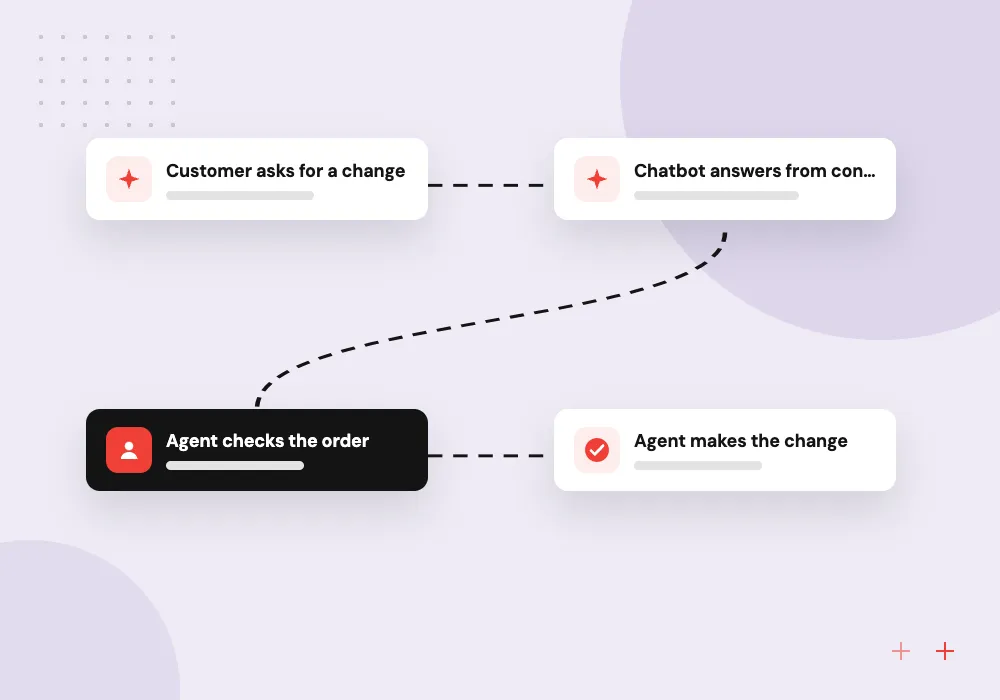
One customer request, two designs
- 01 Customer asks for a change A shopper wants a new delivery address on an order placed yesterday.
- 02 Chatbot answers from content It explains the address-change policy and links to the form or a person.
- 03 Agent checks the order It finds the order, confirms it has not shipped and validates the new address.
- 04 Agent makes the change It updates the order within set limits and logs each step for staff.
Both designs can pass a conversation to a person when a request falls outside their limits.
Four differences that matter
Both run on a language model and can look alike in a chat window. Here is where they differ in practice.
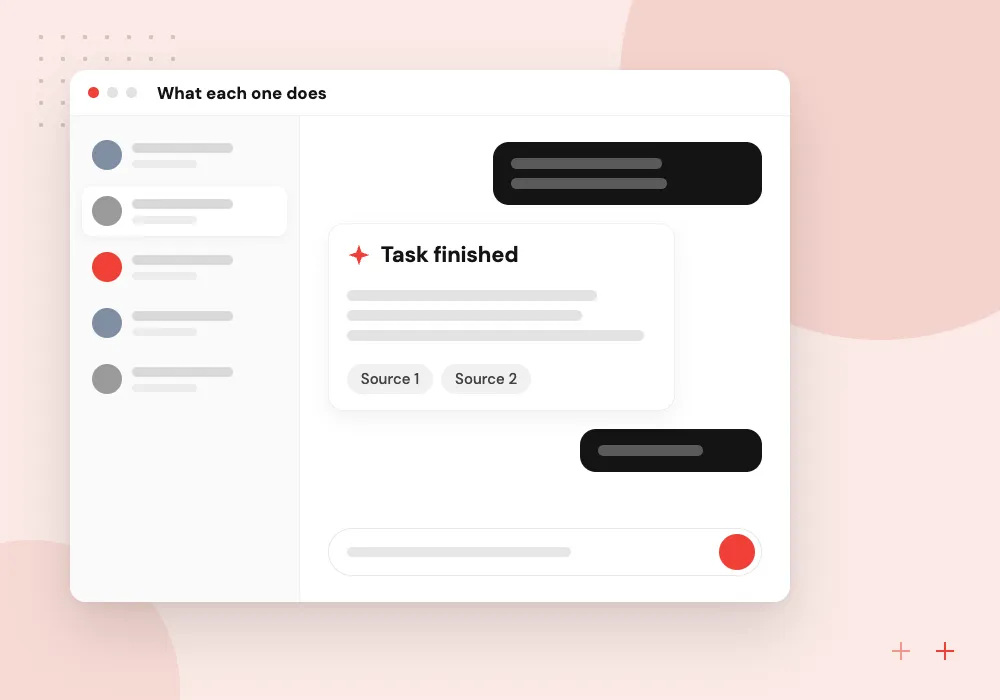
What each one does
A chatbot replies to messages from approved content. An agent pursues a goal, deciding which step comes next until the task is done or handed off.
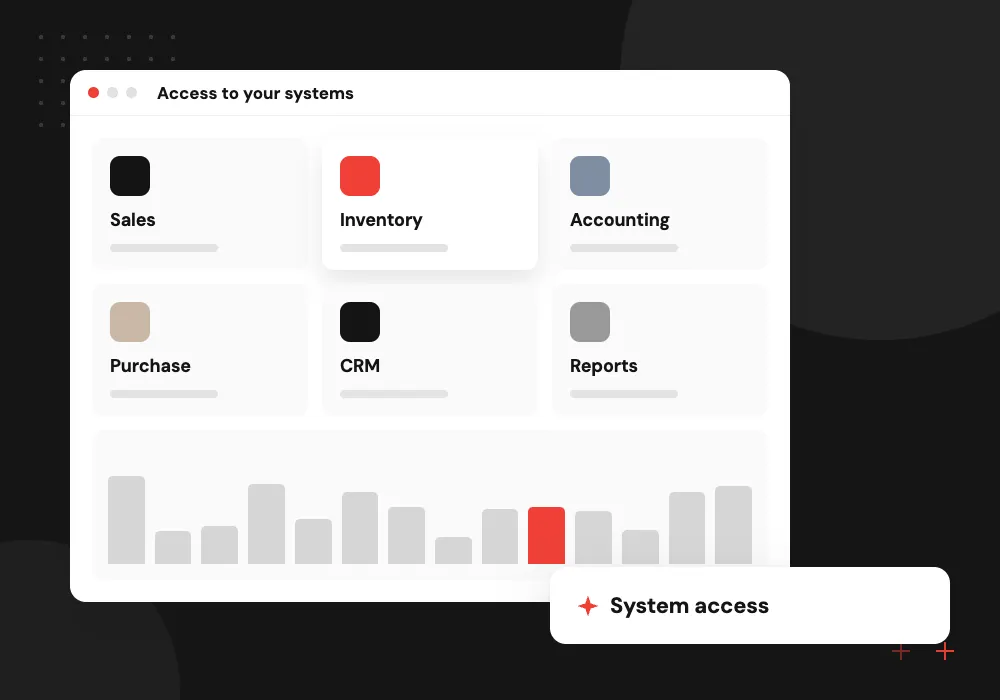
Access to your systems
A chatbot usually reads help articles or FAQs. An agent needs credentials to read and write records in tools such as a CRM, ERP or helpdesk.
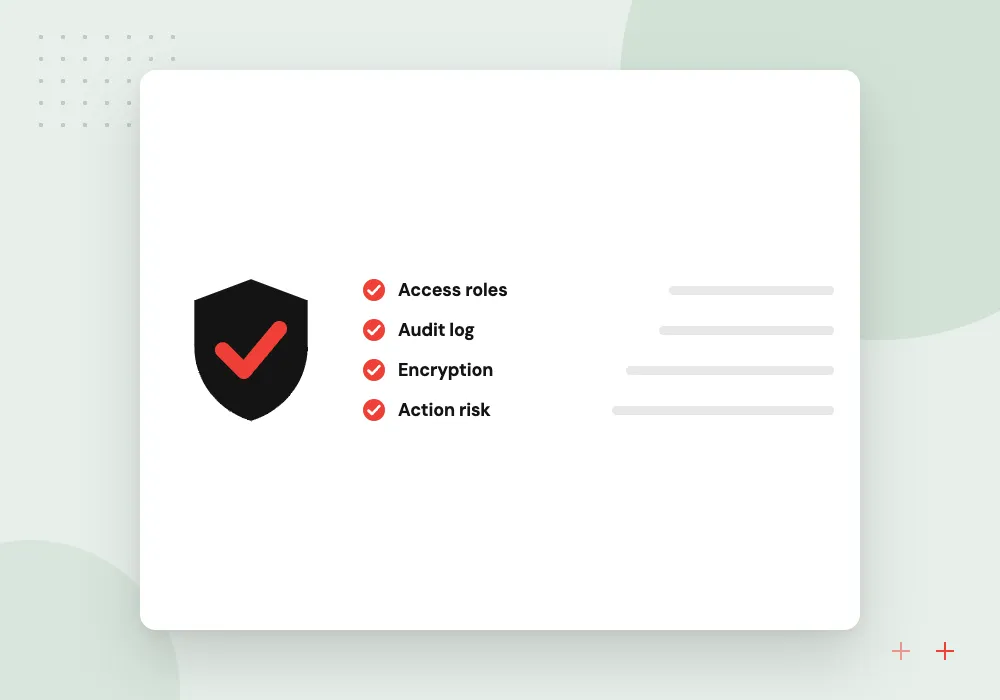
Risk and review
A wrong chatbot answer misleads one customer. A wrong agent action changes data, so agents need limits, logs and approval steps for costly actions.
Build and testing effort
Chatbots are tested on answer quality. Agents also need tests for every tool, every failure path and the handoff to staff, which lengthens the build.
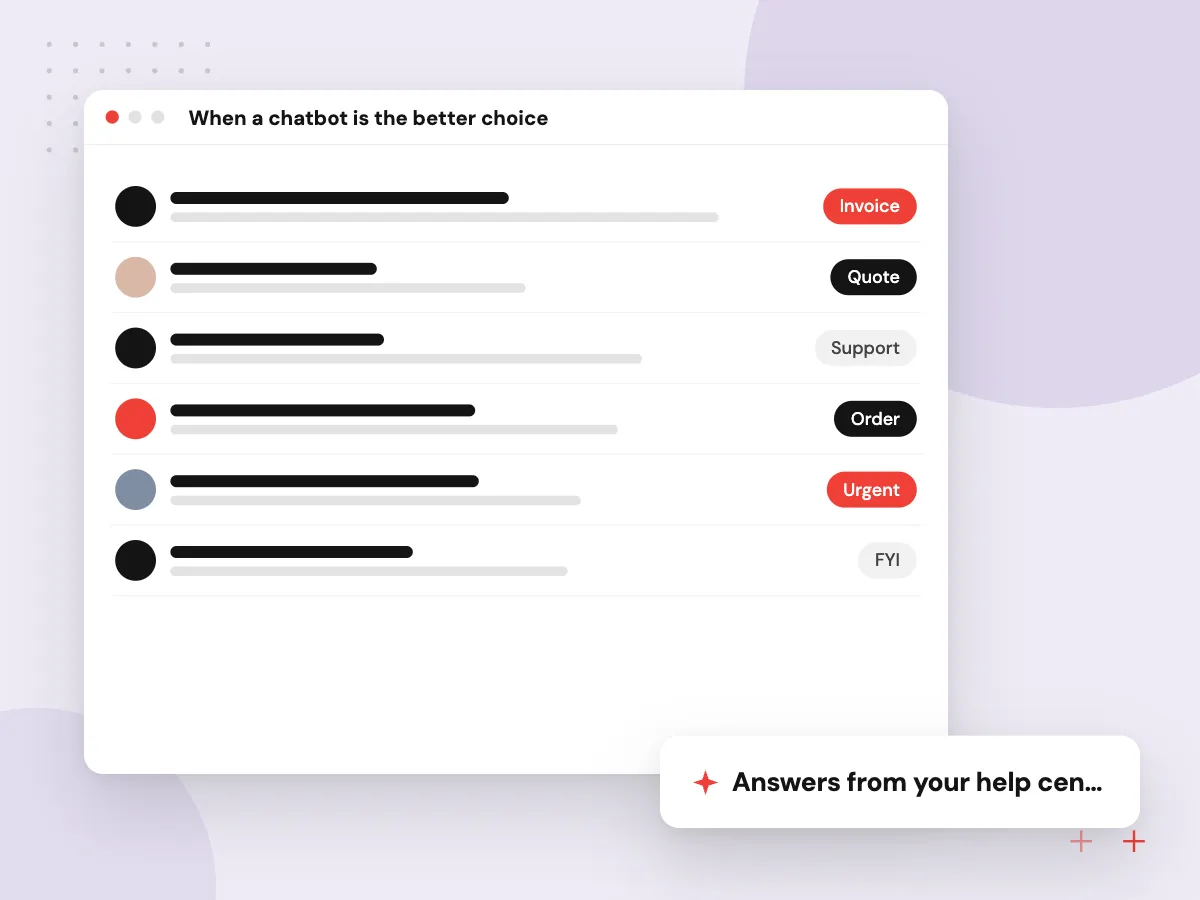
When a chatbot is the better choice
A chatbot fits when most requests are questions with stable answers: policies, hours, product details, how-to steps. It launches sooner, is easier to test against known questions and carries less risk, because the worst case is a wrong answer a person can correct.
What we do
- Answers from your help center
- Clear handoff to staff
- Tested against real questions
- No write access to records
- Weekly transcript review
When an agent is worth the extra work
An agent fits when requests repeat, follow known rules and end in a system change: moving a visit, issuing a small credit, creating a return label. The value comes from finishing the job, and the cost comes from the access, tests and monitoring that finishing safely requires.
What we do
- Tool access scoped per action
- Spending and change limits
- Approval step for exceptions
- Complete action log
- Tests on past cases

How we approach a project
Many teams begin with a chatbot and add actions later. A support assistant might answer from the help center first, then gain an order-status lookup, then permission to issue small refunds. Each step adds access, so each gets its own tests. Customer service automation often grows that way.
Anthropic’s engineers draw a similar line in their note on building effective agents: workflows follow code paths fixed in advance, while agents direct their own steps. The more freedom software has, the more checks it needs, which is why the AI agent security checklist is worth reading before any agent goes live.
How we work
- Start with the job, not the label
- Grant only the access a task needs
- Keep a person on costly decisions
Our Process
-

List the requests
Pull a month of chat logs, emails or tickets and group them by what the person wanted.
-

Split answers from actions
Mark which requests needed only information and which needed a change in some system.
-

Check the systems
For action requests, confirm each system has an API and decide what software may change without a person.
-

Pilot the smallest version
Launch the chatbot or a single-tool agent on one channel and read the transcripts every week.
How Aranv helps you choose
We start from your requests
We read a sample of your real chats, emails or tickets and count how many are questions and how many are tasks before recommending a design.
The simpler option first
If a chatbot handles most requests well, we build that first and plan agent features as a later phase, rather than granting access you do not need yet.
Limits agreed in writing
For agents, we agree with you which actions it may take alone, which need approval and which are off-limits, and we document those rules.
Testing on past cases
Before launch, we replay past requests through the chatbot or agent and review its answers and actions with your team.
Ready to act on this guide?
Ask our team in a 30-minute conversation.
Or see how we build it: Explore all services
AI agent vs chatbot FAQs
-
Is ChatGPT a chatbot or an AI agent?
It can be either. In a plain conversation it works as a chatbot. When it is allowed to browse, run code or use connected apps to finish a task, it behaves as an agent. The label depends on what the software may do, not on the model behind it.
-
Is an AI agent more expensive to build than a chatbot?
Usually, because an agent needs connections to your systems, permission rules, tests for each action and monitoring of what it changed. A chatbot answering from approved content has fewer moving parts. Our AI agent development cost guide explains the drivers.
-
Can a chatbot be upgraded into an AI agent later?
Yes, if it is designed with that in mind. Keep the conversation layer separate from the content, and give each future action its own tool with clear limits. Adding an order lookup or a booking step then becomes an extension rather than a rebuild.
-
Is it safe to give an AI agent access to our systems?
It can be, with limits. Give the agent its own account with the narrowest permissions, cap what it may change without approval, log every action and test it on past cases first. Begin with read-only access and add write access one action at a time.
-
Should we tell customers the assistant is AI?
Yes. Say so in the first message and answer honestly whenever someone asks. Some US states have rules on disclosing bots in sales conversations, so check what applies to your channels with your attorney. Treat this as general information rather than legal advice.

Let’s talk about your next step
Contact Aranv to discuss your workflow, current tools, and goals. Meet with our team or send an inquiry.
Book a meeting with our team
Choose an available date and time for a 30-minute conversation about your project.
Tell us about your project
Share a few details so we can discuss a useful next step.
Prefer email? sales@aranv.com