


How AI claims processing fits your claims system
Aranv builds AI claims processing for US insurance carriers, MGAs, agencies and third-party administrators. A loss is reported by phone, email or web form; the system captures the facts, reads photos and documents, checks the policy and routes a complete file to the right adjuster, who makes every coverage and payment decision.
Claims work lives in a core platform, often Guidewire, Duck Creek or a system built in-house, plus email and phone. We build intake and reading as services that write into that platform through its API, so adjusters keep their usual screens. Phone reports can go to an AI receptionist that hands complex or distressed callers to staff.
Documents make up most of the work. Estimates, bills and reports are classified, read and checked against the claim: dates inside the policy period, amounts that add up, names that match the parties. That pipeline shares its parts with our AI document processing service.
A claim’s first days, with AI doing the paperwork
From first notice of loss to assigned adjuster
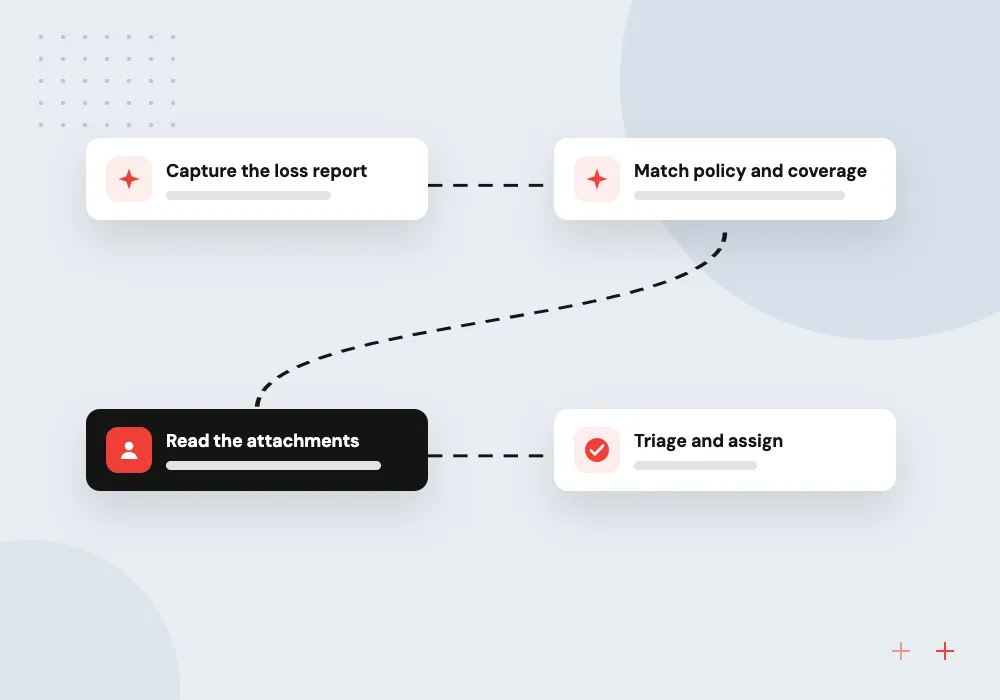
- 01 Capture the loss report Calls, emails and web forms become one record with date, location and parties.
- 02 Match policy and coverage The policy is found, its status and limits checked and open coverage questions listed.
- 03 Read the attachments Police reports, repair estimates, invoices and photos are read and summarized for the file.
- 04 Triage and assign Severity, complexity and fraud indicators decide the queue and the adjuster.
The system prepares and routes claims; it never denies, settles or pays one.
Insurance claims automation, step by step
Adjusters lose days gathering facts before they can assess a loss. These jobs hand that gathering to software.
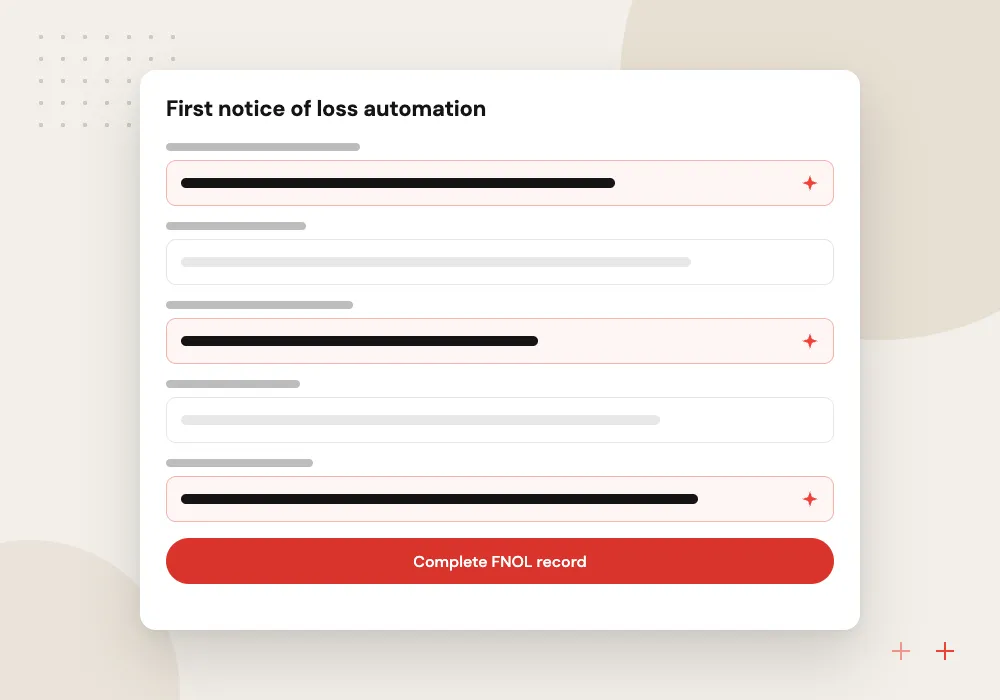
First notice of loss automation
A guided web form, email reader or voice agent collects what happened, when, where and who was involved, and follows up on missing details.
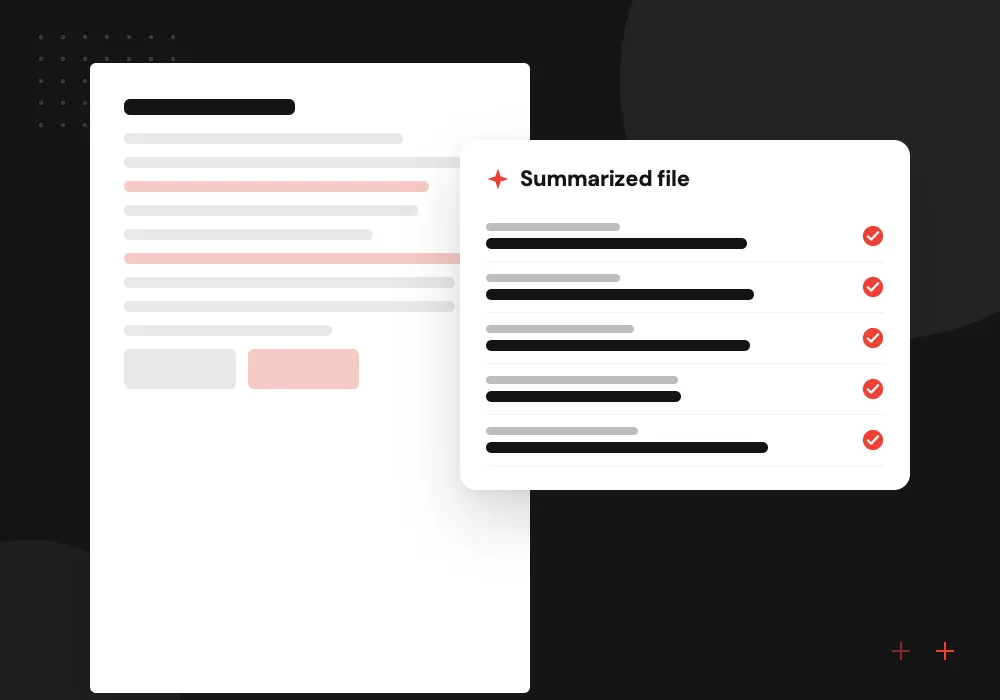
Claim document reading
Repair estimates, medical bills, invoices and police reports are read into the claim file, with totals and dates checked against the reported loss.
Triage and assignment
Claims are scored for complexity and urgency with your rules, then routed to fast-track, desk or field adjusters with the reasons listed.
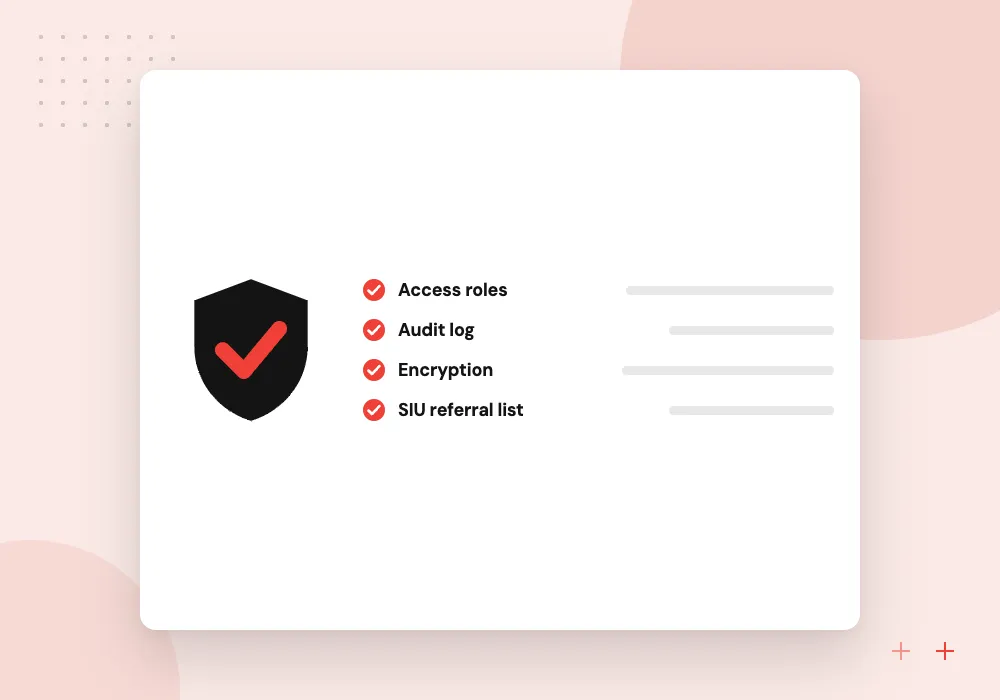
Fraud indicator flags
Late reporting, a recent policy change, repeat parties and signs of edited photos are flagged for your special investigations unit, never used to deny a claim automatically.
FNOL intake that asks the right questions
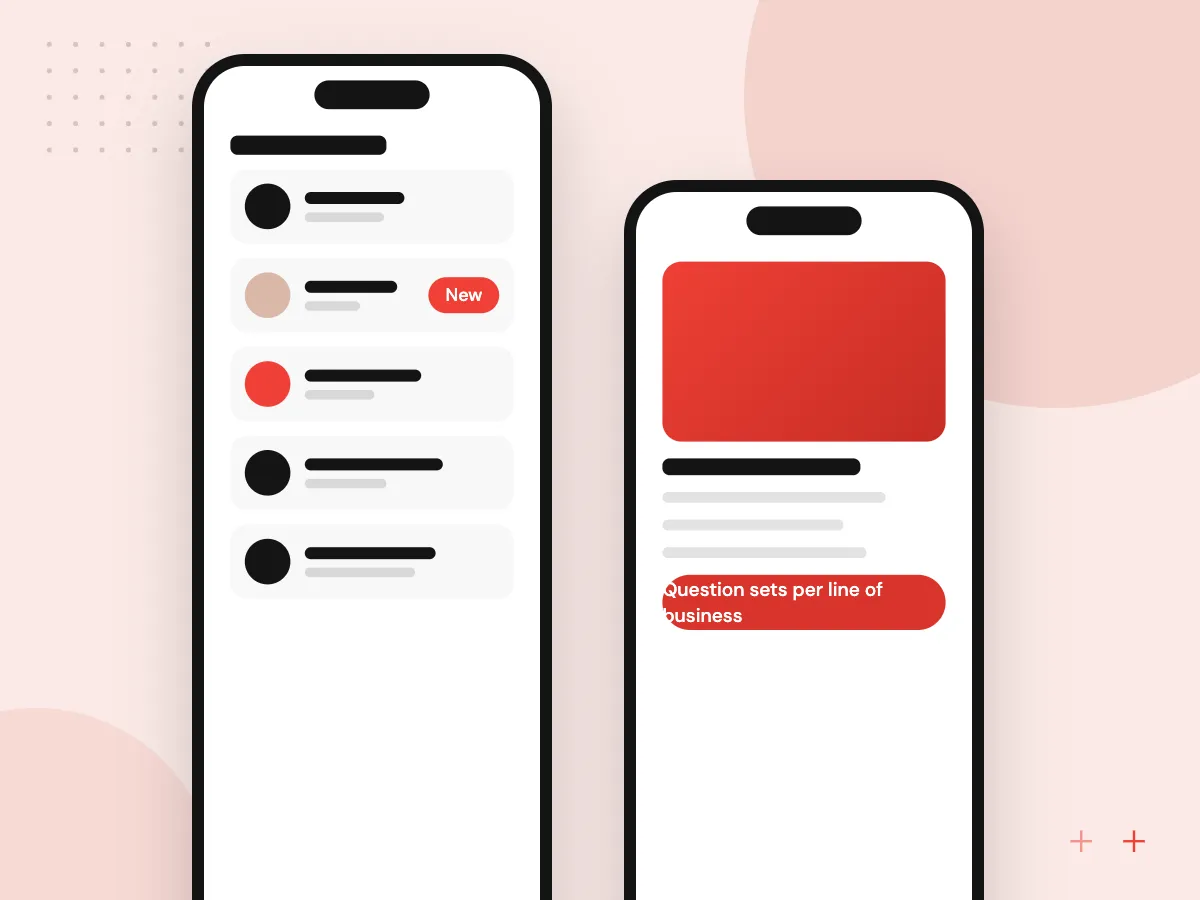
A good first report saves calls later. The intake flow adjusts its questions to the line of business: auto asks about vehicles, drivers and police reports; property asks about the cause, affected rooms and temporary repairs. Answers, photos and documents land in one record, and gaps trigger a follow-up message.
What we do
- Question sets per line of business
- Photo and document upload
- Policy lookup by name or number
- Follow-up for missing details
- Handoff to a person on request
Oversight your regulators will ask about
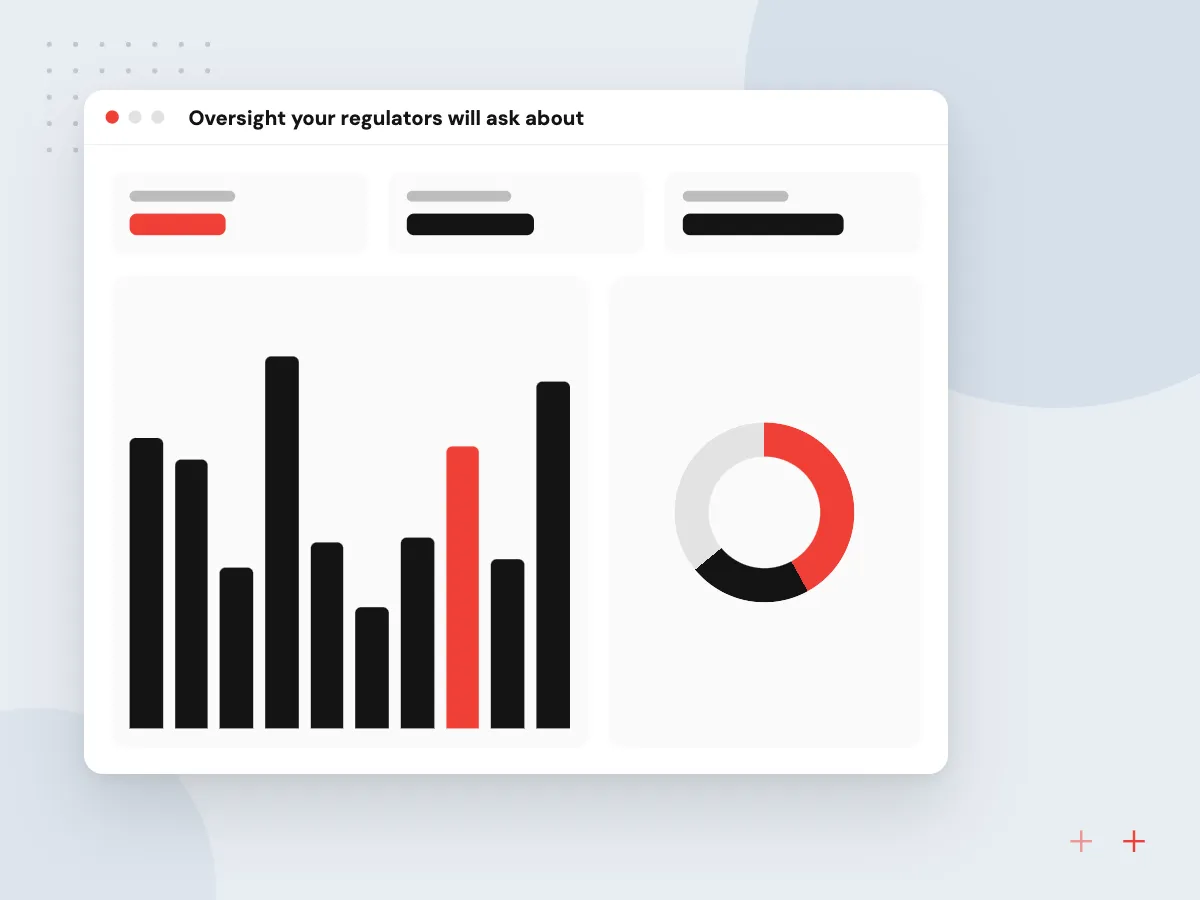
Each automated step records its inputs, the rule or model output and the person who acted on it. Triage scores come with reasons, and we test them for unfair differences across groups where the data allows. Your compliance team gets documents that tie each AI system to an owner and its controls.
What we do
- Inventory of models and rules
- Decision log per claim
- Reason codes on triage scores
- Bias testing where data allows
- Records of vendors and data sources

How we approach a project
Regulation shapes the design. The NAIC model bulletin on insurers’ use of AI systems expects a written AI program, governance and oversight of third-party tools. We document data sources, triage rules and human review points so your compliance team can map them to the bulletin and to state claim-handling rules.
Carriers, MGAs and TPAs share the same intake problems; our page on AI solutions for insurance covers underwriting and service work too, and insurance software development covers portals and policy systems. Multi-step claim assistants are built by our AI agent development team.
How we work
- Complete files before assignment
- Adjusters decide coverage and payment
- Explainable triage, logged decisions
Our Process
-

Trace recent claims
We follow several closed claims from first report to assignment, noting every call, email and missing document.
-

Define fields and rules
Claims leaders agree the FNOL fields per line of business, the triage rules and which flags go to SIU.
-

Test on closed files
Intake reading and triage run on historical claims and are compared with what adjusters actually decided.
-

Go live on one line
One line of business, often auto or property, goes first, with a weekly review of adjuster overrides.
Why Aranv for claims automation
Adjusters keep their authority
Coverage, reserves, settlement and denial stay with licensed adjusters. Our software prepares the file and suggests routing; it never closes or pays a claim.
Fits your core platform
We write into your existing claims system and keep adjusters’ screens, notes and diary rules, rather than adding another tool they must check.
Documentation for compliance
Each AI component comes with a plain description of its data, purpose, testing and human review point that your compliance lead can use in governance reviews.
Tested on closed claims
Before launch, intake reading and triage run against your closed claims, so you see how suggestions compare with real adjuster decisions.
Planning AI Claims Processing?
Book a 30-minute conversation with the team that would build it.
AI claims processing FAQs
-
Can AI approve or deny insurance claims?
Not in what we build. AI captures the loss, reads documents, checks policy details and suggests routing, but coverage, reserve and payment decisions stay with licensed adjusters. States that adopted the NAIC bulletin also expect insurers to govern AI used in claims.
-
What is first notice of loss automation?
Software that takes the first report of a claim, by form, email, chat or phone, and turns it into a complete structured record. It asks follow-up questions, collects photos and documents, matches the policy and opens the claim in your system ready for assignment.
-
Does it work with our claims management system?
Usually, if the platform has an API or a dependable import route. We check your version and access during discovery and write claims, notes and documents through those interfaces. Older systems sometimes need a small integration layer first.
-
How is personal and medical information protected?
Claims data stays in your environment or a dedicated cloud account, and access follows adjuster roles. If a claim file holds protected health information, HIPAA rules affect where data is hosted, who can open it and which vendor agreements are signed. Your compliance lead settles those points with us before build work starts.
-
Can it help spot fraudulent claims?
It can flag the indicators your SIU already uses, such as late reporting, recent coverage changes or parties seen on other claims, and send the file for review. Flags never deny a claim on their own, and the reason for each is recorded.

Let’s talk about your next step
Contact Aranv to discuss your workflow, current tools, and goals. Meet with our team or send an inquiry.
Book a meeting with our team
Choose an available date and time for a 30-minute conversation about your project.
Tell us about your project
Share a few details so we can discuss a useful next step.
Prefer email? sales@aranv.com