


What AI for clinics includes
Aranv builds AI for medical practices and outpatient clinics: assistants that answer routine calls, read incoming referrals, assemble prior authorization packets and sort patient portal messages. The tools work inside your EHR and practice management system, and front desk staff, medical assistants and providers approve each step.
Most practices run one system for charts and another for scheduling and billing, plus a fax line, a payer portal for each major plan and a phone system. We connect the AI to the ones the chosen job needs, through the vendor’s API where one exists and your current work queues where it does not. Patient apps and portals are covered on our healthcare software development page.
Phones are usually the first project. An AI receptionist answers routine calls and books visits, and the same rules can drive a website AI chatbot for directions, forms and insurance questions. Both hand people to staff on request.
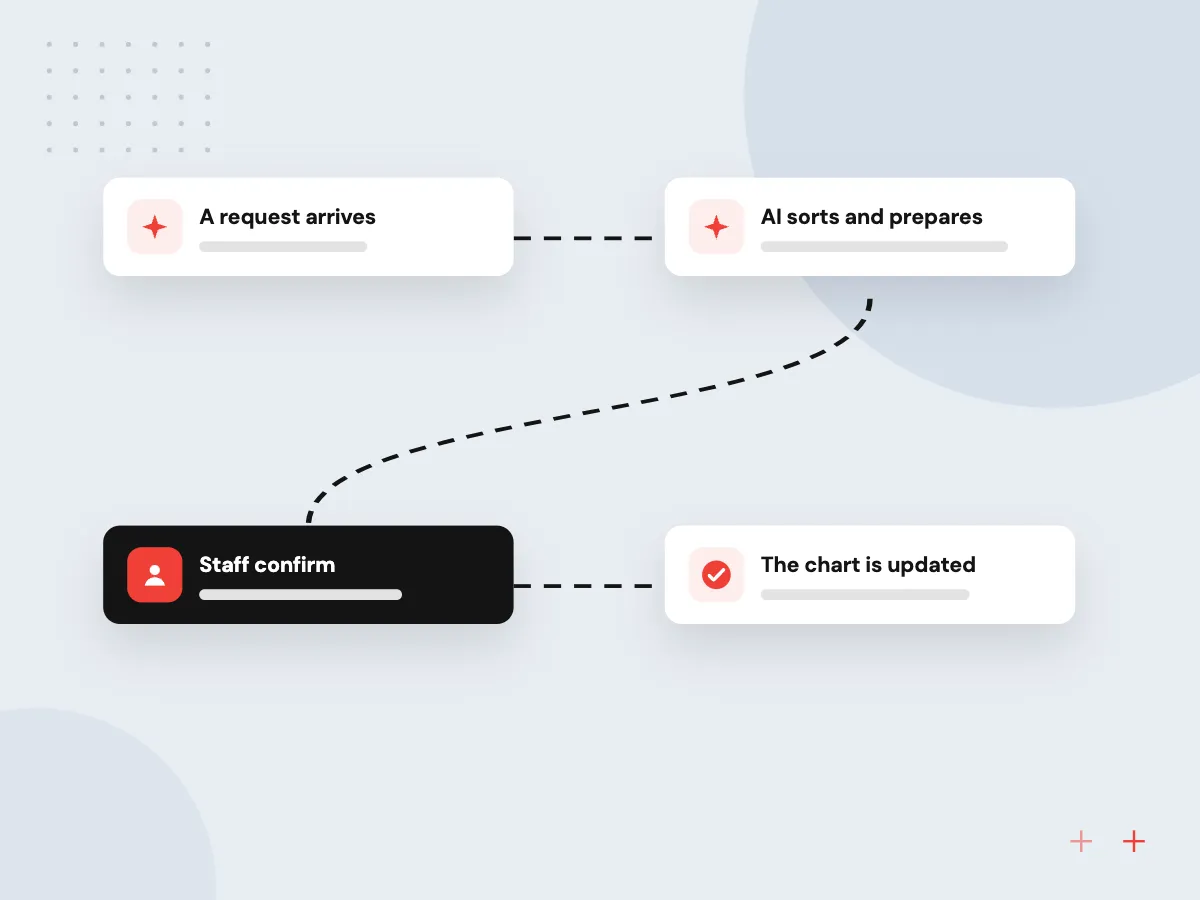
One patient request, from phone line to chart
How a practice request moves with AI
- 01 A request arrives A call, fax, portal message or referral reaches the practice at any hour.
- 02 AI sorts and prepares It identifies the request type, pulls chart details and drafts the next action.
- 03 Staff confirm Front desk, medical assistant or provider approves, edits or reassigns the draft.
- 04 The chart is updated The approved result is logged in the EHR or practice management system.
Clinical questions in portal messages go to a nurse or provider as written. The AI only routes them.
Medical office automation with AI
Small practices feel staff shortages first at the front desk and in the referral and authorization inbox. These four jobs are where AI fits a clinic best.
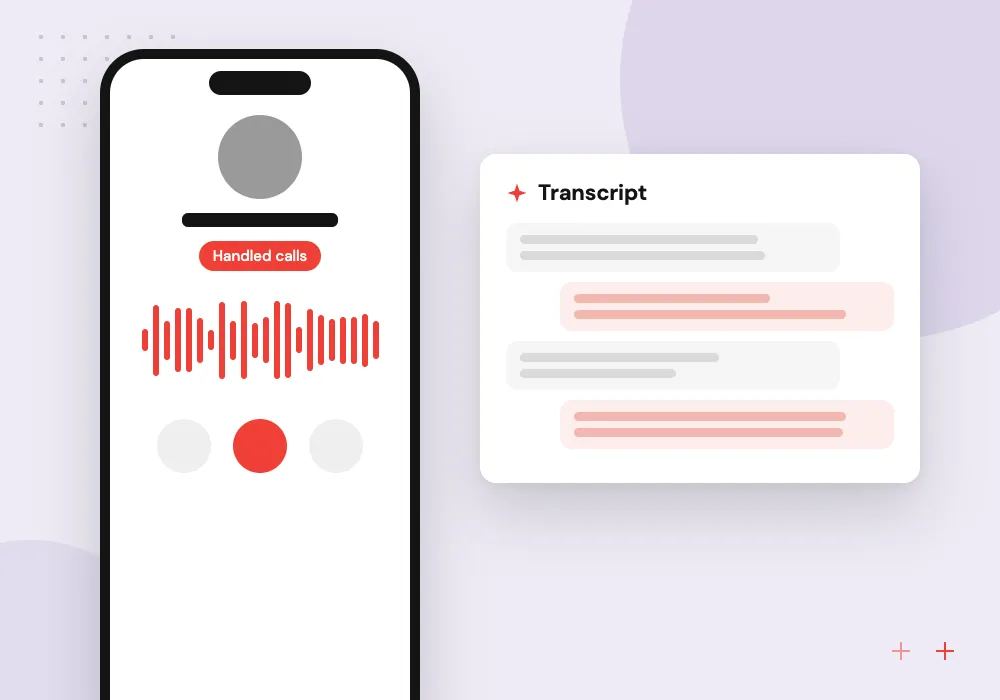
Phones and after-hours calls
An assistant answers calls about appointments, directions, refill status and bills, books open slots and transfers anyone describing symptoms to staff or the on-call line.
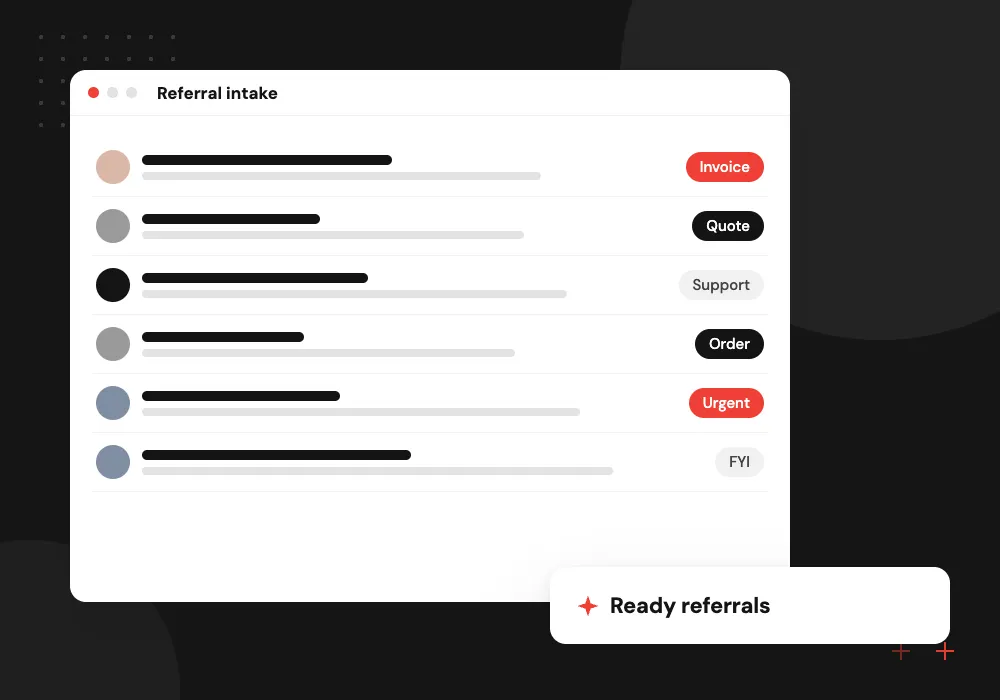
Referral intake
Incoming referral faxes and e-referrals are read for patient, insurance, reason and urgency, then set up as referral records for a coordinator to schedule.
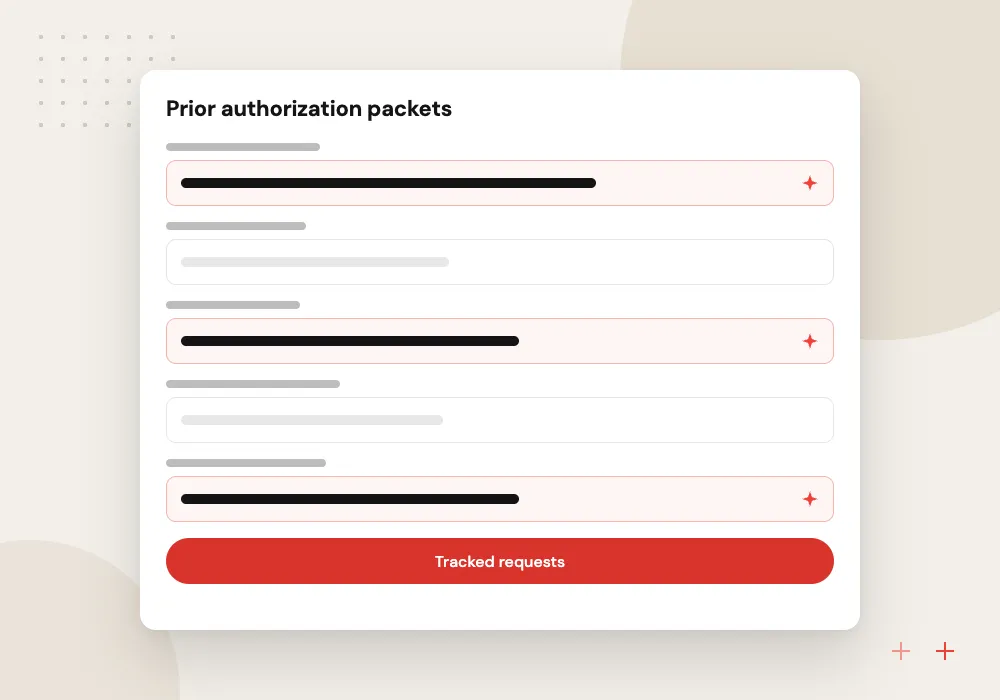
Prior authorization packets
For each order that needs approval, the tool gathers diagnosis codes, recent notes and the payer form, fills what it can and tracks the request to a decision.
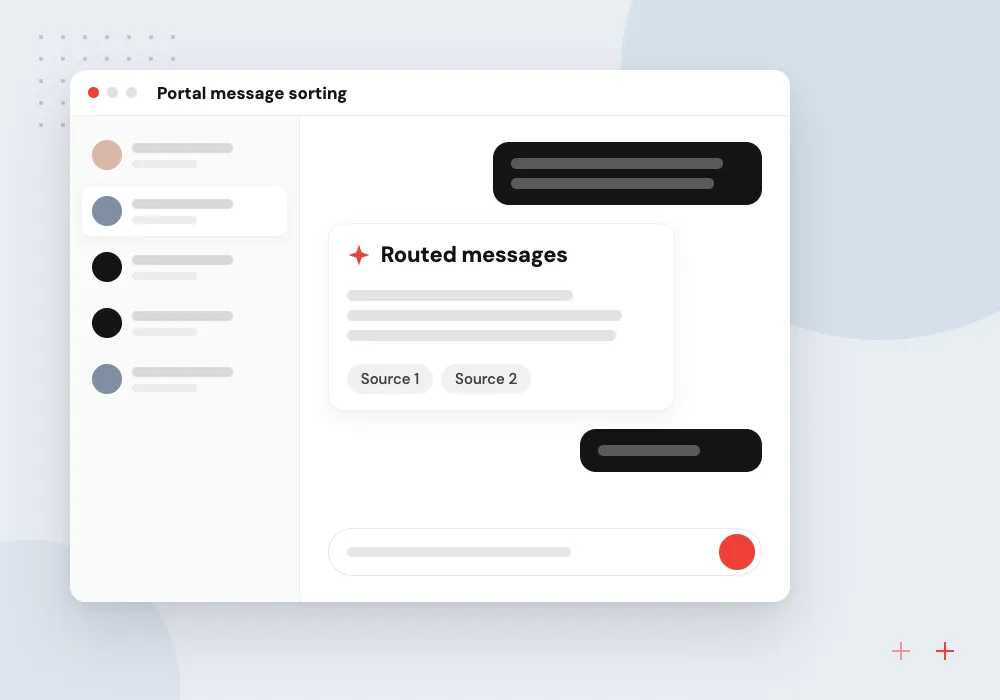
Portal message sorting
Patient messages are sorted into refills, scheduling, billing, forms and clinical questions, with drafts for the non-clinical replies and clinical items routed to the care team.
Prior authorization work, start to finish
Authorization staff spend their days matching orders to payer rules, copying chart details into forms and checking portals for decisions. We build a tracker that does the gathering and the reminders, while your staff decide what to submit and set up peer-to-peer calls with the provider.
What we do
- Payer rule lookup per order
- Request forms pre-filled from the chart
- Status checks and expiry reminders
- Denial reasons logged for appeal
- Weekly list of pending requests
Privacy settings sized for a small practice
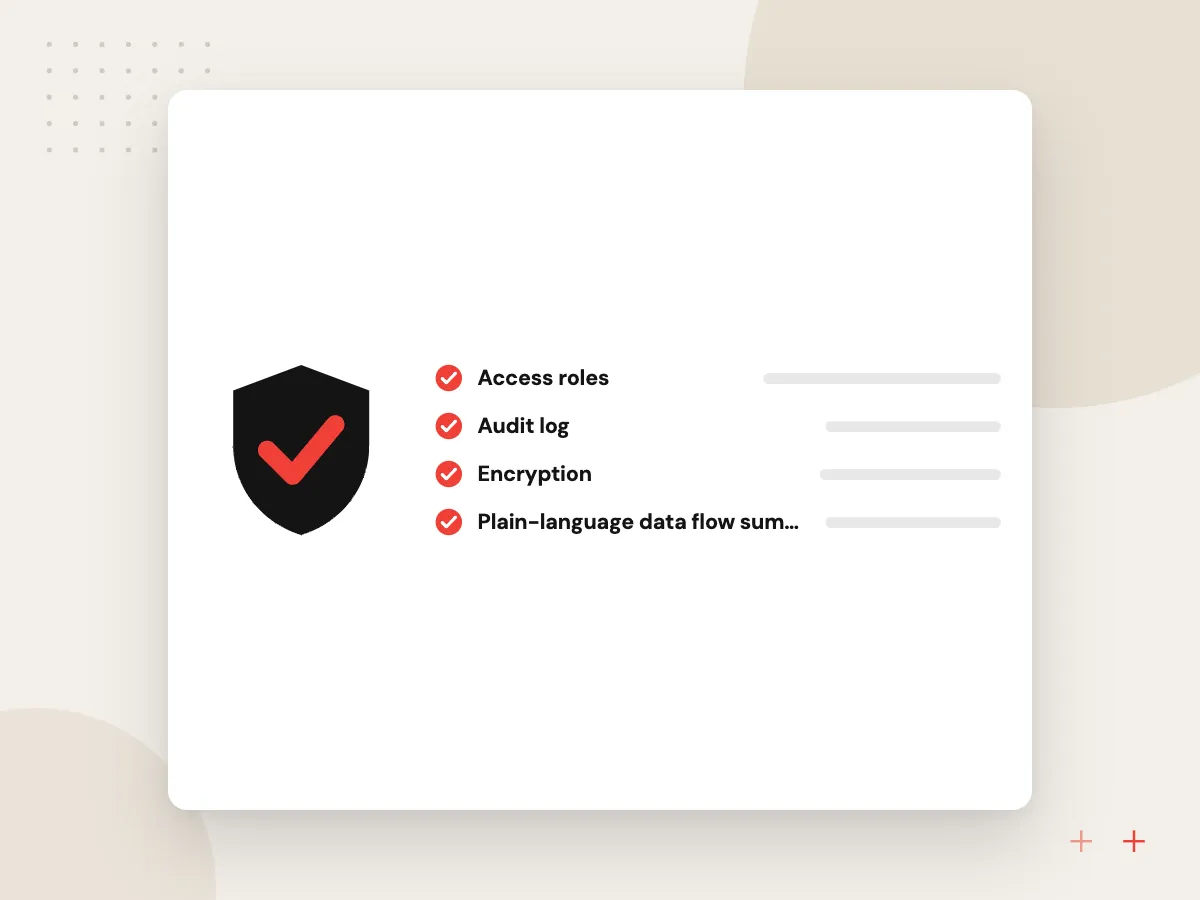
Small practices rarely have an IT department, so we keep the setup simple and explicit. If a tool will hold or transmit protected health information, HIPAA requirements govern where it is hosted, who may open records and which vendors sign a business associate agreement. Your compliance lead approves those choices before we write code.
What we do
- Plain-language data flow summary
- List of business associate agreements
- Individual logins for each staff member
- Automatic sign-out on shared desks
- Access log the office manager reads

How we approach a project
Prior authorization rules are shifting. Under a CMS final rule, affected payers must give a specific reason for denied requests from 2026 and build prior authorization APIs, generally by January 2027. Our AI prior authorization page covers the packet-building work in detail.
Groups with several sites should also read AI solutions for healthcare providers, which covers billing and documentation. If your front desk is where the pressure sits, the contact page lets you book a 30-minute conversation with the people who would build the tool.
How we work
- Front desk keeps the final say
- Clinical messages reach clinicians unchanged
- Every action logged in the chart
Our Process
-

Sit with the front desk
We spend time with the people answering phones and faxes, counting request types and noting where work stalls.
-

Agree what the AI may do
The office manager and lead provider approve a written list of tasks the AI handles and the ones it must pass on.
-

Pilot one workstream
We start with calls or referrals only, and staff check every AI action during the pilot weeks.
-

Tune, then extend
Scripts, routing rules and form mappings are adjusted from staff notes before a second workstream is added.
Why Aranv for medical practices
Built for a small staff
Screens and alerts are designed for an office where one person may cover phones, check-in and referrals within the same hour.
Your scripts, your rules
The assistant follows your scheduling rules, visit types and phone scripts, written down with your office manager instead of copied from a generic template.
Clear handoff to people
Every flow has a path to a human, and staff can see why the AI passed a call or message on to them.
Support after go-live
We stay on for payer form changes, new visit types and EHR updates, so the tool keeps matching how the office actually works.
Planning AI for Medical Practices?
Book a 30-minute conversation with the team that would build it.
Medical practice AI FAQs
-
Can a small practice afford AI?
A practice can start with one narrow job, such as after-hours calls or referral intake, which keeps the build small. Cost depends on your EHR’s integration options, the payers and forms involved and the review screens needed. We estimate in phases after a short discovery.
-
Which EHRs can you connect to?
We work with the system your practice already runs, through its published API, an integration partner or scheduled exports when direct access is not offered. Integration terms vary by vendor and contract, so we confirm what your EHR allows before committing to a feature.
-
Will the AI answer patients’ medical questions?
No. The assistant covers scheduling, directions, forms, refill status and billing. Questions about symptoms, results or treatment go to your nurses or providers, and callers describing an emergency hear your practice’s emergency instructions before being transferred to staff.
-
Does AI speed up prior authorization?
It removes the gathering and copying: pulling notes, filling forms, checking status. Payer review time is outside your control, though new CMS timeframes apply to some plans. Your staff still choose what to submit and arrange any peer-to-peer call with the provider.
-
What do you need from our practice to start?
An office manager who can make decisions, a provider champion, sample referrals and authorization forms with patient details removed, a summary of call reasons if your phone system reports them, and contacts for your EHR and phone vendors.

Let’s talk about your next step
Contact Aranv to discuss your workflow, current tools, and goals. Meet with our team or send an inquiry.
Book a meeting with our team
Choose an available date and time for a 30-minute conversation about your project.
Tell us about your project
Share a few details so we can discuss a useful next step.
Prefer email? sales@aranv.com