


What AI solutions for insurance include
Aranv builds AI solutions for insurance agencies, MGAs and small carriers: submission intake that reads applications and loss runs, first notice of loss and claims triage, policy question assistants and renewal comparisons. The tools connect to your agency management, policy and claims systems, and licensed staff make every coverage decision.
Agencies run an agency management system, carrier portals and comparative raters; carriers and MGAs add policy administration, billing and claims platforms. Integration depth depends on each system’s API, so we confirm access early and use exports or email-in workflows where needed. Our insurance software development page covers portals and custom platforms.
Document reading is the core skill. AI document processing handles applications, loss runs and certificates, while AI email triage sorts shared inboxes where submissions, endorsement requests and claim updates arrive mixed together.
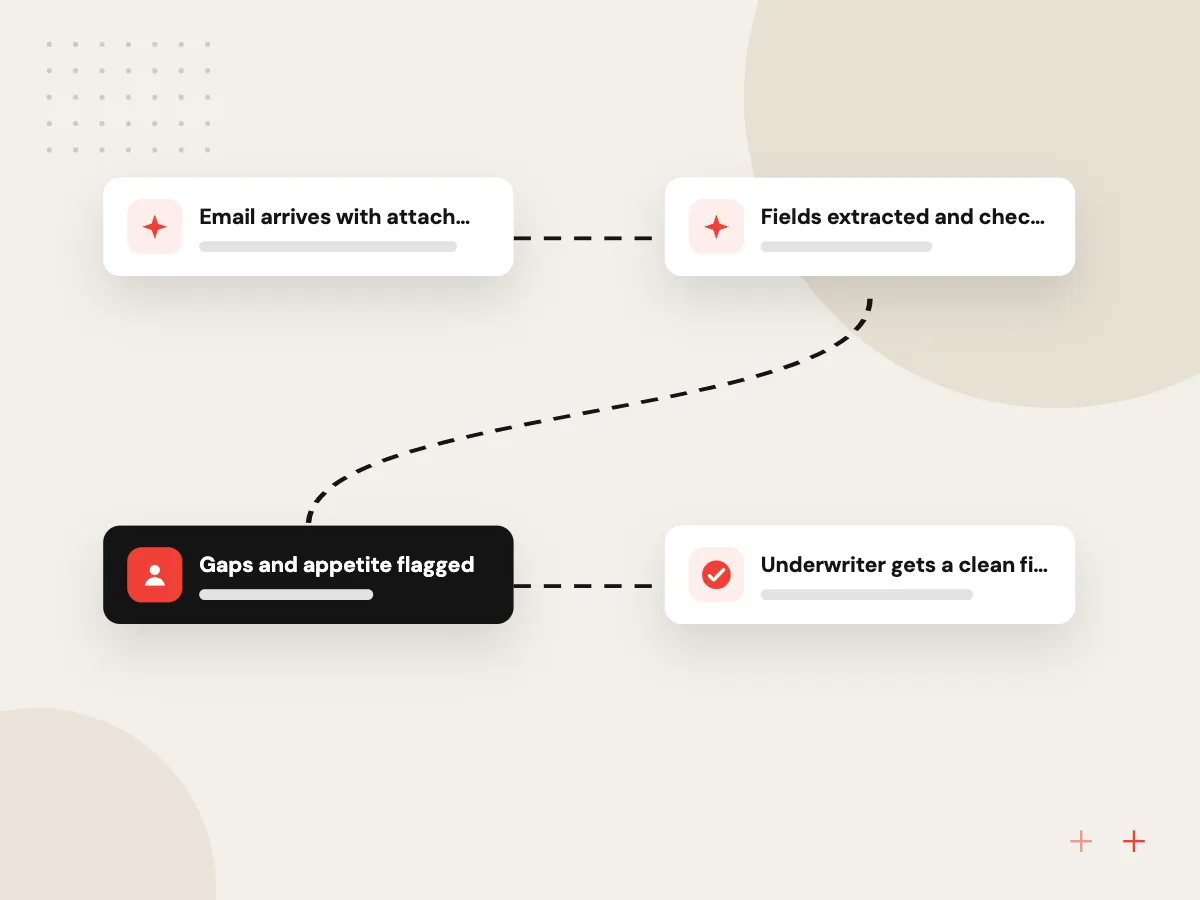
A commercial submission, from inbox to underwriter
How AI prepares a submission
- 01 Email arrives with attachments Applications, loss runs and schedules of values land in a shared submissions inbox.
- 02 Fields extracted and checked Named insured, locations, limits and prior losses are pulled and checked for gaps.
- 03 Gaps and appetite flagged Missing items and risks outside written appetite are listed for the account manager.
- 04 Underwriter gets a clean file A summary and structured data reach the underwriter, who decides whether to quote.
The AI never binds, quotes or denies. Coverage and claim decisions stay with licensed people.
Insurance AI development for agencies and carriers
Insurance work is documents and email at volume: applications, endorsements, certificates and claim reports. These four areas are where AI fits most naturally.
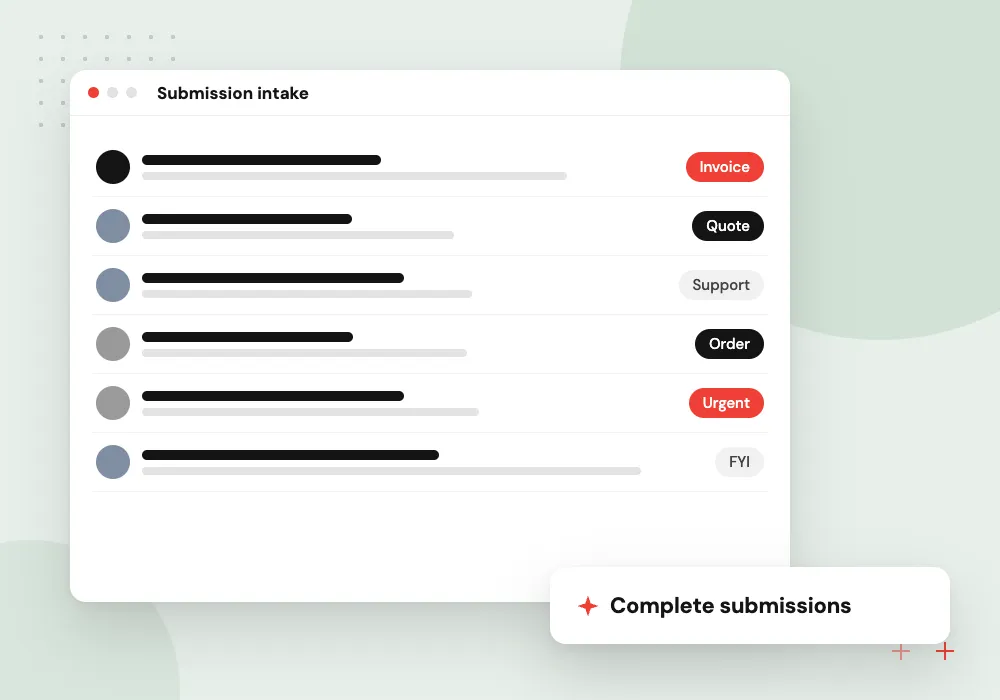
Submission intake
Reads ACORD applications, loss runs and schedules of values from email, fills your agency or underwriting system and lists what is missing before marketing.
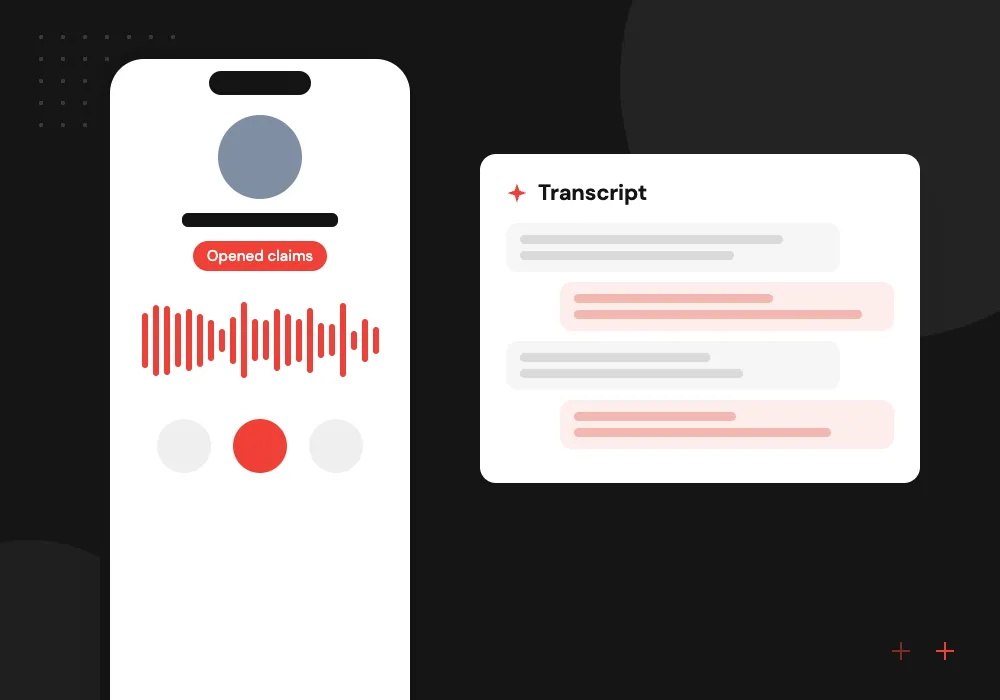
First notice of loss
Takes claim reports by phone, web or email, captures date, location, parties and photos, and opens the claim with a severity tag for the adjuster.
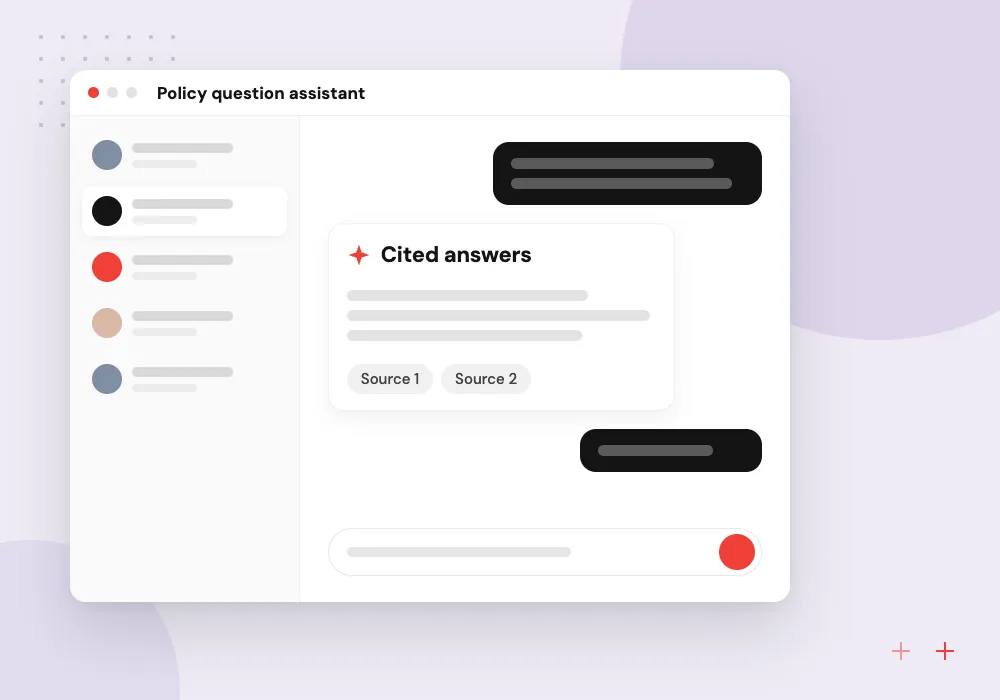
Policy question assistant
Answers client and staff questions from the actual policy forms and endorsements, quoting the wording and passing any coverage opinion to a licensed agent.
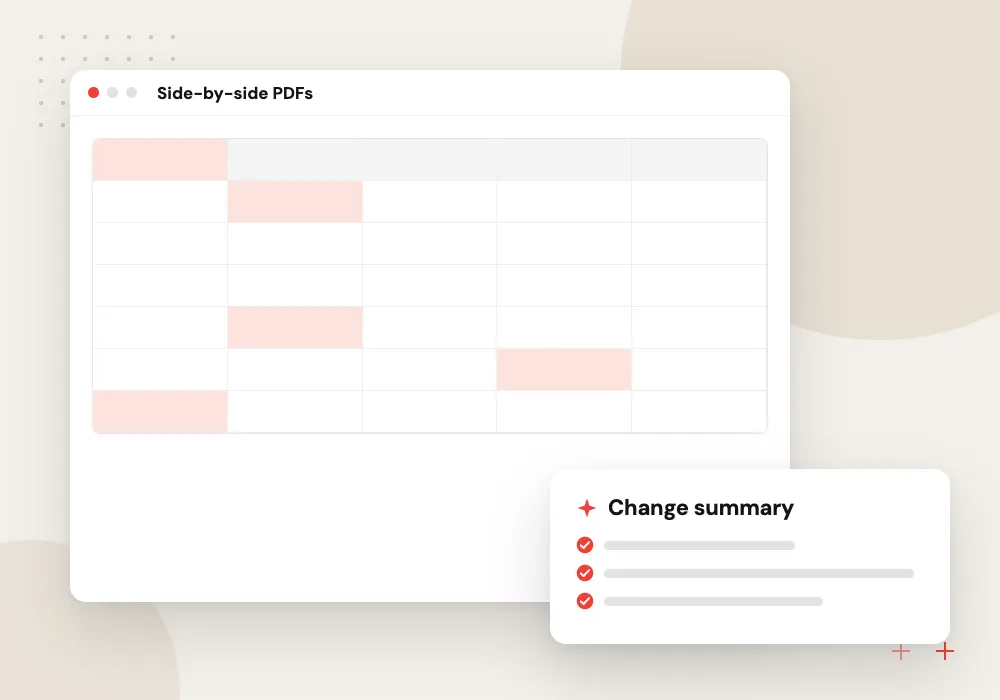
Renewal comparison
Compares expiring and renewal policies or competing quotes line by line and drafts a summary of changed limits, deductibles and exclusions for the producer.
Claims triage that keeps adjusters in charge
After first notice, claims need sorting by line, severity and missing information. We build triage that reads the report and attachments, suggests a queue, flags possible subrogation and lists documents to request. Adjusters set reserves, decide coverage and speak with claimants.
What we do
- Severity and line-of-business tags
- Requests for missing documents drafted
- Possible subrogation flags
- Fraud indicators routed for investigation
- Claim file summary for handoffs
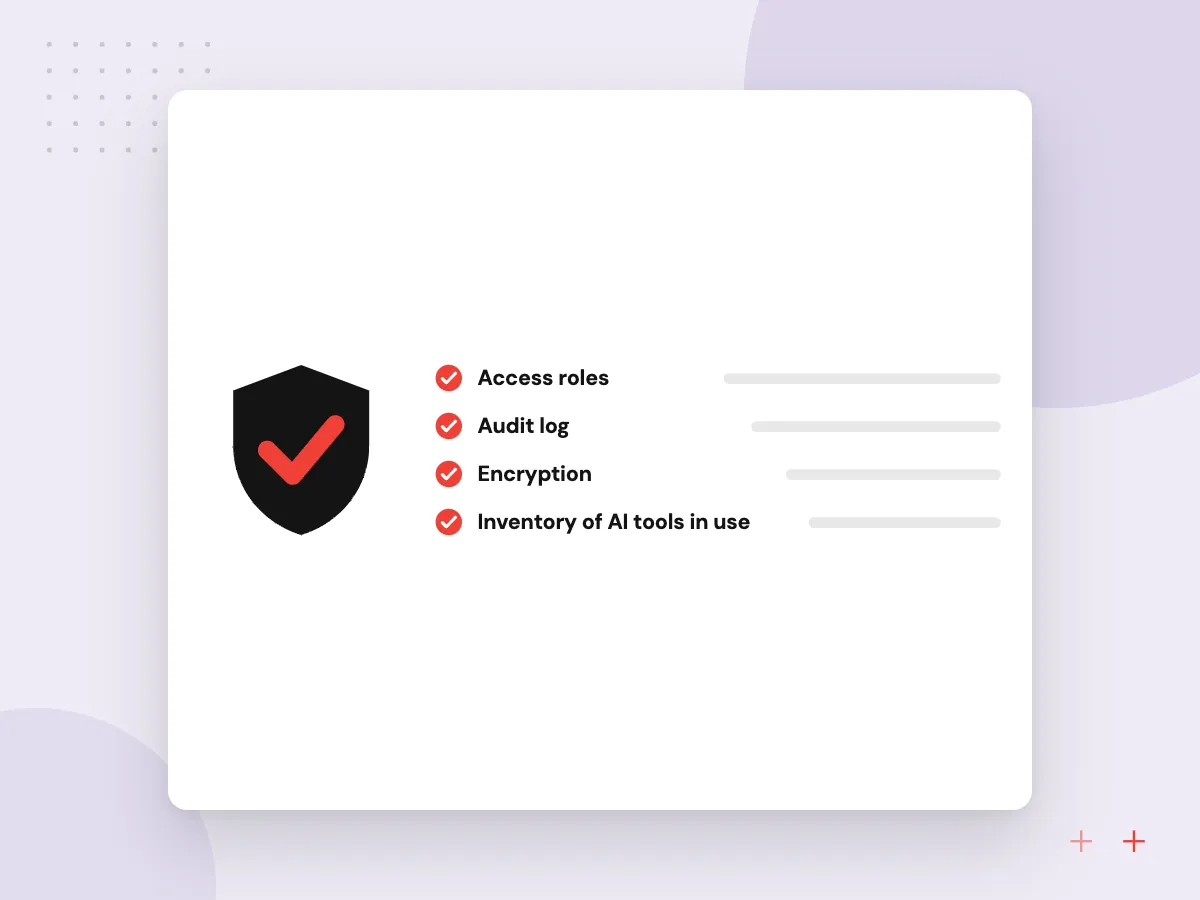
Records your regulator may ask for
The NAIC model bulletin reminds insurers that decisions made or supported by AI must comply with existing insurance laws, and explains what a department may request during an exam. We document each tool’s purpose, data, testing and human review so your compliance team can answer those questions.
What we do
- Inventory of AI tools in use
- Purpose and data source records
- Test results by line of business
- Human review points documented
- Vendor and model change log

How we approach a project
On the claims side, our AI claims processing page walks through intake to payment support, and AI agents can chase missing documents from claimants or repair shops within limits you set.
For the governance side, including the inventory and testing records a department may request, see AI governance consulting. Bring one redacted submission and we will walk through it with you in a 30-minute conversation; open times are listed on the contact page.
How we work
- Licensed staff decide coverage
- Every answer cites policy wording
- Exam-ready records of AI use
Our Process
-

Sample the inbox
We review a few weeks of submissions or claim reports to see document types, formats and common gaps.
-

Agree decision boundaries
Your compliance lead and line managers sign off on what the AI may draft, flag or never touch.
-

Pilot on one line
We start with one line of business, such as commercial auto submissions, with staff checking each output.
-

Document, then expand
Test results and review records are filed for compliance before the next line or office is added.
Why Aranv for insurance AI
We read your forms first
Before building, we study your actual applications, loss runs and claim reports, including messy carrier formats, so testing reflects the files you really receive.
Citations down to the wording
Policy answers quote the form and endorsement they come from, so an agent can check them in seconds before replying.
Records ready for exams
Each tool ships with an inventory entry, test results and documented review points, ready for your compliance team’s files.
Built into what you run
We work inside your agency management, policy and claims systems instead of adding another screen staff must remember to open.
Planning AI Solutions for Insurance?
Book a 30-minute conversation with the team that would build it.
Insurance AI FAQs
-
Can AI make coverage or claim decisions?
Not in the tools we build. AI reads, sorts, drafts and flags; licensed agents, underwriters and adjusters decide coverage, pricing and payment. Keeping that line clear also makes it easier to answer a regulator’s questions about how AI is used.
-
Does it work with our agency management system?
Usually, through the vendor’s API or approved integration options. Some systems allow only limited write access, in which case the AI prepares data and documents that staff attach. We check your system’s options before scoping.
-
How well does AI read ACORD forms and loss runs?
Structured ACORD forms are usually the easier case; loss runs vary by carrier and are harder. We test on your own samples, measure field accuracy before launch and send low-confidence fields to staff to confirm rather than guessing.
-
What about state AI rules for insurers?
A number of state insurance departments have adopted the NAIC model bulletin, and some states have separate laws. We are not your legal advisers, but we record purpose, data, testing and human review for each tool, which gives your compliance staff what they need to check it against each rule.
-
What does insurance AI development cost?
Cost depends on document variety, the systems involved, the number of lines of business and the documentation your compliance team needs. Starting with submission intake for one line keeps phase one contained. We give a phased estimate after discovery.

Let’s talk about your next step
Contact Aranv to discuss your workflow, current tools, and goals. Meet with our team or send an inquiry.
Book a meeting with our team
Choose an available date and time for a 30-minute conversation about your project.
Tell us about your project
Share a few details so we can discuss a useful next step.
Prefer email? sales@aranv.com