


What OpenAI API integration includes
Aranv provides OpenAI API integration for owner-led and mid-market US companies, adding GPT models to software their teams already use: drafting inside a CRM, answering from company documents, turning emails into form fields and calling your own APIs, with tests, logging and spending limits in place from the first release.
OpenAI offers several building blocks: the Responses API for text and function calls, structured outputs that follow a JSON schema, embeddings for search, a Realtime API for speech and a Batch API for jobs that can wait. We use the smallest set that does the job. If staff only need a configured assistant inside ChatGPT, a custom GPT may be enough.
Older builds need attention. OpenAI’s deprecations page set August 26, 2026 as the removal date for the Assistants API and points developers to the Responses and Conversations APIs. We move assistants, files and function definitions across, then compare old and new outputs on the same test cases before switching traffic.
Where the OpenAI API sits in your stack
Your app, the model, your systems
- 01 Your backend sends context The request carries the user’s question, approved documents and a list of allowed functions.
- 02 The model plans a reply It answers directly or asks to call a function, such as an order lookup.
- 03 Your code runs the function Our server checks permissions, calls your system and hands the result back.
- 04 Checked output is saved Structured results are validated against a JSON schema before they reach your database.
API keys stay on your server, never in a browser or mobile app.
GPT integration services for working software
Most OpenAI projects add one assisted step to a screen people already open every day.
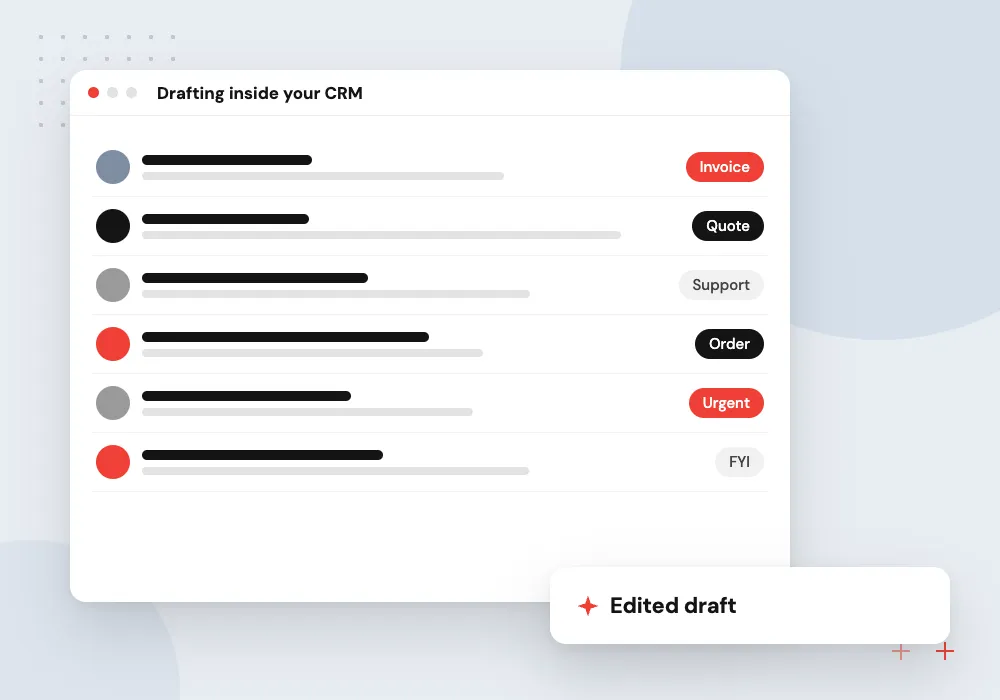
Drafting inside your CRM
Sales and service staff get suggested replies, call summaries and follow-up emails written from the record on screen, ready to edit and send.
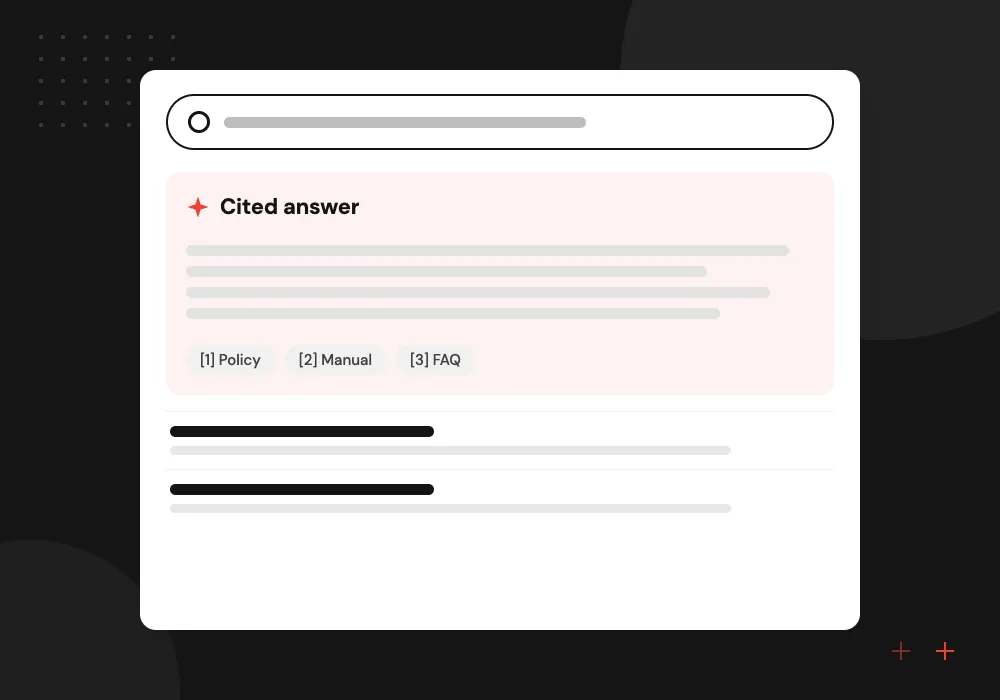
Document answers with sources
Staff ask about manuals, contracts or policies and get an answer that names the file and section it came from.
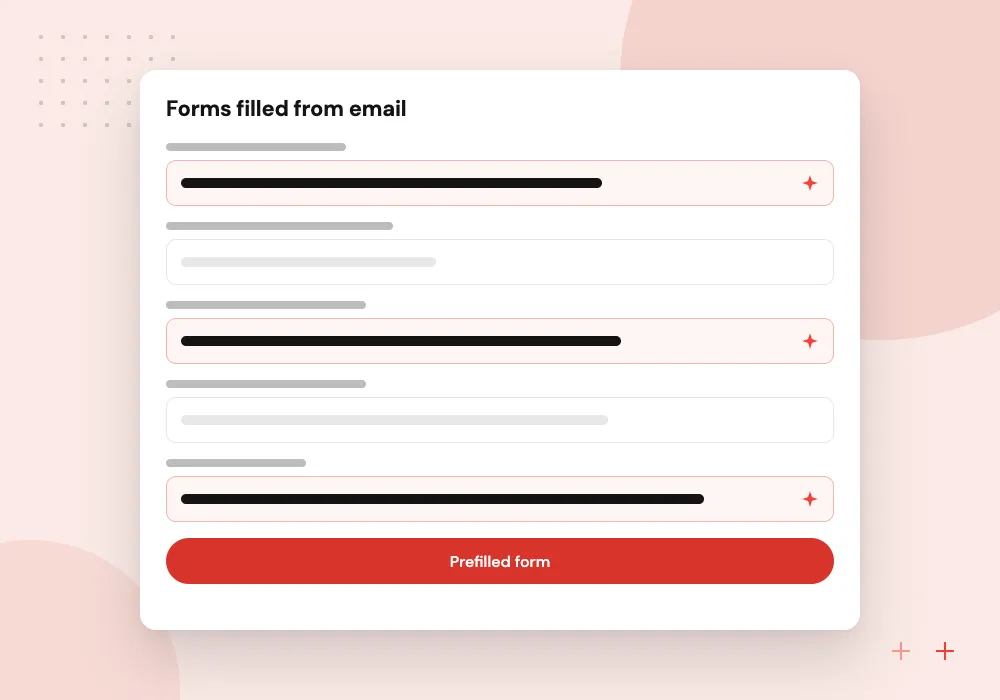
Forms filled from email
Incoming emails, PDFs and scanned forms become structured fields that land in your order, claims or intake screen for a quick check.
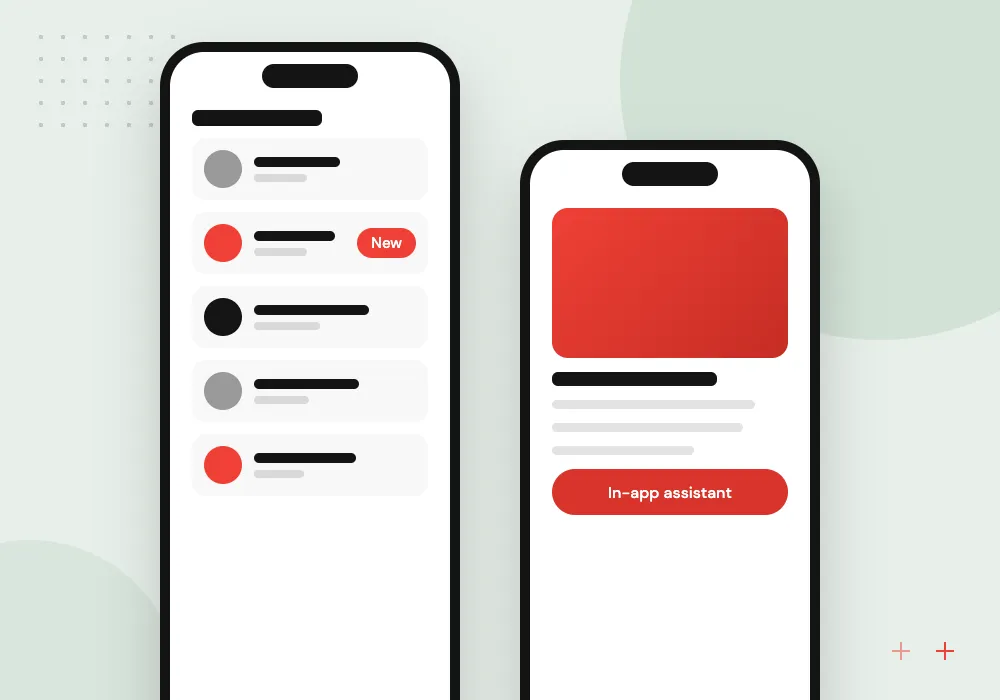
ChatGPT-style help in-app
Customers get a chat panel inside your portal or mobile app that knows their account, follows your rules and passes tricky requests to support.
Moving off the Assistants API
Apps built on assistants and threads need a new home on the Responses and Conversations APIs. We map each assistant, file store and tool to its replacement, move stored conversations where needed and run both versions side by side until outputs match.
What we do
- Inventory of assistants and tools
- Thread and file migration scripts
- Side-by-side output comparison
- Updated SDK and error handling
- Cutover plan with rollback
Test sets, logs and spend alerts
A GPT feature is finished only when you can see how it behaves. Each request is stored with its inputs, output, model and cost, personal data is masked, and a test set runs before every prompt or model change.
What we do
- Evaluation set from real cases
- Masked request and response logs
- Spend alerts per feature
- Pinned model versions
- Monthly quality summary

How we approach a project
Data handling is agreed before any request is sent. If your company prefers Microsoft’s regions, networking and billing, the same model family is available through our Azure OpenAI development service, and projects that mix OpenAI with other providers sit under LLM integration.
Each integration ships with an evaluation set built from your real cases, logs with personal data masked and a monthly cost report per feature. Our LLM evaluation services go further when quality has to be shown to auditors or clients.
How we work
- Keys and prompts stay server-side
- Schemas for anything software reads
- Judged on your own examples
Our Process
-

Pick one task and its examples
We choose a single task, collect real inputs and agree with your staff what a correct output looks like.
-

Prototype against those examples
A thin prototype runs the examples through two or three model options and reports accuracy, speed and cost.
-

Build it into your software
The feature joins your app with server-side keys, retries, rate-limit handling and schema validation.
-

Watch, then tune monthly
Dashboards track usage, errors and spend, and the test set reruns whenever OpenAI changes a model.
Why Aranv for OpenAI work
Server-side by design
Browsers and mobile apps call your backend, never OpenAI directly, so API keys and system prompts cannot be read from client code.
Your examples set the bar
Model choices are judged on a test set drawn from your own emails, documents and tickets rather than on public benchmarks.
Ready for model changes
OpenAI updates and retires models regularly. We track the notices, retest on the replacement and report any change in quality or cost before switching.
Clear data terms up front
Before any data is sent, we agree which fields go to the API, which are masked and which retention settings your account should use.
Planning OpenAI API Integration?
Book a 30-minute conversation with the team that would build it.
OpenAI API integration FAQs
-
Is ChatGPT integration the same as using the OpenAI API?
Not quite. ChatGPT is OpenAI’s own app for people. The API gives your software direct access to the same model family, so you control the screens, data access and rules. Most business integrations use the API, while a custom GPT suits internal use inside ChatGPT itself.
-
Does OpenAI train its models on data we send through the API?
Not by default. OpenAI’s documentation says API data has not been used for training since March 1, 2023, unless the customer opts in. Some data is kept for a limited time for abuse monitoring, and eligible customers can apply for reduced retention.
-
Which GPT model should we use?
That depends on the task. Larger models handle complex reasoning and long documents; smaller ones are cheaper and quicker for sorting and short drafts. We test options on your own examples, choose on measured results and retest when OpenAI releases or retires models.
-
How do you keep OpenAI API costs under control?
We cap tokens per request, reuse repeated instructions so they can be cached, send only the context a task needs, route simple jobs to smaller models and batch work that can wait overnight. A monthly report shows spend per feature.
-
Should we call OpenAI directly or go through Azure?
Go direct when you want new features early and simple billing. Choose Azure when your company already runs on Microsoft and needs private networking, specific regions or Microsoft’s contract terms. The application code is similar, so a later move is manageable.

Let’s talk about your next step
Contact Aranv to discuss your workflow, current tools, and goals. Meet with our team or send an inquiry.
Book a meeting with our team
Choose an available date and time for a 30-minute conversation about your project.
Tell us about your project
Share a few details so we can discuss a useful next step.
Prefer email? sales@aranv.com