


What GraphQL development includes
Aranv offers GraphQL development for US businesses whose web and mobile apps draw data from many places: GraphQL API design, Apollo GraphQL servers and clients, a GraphQL layer over existing REST services, and schemas that AI agents can query within set limits.
GraphQL lets a client describe the data it wants and receive exactly that shape. It suits products with several front ends, screens that combine data from many systems, and teams that want a typed contract between client and server. For a simple public API with a few resources, REST is easier to cache and explain, and we will recommend it.
GraphQL API build. The work covers schema design, resolvers in Node.js, Python or .NET, data loaders against N+1 queries, sign-in and field rules, depth and cost limits, persisted queries and monitoring per operation. Servers we use include Apollo Server, GraphQL Yoga, Strawberry and Hot Chocolate, and NestJS for code-first schemas.
How a GraphQL layer fits your systems
One schema over many sources
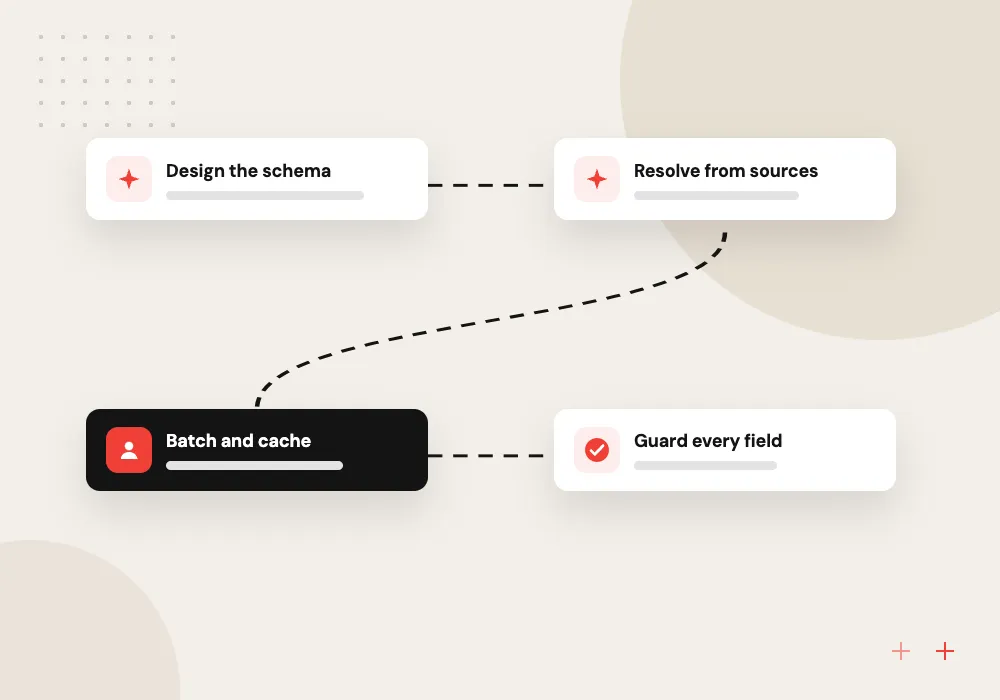
- 01 Design the schema Types and fields follow how your apps describe customers, orders and products.
- 02 Resolve from sources Resolvers read from databases, REST APIs and SaaS tools behind the schema.
- 03 Batch and cache Data loaders group lookups so one query does not fire hundreds.
- 04 Guard every field Depth limits, cost rules and field permissions protect the server.
Each screen asks for exactly the fields it shows, in a single request.
What we build with GraphQL
GraphQL helps most when several front ends need different slices of the same data, or when data sits in more systems than one REST API can expose cleanly.
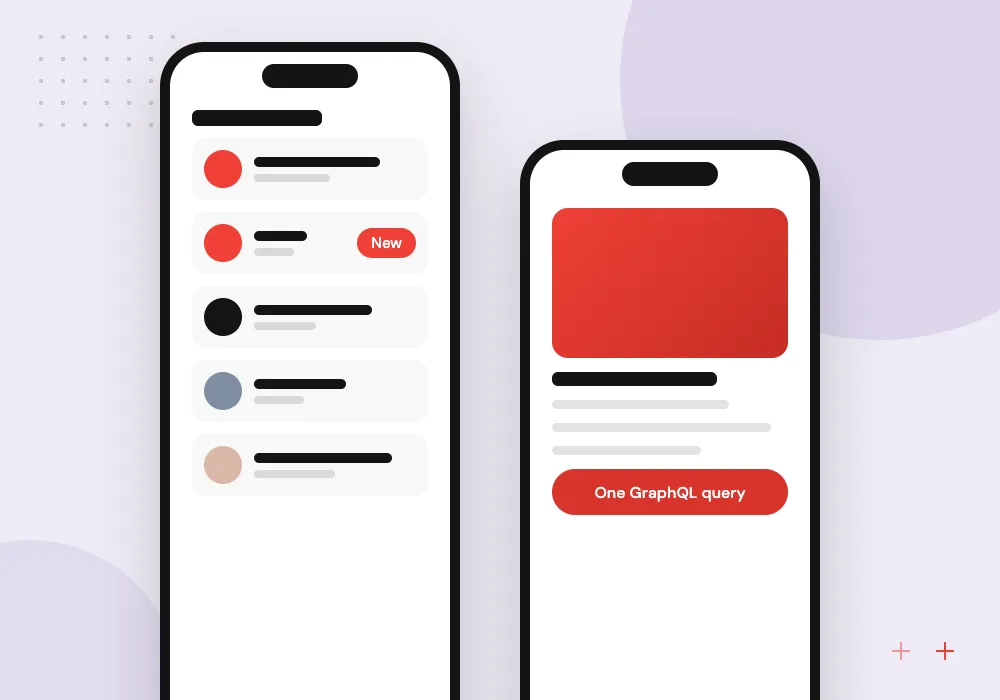
GraphQL API for apps
A single endpoint for your web and mobile apps, with a typed schema, cursor pagination and field-level permissions.
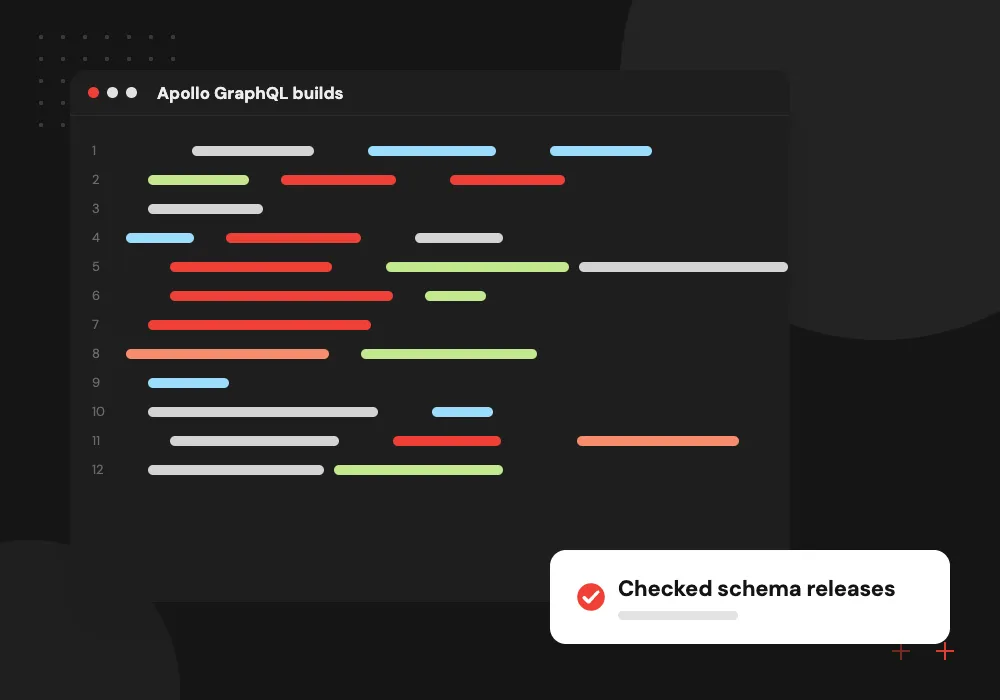
Apollo GraphQL builds
Apollo Server or Apollo Client set up with caching, persisted queries and schema checks that run before each deploy.
GraphQL over REST
A GraphQL layer in front of current REST services, so front ends modernize without rewriting the systems behind them.
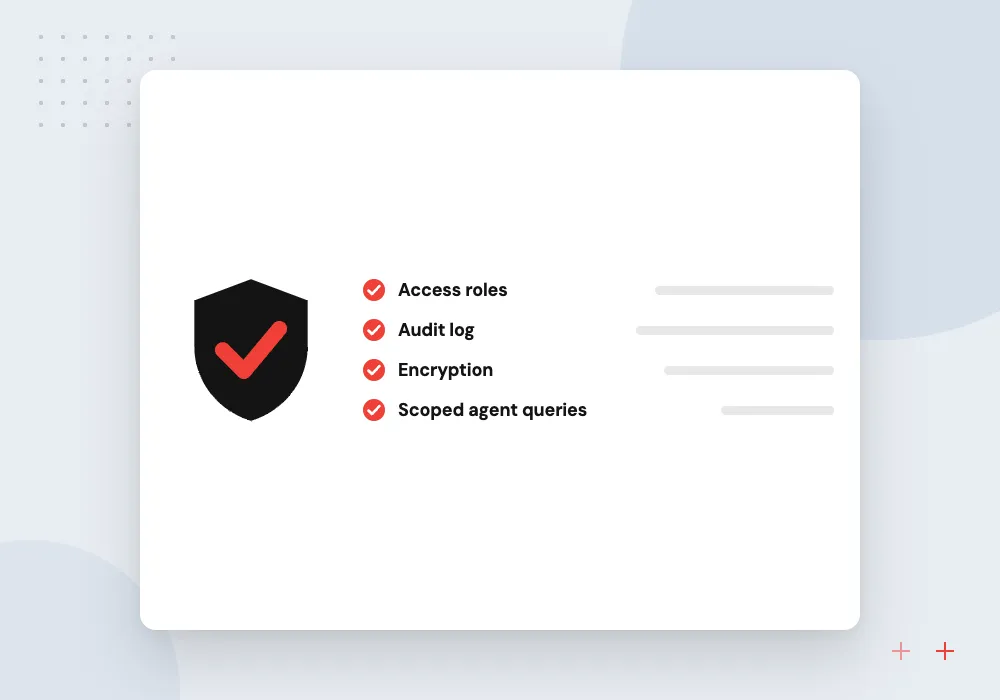
Schemas for AI agents
A typed schema gives an AI agent a clear, limited list of what it may read, with permissions and query limits applied.
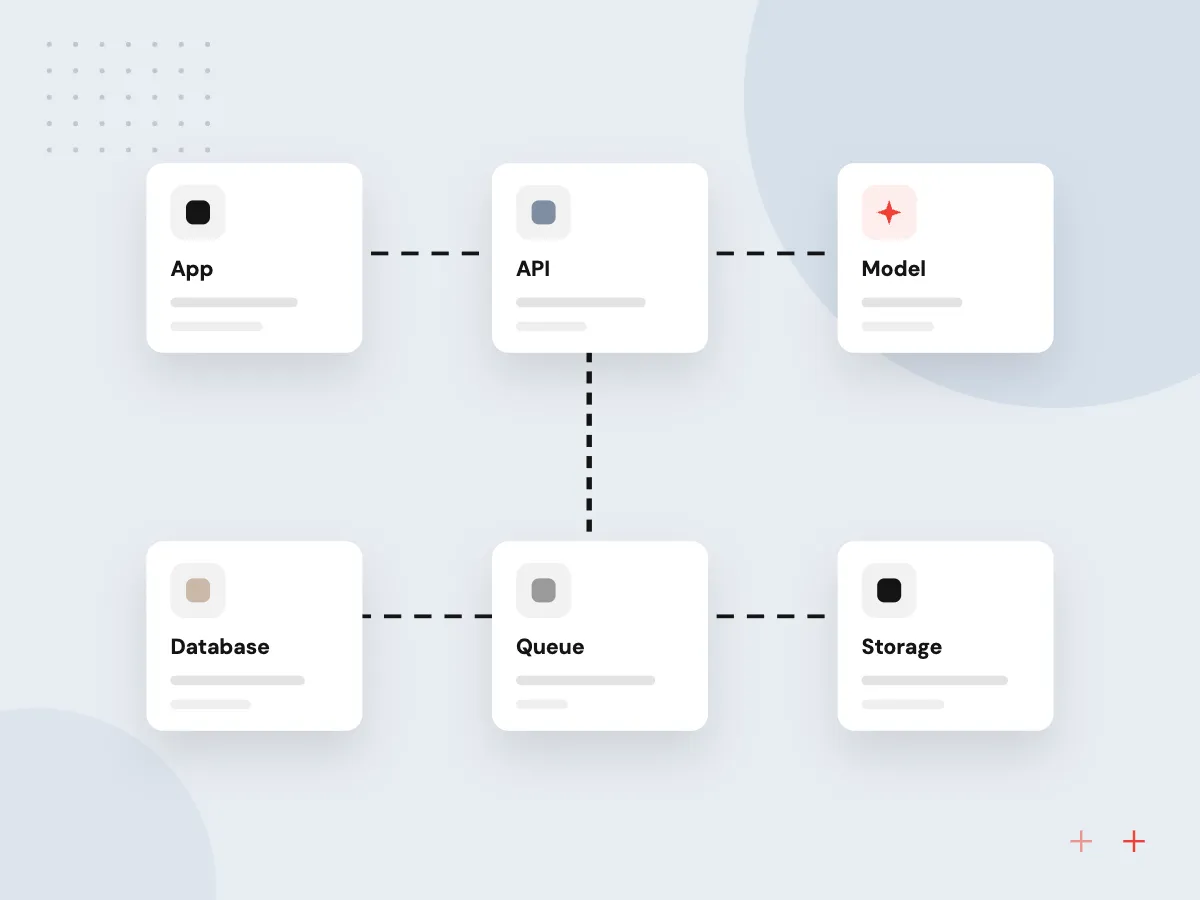
A GraphQL layer over your existing APIs
Rebuilding back-end systems just to give a new app better data is slow and risky. A GraphQL layer avoids that. It sits in front of your current REST services and databases, presents them as one typed schema, and lets new screens ship while the older systems keep running behind it.
What we do
- Schema mapped to current endpoints
- Data loaders to batch slow calls
- Caching for repeat lookups
- Field permissions from your auth
- Client migration plan
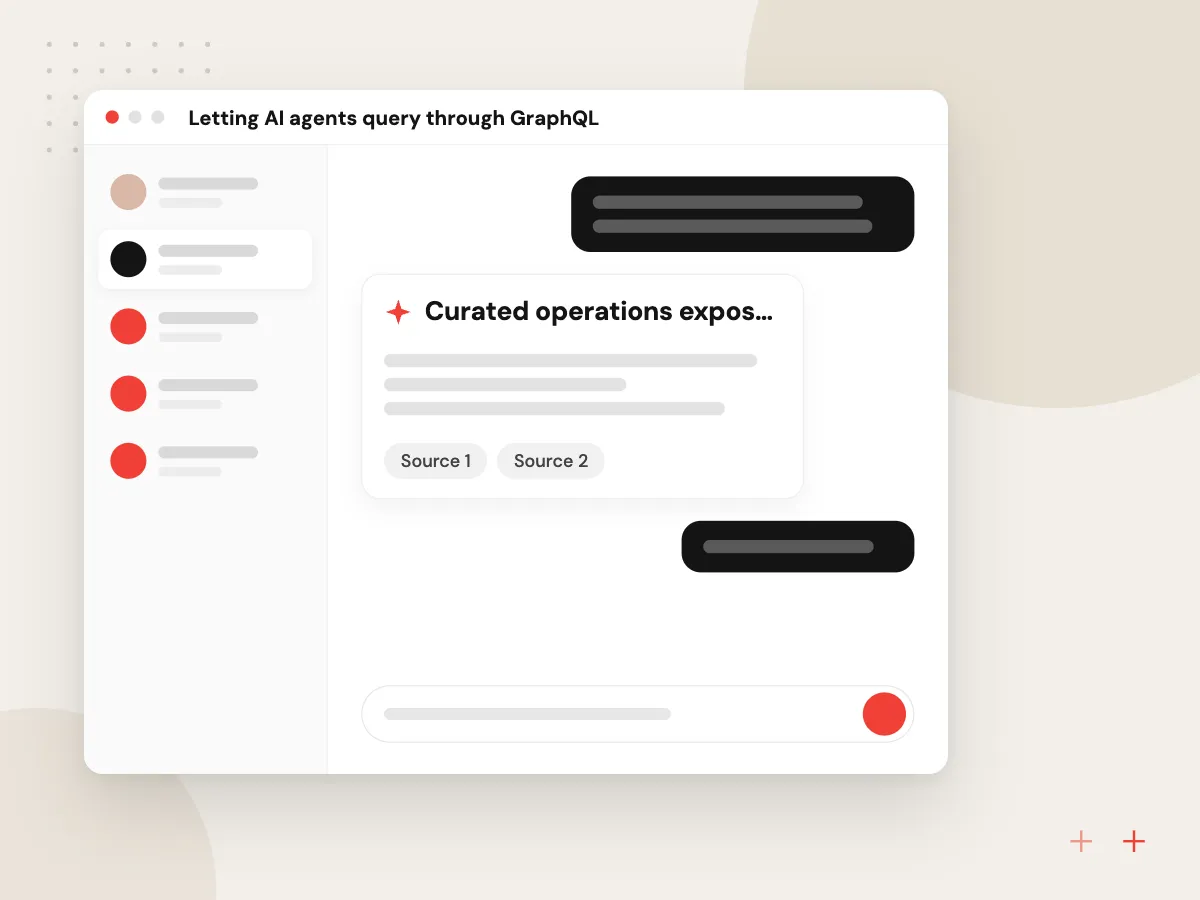
Letting AI agents query through GraphQL
Direct database access for an AI agent is hard to control. A GraphQL schema offers a middle path: the agent sees named, documented operations, each with its own permission check and cost limit. We wrap selected queries as agent tools, often through an MCP server, and log each call for review.
What we do
- Curated operations exposed as tools
- Permissions tied to the requesting user
- Query cost and rate limits
- Full log of agent queries
- Read-only by default

How we approach a project
Federation and commerce. Larger systems can split the graph into subgraphs owned by different teams and joined by a router. GraphQL is common in commerce too: Shopify storefronts and many headless commerce builds read products and carts through it. The GraphQL specification defines the language every server follows.
A GraphQL layer often sits on services built through our API integration work. To see which back-end languages we use for resolvers, check Aranv’s technology stack.
How we work
- Schema shaped by client needs
- No query without a cost limit
- Deprecate fields instead of breaking them
Our Process
-

Collect the screens
We list each screen and integration that will query the graph, with the exact data it needs.
-

Draft and review the schema
The schema is written in SDL and reviewed with front-end developers before resolvers are built.
-

Build resolvers with limits
Resolvers, data loaders and permission rules ship together with tests, covering speed and access from the start.
-

Track operations in production
We monitor each named query for errors and latency, and remove deprecated fields once clients stop using them.
Why Aranv for GraphQL
Schemas clients agree with
Front-end developers review the schema before resolvers exist, so the API fits the screens rather than mirroring database tables.
Limits from the first release
Depth limits, cost rules and timeouts are in place at launch, so one heavy query cannot quietly slow the whole server.
Changes that keep apps working
We add fields and deprecate old ones rather than renaming, and check each schema change against real client operations before deploy.
Built in your current language
Resolvers are written in the language your team already runs, whether Node.js, Python or .NET, so support can stay in-house.
Planning GraphQL Development Services?
Book a 30-minute conversation with the team that would build it.
GraphQL development FAQs
-
Should we use GraphQL or REST for our API?
Use GraphQL when several clients need different views of the same data, or one screen combines data from many systems. Use REST for simple resource APIs, file downloads and public APIs that rely on HTTP caching. Many systems run both, GraphQL for apps and REST for partners.
-
What is Apollo GraphQL?
Apollo is a company that makes open-source and commercial GraphQL tools: Apollo Server for building APIs, Apollo Client for React and other front ends, and a router and registry for federated graphs. We use Apollo where it fits and other servers, such as GraphQL Yoga, where they suit your stack better.
-
Is a GraphQL API secure?
It can be, with the right controls. Since clients write their own queries, the server needs depth and cost limits, timeouts, field-level authorization and, for public clients, persisted queries that allow only known operations. We include these in the first release.
-
Can GraphQL work with our existing REST APIs and databases?
Yes. Resolvers can call REST services, query databases and read from SaaS tools, so a GraphQL layer can sit in front of what you run today. Front ends move to the new API while the systems behind it stay in place.
-
Can AI agents use a GraphQL API?
Yes, and the schema helps. It gives the agent a typed, documented list of fields and operations. We expose a small set of named queries as agent tools, apply the same permissions as for staff, and log every call the agent makes.

Let’s talk about your next step
Contact Aranv to discuss your workflow, current tools, and goals. Meet with our team or send an inquiry.
Book a meeting with our team
Choose an available date and time for a 30-minute conversation about your project.
Tell us about your project
Share a few details so we can discuss a useful next step.
Prefer email? sales@aranv.com