


What an app estimate covers
Aranv explains app development cost for small and midsize businesses planning a mobile app, web app or progressive web app: which features and platform choices drive the budget, how we produce a fixed estimate after discovery, and what it takes to keep an app running.
What drives app development cost. The estimate grows with each extra screen, user role and integration (payment providers, CRM, ERP), with offline and real-time features, with security needs, and with every platform you launch on. Our mobile app development page covers the platforms we build for.
How we estimate. Discovery turns an idea into user flows, a prioritized feature list, wireframes of the main screens and a technical plan. Early UI/UX design work exposes hidden features before they reach the budget.
What an app budget pays for
From idea to an app people use
- 01 User flows and screens Designs for each screen and state, reviewed before code is written.
- 02 App and back end The front end plus the server, database and admin panel behind it.
- 03 Testing on real devices Checks across phones, screen sizes, OS versions and store rules.
- 04 Release and upkeep Store submission, hosting, monitoring and updates for new OS versions.
The back end and admin tools often take as much effort as the screens.
Choices that change what an app costs
Four early decisions have the largest effect on the estimate.
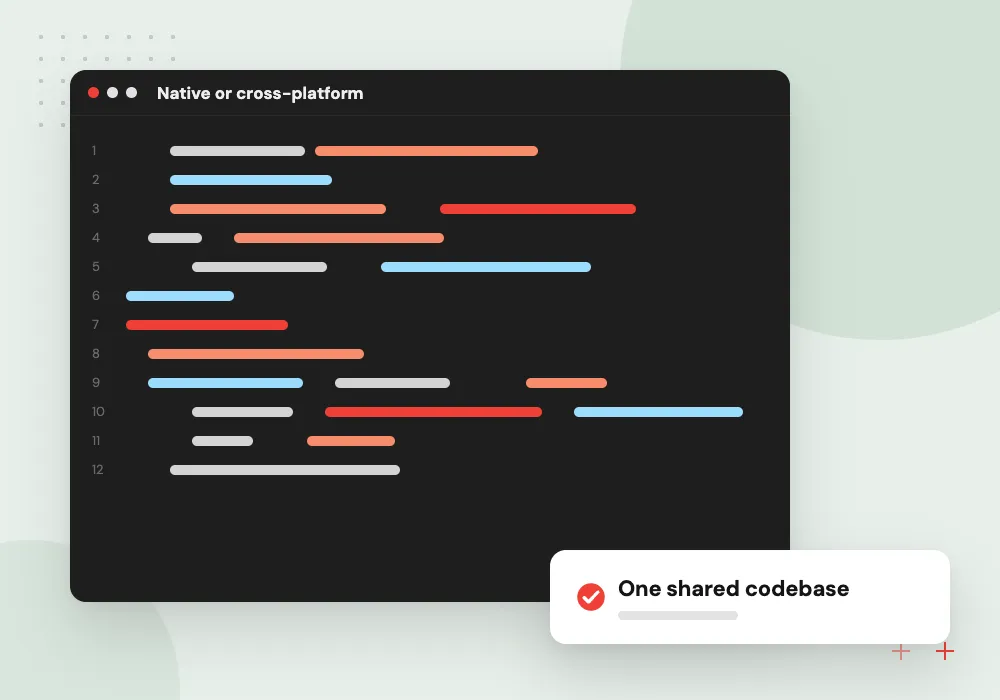
Native or cross-platform
Separate Swift and Kotlin apps give the deepest device access. Flutter or React Native share one codebase across iOS and Android, usually lowering build and upkeep effort.
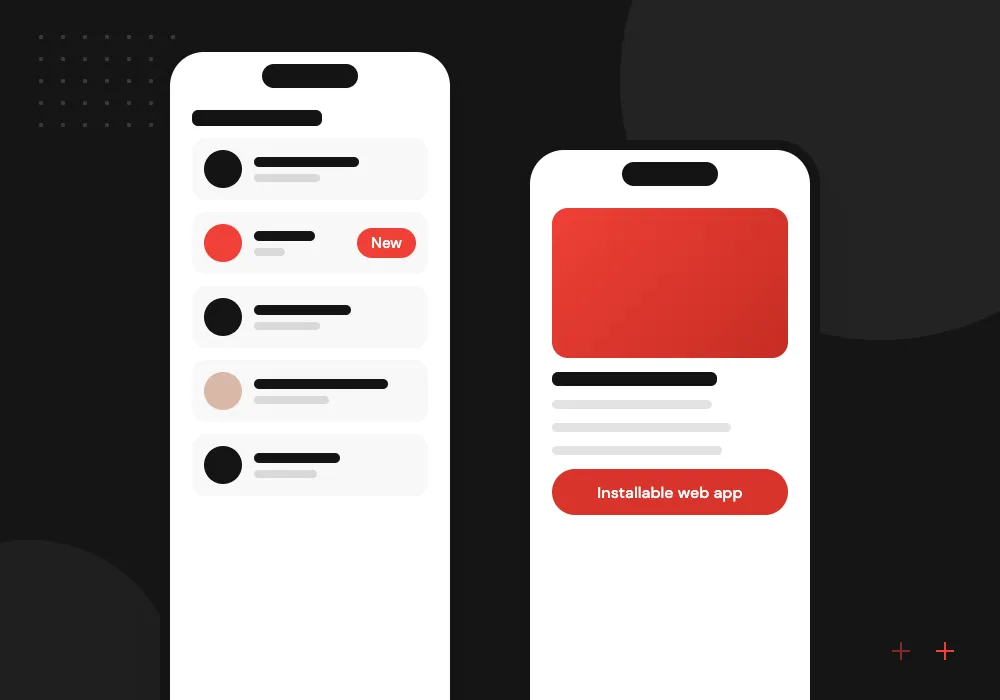
App store or PWA
A progressive web app installs from the browser and skips store review, so it usually costs less, though some device features are limited, especially on iPhone.
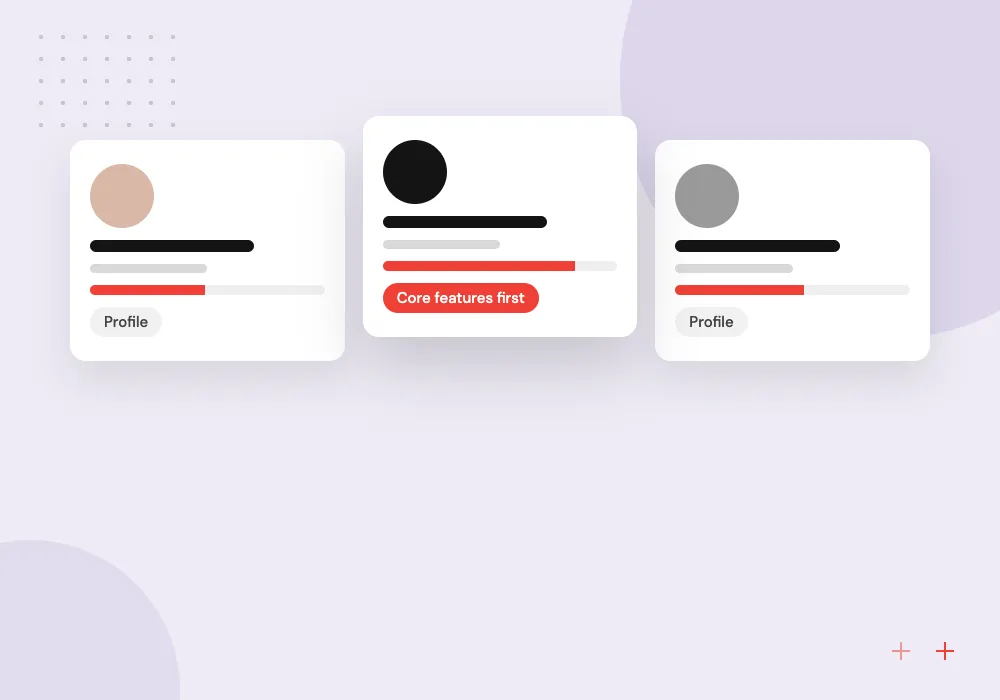
Feature count and roles
Each user role, such as customer, driver or admin, adds screens and permissions. Payments, maps, chat and offline mode each add work.
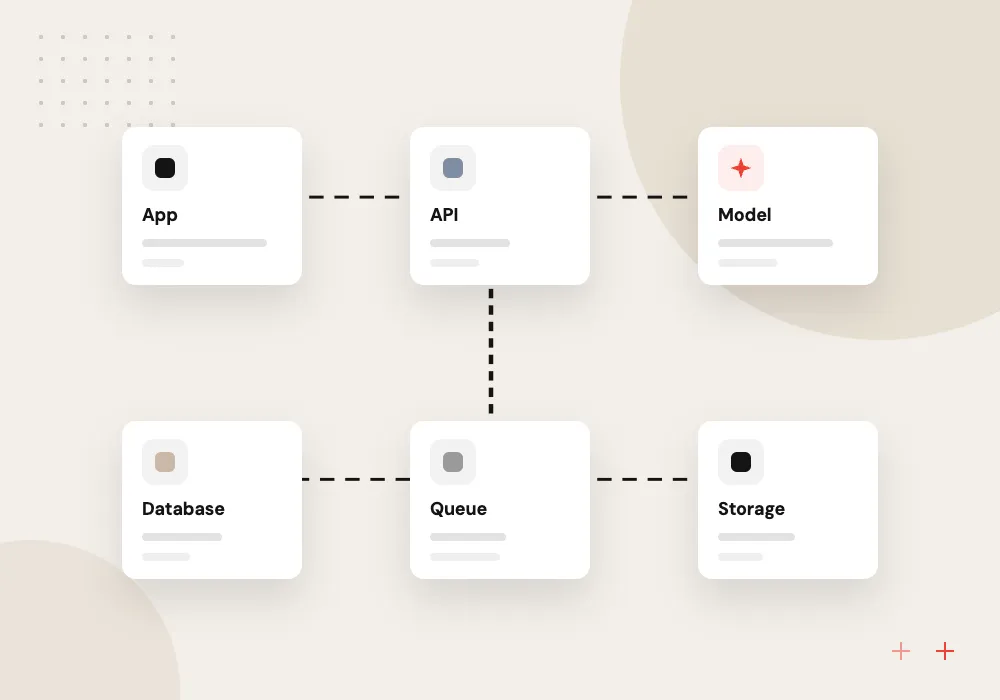
New or existing back end
Reusing your current APIs, ERP or Odoo data saves building a new server, which is a large share of many budgets.
What AI features add to the budget
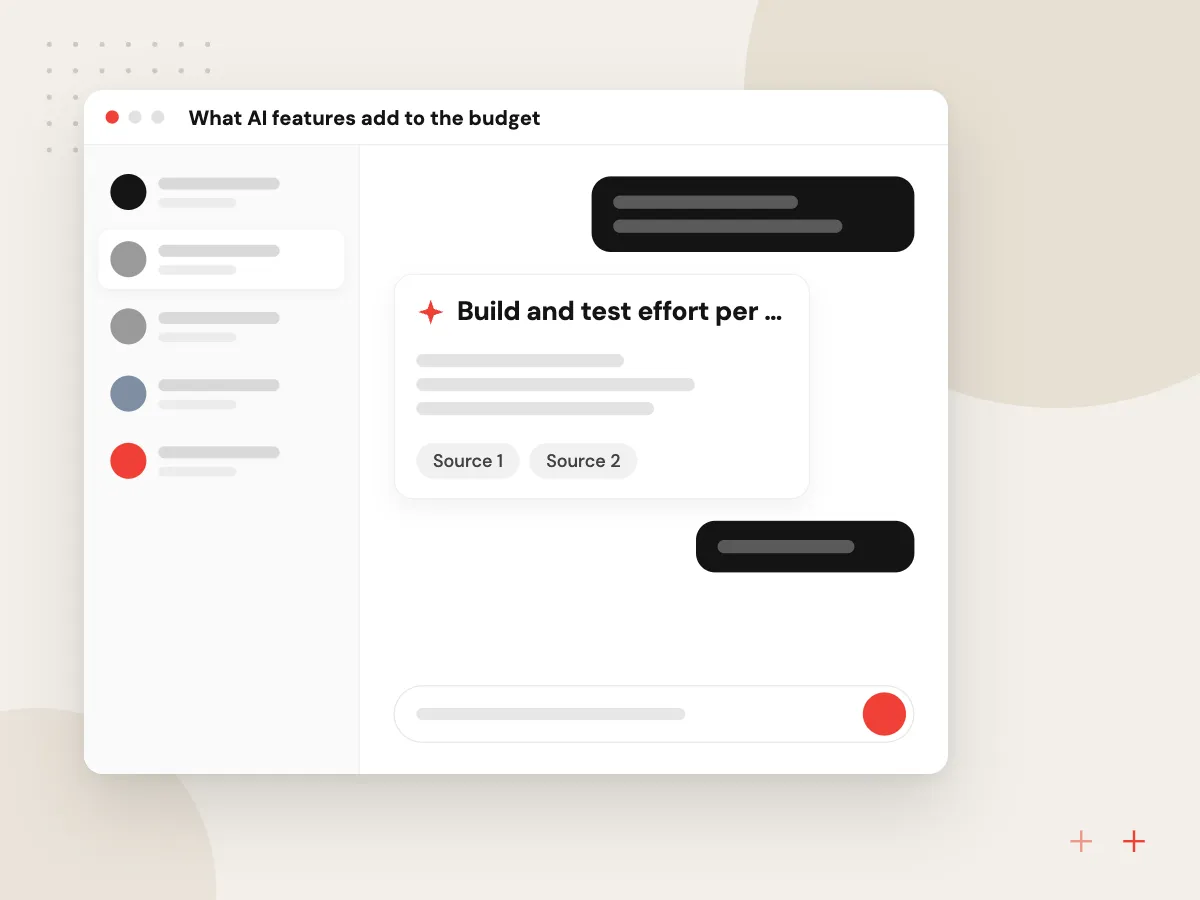
An in-app assistant, photo recognition or voice input adds three kinds of cost: building and testing the feature, model usage billed per request after launch, and time to check answer quality. We estimate each part on its own line, so you can launch without AI and add it later.
What we do
- Build and test effort per feature
- Per-request model usage forecast
- On-device or cloud model choice
- Review time for answer quality
- Option to add AI in release two
The estimate, line by line
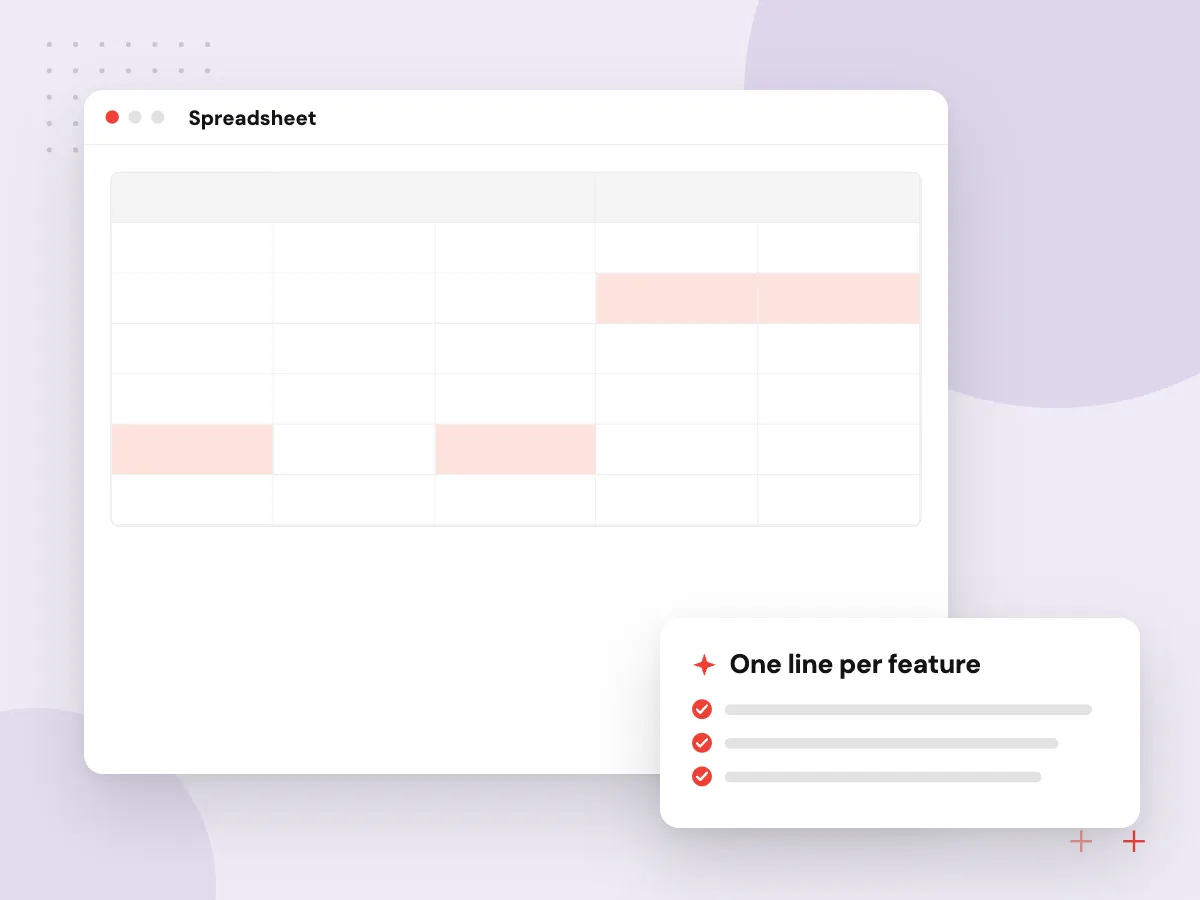
Our app estimate is not one number. Each feature has its own line with design, development and testing effort, the platforms it applies to and any paid service it needs, so you can drop or postpone a line and see the new total.
What we do
- One line per feature
- Design, build and test effort split
- Paid services named per feature
- Release one and later releases marked
- Yearly running costs listed apart
How we approach a project
Running costs after launch. Plan for cloud hosting, third-party services such as maps, text messages, email and push notifications, the Apple and Google developer accounts, crash reporting and regular updates. Both app stores raise their technical requirements over time, and software maintenance and support plans cover that work.
How to keep cost down. Launch an MVP with the one journey users need most, then add features based on real use. Choose Flutter or React Native when both iOS and Android are needed, or a progressive web app when store presence is not essential. Use ready-made services for sign-in, payments and notifications.
How we work
- Fixed estimate after discovery
- First version kept small
- Running costs listed in advance
Our Process
-

Idea and goals
We agree who the app is for, the main job it does and the platforms it needs.
-

Flows and wireframes
The main journeys are sketched screen by screen, bringing hidden features to light.
-

Feature-level estimate
Each feature gets its own estimate, so items can move in or out of version one.
-

Fixed plan for release one
A written scope, delivery plan, fixed estimate and a list of yearly running costs.
How Aranv keeps estimates honest
Discovery before any figure
We do not quote from a feature list on a call. Flows and wireframes come first, so the estimate covers the screens and states the app will have.
Platform advice without a favorite
Our team builds native, Flutter, React Native and web apps, so the recommendation follows your users and budget rather than a preferred tool.
Running costs in the same document
Hosting, store accounts, service fees and update work sit next to the build estimate, so the first year’s total is clear before you commit.
Existing systems reused
If your ERP, Odoo or current APIs already hold the data, we build on them instead of a new back end, which can remove a large part of the work.
Let’s talk about your next step.
Tell us about your workflow, current tools and goals.
App development cost FAQs
-
How much does an app cost to build?
There is no honest single figure, because a booking app and a marketplace with payments differ greatly in effort. We give a fixed estimate after discovery, once screens, user roles, integrations and platforms are agreed.
-
Is a cross-platform app cheaper than two native apps?
Usually, yes. Flutter and React Native let one team write most of the code once for both platforms, which lowers build and maintenance effort. Native apps still make sense for heavy use of device hardware or advanced graphics.
-
What does progressive web app development cost compared with a mobile app?
A PWA is usually less expensive because it is one web codebase, needs no store review and updates as soon as you deploy. The trade-off is reach and device access: some features are limited on iPhone, and it does not appear in app store searches unless packaged separately.
-
What ongoing costs should we plan for after launch?
Hosting, third-party service fees, developer accounts, monitoring and updates for new iOS and Android versions. An Android app that falls behind Google Play’s target version rules can be hidden from new users on newer devices, so we list these costs with the estimate.
-
Can we get a fixed price for our app?
Yes, for a defined first release. After discovery we fix the scope, plan and price for that version. Later features can be estimated the same way or handled by a monthly team, which suits apps that change often.
-
How can we reduce app development cost?
Cut the first version to the journey that proves the idea, reuse your existing back end and data, choose cross-platform or a PWA where it fits, and pick ready-made services for sign-in and payments. Clear, quick decisions on your side also shorten the schedule.

Let’s talk about your next step
Contact Aranv to discuss your workflow, current tools, and goals. Meet with our team or send an inquiry.
Book a meeting with our team
Choose an available date and time for a 30-minute conversation about your project.
Tell us about your project
Share a few details so we can discuss a useful next step.
Prefer email? sales@aranv.com