


What conversational AI development includes
Aranv offers conversational AI platform development for growing American companies that want a single assistant answering customers on web chat, text, WhatsApp and phone. We connect it to your CRM and order systems, carry context from one channel to the next and pass hard cases to staff with the full history.
A conversational AI platform has three layers: the channels people use, an engine that tracks who is speaking and what was agreed, and the business systems behind it. A custom build pays off when conversations must read and write data in your own systems. For a single website bot, our AI chatbot development service is usually the quicker route.
Each channel behaves differently. Text messages need short replies, WhatsApp has its own template and opt-in rules, and a phone call needs speech recognition and fast turn-taking. Voice is built through our AI voice agent work and messaging through WhatsApp AI chatbot projects, while knowledge, rules and the customer record stay shared.
How one conversation moves across channels
One assistant, many entry points
- 01 Customer starts anywhere A question arrives by web chat, text message, WhatsApp or a phone call.
- 02 Assistant recognizes the person It matches the phone number or login to the customer record in your CRM.
- 03 Answers from approved sources Replies draw on your policies, order data and help articles, never on guesses.
- 04 Staff take over cleanly Complex or sensitive cases reach a person with the transcript attached.
Each channel has its own limits on message length, media and timing, so replies are shaped per channel.
Multi-channel AI assistant projects we build
Most requests start with a team answering the same questions on four channels with four different tools.
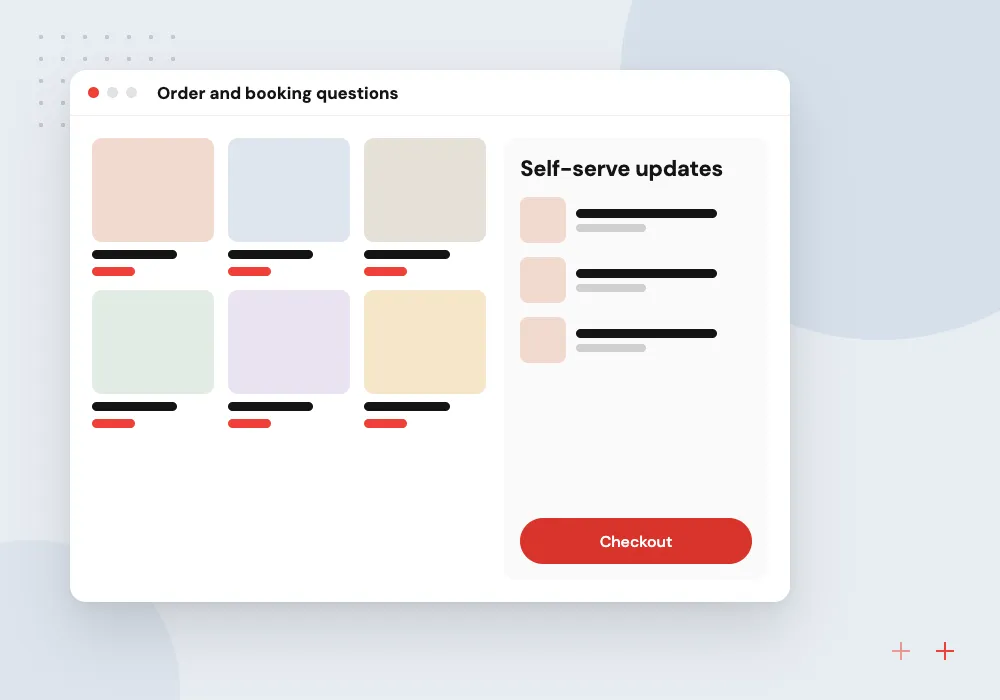
Order and booking questions
Customers ask where an order is, change a delivery date or move an appointment, and the assistant checks the live system before it replies.
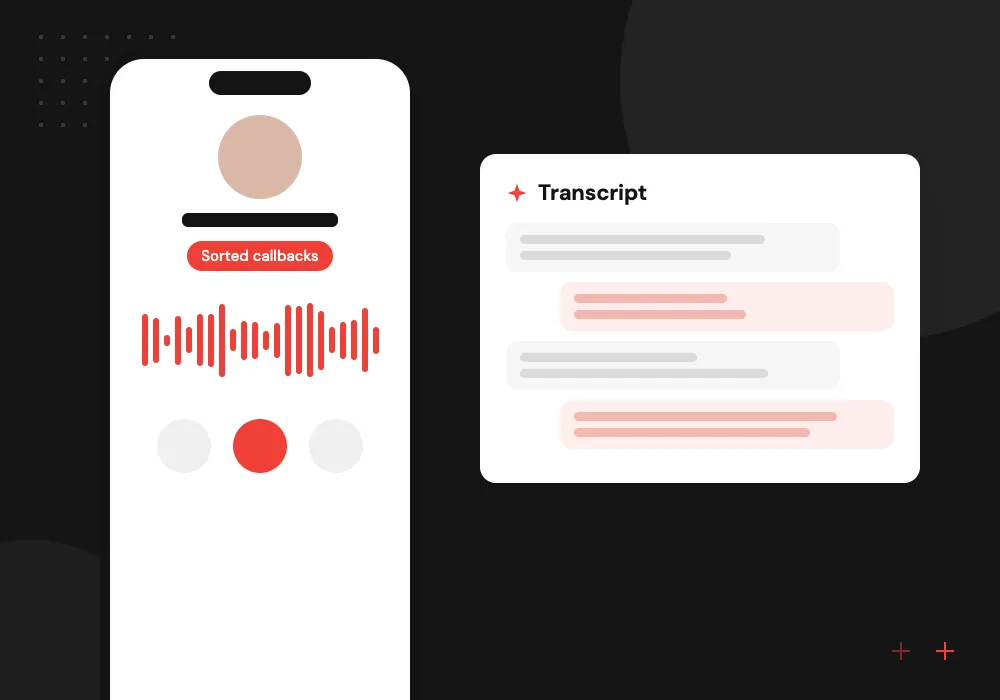
After-hours phone and text
Calls and texts outside office hours get answered, logged and turned into callbacks for the next morning, sorted by urgency.
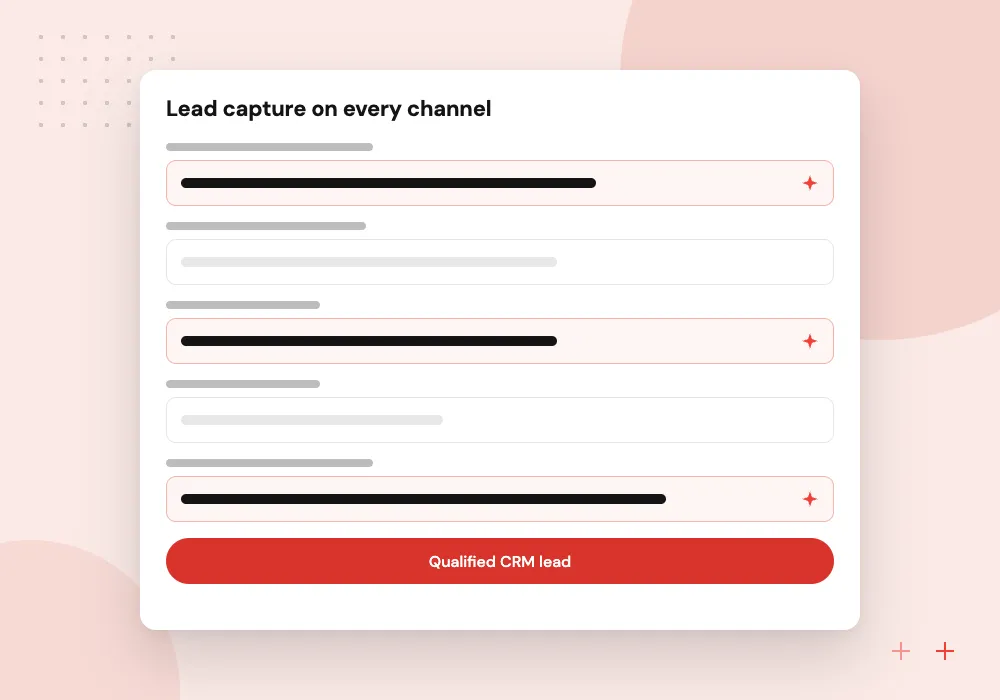
Lead capture on every channel
Visitors from ads, your website or WhatsApp answer a few qualifying questions, then the assistant books a meeting or opens a CRM lead.
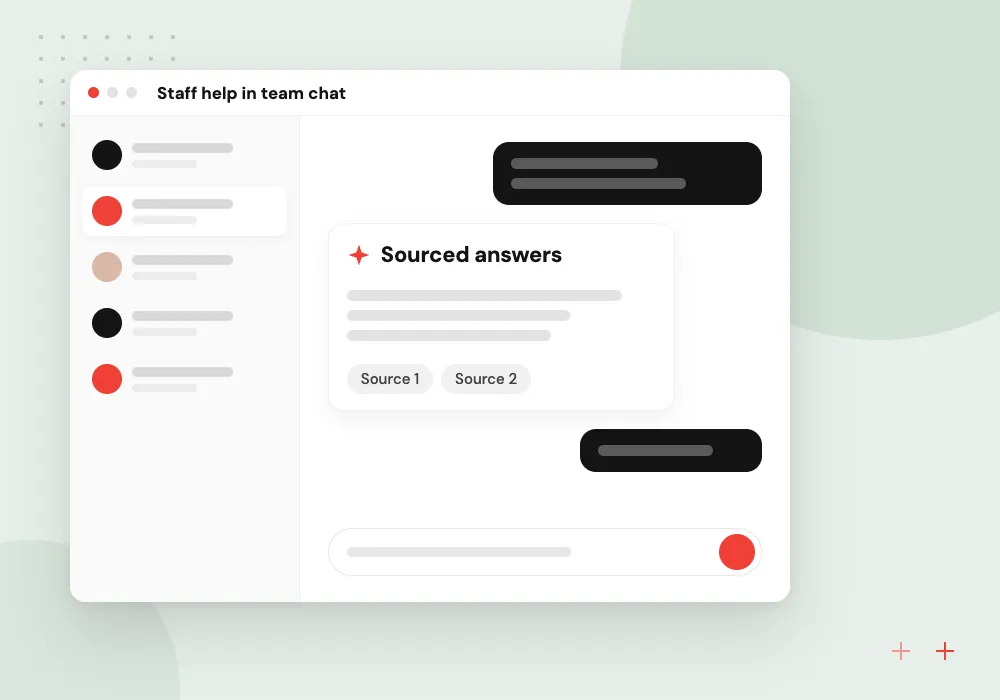
Staff help in team chat
Your people put leave, laptop or product questions to the assistant in Teams or Slack and get a reply with the source document linked.
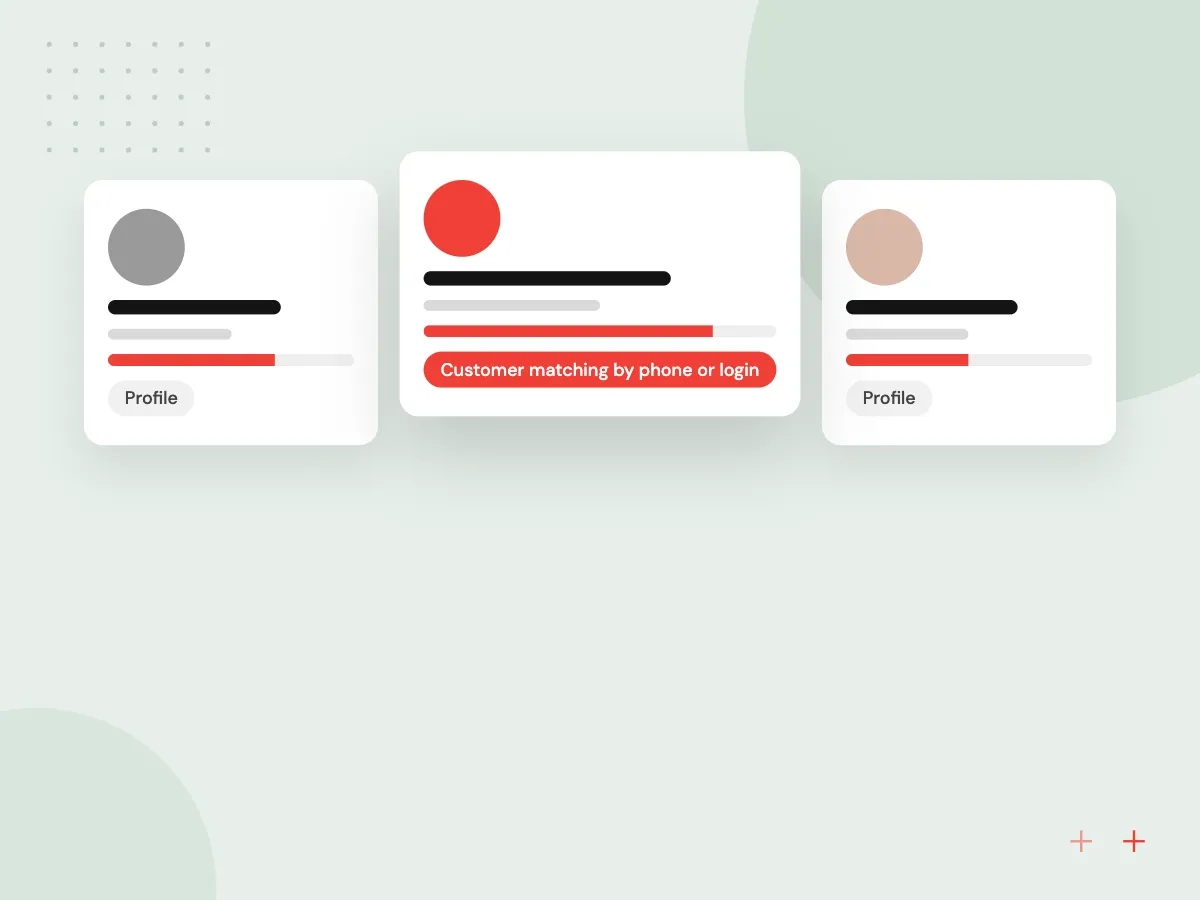
Shared memory across every channel
If a customer texts on Monday and calls on Wednesday, the assistant should know about both. We tie conversations to one customer record and save a short summary of each, kept within the retention limits you set.
What we do
- Customer matching by phone or login
- Conversation summaries saved to the CRM
- Retention and deletion rules
- Consent and opt-out tracking per channel
- Search across all transcripts
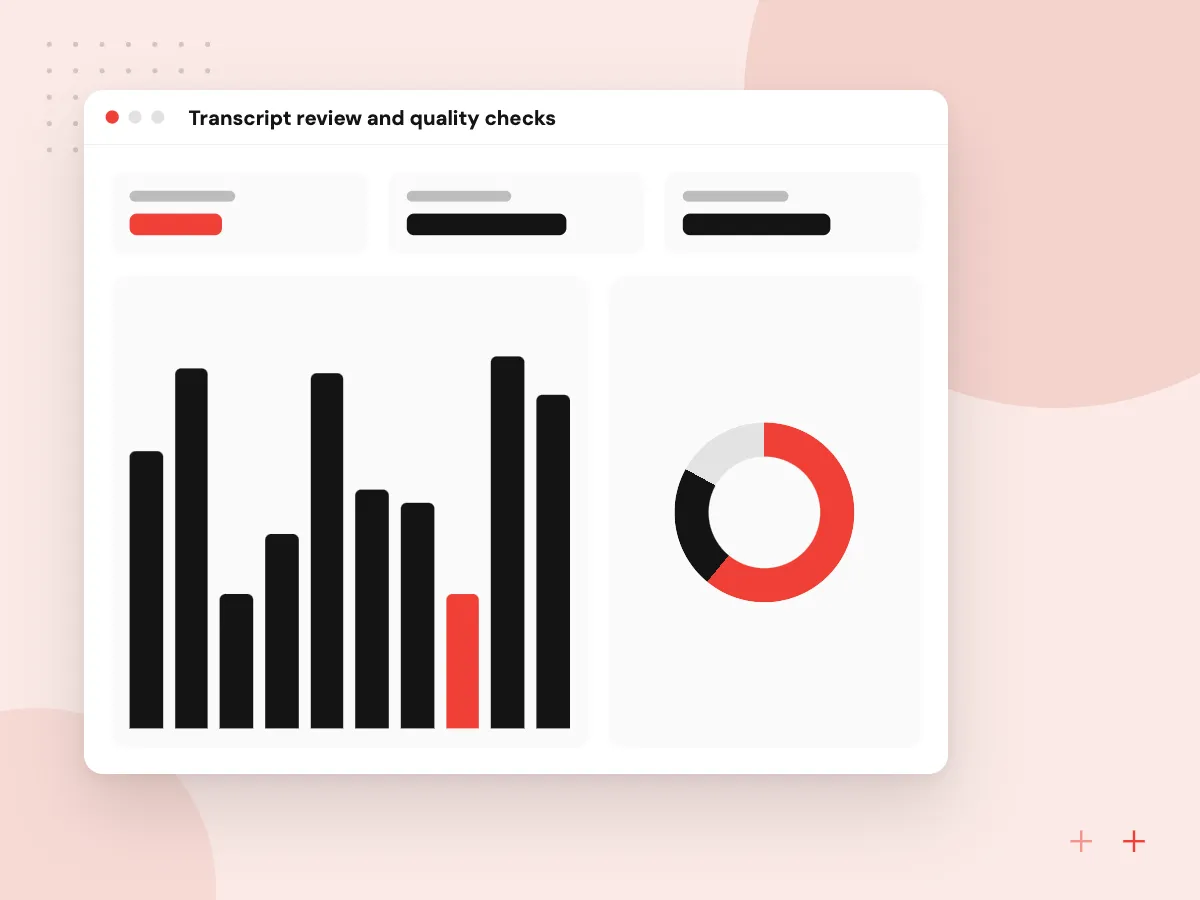
Transcript review and quality checks
Every conversation is logged with the sources used and the actions taken. A review screen lets your team rate answers, correct the knowledge base and see which questions end in a handoff.
What we do
- Flagged transcript queue
- Answer ratings by staff
- Handoff and resolution reports
- List of knowledge gaps
- Test set refreshed from new cases
How we approach a project
The language model is one part of the system. We connect it to your CRM, helpdesk or ERP through LLM integration, give it read and write tools with narrow permissions, and keep answers tied to approved content. When ticket volume is the main pressure, see our customer support automation page.
Web chat has to work for everyone. Chat windows follow the W3C WAI-ARIA guidance for live regions so screen reader users hear new messages, and the assistant says plainly that it is an AI. If you are still weighing a bot against human agents, our chatbot vs live chat guide sets out the trade-offs.
How we work
- One conversation record per customer
- Channel-aware replies, shared knowledge
- A person within reach at every step
Our Process
-

Channel and question audit
We pull a sample of recent chats, texts, emails and call notes and group them by intent and channel.
-

Write the conversation rules
For each intent we set what the assistant may answer, which systems it reads and when it hands over.
-

Replay real transcripts
Past conversations run against the assistant, and your team marks wrong, vague or off-policy replies.
-

Launch one channel, then add
The first channel goes live with staff reading transcripts daily; later channels reuse the same knowledge and rules.
Why Aranv for conversational AI
Channels planned together
We design web chat, text, WhatsApp and voice as one system from the start, so adding a channel later reuses rules and knowledge instead of starting over.
Live data, not stale answers
The assistant checks order, booking or account records through APIs before stating a fact, and says so when a system is unavailable rather than inventing a reply.
Handoffs your staff accept
Handoff triggers are agreed with your team leads, and each handoff carries the summary, transcript and customer record so nobody asks the customer to repeat themselves.
Transcripts under your control
Conversation logs live in your systems or cloud account, with retention periods you choose and access limited by role.
Planning Conversational AI Development?
Book a 30-minute conversation with the team that would build it.
Conversational AI FAQs
-
What is the difference between conversational AI and a chatbot?
A chatbot usually answers questions in one place, such as a website widget. Conversational AI is the wider system: several channels, memory of the customer across them, links to business data and handoff to people.
-
Can one AI assistant handle web chat, SMS, WhatsApp and phone calls?
Yes. Knowledge, rules and the customer record are shared, while each channel gets its own formatting and limits. Voice needs extra work on speech recognition and speed, so text channels often launch first.
-
Should we buy a conversational AI platform or build our own?
Buy when your questions are standard, one or two channels carry most traffic and the vendor’s connectors fit your systems. Build when conversations must change orders, bookings or records in your own software, or when per-conversation fees grow faster than the value. A packaged channel tool with custom logic behind it is a common middle path.
-
How do you stop the assistant from giving wrong answers?
We limit it to approved sources, make it check live data before stating order or account details, and list topics it must refuse or pass to staff. Before launch it is tested against real past conversations, and after launch your team reviews flagged transcripts each week.
-
What affects the cost of a conversational AI project?
Channel count, the systems it must read and update, monthly conversation volume, whether voice is included and how strict the review rules are. Once the transcript audit is done, you receive a phased written quote, so one channel can be funded first.

Let’s talk about your next step
Contact Aranv to discuss your workflow, current tools, and goals. Meet with our team or send an inquiry.
Book a meeting with our team
Choose an available date and time for a 30-minute conversation about your project.
Tell us about your project
Share a few details so we can discuss a useful next step.
Prefer email? sales@aranv.com