


Choosing among customer service chat options
Aranv’s answer on chatbot vs live chat: an AI chatbot answers routine questions at any hour without adding staff, while live chat puts a trained person on complex, emotional or high-value conversations. Many businesses run both, with the chatbot taking routine requests and passing the rest to a person along with the context.
Start with your chat transcripts or support inbox. If most questions repeat, such as delivery times, returns and opening hours, an AI chatbot built on your help content can answer them and free staff for the rest. If most conversations are complex sales or account problems, staffed live chat is the better core, with a bot only collecting details first.
Most design work sits in the hybrid. The bot needs a clear rule for handing off: a complaint, a request for a person, repeated failed answers or a high-value order. W3C’s accessibility guidance on consistent help lists a chatbot and a way to reach a person as separate help mechanisms, each kept in the same relative place across your pages.
A hybrid chat flow
Bot first, people when it counts
- 01 Visitor opens chat The chatbot greets them, says it is automated and asks what they need.
- 02 Routine question answered Hours, order status and policy questions get answers from your approved content.
- 03 Handoff when needed Complaints, complex cases or a request for a person go to the live queue.
- 04 Staff see the history The team member reads the whole conversation and continues without repeating questions.
Outside staffed hours, the chatbot takes a message and states a reply time you can keep.
AI chat or human chat: four differences
Both sit in the same chat window. They differ in availability, cost structure and the conversations they handle well.
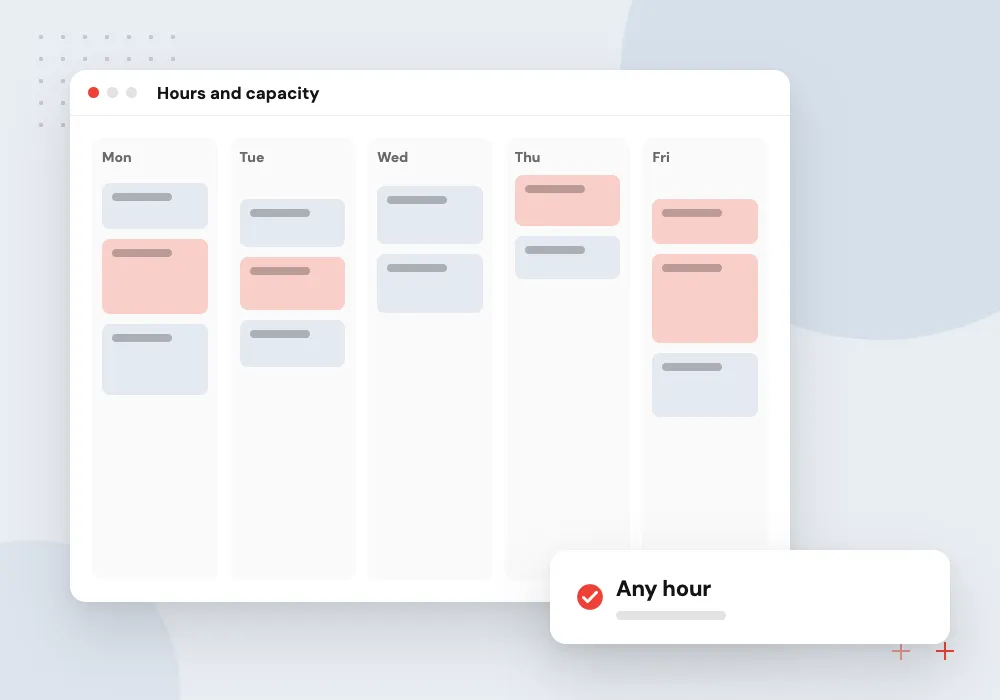
Hours and capacity
A chatbot replies at any hour and to many visitors at once. Live chat is limited to staffed hours and the number of people on shift.
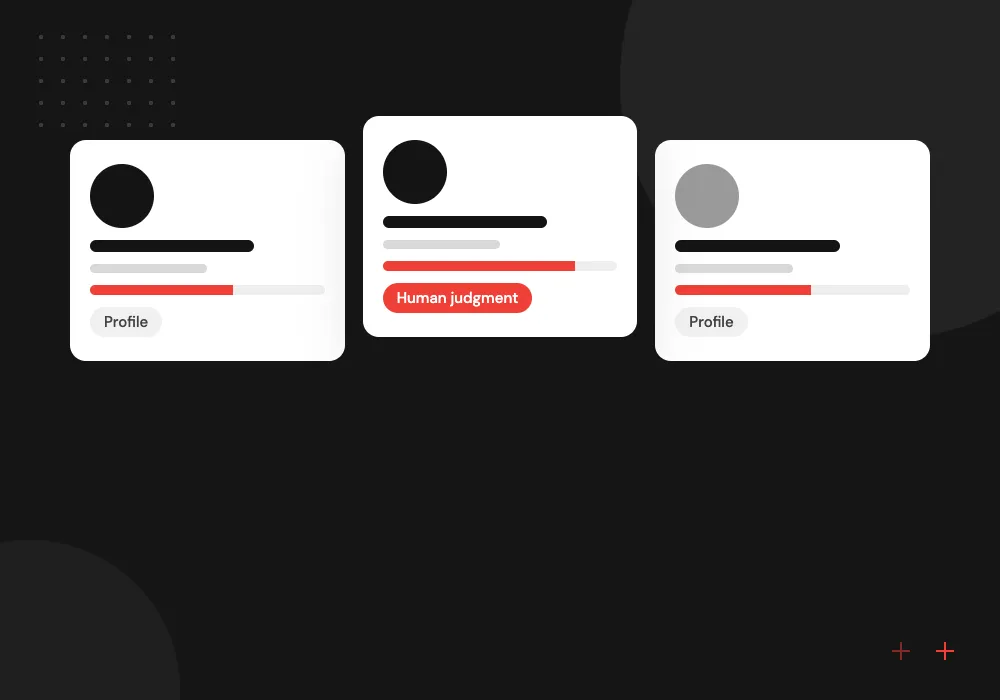
Handling complex cases
People read frustration, make sensible exceptions and solve problems no article covers. Chatbots work best within questions you have planned for.
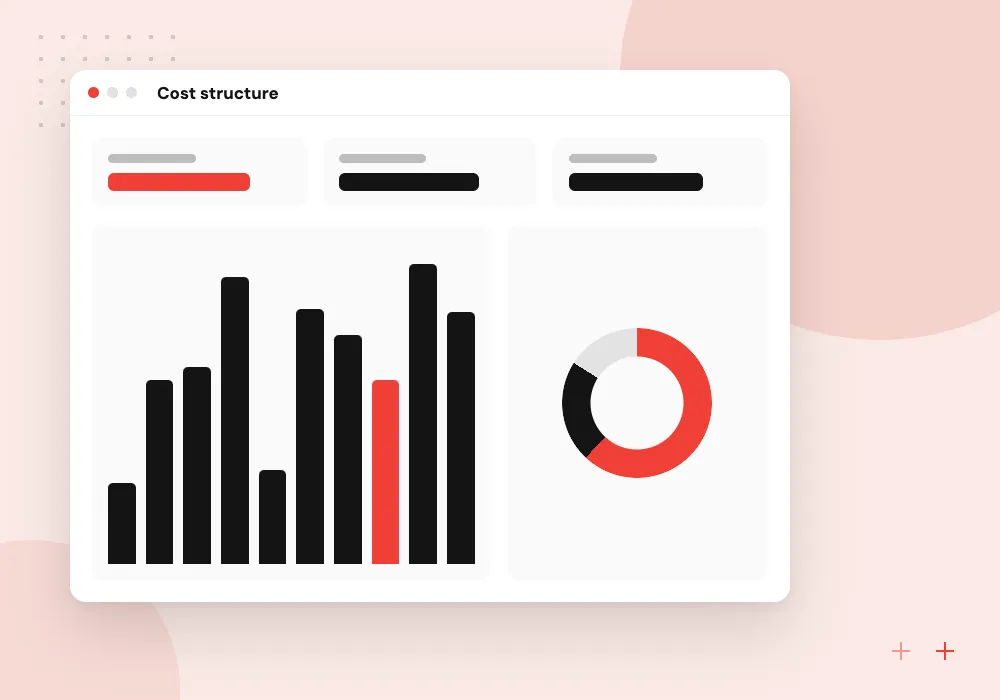
Cost structure
Live chat cost rises with staff hours. A chatbot has a build cost, a small usage cost per conversation and ongoing upkeep of its content.
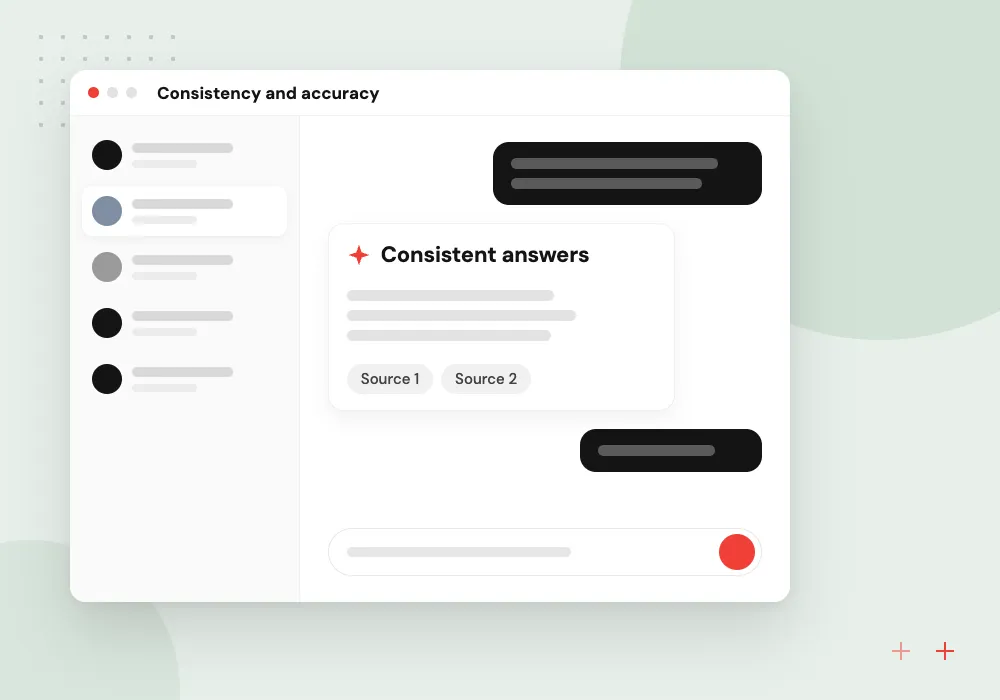
Consistency and accuracy
A tested chatbot gives the same approved answer each time but can be confidently wrong outside its content. Trained staff vary more but can check facts.
When a chatbot should lead
A chatbot fits sites where the same questions arrive all day: store hours, delivery estimates, return steps, booking changes. It answers at once, in the same words each time, and covers nights and weekends. Its content needs an owner who updates it whenever policies change.
What we do
- Answers from your help center
- Order lookups by number
- After-hours message capture
- Clear label that it is automated
- One-click path to a person
When live chat should lead
Live chat fits conversations where judgment and trust matter: a complaint, a large B2B order, a billing dispute, a confused first-time buyer. A person can ask follow-up questions, make exceptions and calm a frustrated customer, while AI helps in the background with suggested replies and account details.
What we do
- Staffed queue during set hours
- Suggested replies for agents
- Account details beside the chat
- Summaries for shift handover
- Satisfaction check after each chat

How we approach a project
A handoff should carry context. The staff member should see the conversation, the customer’s order or account and what the bot already tried, inside the helpdesk they already use. Customer service automation covers that integration, and AI ticket routing sends each handoff to the right person.
If customers mostly call rather than type, the same choice applies by phone: an AI voice agent answers routine calls and transfers the rest. To decide whether your bot should also take actions, read the AI agent vs chatbot guide.
How we work
- Say clearly when it is a bot
- Make reaching a person easy
- Pass the full context along
Our Process
-

Read a month of chats
Tag each conversation by topic and note whether a script could have answered it.
-

Set your service hours
Decide when people are available and what visitors see outside those hours.
-

Write the handoff rules
List the topics, phrases and order values that send a chat straight to a person.
-

Launch and review weekly
Read a sample of bot conversations each week and fix the content behind failed answers.
How Aranv helps with chat
Decisions based on your transcripts
We review a sample of your past chats or emails with you and show what share a chatbot could answer before recommending a setup.
Handoff built into your helpdesk
We connect the chatbot to the helpdesk or chat platform your team already uses, so each handoff arrives with the full conversation attached.
Content your team can edit
Answers come from help articles your staff maintain, so changing a policy or a delivery time does not need a developer or a new release.
Clear limits on what it says
The chatbot stays within approved topics, says when it does not know and offers a person instead of guessing.
Ready to act on this guide?
Ask our team in a 30-minute conversation.
Or see how we build it: Explore all services
Chatbot vs live chat FAQs
-
Is a chatbot cheaper than live chat?
For high volumes of repeated questions, usually, because staffing cost grows with every hour of coverage while a chatbot’s cost per conversation is small. For low volumes, a small live chat team may cost less than building and maintaining a good chatbot. Compare both against your actual chat volume.
-
Do customers prefer a person or a chatbot?
It depends on the task. Many people accept a quick automated answer to a simple question and want a person for complaints, billing problems or anything urgent. Difficulty reaching a person is a common complaint about bots, so make that path easy to find.
-
Can a chatbot hand a conversation to a live agent?
Yes, most helpdesk and chat platforms support it. The chatbot passes the conversation history and any details it collected, and the person continues in the same window. Outside staffed hours, the bot should take contact details and create a ticket instead.
-
What should a small business with no support team do?
Start with a chatbot for common questions and a simple form or email fallback for the rest, answered by whoever handles customer messages today. Add live chat when volume or the value of each conversation justifies someone watching the queue.
-
Can live chat agents use AI too?
Yes. AI can suggest replies, pull up order details and summarize long conversations for the agent, who stays in control of what is sent. This suits teams that want faster responses without putting a bot in front of customers.

Let’s talk about your next step
Contact Aranv to discuss your workflow, current tools, and goals. Meet with our team or send an inquiry.
Book a meeting with our team
Choose an available date and time for a 30-minute conversation about your project.
Tell us about your project
Share a few details so we can discuss a useful next step.
Prefer email? sales@aranv.com