


What our AI red teaming covers
Aranv provides AI red teaming for companies putting chatbots, RAG search or AI agents in front of customers or connecting them to business systems. We attack the system the way a hostile user or a tampered document would, record what got through, help fix it and retest before launch.
We test the full application, not just the model: the system prompt, the retrieval layer, connected tools, user permissions and the screens around them. The OWASP entry on prompt injection and the rest of its LLM top ten give a shared vocabulary, and we add attacks specific to your data and workflows.
Agents need extra attention because they act. For systems from our AI agent development or MCP server development work, and for systems built by others, we check that each tool enforces its own permissions and that risky actions wait for a person. Our AI agent security checklist lists controls to have in place before testing.
Finding the weak points before attackers do
Attack, report, fix, retest
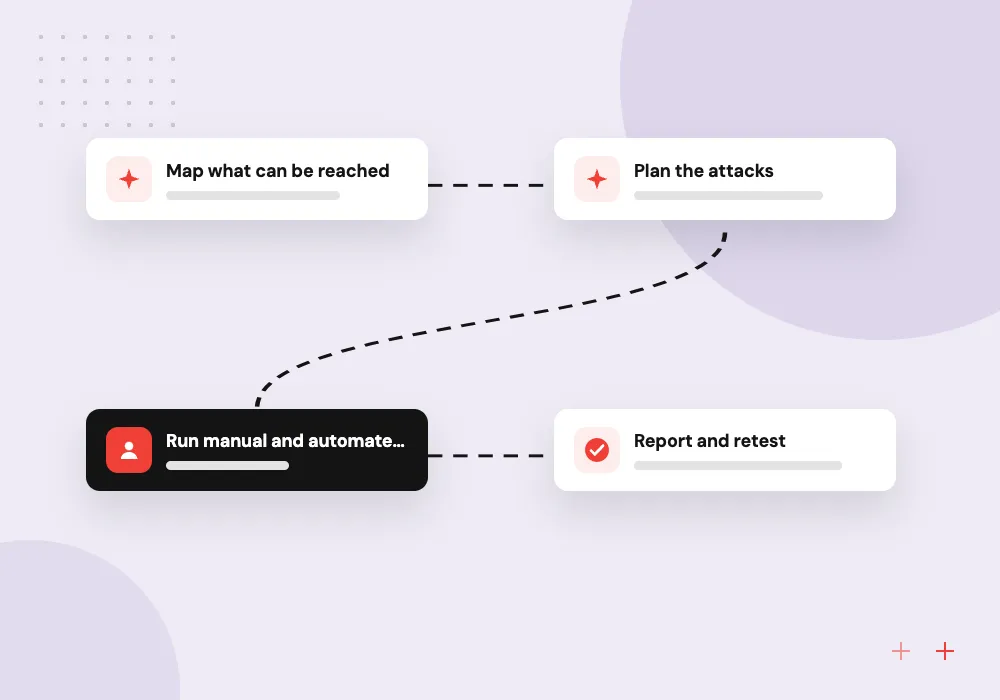
- 01 Map what can be reached Data sources, tools, accounts and actions the AI system can touch.
- 02 Plan the attacks Scenarios drawn from OWASP’s LLM risk list and your own threat model.
- 03 Run manual and automated tests Hand-written attacks plus generated variants at volume, all logged.
- 04 Report and retest Findings ranked by impact, fixes agreed, then the same attacks run again.
Red teaming lowers risk; it cannot prove a system is safe. New attack styles appear, so testing repeats after major changes.
LLM security testing we run
The riskiest AI systems are the ones that read outside content and can take actions.
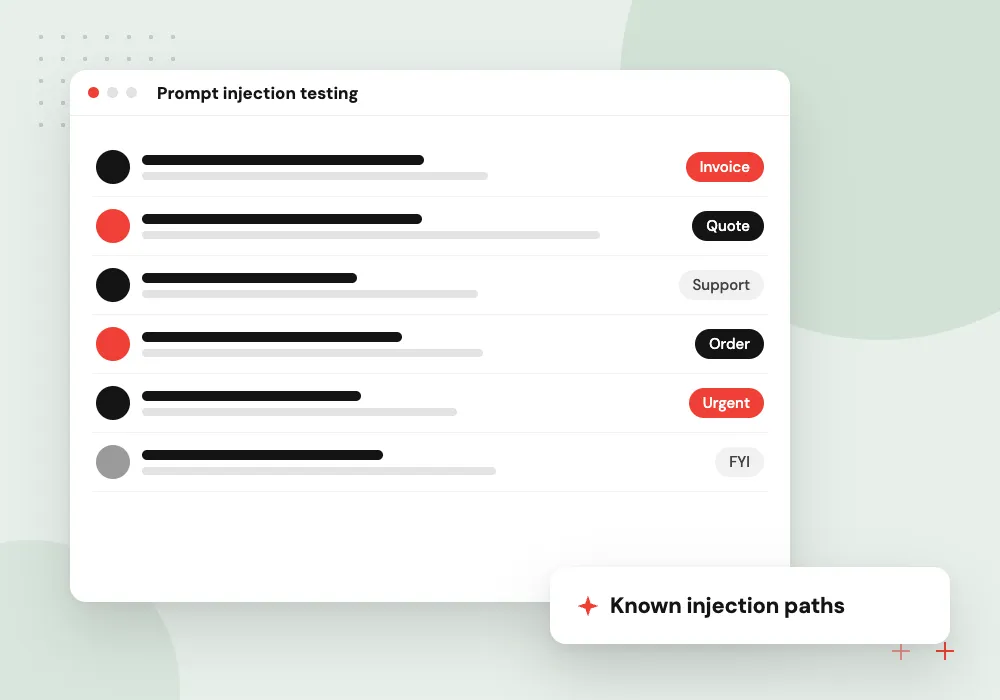
Prompt injection testing
Direct attempts by users to override instructions, plus hidden instructions planted in emails, web pages or uploaded files the system reads.
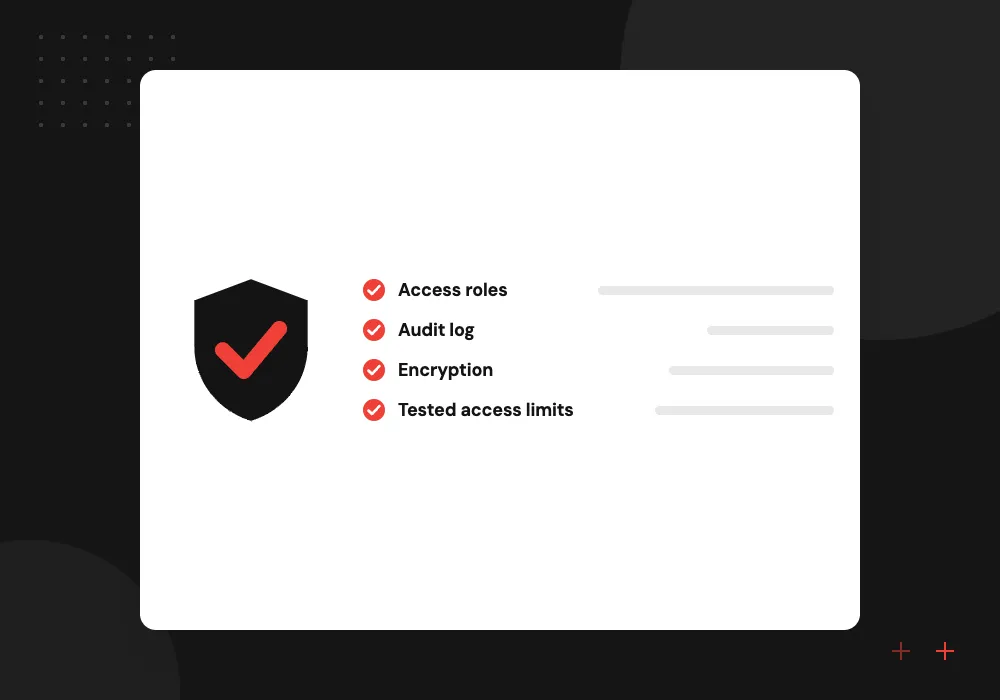
Data leak checks
Attempts to pull system prompts, other customers’ records or documents the user should not see, through clever questions or retrieval tricks.
Agent tool misuse
Scenarios that push an agent to call tools with harmful arguments, skip approval steps or loop until it runs up costs.
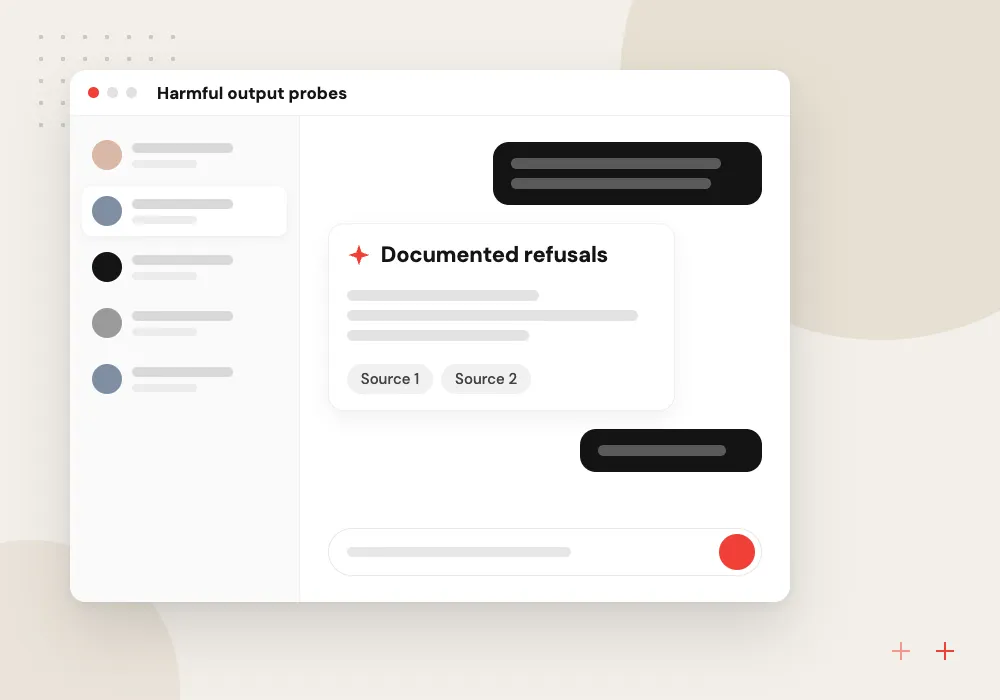
Harmful output probes
Requests for unsafe advice, offensive content or false claims about your products, tested in each language and channel you support.
Prompt injection and data access testing
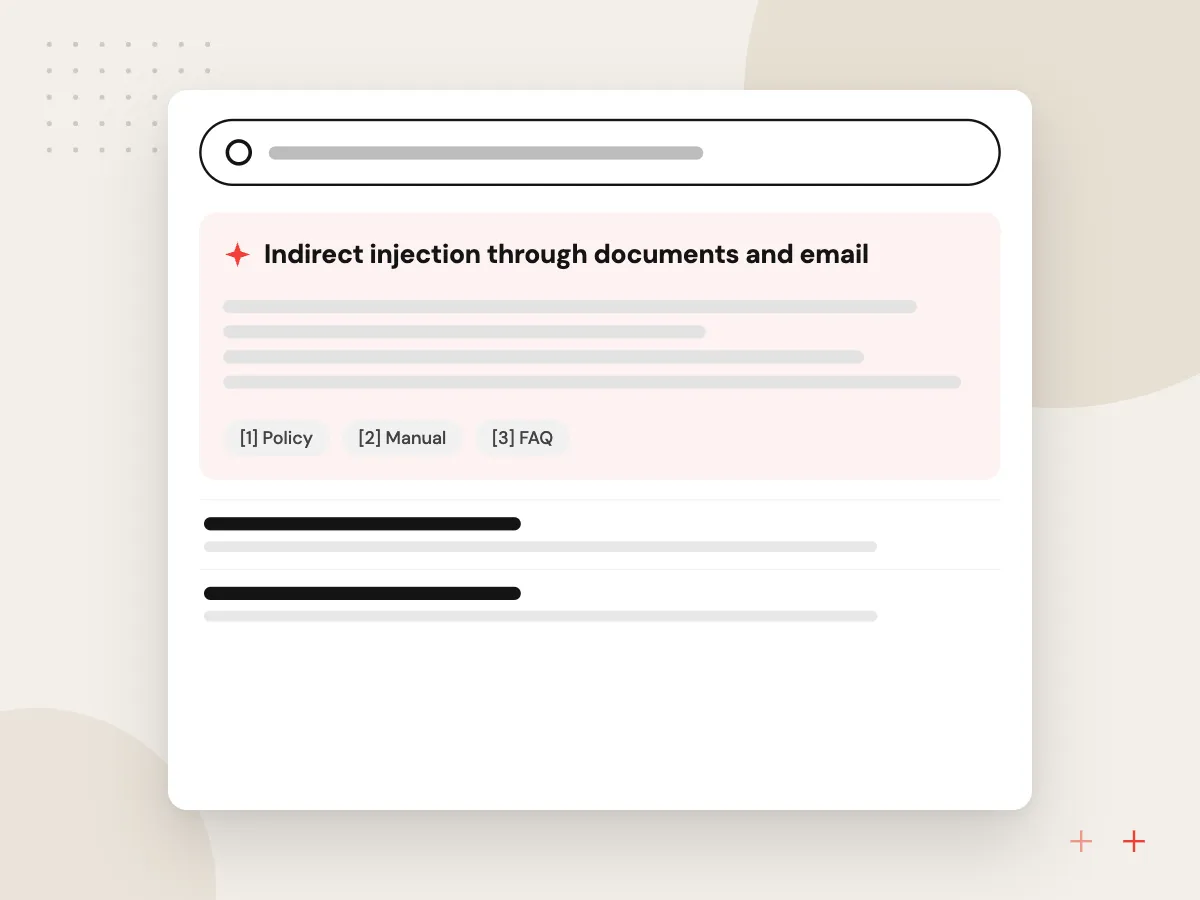
We plant instructions in the documents, emails and pages your system reads, then check whether the model follows them, reveals its system prompt or retrieves records outside the user’s permissions. Each successful attack is saved with the exact input, the response and the data it exposed.
What we do
- Indirect injection through documents and email
- System prompt extraction attempts
- Cross-user and cross-tenant data checks
- Retrieval permission tests
- Reproducible attack log
Findings report and fix review
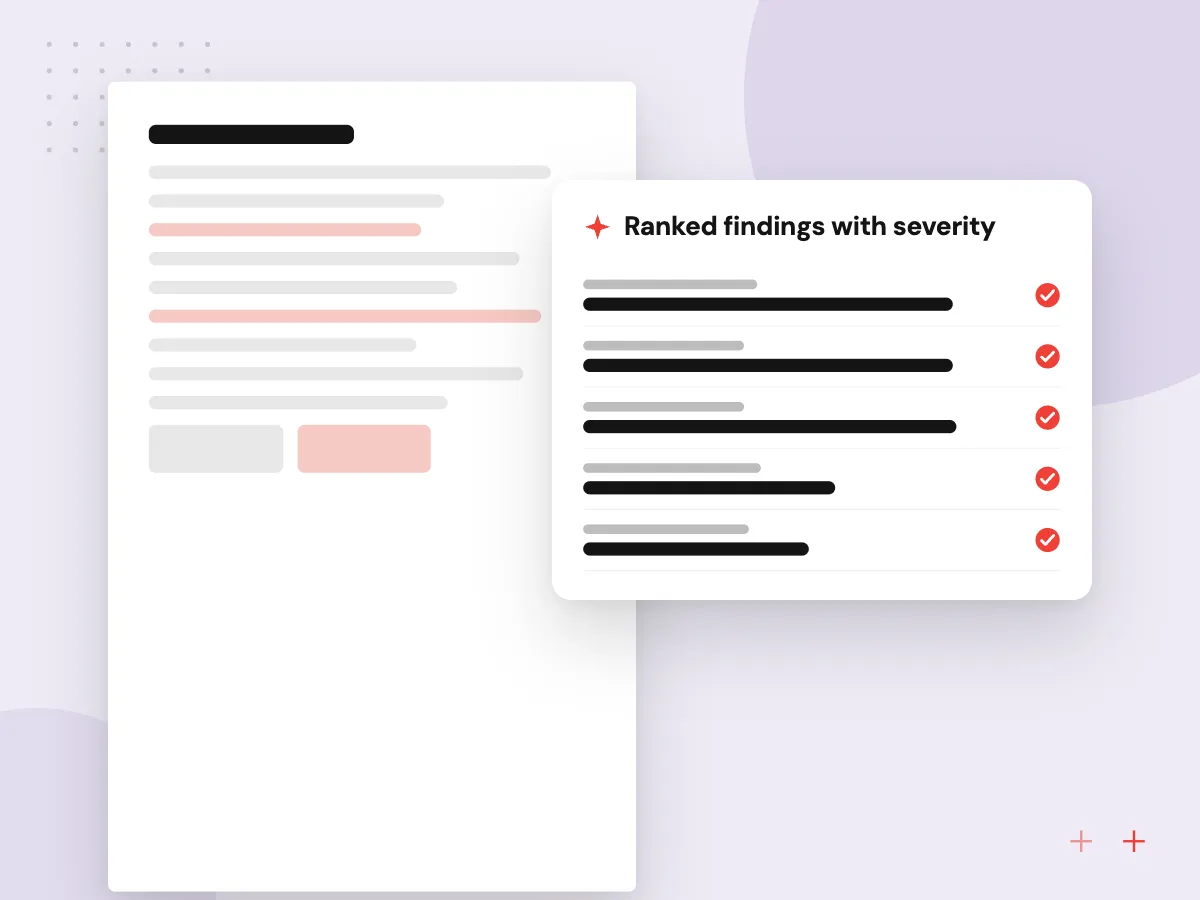
The report ranks each finding by impact and likelihood, explains it in plain terms for owners and in technical detail for developers, and suggests a fix. We review the fixes with your team, rerun every confirmed attack and add it to your regression tests.
What we do
- Ranked findings with severity
- Plain summary for leadership
- Reproduction steps for developers
- Fix recommendation per finding
- Retest results after fixes

How we approach a project
Findings go into a report ranked by impact and likelihood, with the exact inputs used, so your developers can reproduce each one. Fixes often combine stricter tool permissions, input and output filters, separation of trusted instructions from untrusted content, and narrower data access. Results also feed your AI governance records.
Red teaming complements LLM evaluation, which measures everyday answer quality. Confirmed attacks are added to the regression suite so they rerun on every release.
How we work
- Test the whole system, not the model
- Findings ranked by business impact
- Every fix retested the same way
Our Process
-

Agree scope and rules
We confirm which environments, accounts and data are in scope, what is off limits, and who to call if testing finds something serious.
-

Threat model the system
With your engineers we list who might attack it, what they would want and which inputs and tools give them a way in.
-

Test in a safe copy
Attacks run against a staging environment with test data where possible, so findings never touch real customers or live records.
-

Report, fix, retest
You get a ranked findings report and a debrief. After fixes, we rerun the attacks and record which ones are now blocked.
Why Aranv for AI red teaming
We build what we test
Our engineers build retrieval systems and agents, so we know where instructions, data and tools meet and where they tend to leak.
Testing within agreed limits
Scope, test accounts and stop rules are written down before testing starts, and your named contact hears about serious findings straight away.
Findings you can reproduce
Every finding comes with the exact inputs and responses, so your developers can confirm it and check their fix without us.
Attacks become regression tests
Confirmed attacks join your test suite, so a later prompt or model change cannot quietly reopen the same hole.
Planning AI Red Teaming?
Book a 30-minute conversation with the team that would build it.
AI red teaming FAQs
-
What is AI red teaming?
It is structured adversarial testing of an AI system. Testers act like hostile users or tampered data sources and try to make the system leak data, ignore its rules, produce harmful output or take actions it should not. The result is a list of real weaknesses and fixes, not a pass or fail stamp.
-
What is prompt injection and why does it matter?
Prompt injection is input that changes a model’s behavior in ways its builders did not intend. It can come directly from a user or indirectly from content the system reads, such as an email or a web page. It matters most when the model can see private data or call tools.
-
Can red teaming make our chatbot fully secure?
No test can promise that. Red teaming finds weaknesses that exist today and checks that fixes work. Because language models can be manipulated in new ways, design matters too: limited permissions, approval steps for risky actions and monitoring. We recommend retesting after major changes.
-
How long does an AI red team engagement take?
It depends on how many features, tools and user roles are in scope. A single chatbot with retrieval is a smaller job than an agent connected to email, a CRM and payments. We agree the scope and timeline in writing before testing starts.
-
Will LLM security testing touch our live systems or customer data?
We prefer a staging copy with test data. If testing must run in production, we agree limits first, such as test accounts only, no outbound messages and no real transactions, and a contact on your side stays available throughout.

Let’s talk about your next step
Contact Aranv to discuss your workflow, current tools, and goals. Meet with our team or send an inquiry.
Book a meeting with our team
Choose an available date and time for a 30-minute conversation about your project.
Tell us about your project
Share a few details so we can discuss a useful next step.
Prefer email? sales@aranv.com