


What AI app development includes
Aranv provides AI app development for US businesses and startups building mobile or web apps with AI at the center. We build AI-powered apps for iOS, Android and the browser that use on-device and cloud models for camera, voice, search and assistant features, with privacy and running cost planned from the start.
An AI app is still an app: screens, accounts, notifications, payments and a backend. Our mobile app development team handles native and cross-platform work, including Flutter and React Native builds, while this service concentrates on the AI features and the infrastructure behind them.
Most AI features call a model through your server, which holds the keys, applies limits and logs usage; our LLM integration work covers that layer. Features that must work offline or keep data on the phone use on-device models, which are smaller, so we test whether they reach the quality bar for each task.
How an AI feature fits into an app
Where the model runs
- 01 Pick the user moment The screen and task where AI saves effort, such as a photo or a search.
- 02 Choose device or cloud Small tasks run on the phone; heavier work goes to a cloud model.
- 03 Design for slow and wrong Loading states, retries and an easy way to correct the AI’s result.
- 04 Ship and measure Feature usage, edits and cost per active user are tracked after release.
On-device models protect privacy and work offline but are smaller, so many apps combine both.
AI-powered apps we build
AI features earn their place in an app when they remove a step the user already finds tedious.

Camera-powered features
Point the phone at a receipt, product, plant or part and the app identifies it, reads it or checks it against a list.
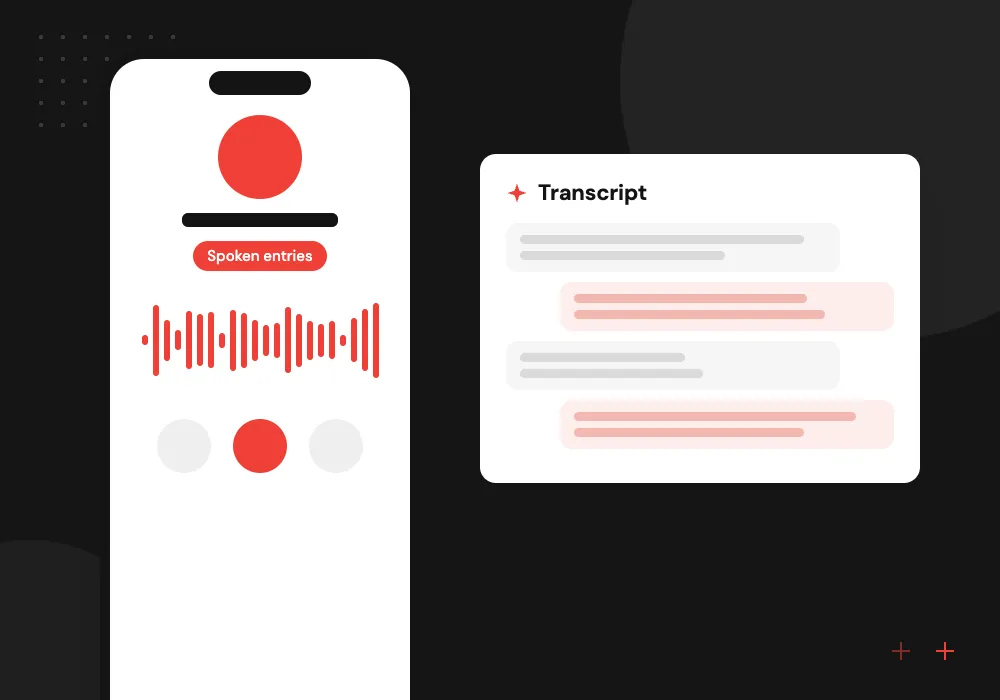
Voice input and notes
Users speak instead of typing, and the app turns speech into notes, form entries or search queries, even with weak signal.
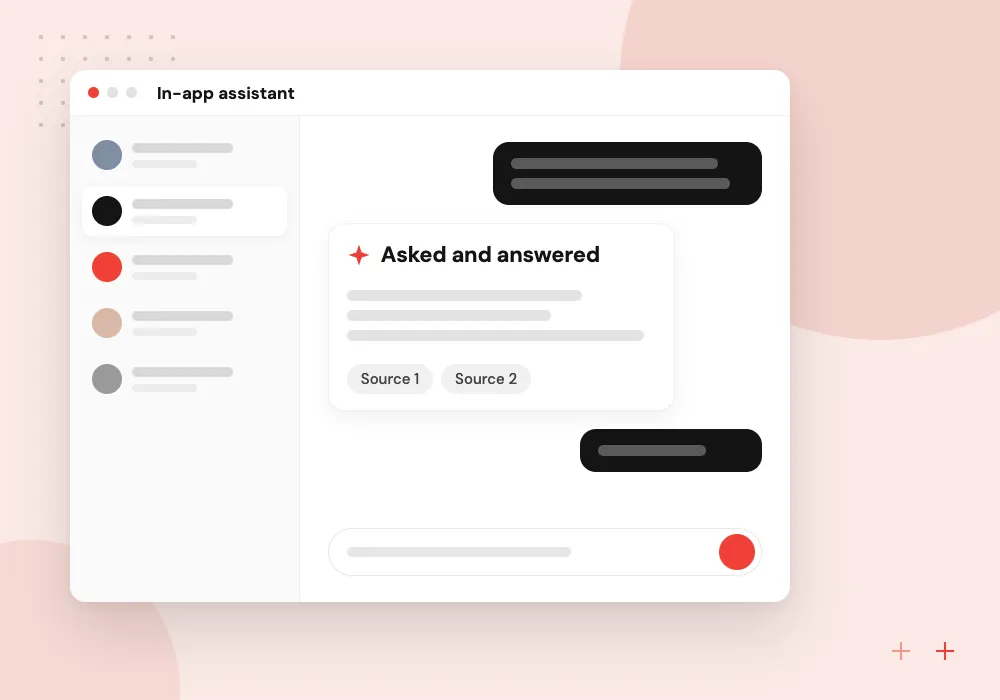
In-app assistant
A chat or prompt panel that answers questions about the user’s own account, orders or content and can open the right screen.
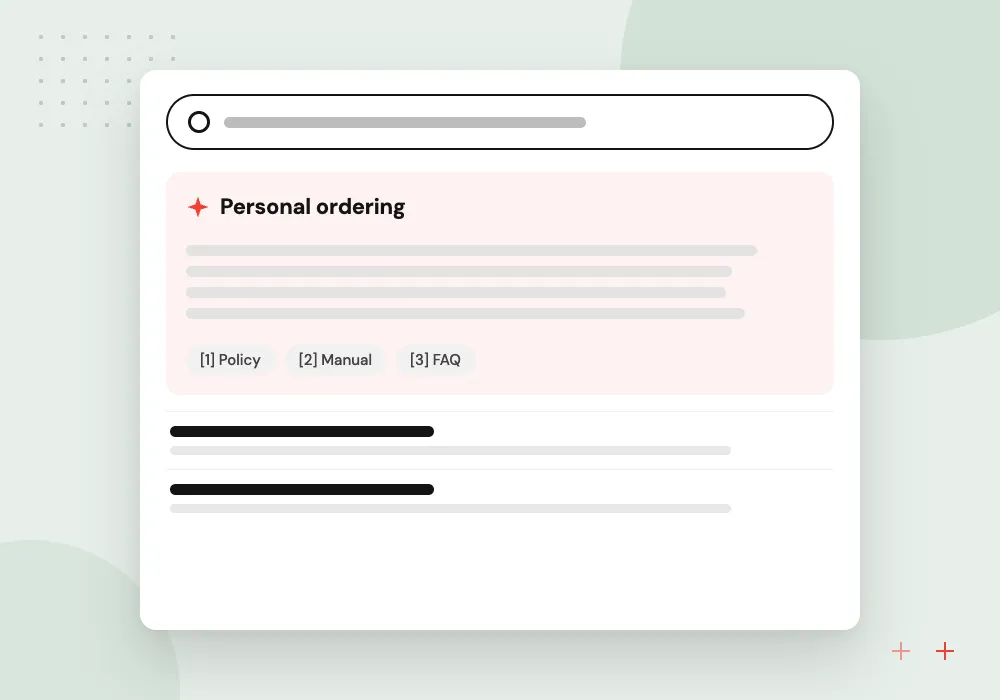
Personalized feeds and search
Search that understands loose descriptions, and a home screen ordered by what each user is likely to need next.
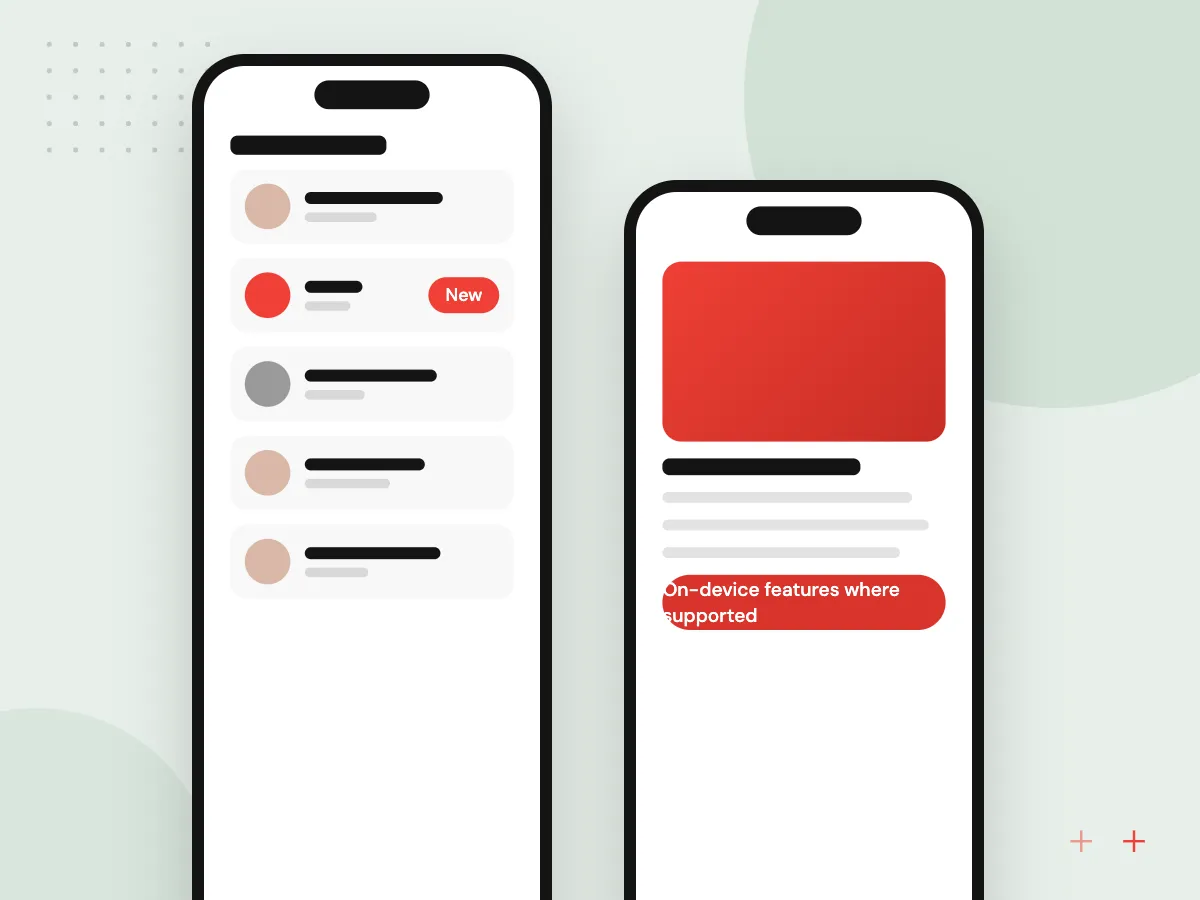
AI mobile app development on iOS and Android
Phones now run small language and vision models locally. On Apple platforms, the Foundation Models framework gives apps access to the on-device model behind Apple Intelligence on supported devices, and Android offers on-device options too. We decide per feature what runs locally, what goes to a cloud model and what happens when neither is available.
What we do
- On-device features where supported
- Cloud model calls through your backend
- Offline and fallback behavior
- Native camera and microphone integration
- Store privacy disclosures
Data, privacy and checks on AI output
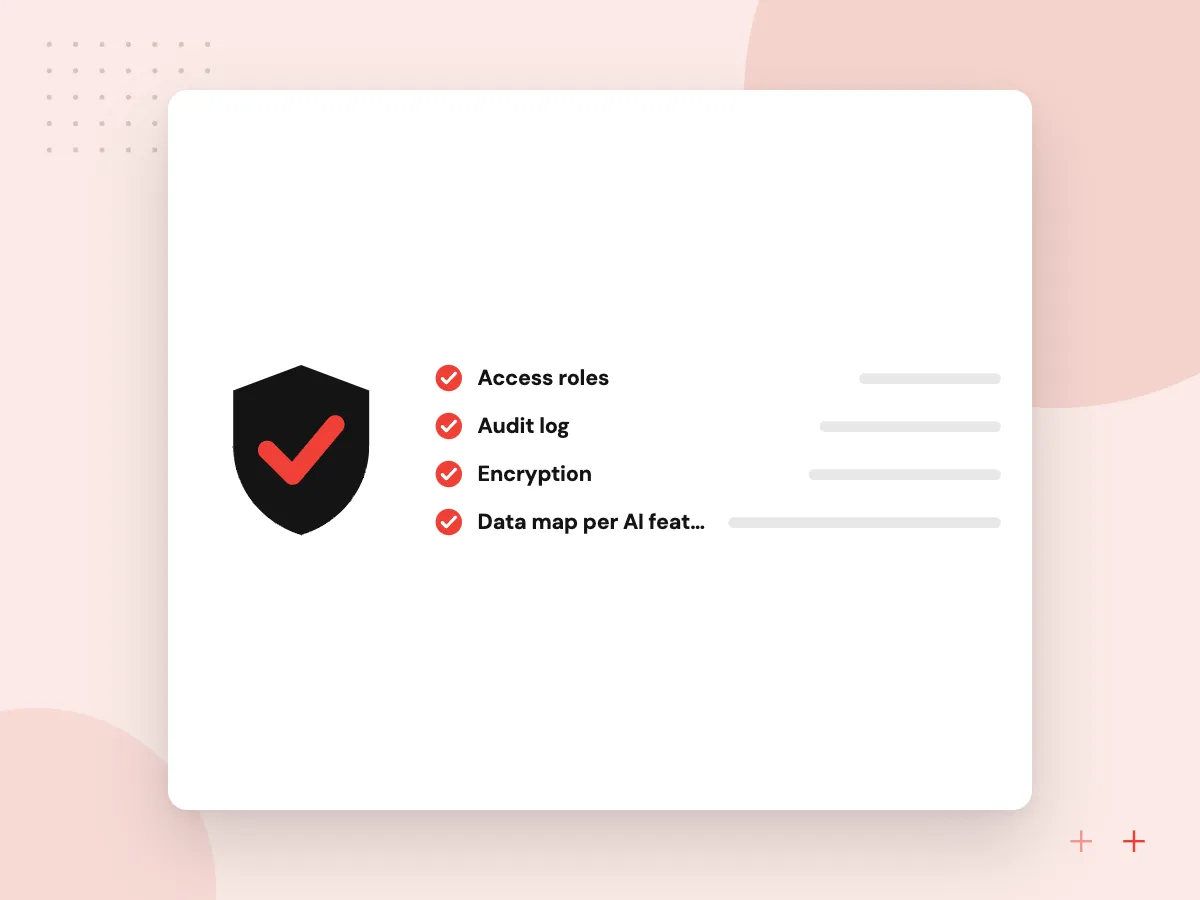
App users share photos, voice and location, so we collect only what each feature needs and say so in the privacy labels. Cloud calls go through your own backend, and keys are never stored in the app. Before release we test the AI on varied real inputs and give users an easy way to report or correct a bad result.
What we do
- Data map per AI feature
- API keys kept server-side
- Filters on input and output
- Report and correct controls
- Cost per active user tracking

How we approach a project
Store review applies to AI features too. Apps must describe the data they collect accurately, and store policies also cover generated content, so we include filtering and an in-app way to report offensive output. Web apps follow the same privacy rules and can update models without a store release.
Tell us about your app idea, or an existing app that needs AI features, during a 30-minute conversation arranged via our contact page. We will suggest the feature to build first and whether it belongs on the device or in the cloud.
How we work
- AI where the user needs it
- Device or cloud, chosen per task
- Privacy labels match real data use
Our Process
-

Feature and data map
We pick the AI moments in the user journey and list the data each one needs and where it goes.
-

Model spike
On-device and cloud options are tried on real sample inputs and compared for quality, speed and cost.
-

App and backend build
Screens, backend, model calls, fallbacks and analytics are built in sprints, with test builds for your team.
-

Store release and tuning
We prepare privacy disclosures and store listings, release in stages and tune prompts from real usage.
Why Aranv for AI apps
App and AI skills together
The same team builds the screens, the backend and the AI features, so latency, offline behavior and cost are handled as one design problem.
Keys never ship in the app
Every cloud model call goes through a backend you control, with per-user limits and logs, so a copied app binary cannot run up your bill.
Honest privacy labels
We map what each AI feature collects and sends, and write store disclosures from that map rather than from guesswork.
Measured after release
Usage, edits and cost per active user are tracked per feature, so the next release improves what people actually use.
Planning AI App Development?
Book a 30-minute conversation with the team that would build it.
AI app development FAQs
-
Should the AI in our app run on the phone or in the cloud?
Run it on the phone when the task is small, privacy matters or users are often offline, such as cleaning up text or labeling simple images. Use a cloud model for long documents, complex questions or the best available quality. Many apps use both, with the cloud as the fallback.
-
Can we add AI features to an app we already have?
Usually, yes. Most AI features need a new backend endpoint, a few new screens or components and an update to your privacy disclosures. We review your code and architecture first to find the least disruptive place to add them.
-
How do you keep AI running costs under control in a consumer app?
Model calls go through your backend, where we cache repeated requests, set per-user limits, route simple tasks to cheaper models and move suitable work onto the device. We report cost per active user from the first test build, so pricing decisions rest on real numbers.
-
Will Apple and Google approve an app with generative AI features?
Apps with AI features go through the same review rules as any other app, with extra attention to generated content and data use. We prepare accurate privacy disclosures, content filtering and in-app reporting, and address any reviewer feedback before resubmitting.
-
Do you build AI apps for both iOS and Android?
Yes. We build native apps when a feature needs platform-specific AI or camera access, and cross-platform apps in Flutter or React Native when one codebase suits the product better. The AI backend is shared across platforms and the web.

Let’s talk about your next step
Contact Aranv to discuss your workflow, current tools, and goals. Meet with our team or send an inquiry.
Book a meeting with our team
Choose an available date and time for a 30-minute conversation about your project.
Tell us about your project
Share a few details so we can discuss a useful next step.
Prefer email? sales@aranv.com